
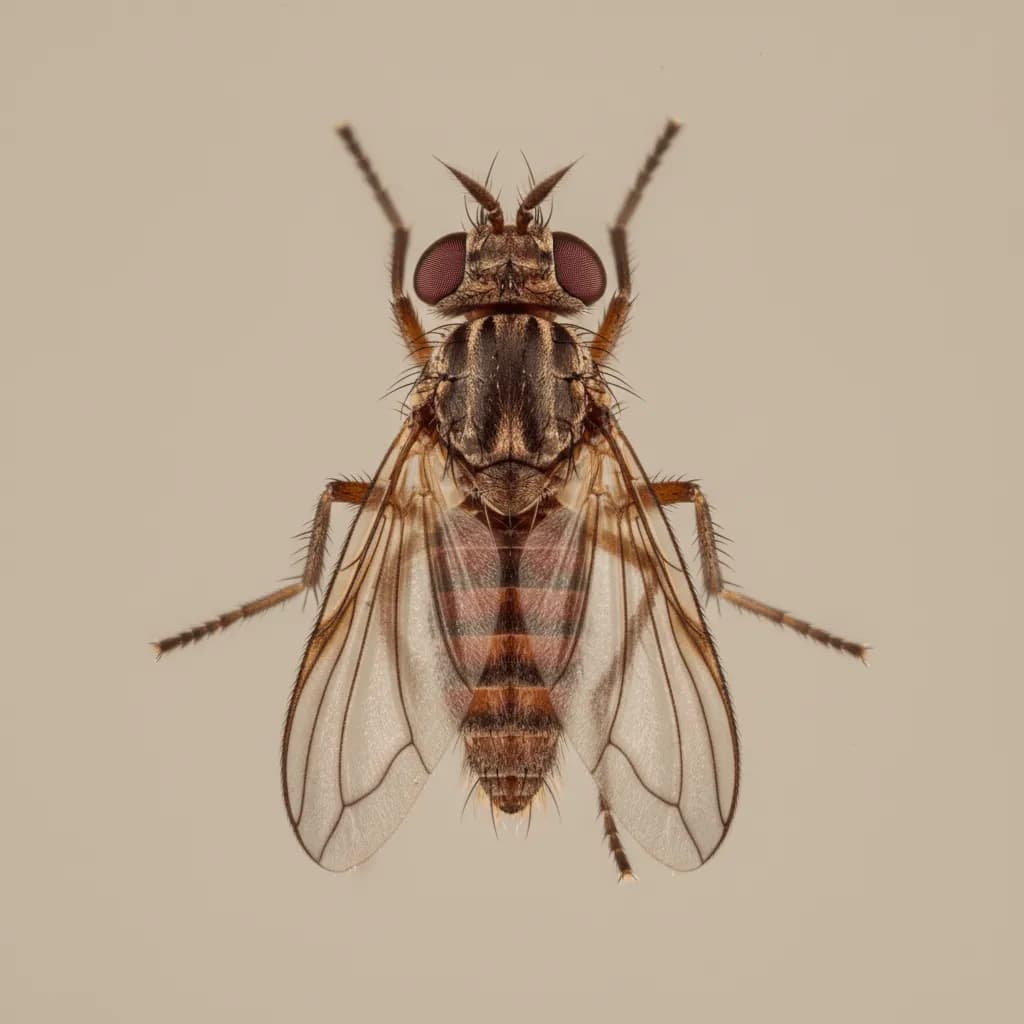
Sand Fly
Lutzomyia spp.
Also known as: Sandfly, No-See-Um Sand Fly
Sand flies are tiny biting flies in the family Psychodidae that are significant nuisance biters and disease vectors in tropical and subtropical regions. In the United States, Lutzomyia species are found in the southern states and can transmit a parasitic disease called leishmaniasis. Their minute size allows them to pass through standard window screens.
Identification
Size
1.5-3.5 mm
Color
Pale tan to yellowish-brown with large dark eyes and hairy wings held in a V-shape at rest
Key Trait
Extremely small size; distinctive V-shaped hairy wings held upright at rest; weak, moth-like flight pattern; bites leave intensely itchy welts disproportionate to the insect's tiny size.
Behavior & Habitat
Weak fliers that stay close to the ground and typically fly only a few hundred meters from breeding sites. Most active at dawn and dusk. Females require blood meals for egg development. Bites are painful and produce intensely itchy welts that can persist for days.
Habitat: Breeds in moist organic matter including leaf litter, animal burrows, tree holes, soil crevices, and decaying vegetation. Adults rest in protected shady locations during the day.
Diet: Females feed on blood from mammals, birds, and reptiles. Males and females both feed on plant sugars and nectar.
Signs of Infestation
- Intensely itchy bites appearing in clusters, especially on exposed skin at dawn and dusk
- Tiny moth-like flies resting on walls and vegetation near ground level
- Bites occurring despite closed windows with standard-mesh screens
Risks & Damage
Vector of leishmaniasis in the southern U.S. and Latin America; bites cause intensely itchy, long-lasting welts and can trigger allergic reactions.
Can bite dogs and other pets; canine leishmaniasis is a concern in endemic areas.
Prevention Tips
- 1.Install fine-mesh screens (at least 18×18 mesh per inch) on windows and doors
- 2.Use DEET or picaridin repellent on exposed skin during dawn and dusk hours
- 3.Remove leaf litter and organic debris from around the foundation to reduce breeding habitat
Why DIY Treatment Often Falls Short
Their extremely small size allows them to penetrate standard screens, and breeding sites in soil organic matter are diffuse and difficult to treat comprehensively.
Professional Treatment
Professionals apply residual treatments to resting sites, install fine-mesh screening, and address breeding habitat through organic matter removal. In endemic areas, insecticide-treated bed nets and permethrin-treated clothing are recommended.
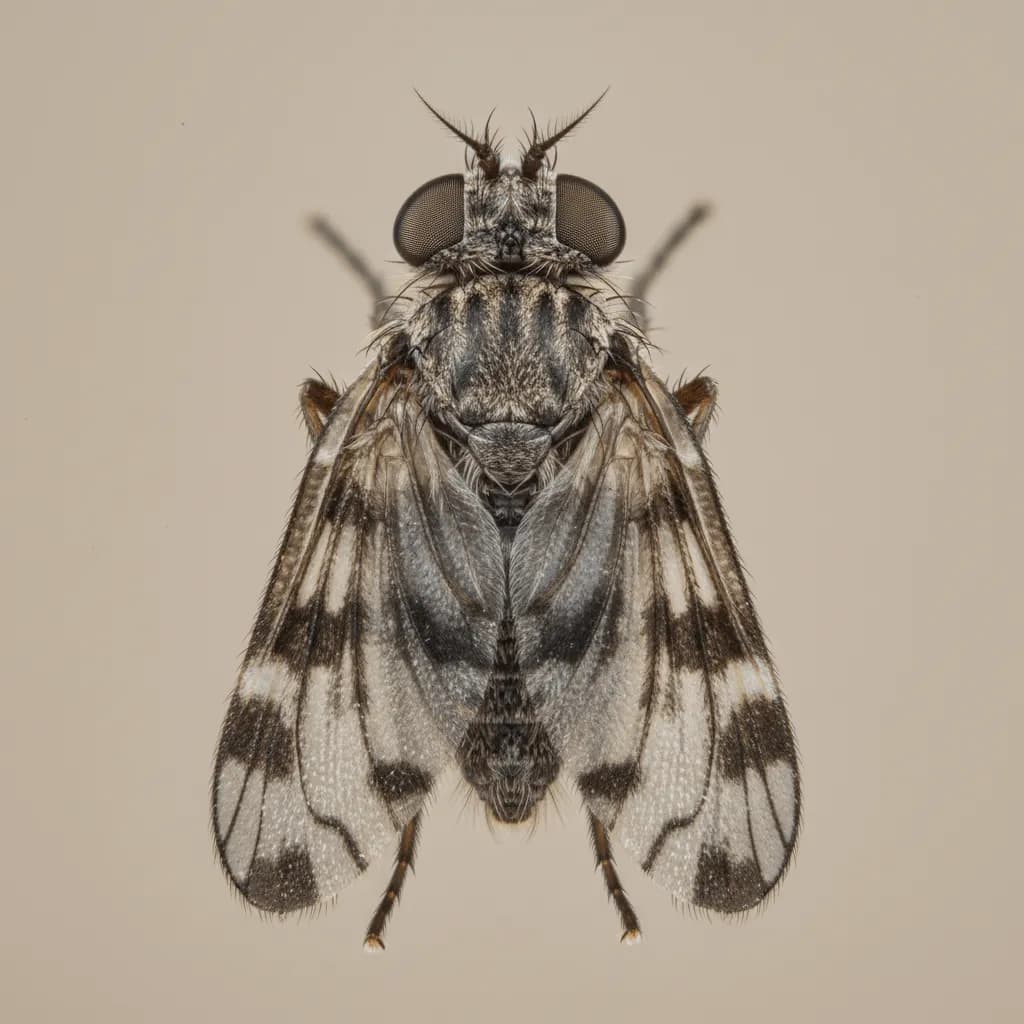
Related Pests
Frequently Asked Questions
Are sand flies the same as no-see-ums?
Can sand flies transmit diseases in the U.S.?
Why do their bites itch so much?
Need Help With Sand fly?
If you're seeing signs of sand fly in or around your home, professional treatment is the fastest way to stop the problem. Lotus Pest Control offers free inspections to identify the issue and recommend the right solution.
At a Glance
- Category
- Flies
- Scientific Name
- Lutzomyia spp.
- Size
- 1.5-3.5 mm
- Color
- Pale tan to yellowish-brown with large dark eyes and hairy wings held in a V-shape at rest
- Key Trait
- Extremely small size; distinctive V-shaped hairy wings held upright at rest; weak, moth-like flight pattern; bites leave intensely itchy welts disproportionate to the insect's tiny size.
- Regions
- Gulf Coast, Southeast, Southwest
- Threat Level
- Moderate
- Risk Types
- healthpets
- Seasonal Activity
- MarAprMayJunJulAugSepOctNovDecJanFebnonelowmoderatehighpeak