
Fly
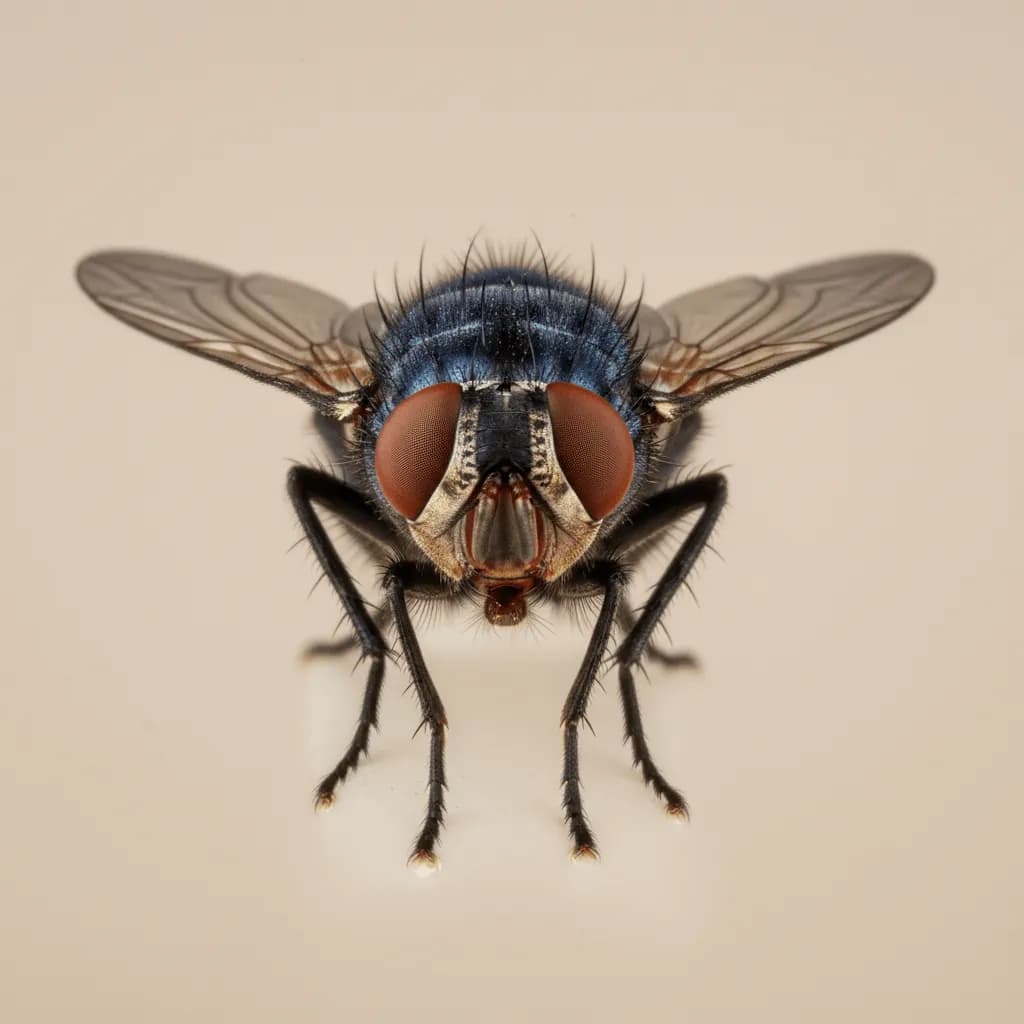
Flies are one of the most diverse insect orders, with thousands of species found across the United States. The most common household species include house flies, fruit flies, drain flies, cluster flies, and blow flies. While often dismissed as a minor annoyance, flies are significant vectors of disease because they feed on and breed in decaying organic matter, then land on food and preparation surfaces. A single house fly can carry over one million bacteria on its body. Persistent fly problems usually point to a sanitation issue, a breeding source that needs to be eliminated, or a structural vulnerability allowing entry.
Species Covered
15
Species Groups
11
Common Traits
All true flies have a single pair of functional wings and a pair of modified hind wings called halteres that aid in balance during flight. Most pest fly species are attracted to decaying organic matter for feeding and egg-laying, completing their entire life cycle in as little as seven to ten days under warm conditions. Their rapid reproduction rate means small problems can escalate quickly.
Species in This Category
House Flies
2 species
House flies are the most common fly species associated with human habitation worldwide.
Fruit Flies
3 species
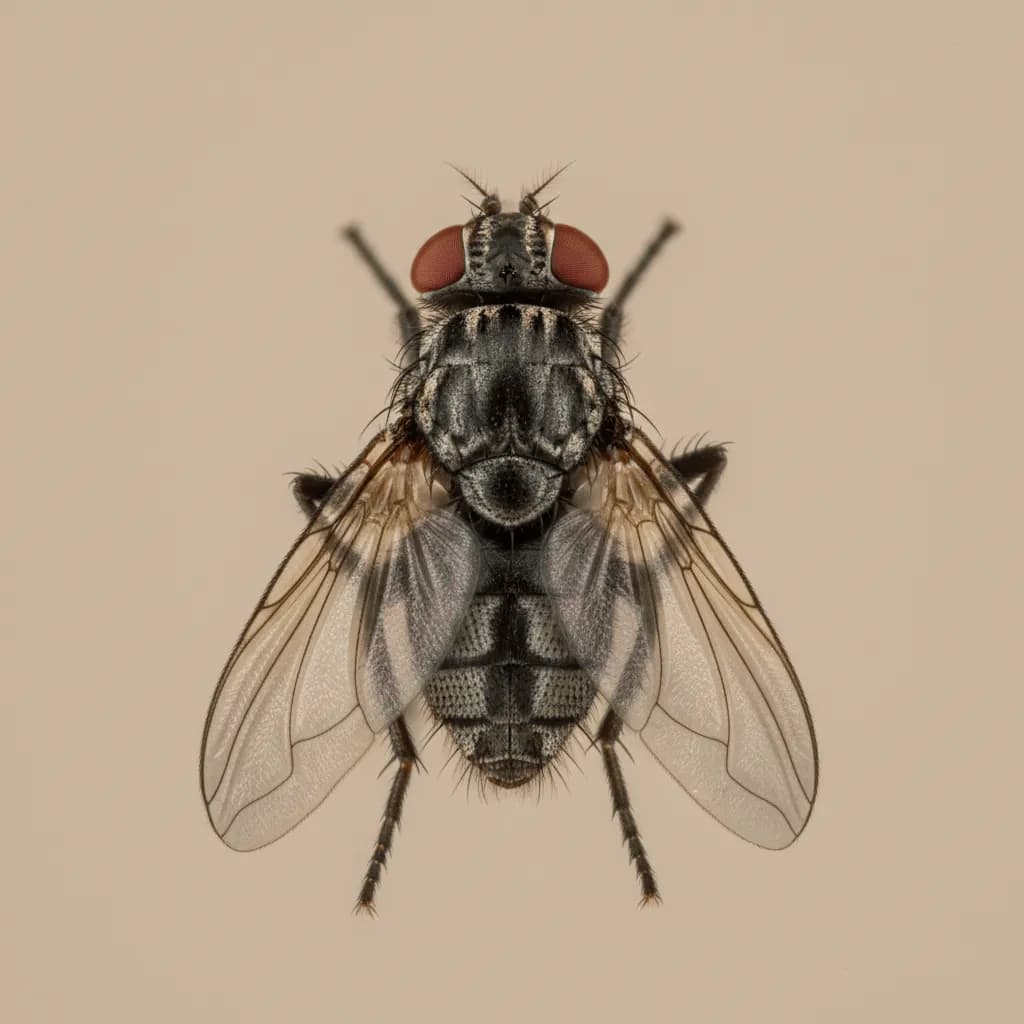
Fruit flies are tiny, tan to brownish flies with distinctive red eyes that are a ubiquitous nuisance in homes, restaurants, bars, and anywhere fermenting organic material is present.
Drain Flies
1 species
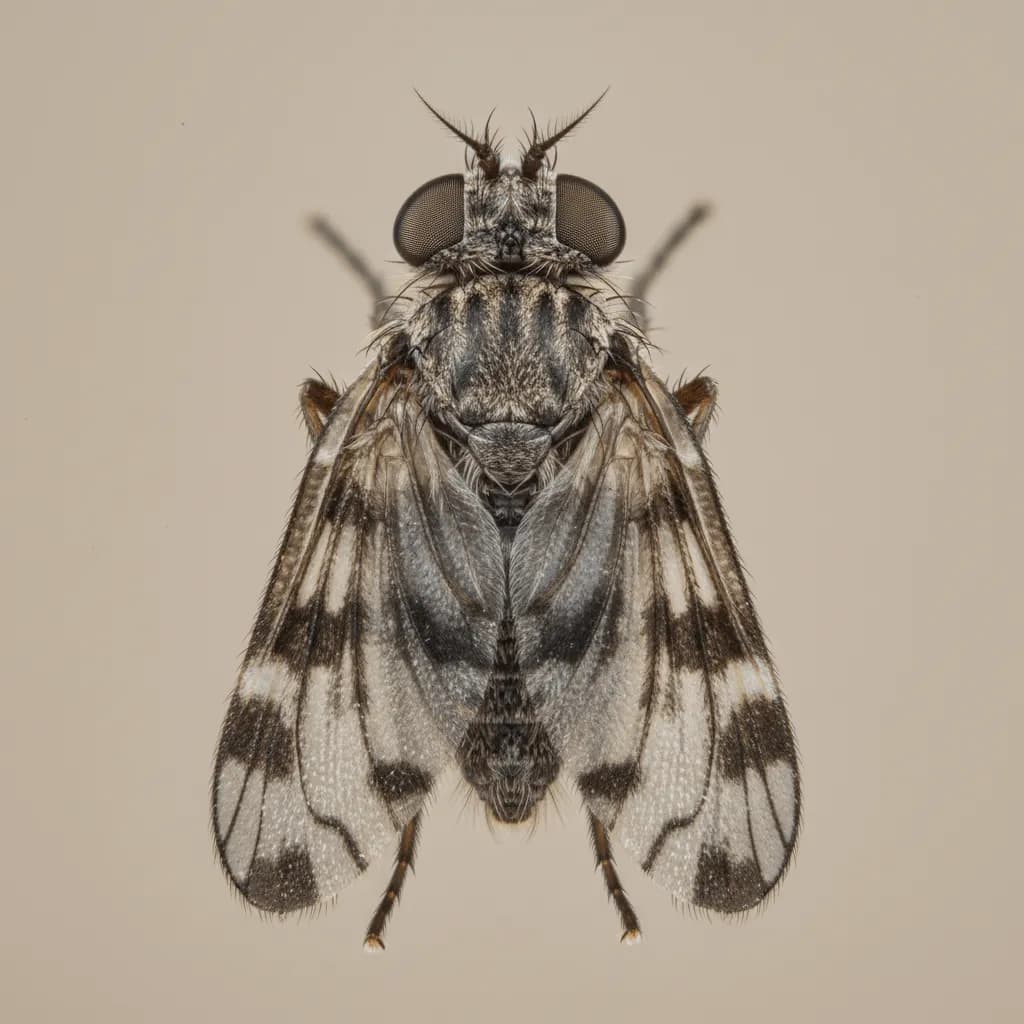
Drain flies, also called moth flies or sewer gnats, are small, fuzzy, moth-like flies that breed in the organic film that lines drains, sewer pipes, and septic systems.
Cluster Flies
1 species
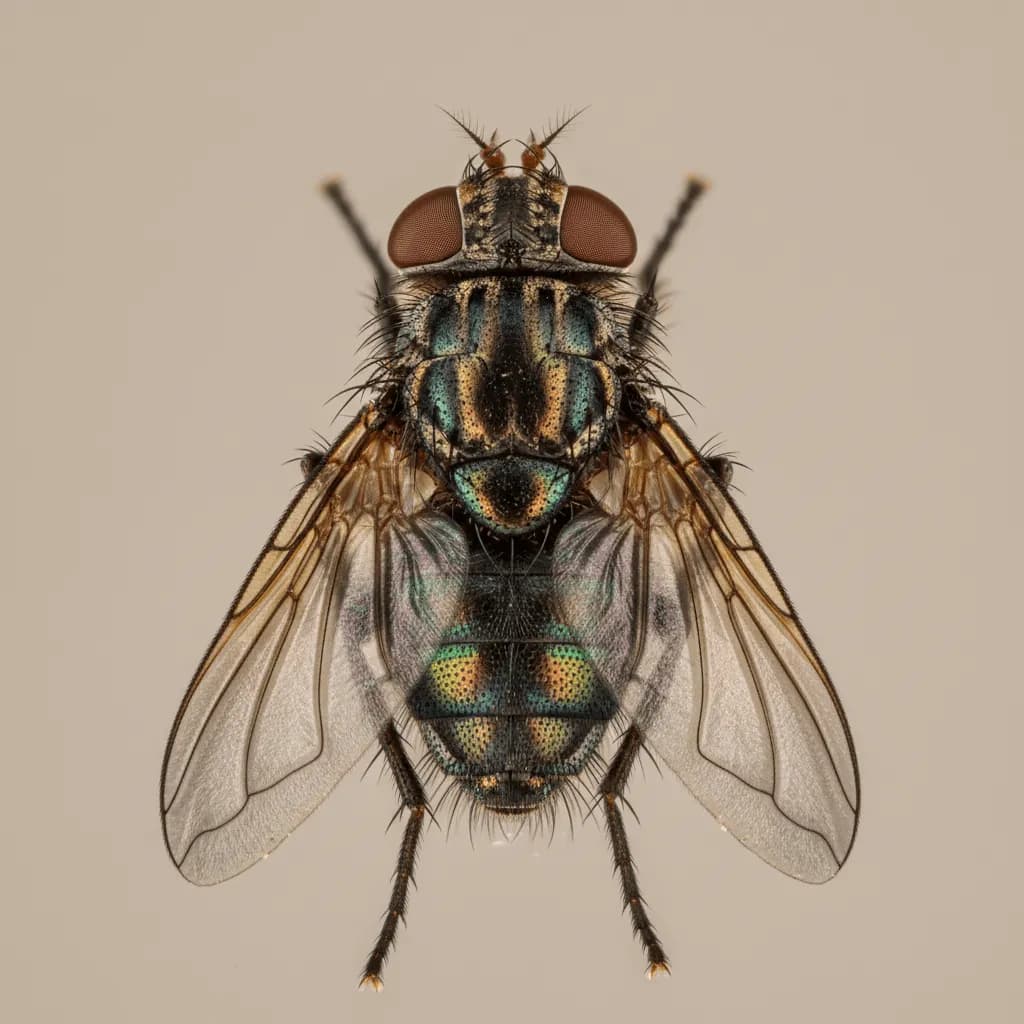
Cluster flies are large, sluggish flies that invade homes in enormous numbers in fall to overwinter in wall voids, attics, and other protected spaces.
Blow Flies
3 species
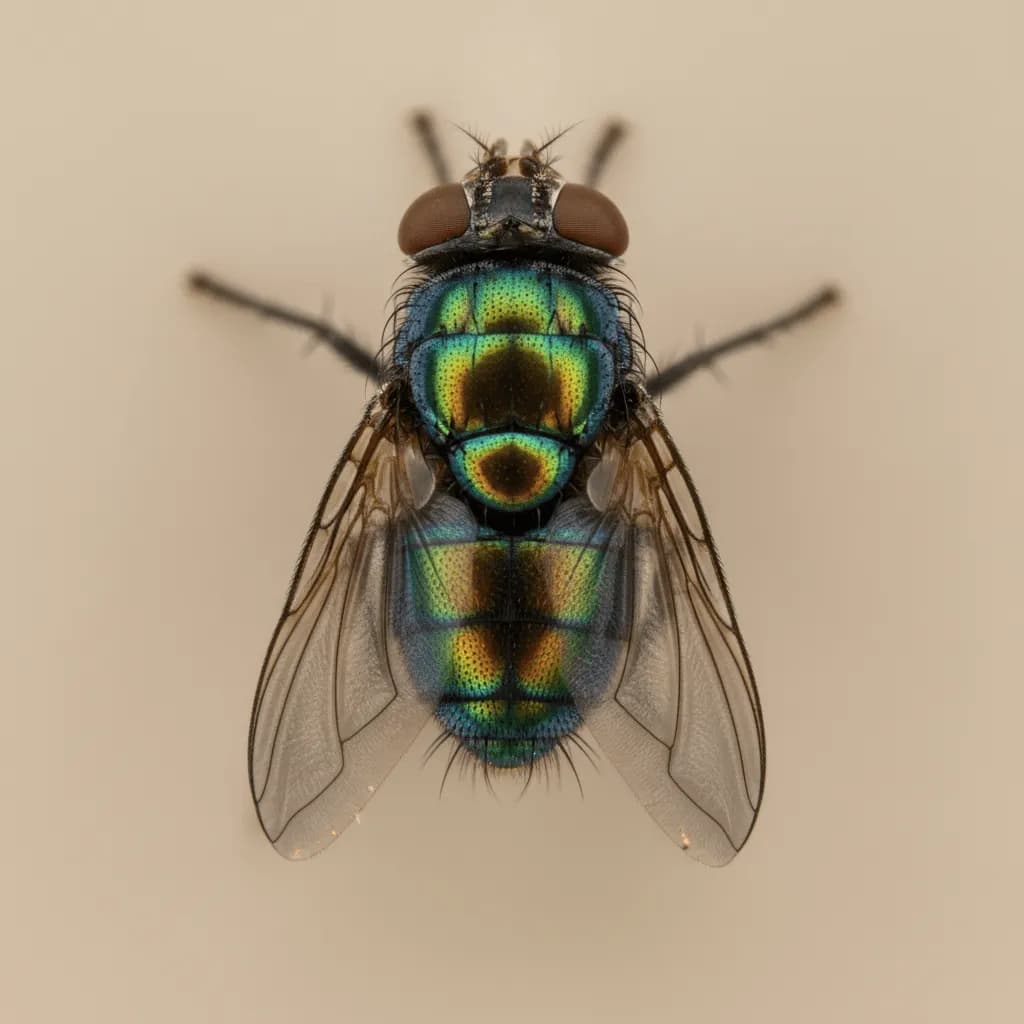
Blow flies are medium to large flies with distinctive metallic blue, green, or bronze coloring.
Gnats
3 species
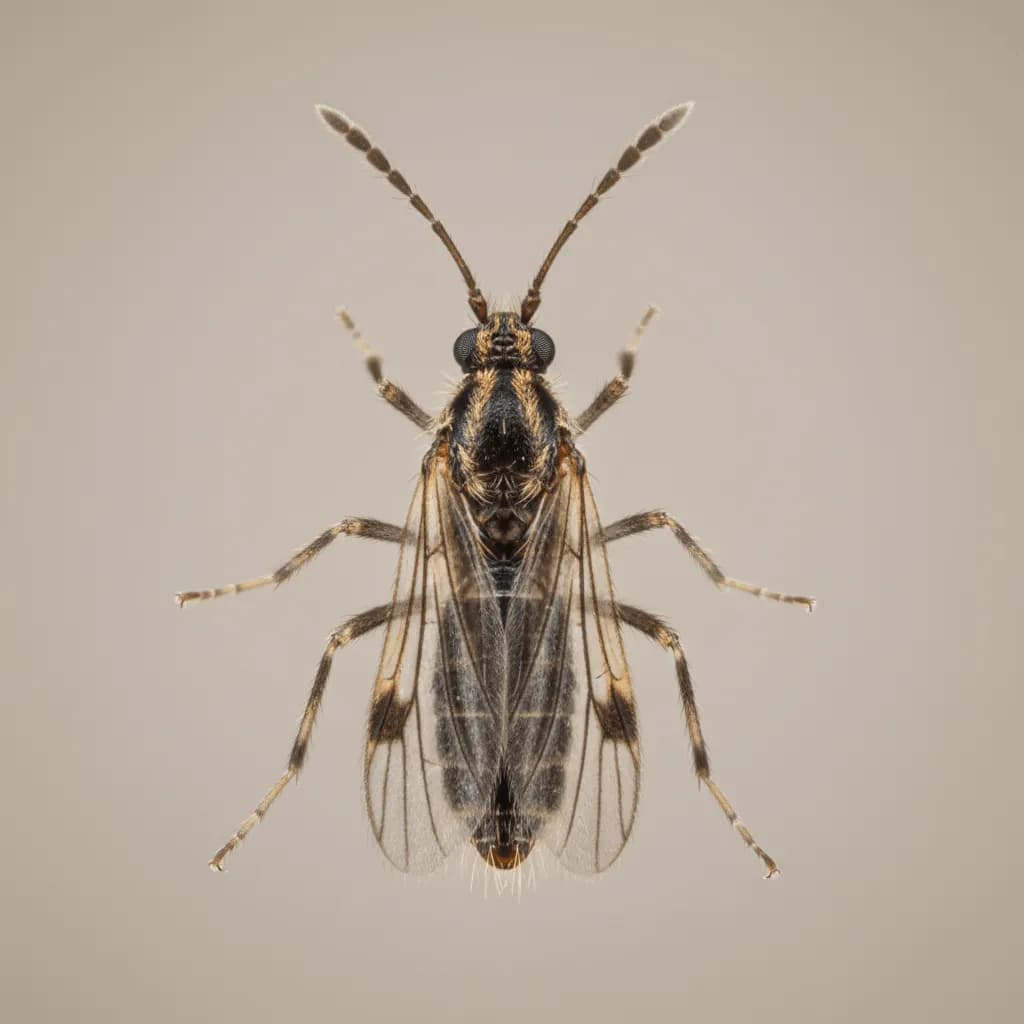
Gnats is a common term encompassing several species of small flies that swarm near faces, breed in houseplant soil, and congregate around lights.
Horse Flies
3 species
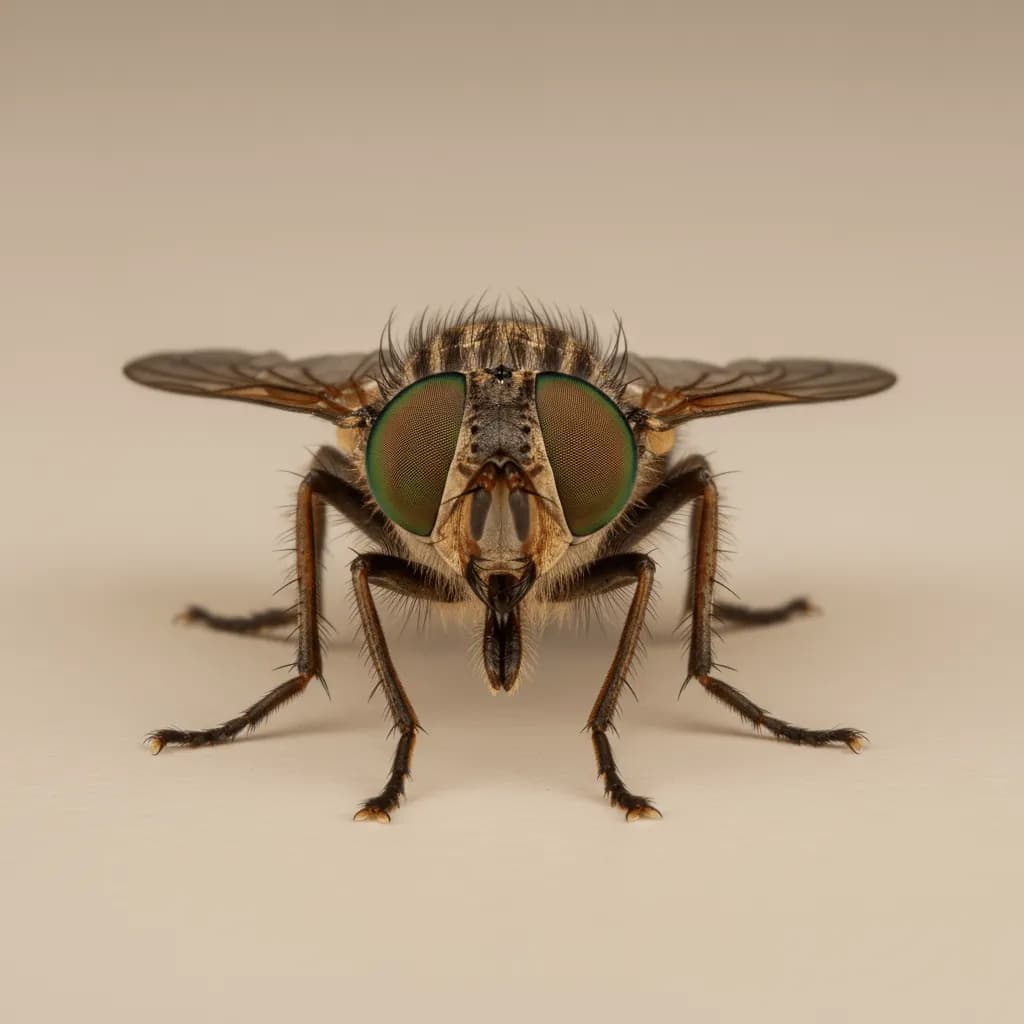
Horse flies are large, stout-bodied flies with powerful slicing mouthparts that deliver painful, bleeding bites.
Flesh Flies
1 species
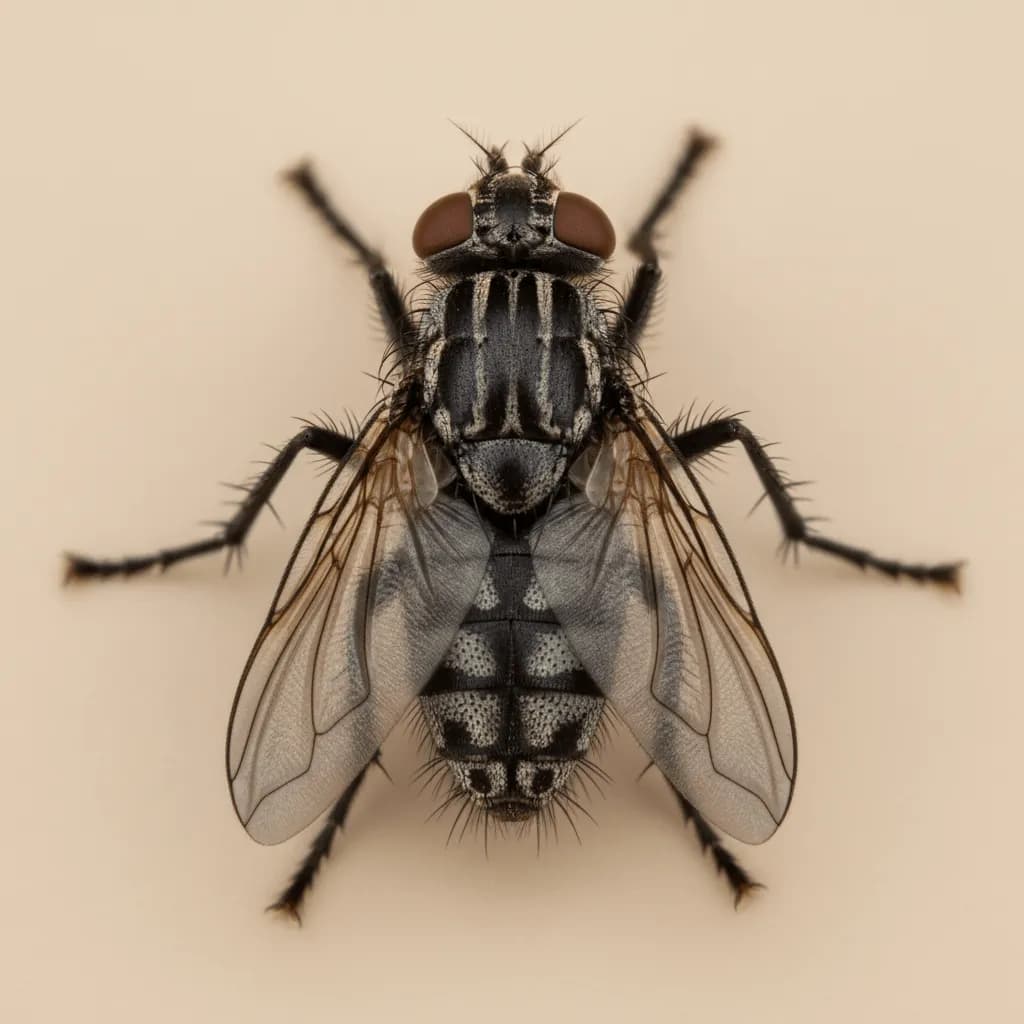
Flesh flies are medium to large gray flies with three dark longitudinal stripes on the thorax and a distinctive checkerboard pattern on the abdomen.
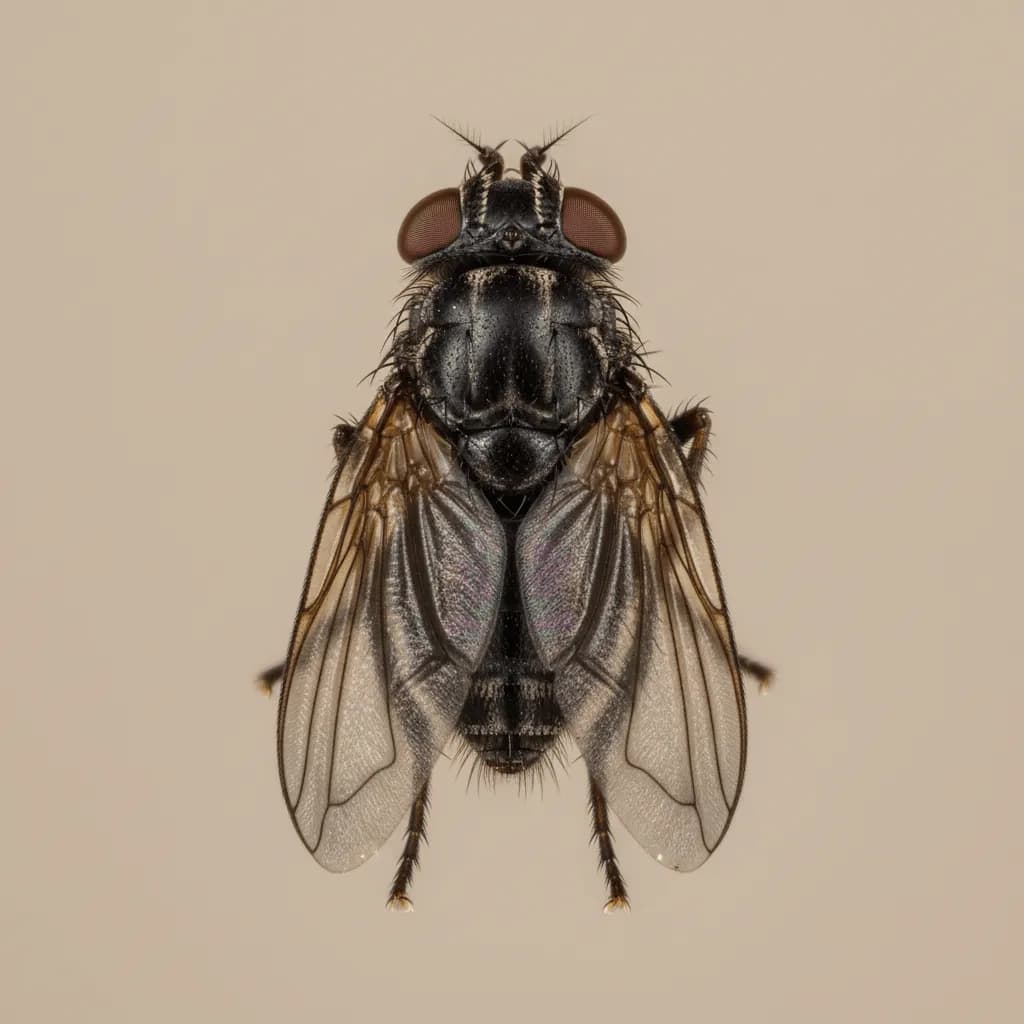
Phorid Flies
1 species
Phorid flies, also known as humpbacked flies or scuttle flies, are tiny flies recognizable by their humped thorax and distinctive running behavior across surfaces rather than immediately taking flight.
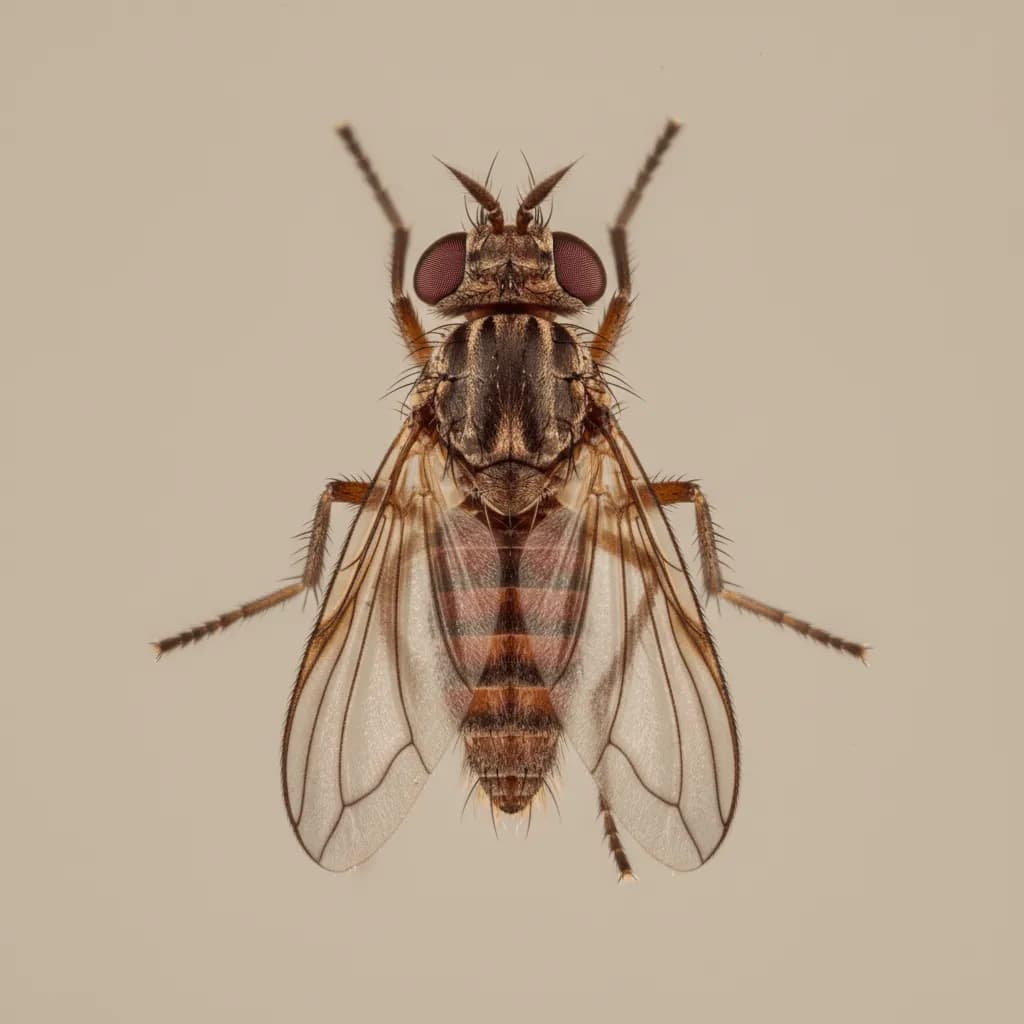
Sand Flies
1 species
Sand flies are tiny biting flies in the family Psychodidae that are significant nuisance biters and disease vectors in tropical and subtropical regions.
Crane Flies
1 species
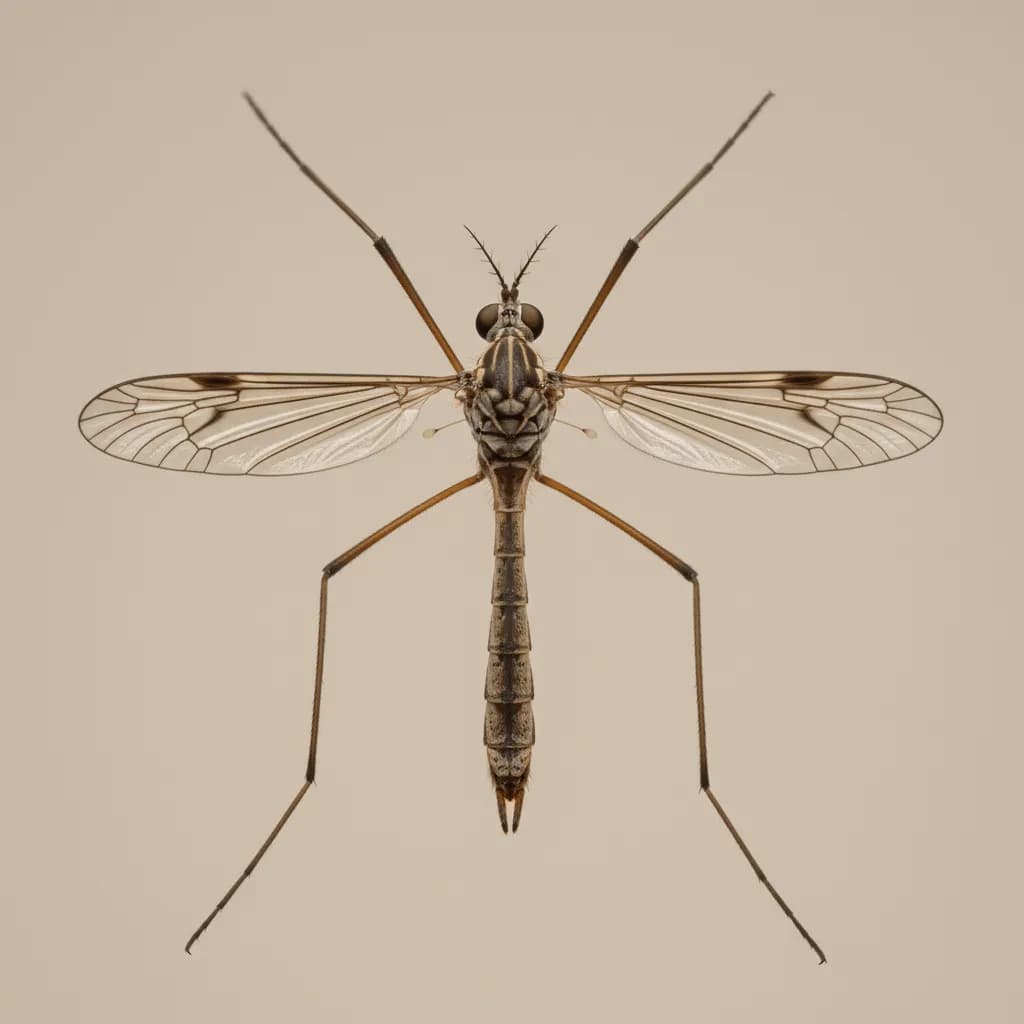
Crane flies are large, gangly flies commonly mistaken for giant mosquitoes.
All Fly
Signs of Infestation
- Clusters of flies around windows, light fixtures, or food preparation areas
- Tiny flies hovering near drains, overripe fruit, or garbage containers
- Maggots (fly larvae) found in trash cans, compost, or around decaying matter
- A persistent, unpleasant odor suggesting a hidden breeding source such as a dead animal
- Dark specks (fly droppings) accumulating on surfaces, walls, or light fixtures
Prevention
Fly prevention centers on sanitation and exclusion. Keeping food covered, cleaning up spills promptly, emptying trash regularly, and ensuring drains are clean eliminates the breeding sites that sustain populations. Proper screening on windows and doors, along with sealing gaps around utility penetrations, prevents flies from entering in the first place.
Frequently Asked Questions
Why do I suddenly have a lot of fruit flies?
What are the tiny flies coming out of my drains?
Are house flies dangerous?
Why do flies seem to appear out of nowhere in fall?
Do fly traps and zappers actually work?
Need Help With Fly?
If you're seeing signs of fly in or around your home, professional treatment is the fastest way to stop the problem. Lotus Pest Control offers free inspections to identify the issue and recommend the right solution.