
Cluster Flies
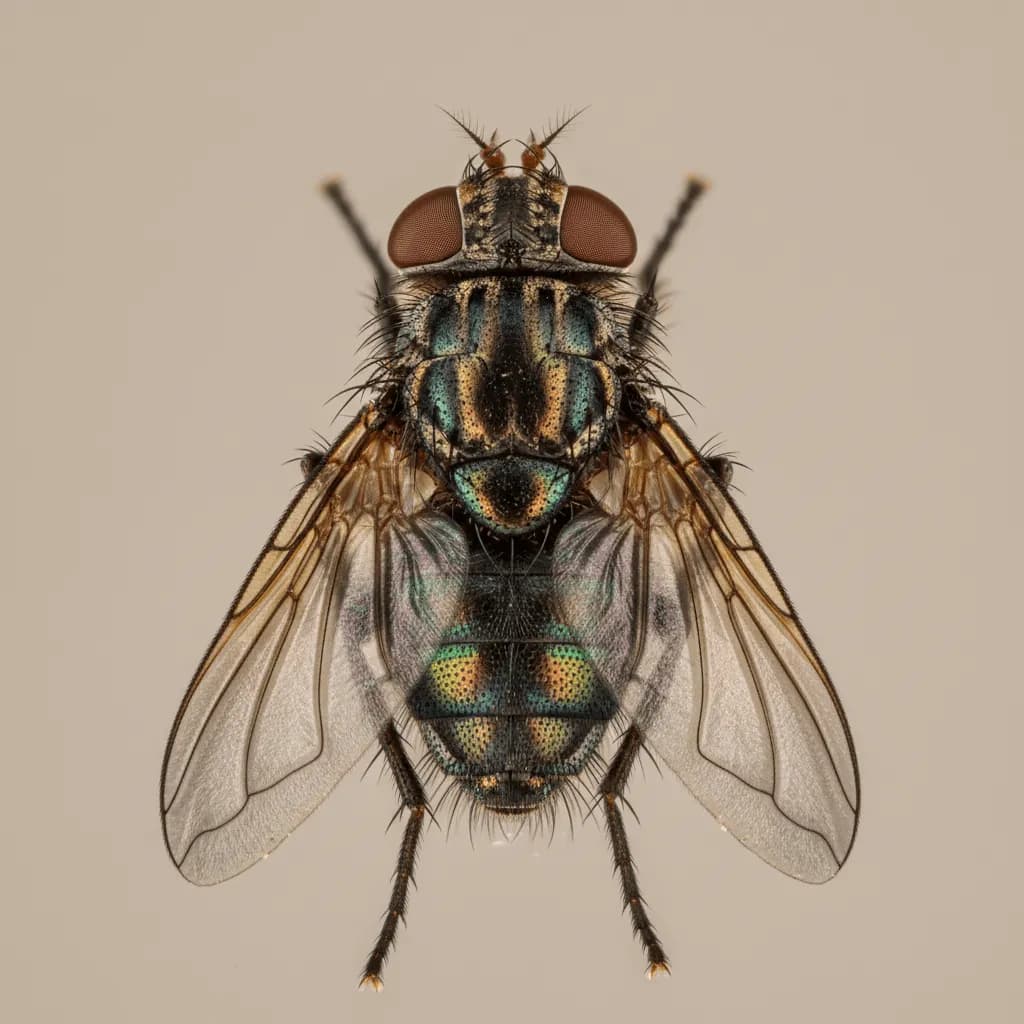
Cluster flies are large, sluggish flies that invade homes in enormous numbers in fall to overwinter in wall voids, attics, and other protected spaces. They are slightly larger than house flies with a distinctive covering of golden hairs on the thorax. Unlike house flies, they are not associated with filth and do not breed in garbage or food waste. Their larvae are parasites of earthworms, and adult populations build up in lawns and fields during summer before seeking shelter in structures in fall. They are one of the most common fall-invading pests in northern states.
Species in This Group (1)
Key Behaviors
Cluster flies aggregate on sun-warmed south and west-facing walls in fall before entering structures through gaps and crevices. They overwinter in large groups in attics, wall voids, and behind siding. On warm winter and early spring days, they become active and emerge into living spaces, clustering at windows. They are sluggish fliers that produce a distinctive buzzing sound. The same structures tend to be invaded year after year.
Risks & Concerns
Cluster flies are a nuisance pest that does not bite, transmit disease, or cause structural damage. Their primary impact is the distress caused by hundreds or thousands of flies emerging into living spaces during warm spells. Dead flies accumulate in window sills, light fixtures, and behind walls. Staining from dead flies and their excrement can damage curtains and walls. Exclusion before fall is the most effective management strategy.
Need Help With Cluster flies?
If you're seeing signs of cluster flies in or around your home, professional treatment is the fastest way to stop the problem. Lotus Pest Control offers free inspections to identify the issue and recommend the right solution.