
Fruit Flies
Fruit flies are tiny, tan to brownish flies with distinctive red eyes that are a ubiquitous nuisance in homes, restaurants, bars, and anywhere fermenting organic material is present. They breed in overripe fruit, vegetable scraps, recycling bins, drains, and any moist organic material undergoing fermentation. A single female can lay 500 eggs, and the entire life cycle can be completed in as little as eight days, allowing populations to explode seemingly overnight. They are the number-one fly complaint in restaurants and bars.
Species in This Group (2)
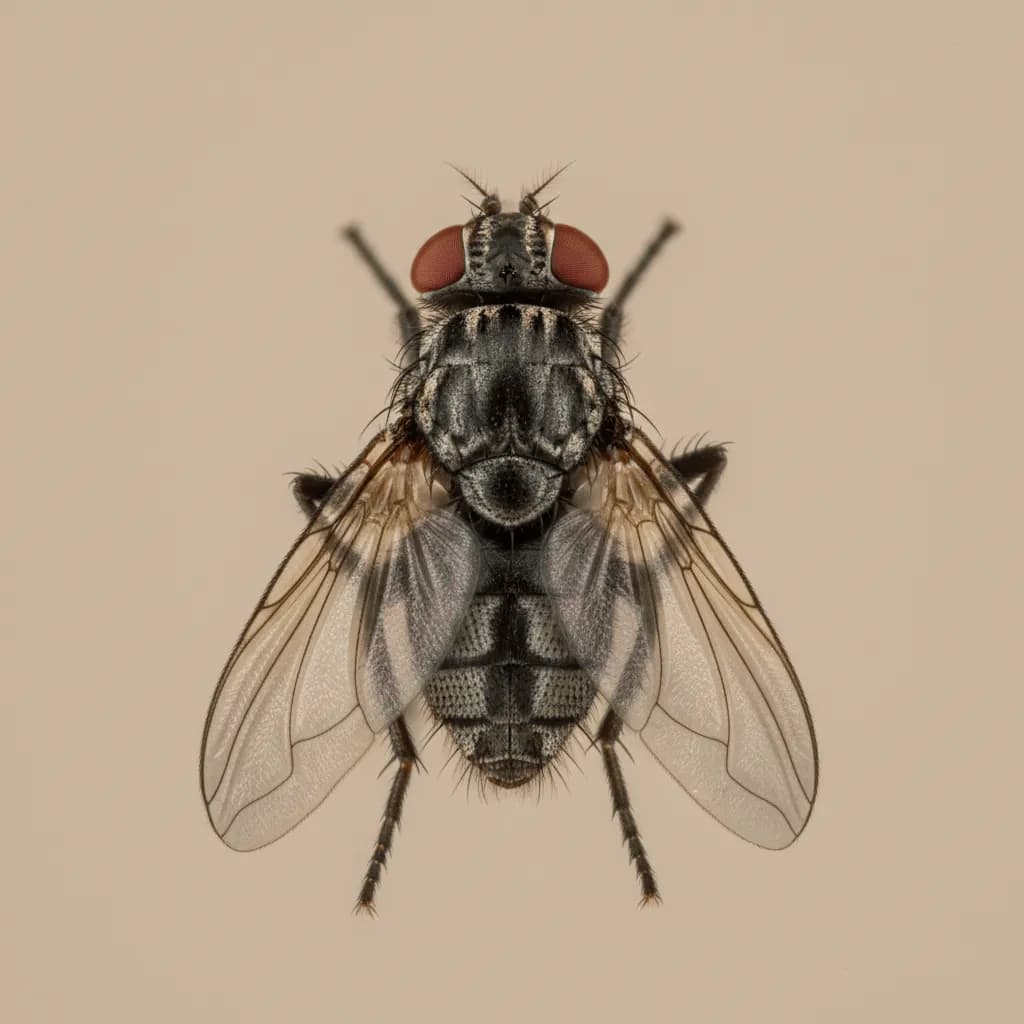
Common Fruit Fly
Drosophila melanogaster
The Common Fruit Fly is one of the most persistent kitchen pests, attracted to ripening and fermenting fruit, vegetables, and beverages.
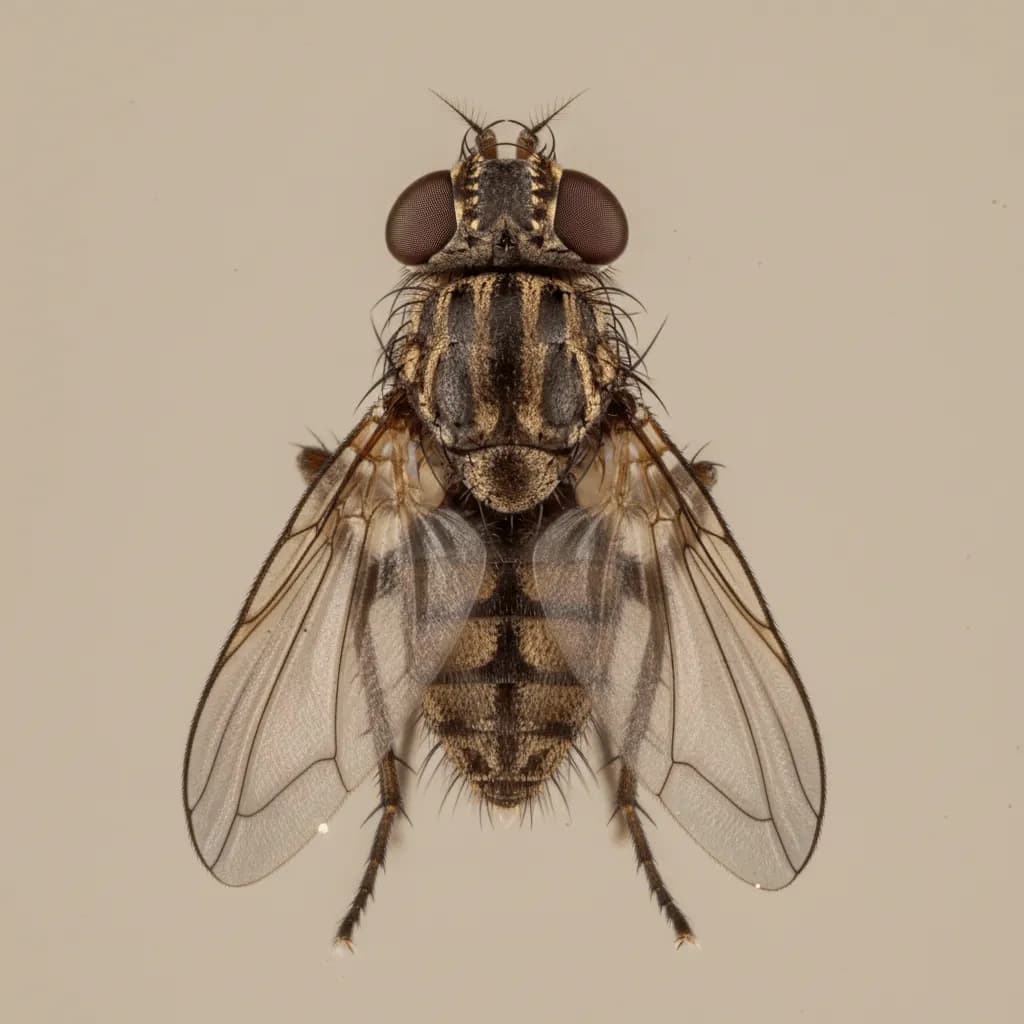
Dark-Eyed Fruit Fly
Drosophila repleta
The Dark-Eyed Fruit Fly is frequently confused with the common fruit fly but has dark eyes and tends to breed more in drain biofilm and decaying organic matter than in fruit.
Key Behaviors
Fruit flies are attracted to fermenting sugars and organic acids. They are commonly found around ripening fruit, spilled beverages, recycling bins, and mop buckets. They breed in the thin film of organic material that accumulates in sink drains, garbage disposals, and beneath bar equipment. Their tiny size allows them to pass through standard window screens. They are active year-round in heated buildings.
Risks & Concerns
Fruit flies contaminate food and beverages with bacteria from the decaying materials they breed in. They are a major nuisance in food service operations and can trigger health code violations. Their rapid reproduction makes them difficult to eliminate without identifying and removing all breeding sources. In commercial settings, they impact customer perception and business reputation.
Identification Tip
Distinguished from drain flies by their smooth, non-fuzzy appearance and attraction to fermenting fruit rather than drains. Distinguished from phorid flies by their red eyes and less erratic movement. Proper identification is critical because each fly species breeds in different materials and requires different management approaches.
Quick Comparison
| Species | Size | Color | Key Trait |
|---|---|---|---|
| Common Fruit Fly | 2-4 mm | Tan to yellowish-brown with bright red eyes | Very small size; bright red eyes; swarms around overripe fruit and fermentation sources. |
| Dark-Eyed Fruit Fly | 3-4 mm | Dark brown to black with dark eyes | Similar to common fruit fly but with dark eyes instead of red; associated with drains and decaying organic matter rather than fruit. |
Need Help With Fruit flies?
If you're seeing signs of fruit flies in or around your home, professional treatment is the fastest way to stop the problem. Lotus Pest Control offers free inspections to identify the issue and recommend the right solution.