
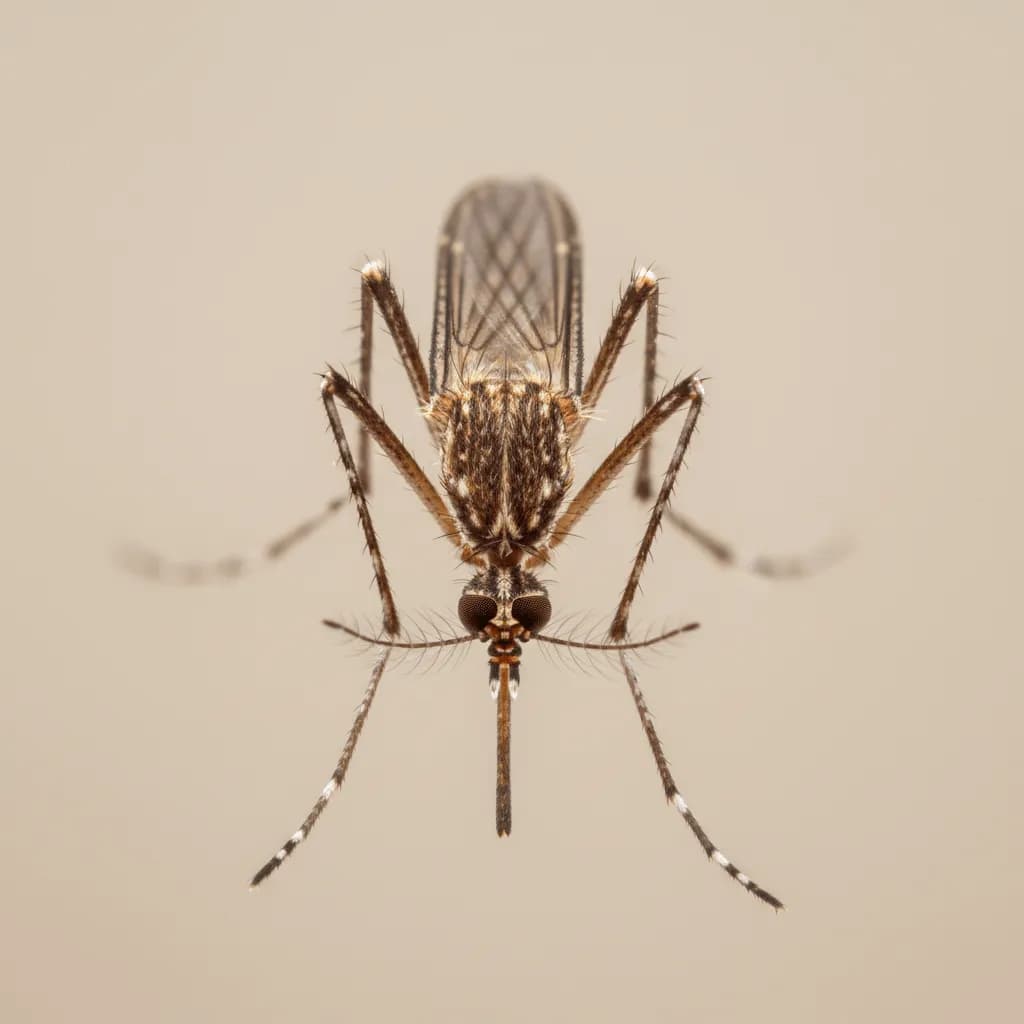
Inland Floodwater Mosquito
Aedes vexans
The Inland Floodwater Mosquito is one of the most abundant and widely distributed mosquitoes in North America. Populations explode following heavy rains and flooding as dormant eggs hatch in temporary pools. It is an aggressive biter and a potential bridge vector for West Nile virus.
Identification
Size
5-7 mm
Color
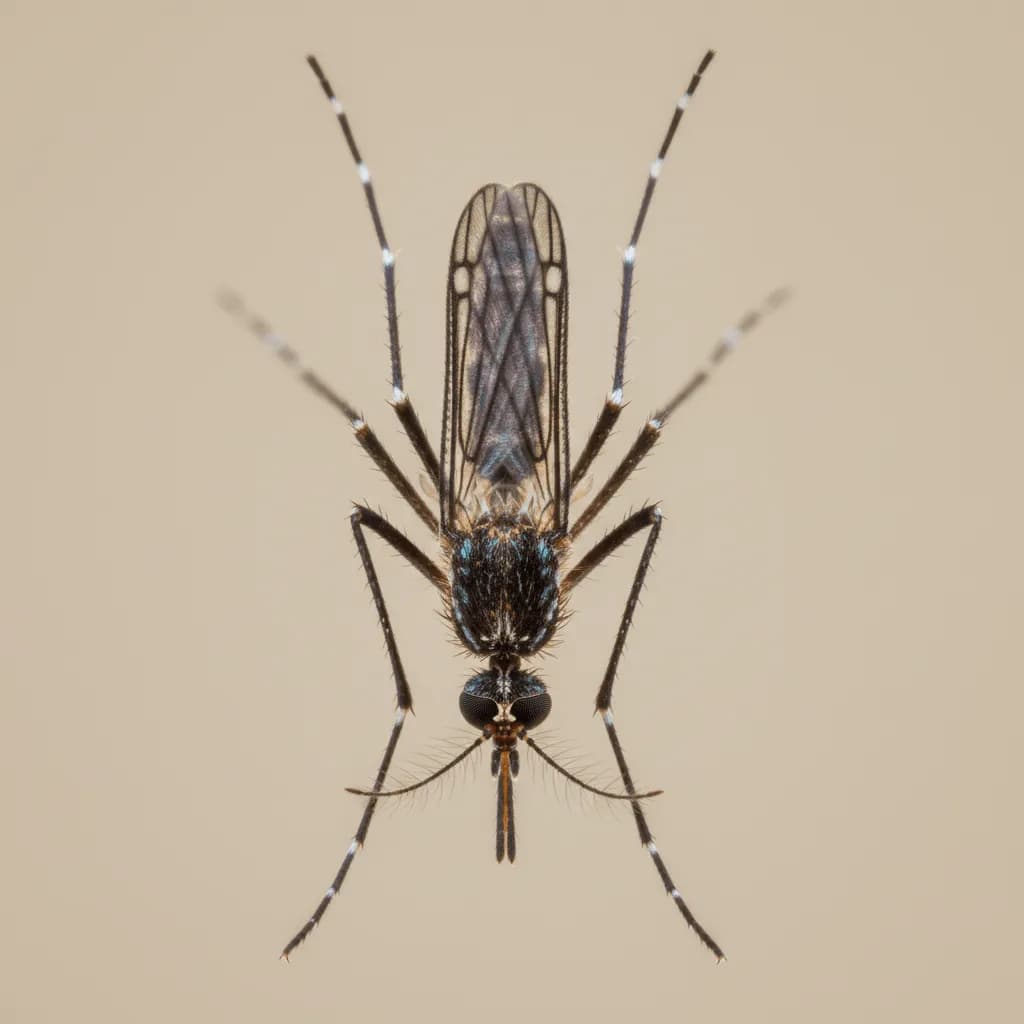
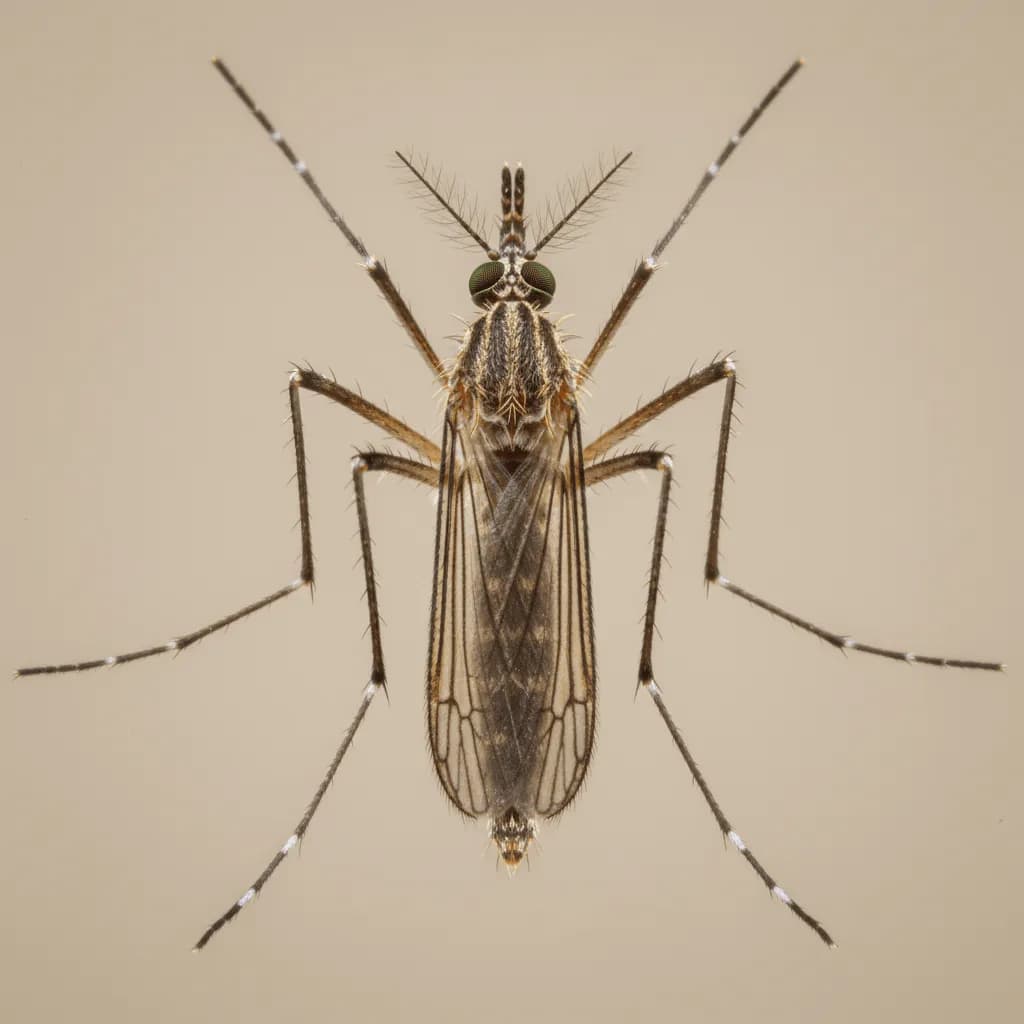
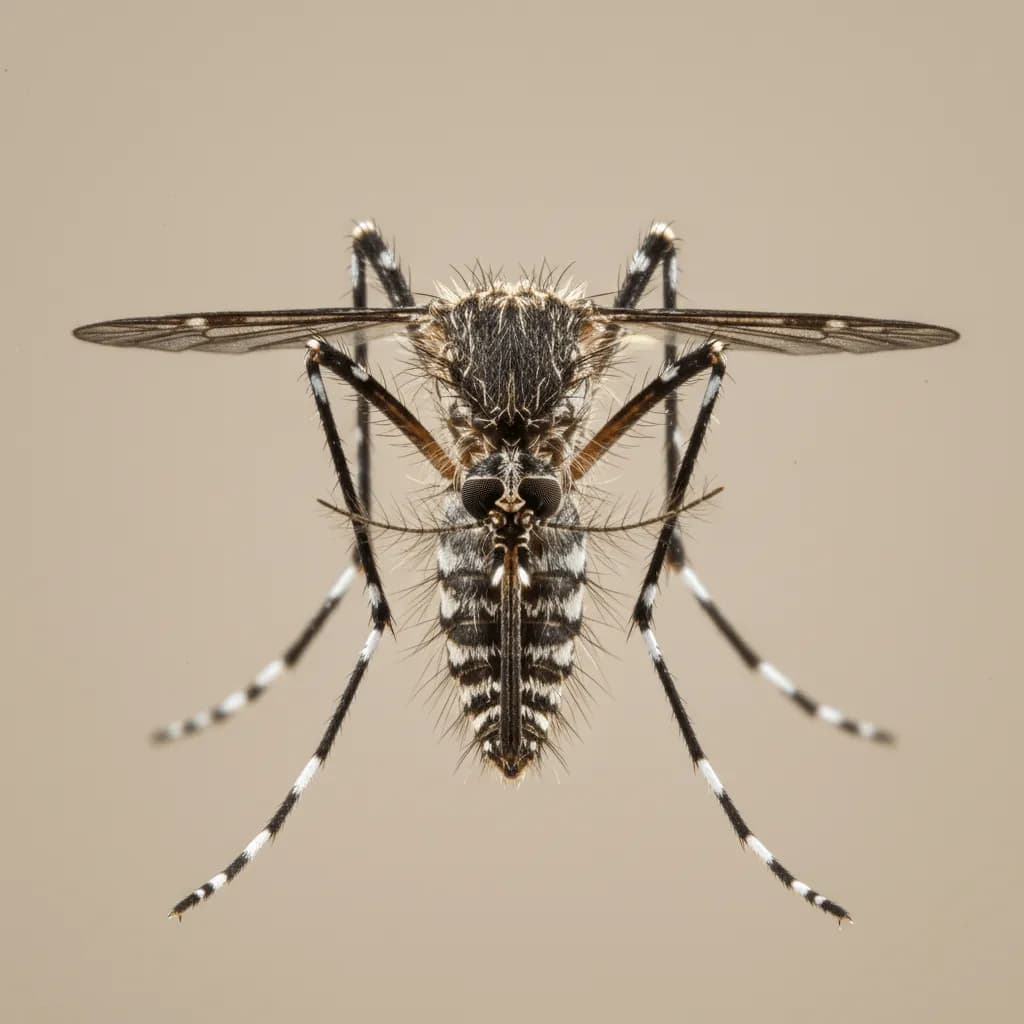
Brown with narrow white bands on the abdomen and legs
Key Trait
Abundant after flooding events; persistent biter active at dusk and after dark.
Behavior & Habitat
Aggressive dusk and nighttime biter. Breeds in temporary flood pools, and eggs can remain dormant in dry soil for years. Adults are strong fliers that can travel miles from breeding sites.
Habitat: Temporary flood pools, river floodplains, rain-filled depressions, and irrigated fields across the entire United States.
Diet: Female feeds on mammals and birds; male feeds on nectar.
Signs of Infestation
- Massive mosquito emergence 1-2 weeks after heavy rains
- Aggressive biting at dusk in areas near recent flooding
Risks & Damage
Potential bridge vector for West Nile virus; persistent biting causes significant discomfort.
Prevention Tips
- 1.Drain temporary standing water after storms
- 2.Wear protective clothing and use repellent during outbreaks
- 3.Support community mosquito abatement programs
Why DIY Treatment Often Falls Short
Floodwater mosquitoes breed across vast areas of temporary standing water. Backyard treatments address only a fraction of the problem.
Professional Treatment
Residential barrier sprays reduce adult populations on the property. Large-scale control requires aerial or truck-mounted adulticiding by mosquito abatement districts following major flood events.
Frequently Asked Questions
Why are there suddenly so many mosquitoes after rain?
How far can they fly?
Do they carry West Nile virus?
Need Help With Inland floodwater mosquito?
If you're seeing signs of inland floodwater mosquito in or around your home, professional treatment is the fastest way to stop the problem. Lotus Pest Control offers free inspections to identify the issue and recommend the right solution.
At a Glance
- Category
- Mosquitoes
- Scientific Name
- Aedes vexans
- Size
- 5-7 mm
- Color
- Brown with narrow white bands on the abdomen and legs
- Key Trait
- Abundant after flooding events; persistent biter active at dusk and after dark.
- Regions
- Midwest, South Central, Northeast, Southeast
- Threat Level
- Moderate
- Risk Types
- health
- Seasonal Activity
- MarAprMayJunJulAugSepOctNovDecJanFebnonelowmoderatehighpeak