
Mosquito
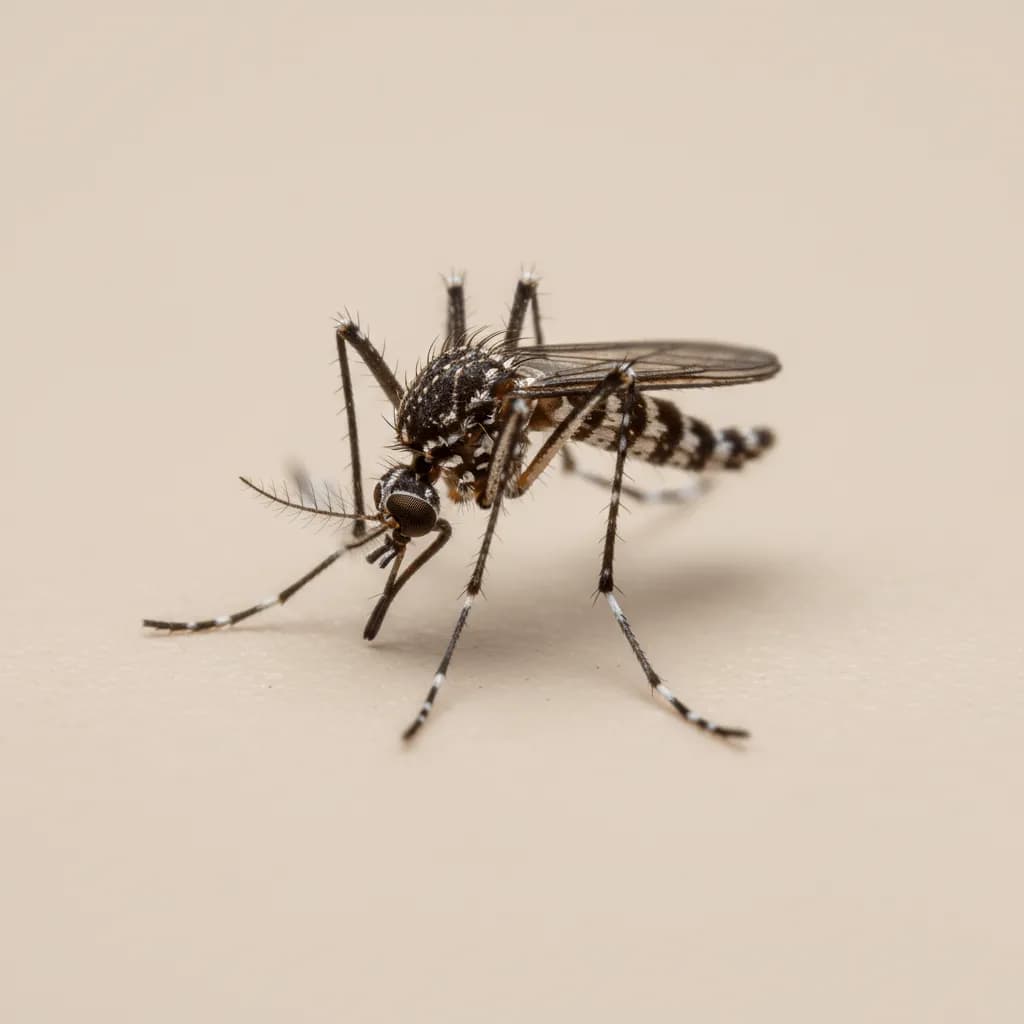
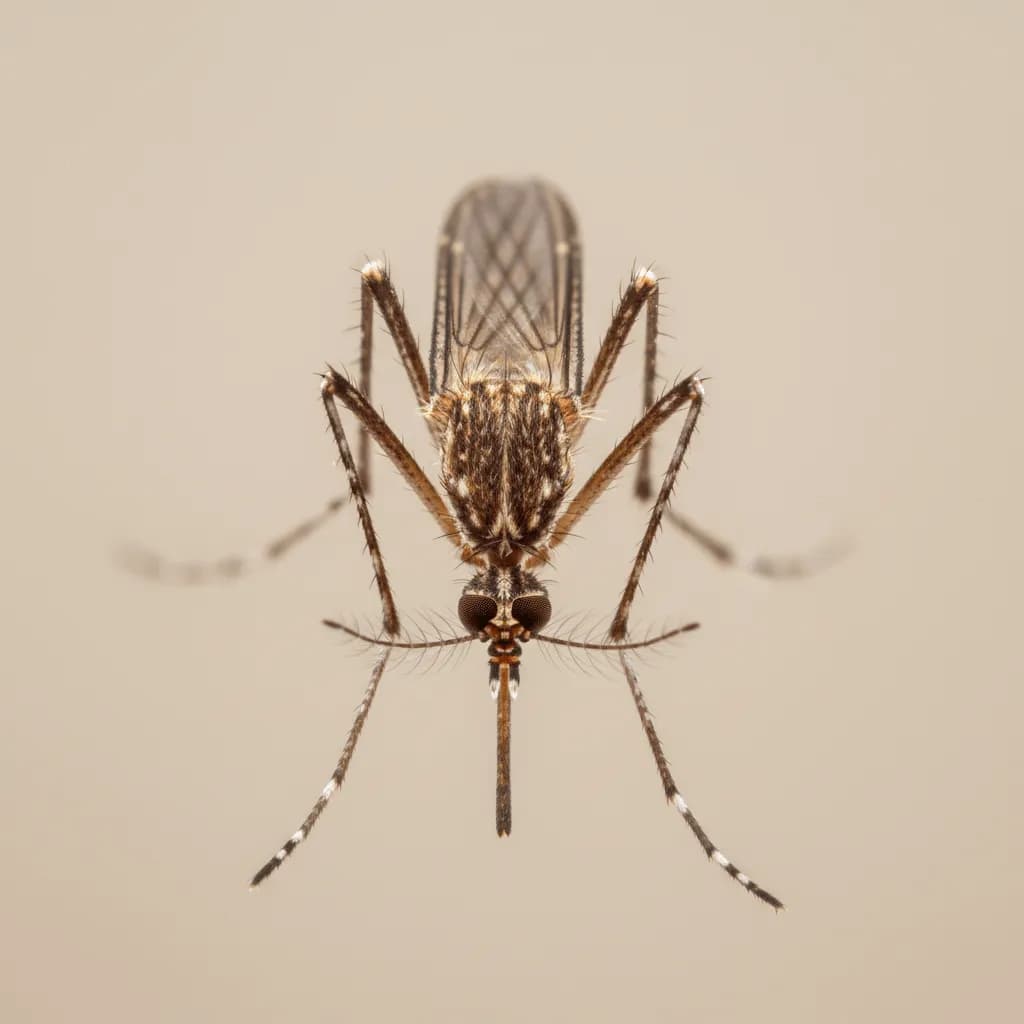
Mosquitoes are small, flying insects responsible for more human illness and death worldwide than any other animal. In the United States, they are most active from late spring through early fall, with more than 200 species identified across the country. Mosquitoes breed in standing water, and even a bottle cap's worth can be enough to support a new generation. They are vectors for serious diseases including West Nile virus, Eastern equine encephalitis, and - in certain regions - Zika and dengue. Effective mosquito management requires a combination of source reduction, barrier treatments, and personal protection.
Species Covered
10
Species Groups
5
Common Traits
Mosquitoes are two-winged insects in the family Culicidae, and only females bite - they require blood proteins to develop their eggs. They locate hosts using carbon dioxide, body heat, and chemical compounds in human sweat. Most species are crepuscular, meaning they are most active during dawn and dusk, though some species like the Asian tiger mosquito bite aggressively during daylight hours.
Species in This Category
Aedes Mosquitoes
2 species
Aedes mosquitoes include the Asian tiger mosquito and the yellow fever mosquito, two of the most medically important mosquito species in the world.
Culex Mosquitoes
2 species
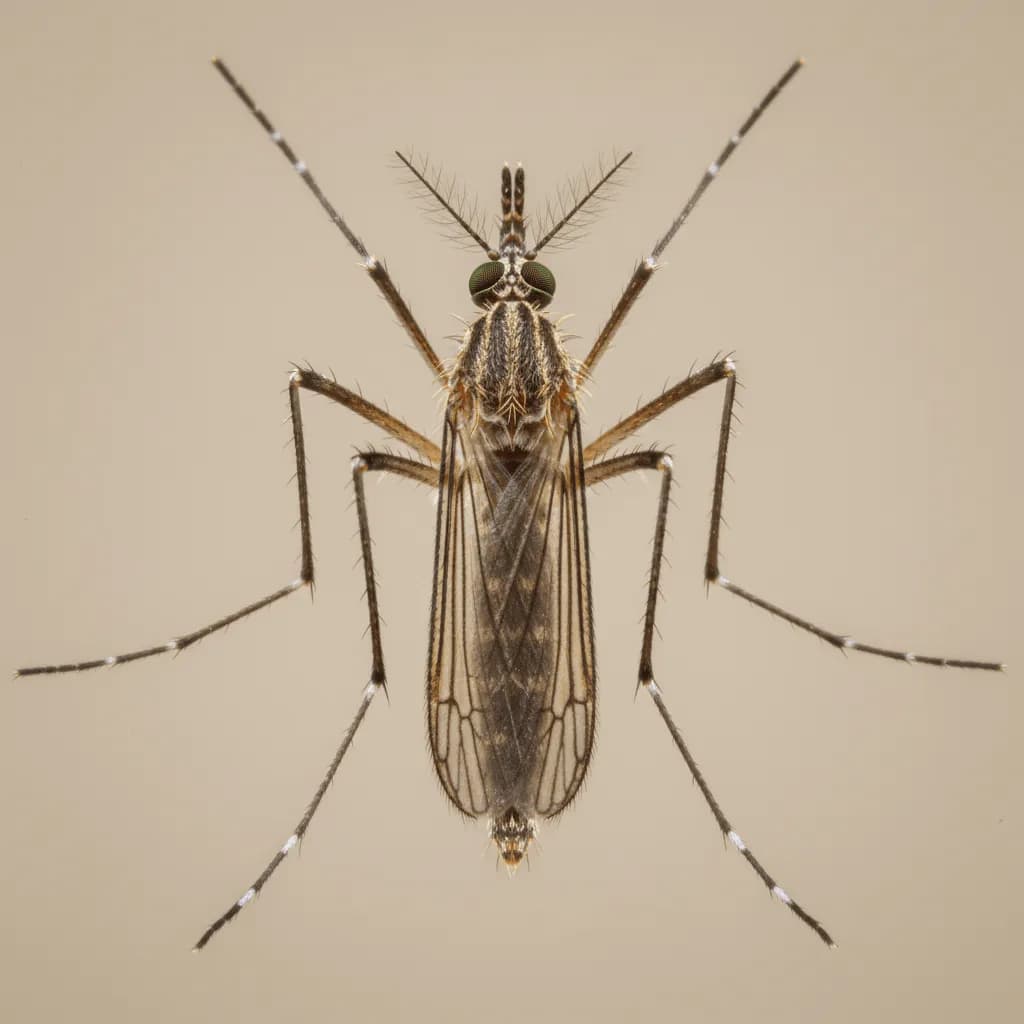
Culex mosquitoes are the most common mosquitoes in the United States and the primary vector for West Nile virus.
Anopheles Mosquitoes
2 species
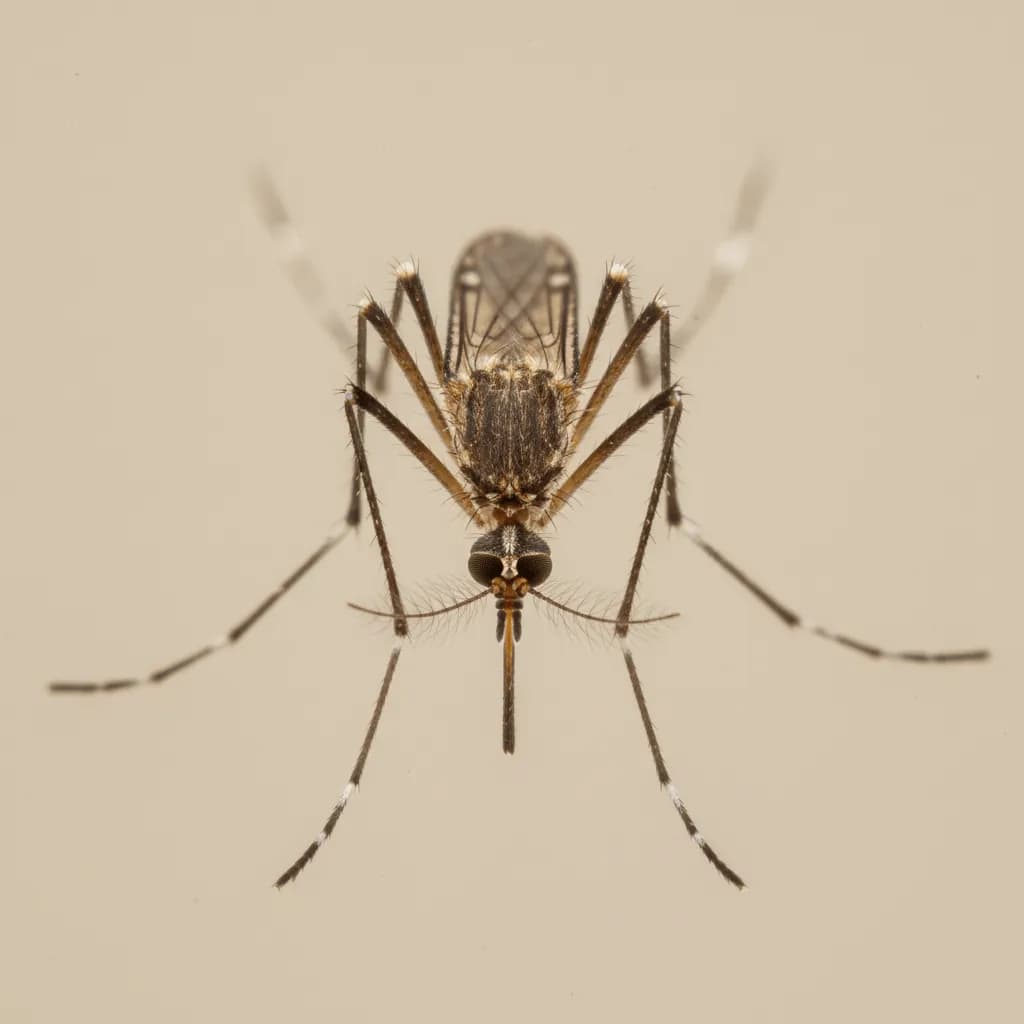
Anopheles mosquitoes are the only mosquitoes capable of transmitting malaria.
Gallinipper Mosquitoes
1 species
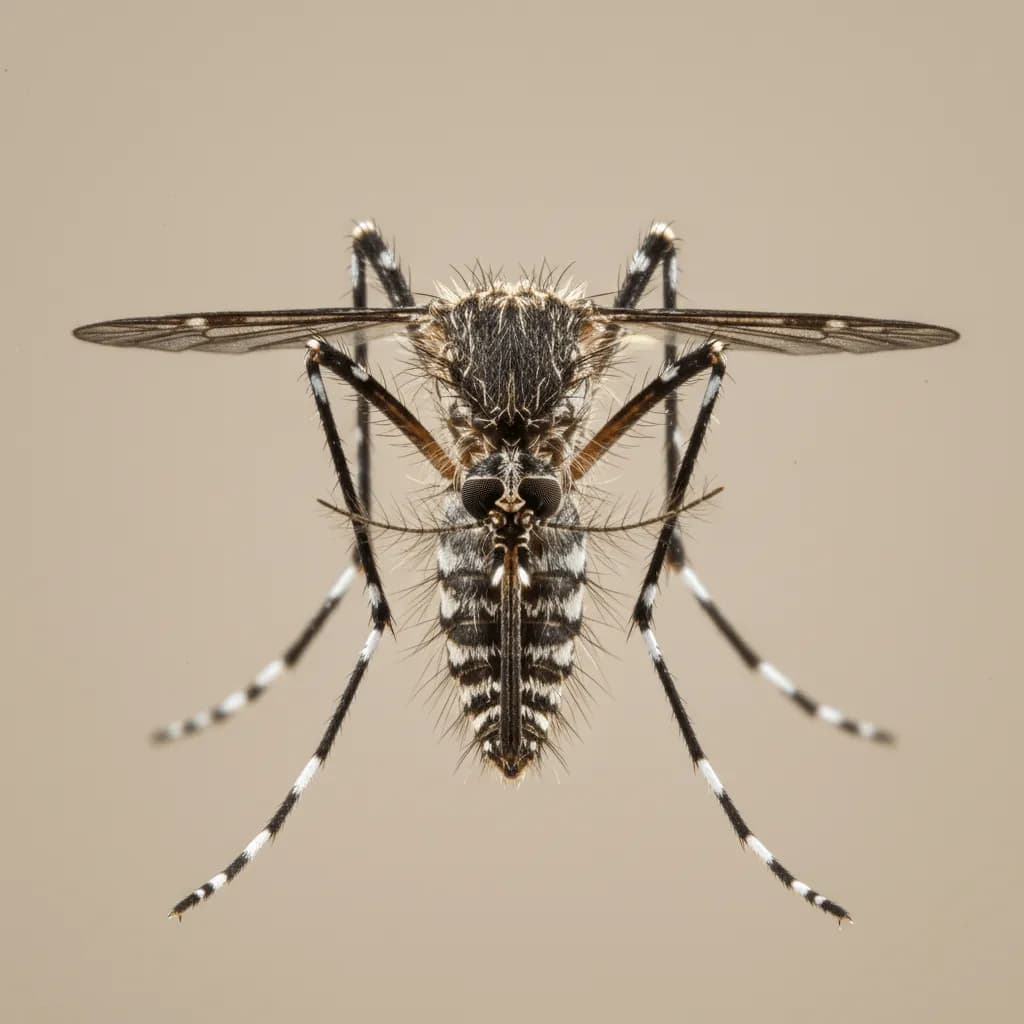
The gallinipper is a large, aggressive mosquito species notable for its size, which is several times larger than common mosquitoes.
Floodwater Mosquitoes
2 species
Floodwater mosquitoes encompass several species whose eggs hatch in response to flooding events including heavy rains, irrigation, and snowmelt.
All Mosquito
Signs of Infestation
- Frequent bites, especially during dawn, dusk, or when near shaded vegetation
- High-pitched buzzing near the ears during evening hours
- Standing water in gutters, plant saucers, birdbaths, or other containers
- Clusters of mosquitoes resting in shaded, sheltered areas during the heat of the day
- Wriggling larvae visible in stagnant water sources around the property
Prevention
The most effective mosquito prevention strategy begins with eliminating standing water where they breed. Even small amounts of stagnant water in clogged gutters, flowerpot saucers, old tires, and low spots in landscaping can produce hundreds of mosquitoes per week. Combining source reduction with professional barrier treatments and personal protective measures creates multiple layers of defense.
Frequently Asked Questions
Why do mosquitoes seem to bite some people more than others?
What diseases can I get from mosquitoes in the U.S.?
Do bug zappers work for mosquitoes?
How far do mosquitoes travel from where they breed?
How often should mosquito barrier treatments be applied?
Are professional mosquito treatments safe for my family and pets?
Need Help With Mosquito?
If you're seeing signs of mosquito in or around your home, professional treatment is the fastest way to stop the problem. Lotus Pest Control offers free inspections to identify the issue and recommend the right solution.