
Culex Mosquitoes
Culex mosquitoes are the most common mosquitoes in the United States and the primary vector for West Nile virus. The southern house mosquito and northern house mosquito are the dominant species. They are medium-sized, brownish mosquitoes that bite primarily at dusk and during the night. They breed in stagnant water in ditches, storm drains, catch basins, bird baths, abandoned swimming pools, and other standing water sources. Adult females can fly one to three miles from their breeding site to find hosts.
Species in This Group (3)
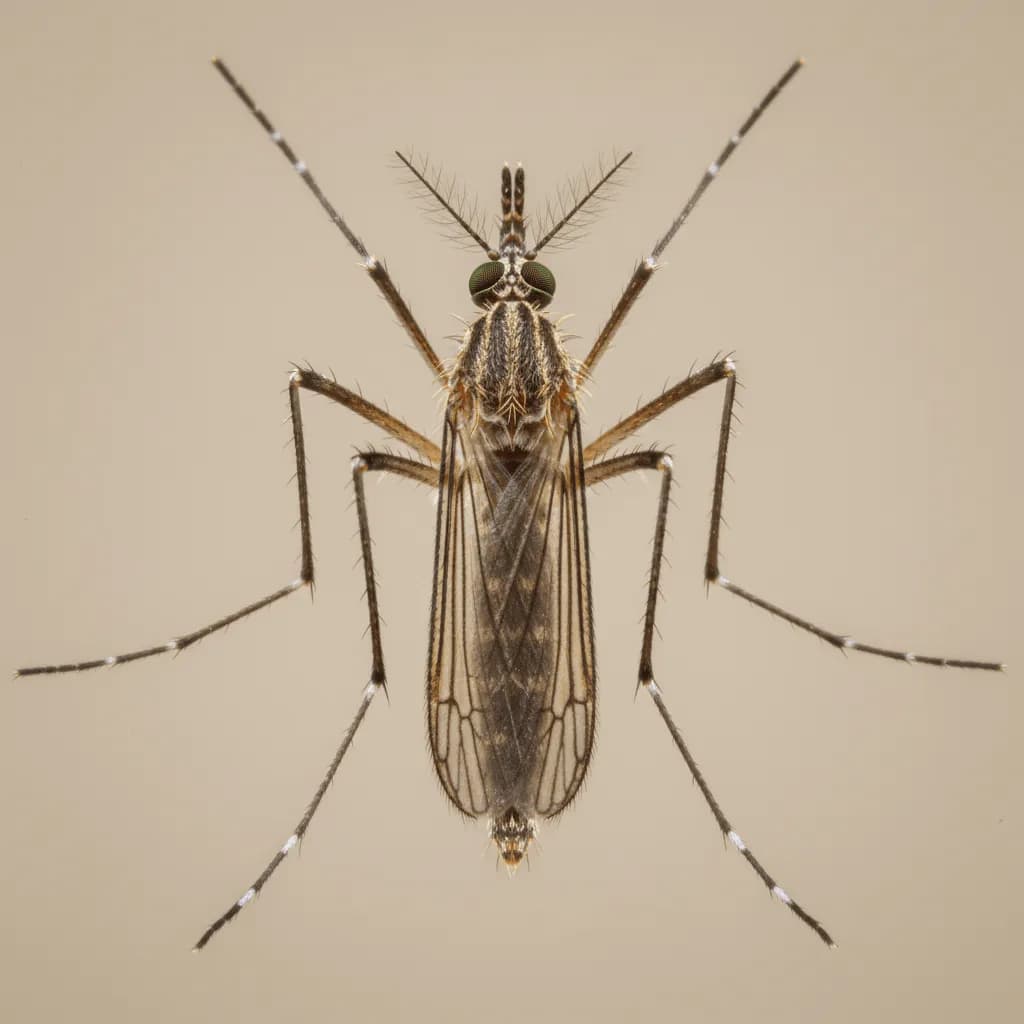
Common House Mosquito
Culex pipiens
The Common House Mosquito is the most abundant mosquito in urban and suburban areas of the northern United States.
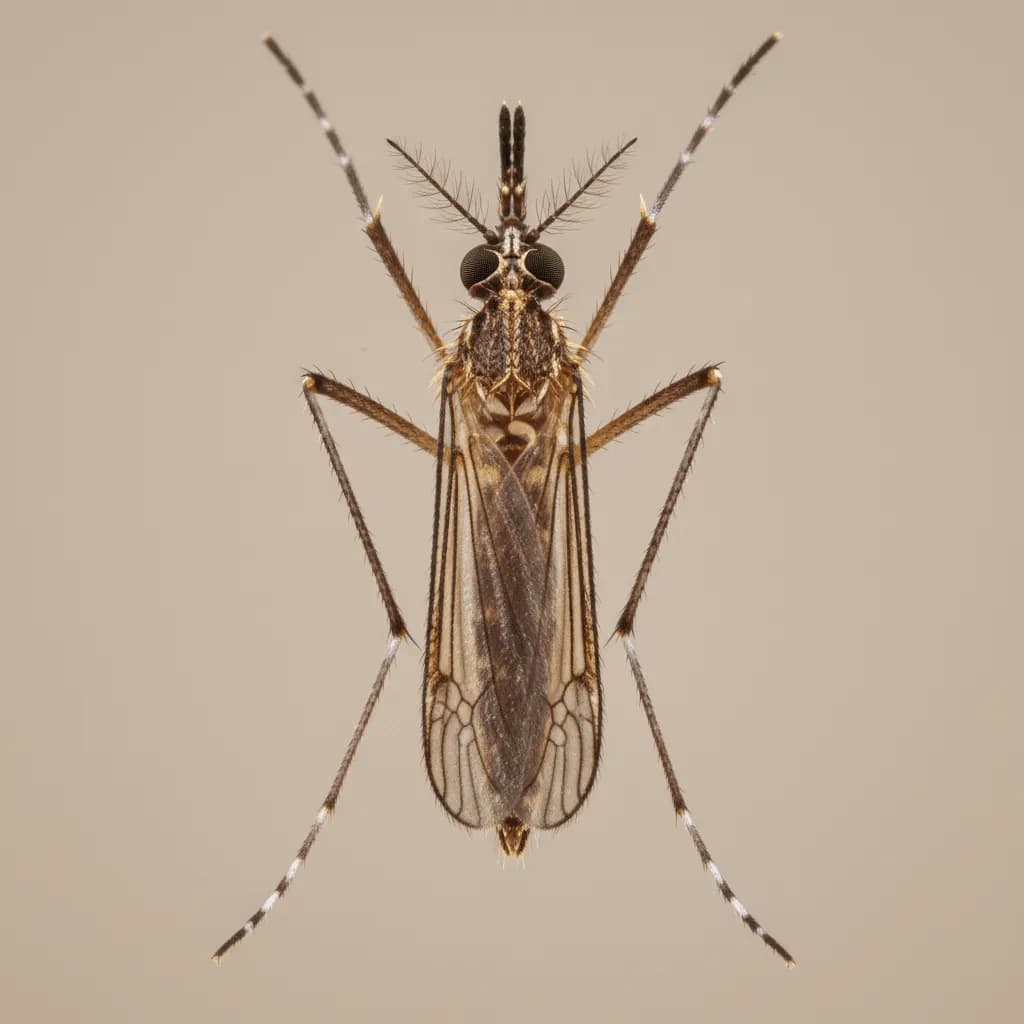
Southern House Mosquito
Culex quinquefasciatus
The Southern House Mosquito is the dominant Culex species in the southern United States.
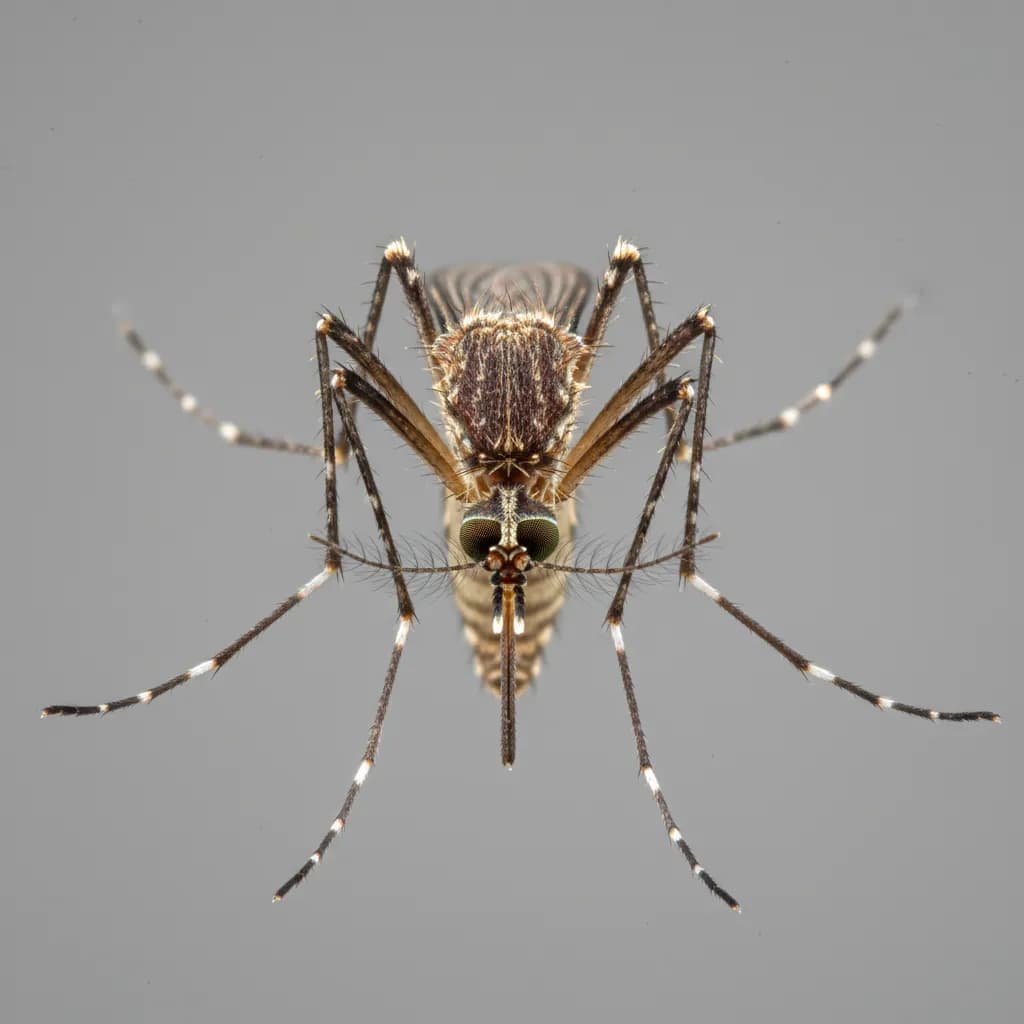
Western Encephalitis Mosquito
Culex tarsalis
The Western Encephalitis Mosquito is the most medically important mosquito species in the western United States.
Key Behaviors
Culex mosquitoes rest during the day in sheltered, shaded locations and become active at dusk. They readily enter homes through open doors and windows and are the mosquitoes most commonly heard buzzing around bedrooms at night. They breed in organically rich, stagnant water and prefer larger bodies of standing water than Aedes species. Some species overwinter as mated adults in sheltered locations.
Risks & Concerns
Culex mosquitoes are the primary vectors for West Nile virus, St. Louis encephalitis, and Western equine encephalitis in the United States. West Nile virus has caused tens of thousands of documented infections and nearly 3,000 deaths since its introduction in 1999. Their wide flight range means that breeding sites far from a property can still produce biting adults on that property.
Quick Comparison
| Species | Size | Color | Key Trait |
|---|---|---|---|
| Common House Mosquito | 3-7 mm | Brown with lighter banding on the abdomen | Plain brown coloring; active at dusk and dawn; primary vector of West Nile virus in northern states. |
| Southern House Mosquito | 3-7 mm | Brown with pale banding on abdomen, similar to the northern species | Southern counterpart to Culex pipiens; primary West Nile virus vector in the South. |
| Western Encephalitis Mosquito | 4-5.5 mm | Brown with a distinctive white band across the center of the proboscis and white-banded tarsal segments | Most important vector of Western Equine Encephalitis and St. Louis Encephalitis west of the Mississippi; prominent white band on proboscis; crepuscular and nocturnal biting habits. |
Need Help With Culex mosquitoes?
If you're seeing signs of culex mosquitoes in or around your home, professional treatment is the fastest way to stop the problem. Lotus Pest Control offers free inspections to identify the issue and recommend the right solution.