
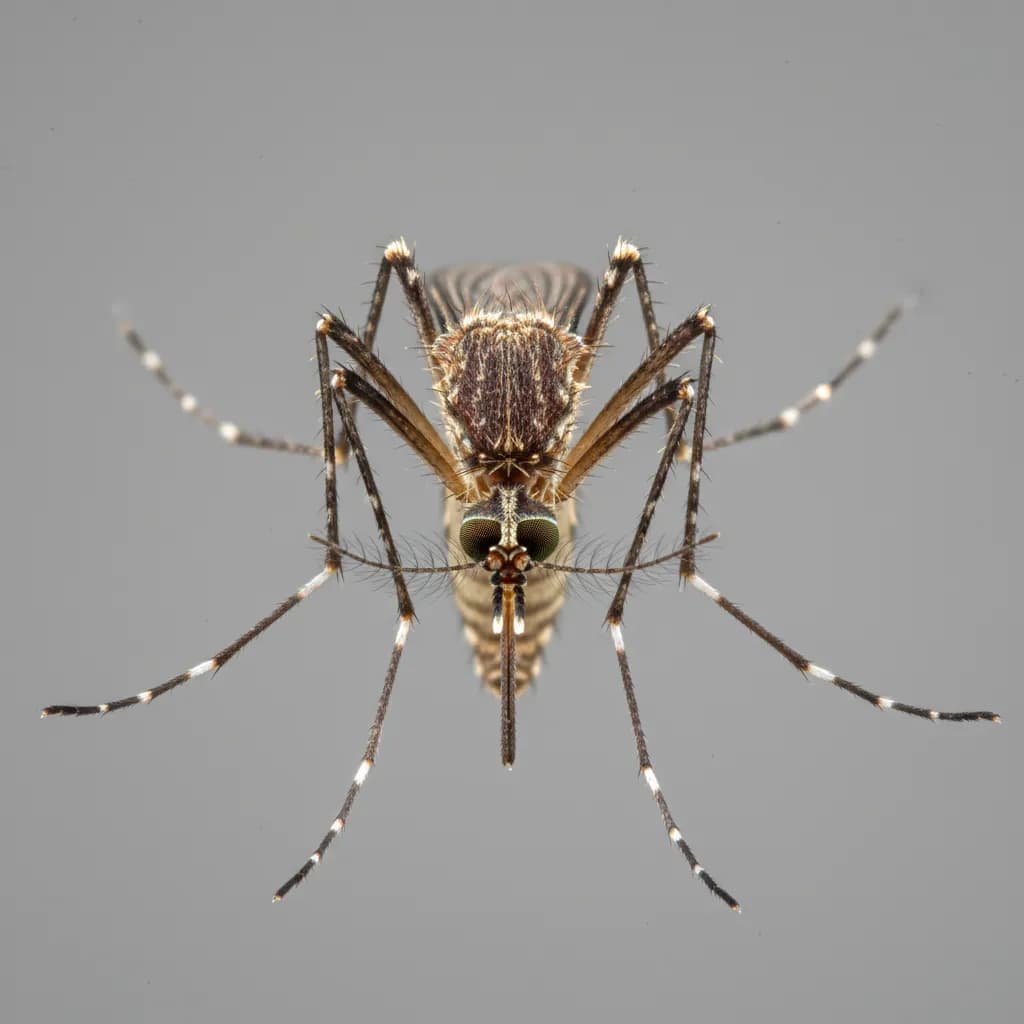
Western Encephalitis Mosquito
Culex tarsalis
The Western Encephalitis Mosquito is the most medically important mosquito species in the western United States. It is the primary vector of Western Equine Encephalitis (WEE), St. Louis Encephalitis (SLE), and West Nile virus throughout the western states. It breeds in a wide variety of freshwater habitats including irrigated agricultural land.
Identification
Size
4-5.5 mm
Color
Brown with a distinctive white band across the center of the proboscis and white-banded tarsal segments
Key Trait
Most important vector of Western Equine Encephalitis and St. Louis Encephalitis west of the Mississippi; prominent white band on proboscis; crepuscular and nocturnal biting habits.
Behavior & Habitat
Primarily a crepuscular and nocturnal biter. Feeds on birds in spring and early summer, then shifts to mammals in late summer, making it an effective bridge vector for bird-to-human disease transmission. Strong flier capable of dispersing several miles.
Habitat: Breeds in irrigated fields, ditches, rice paddies, stock ponds, freshwater marshes, and other standing freshwater throughout the western U.S. Adults rest in vegetation, sheltered areas, and animal burrows.
Diet: Females feed on blood from birds and mammals. Important bridge vector because feeding preference shifts from birds (spring) to mammals (late summer). Both sexes feed on nectar.
Signs of Infestation
- Mosquito bites occurring primarily at dusk and after dark in rural and suburban western areas
- Mosquitoes resting in sheltered outdoor areas during daylight hours
- Local public health alerts for West Nile virus or encephalitis activity
Risks & Damage
Primary vector of West Nile virus, Western Equine Encephalitis, and St. Louis Encephalitis in the western United States.
Vector of West Nile virus which can also affect horses and other animals.
Prevention Tips
- 1.Use DEET or picaridin-based repellents during evening outdoor activities
- 2.Drain or treat standing water on your property including stock tanks and irrigation runoff
- 3.Install and maintain window and door screens to prevent entry during peak biting hours
Why DIY Treatment Often Falls Short
Breeding habitats are often large-scale agricultural irrigation systems and natural water features beyond individual property control. The species disperses miles from breeding sites.
Professional Treatment
Managed primarily through mosquito abatement district programs involving surveillance, larviciding of breeding habitats, and targeted adulticiding during disease activity. Property-level treatments provide supplemental protection.
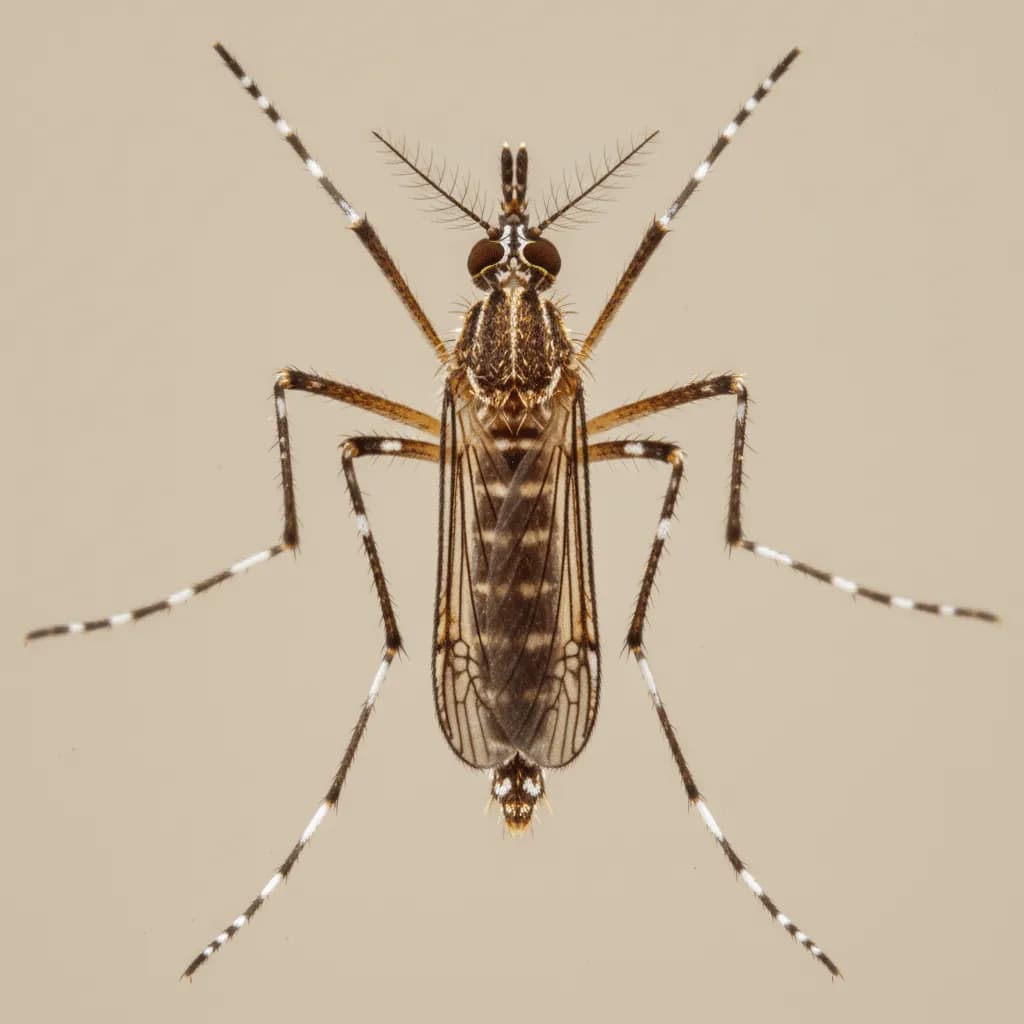
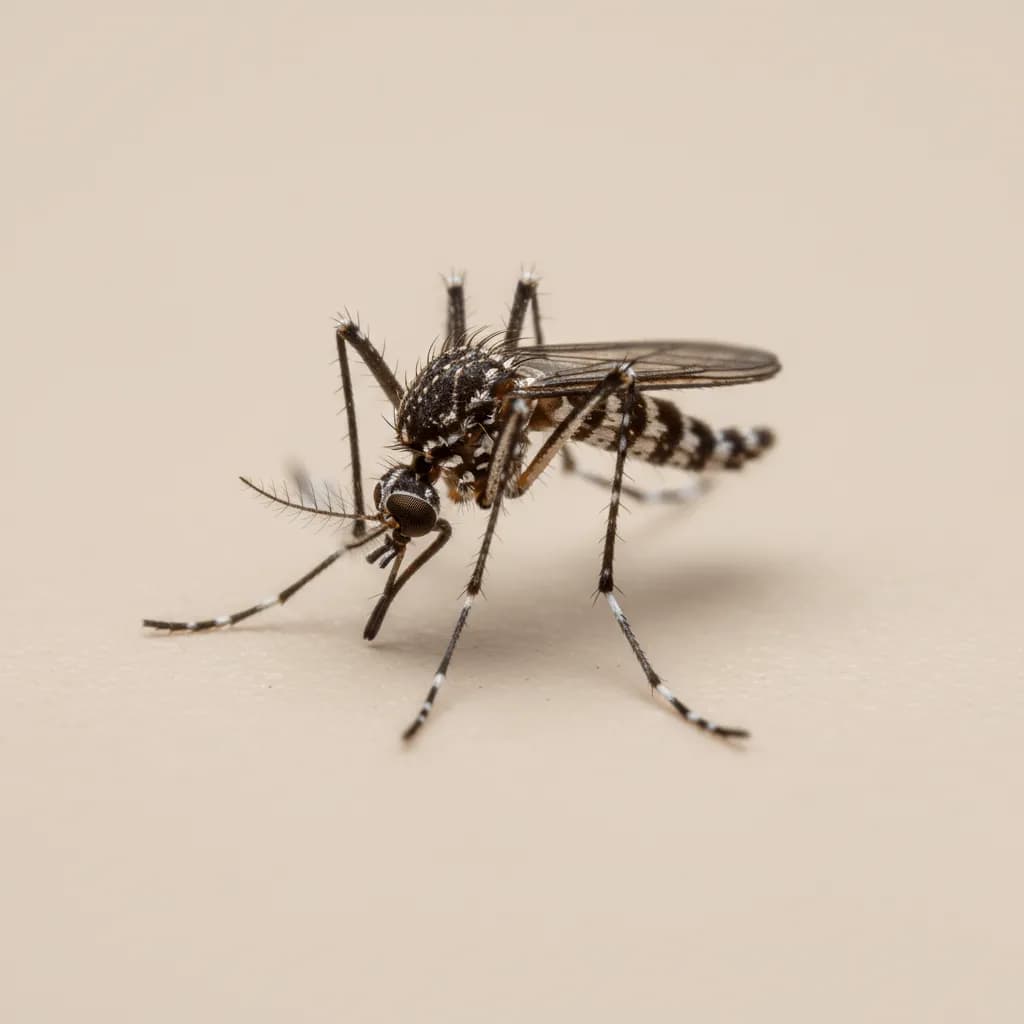
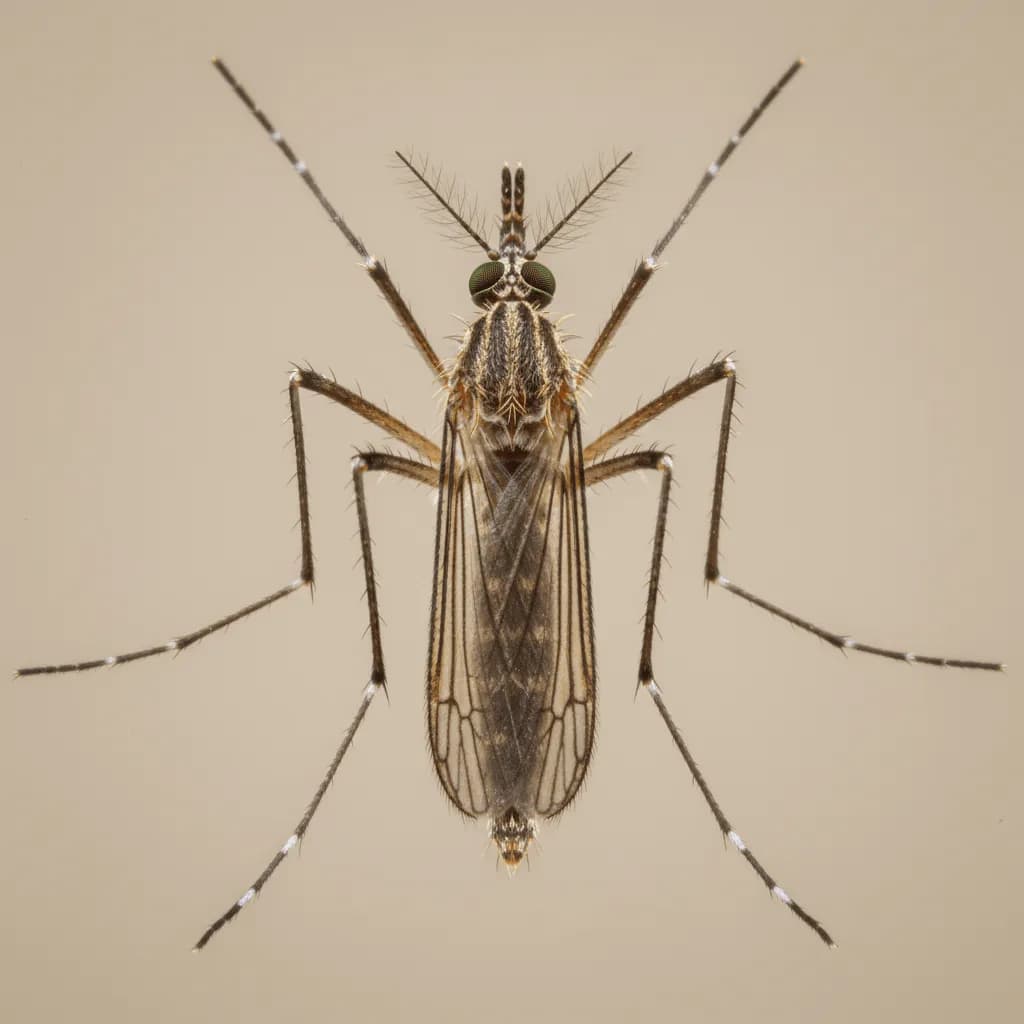
Related Pests
Frequently Asked Questions
Why is it called the encephalitis mosquito?
When am I most at risk?
Is West Nile virus a concern in my area?
Need Help With Western encephalitis mosquito?
If you're seeing signs of western encephalitis mosquito in or around your home, professional treatment is the fastest way to stop the problem. Lotus Pest Control offers free inspections to identify the issue and recommend the right solution.
At a Glance
- Category
- Mosquitoes
- Scientific Name
- Culex tarsalis
- Size
- 4-5.5 mm
- Color
- Brown with a distinctive white band across the center of the proboscis and white-banded tarsal segments
- Key Trait
- Most important vector of Western Equine Encephalitis and St. Louis Encephalitis west of the Mississippi; prominent white band on proboscis; crepuscular and nocturnal biting habits.
- Regions
- West Coast, Great Plains, Mountain West, Southwest, Pacific Northwest
- Threat Level
- High
- Risk Types
- healthpets
- Seasonal Activity
- MarAprMayJunJulAugSepOctNovDecJanFebnonelowmoderatehighpeak