
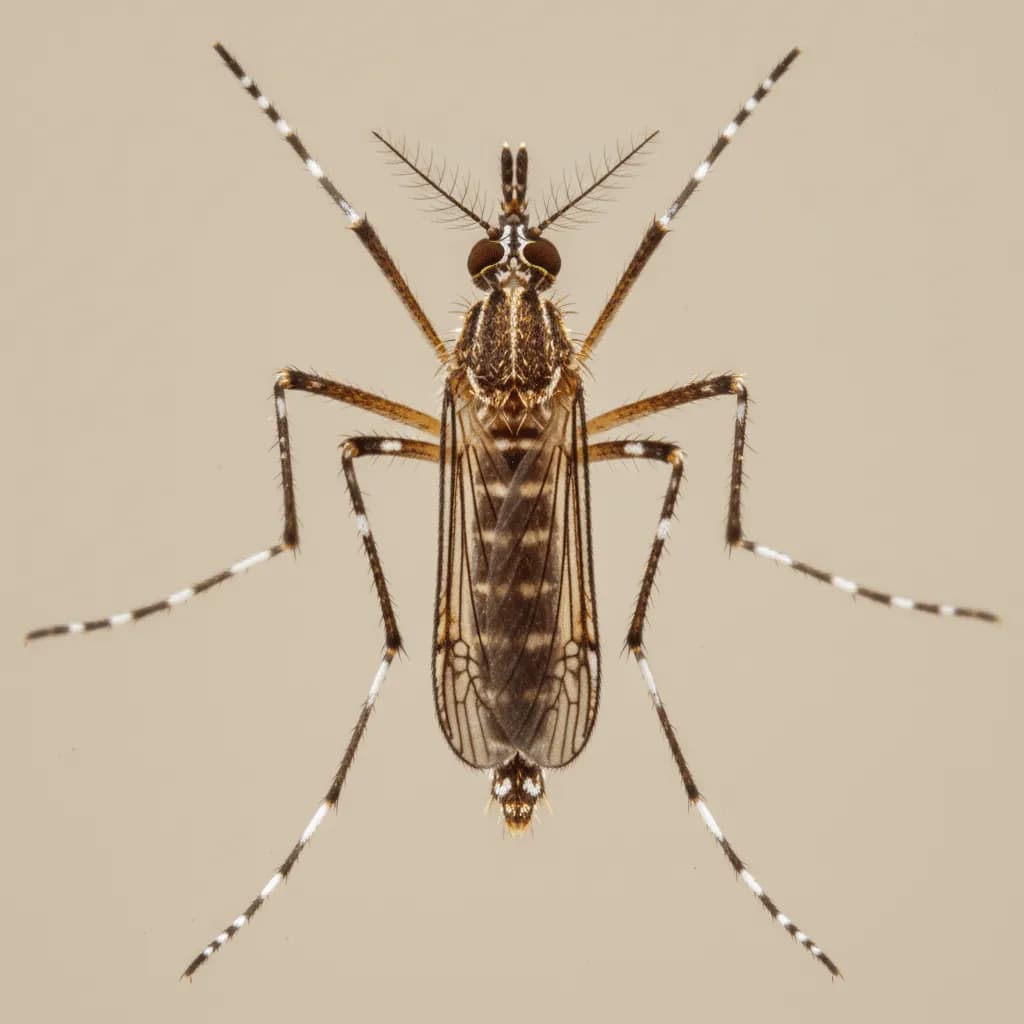
Eastern Saltmarsh Mosquito
Aedes sollicitans
Also known as: Saltmarsh Mosquito
The Eastern Saltmarsh Mosquito is one of the most abundant and aggressive biting mosquitoes along the Atlantic and Gulf coasts. It breeds in enormous numbers in coastal salt marshes and can fly remarkable distances of up to 40 miles inland in search of blood meals. It is a major nuisance pest and can transmit Eastern Equine Encephalitis virus.
Identification
Size
4-6 mm
Color
Brown with golden-yellow scales on the abdomen and banded legs; distinctive white bands on the proboscis
Key Trait
Strong, aggressive biter that can fly up to 40 miles from coastal breeding sites; golden-banded abdomen; breeds in saltmarsh and brackish water habitats.
Behavior & Habitat
Aggressive daytime and crepuscular biter. Capable of flying up to 40 miles from breeding sites, making it a pest far inland from coastal marshes. Breeds in enormous numbers following tidal flooding of salt marshes. Can bite through light clothing.
Habitat: Breeds in coastal salt marshes, brackish water pools, and tidal areas along the Atlantic and Gulf coasts. Adults disperse widely, reaching suburban and urban areas many miles inland.
Diet: Females require blood meals from mammals, birds, and reptiles for egg development. Both sexes feed on nectar and plant juices.
Signs of Infestation
- Sudden appearance of large numbers of aggressive biting mosquitoes near coastal areas
- Heavy mosquito activity during daytime hours, not just dusk and dawn
- Bites received even through light clothing fabric
Risks & Damage
Vector of Eastern Equine Encephalitis (EEE) virus and a potential bridge vector for other arboviruses between birds and humans.
Extremely aggressive biter that appears in enormous numbers following tidal flooding events.
Prevention Tips
- 1.Use DEET or picaridin-based repellents when outdoors in coastal areas
- 2.Wear long sleeves and pants of tightly woven fabric to prevent bites through clothing
- 3.Support local mosquito abatement district control programs targeting salt marsh breeding sites
Why DIY Treatment Often Falls Short
Breeding sites are large-scale tidal salt marshes miles away from the affected property. Individual homeowner control efforts cannot address the massive coastal breeding habitat that produces these mosquitoes.
Professional Treatment
Large-scale control is managed by mosquito abatement districts using aerial larviciding of salt marsh habitats and targeted adulticiding during population surges. Property-level barrier treatments provide temporary relief.
Related Pests
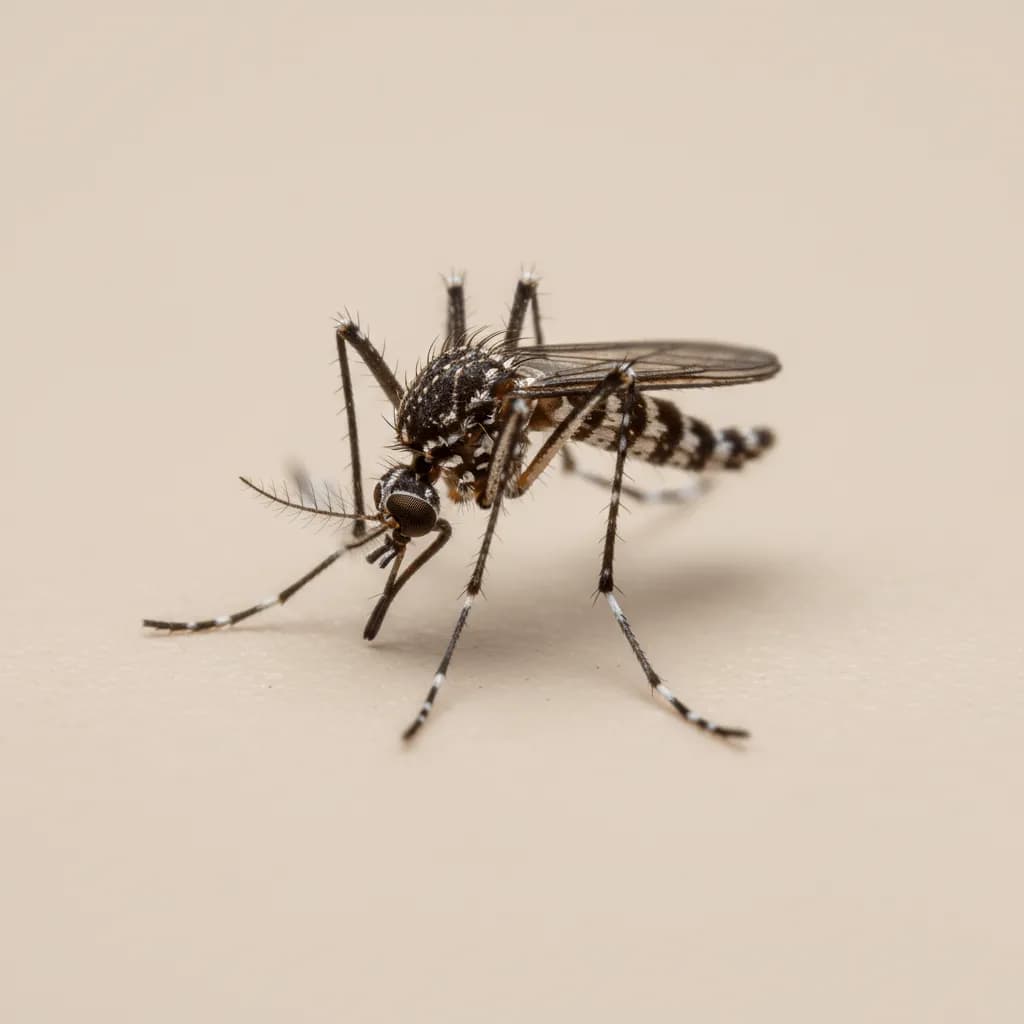
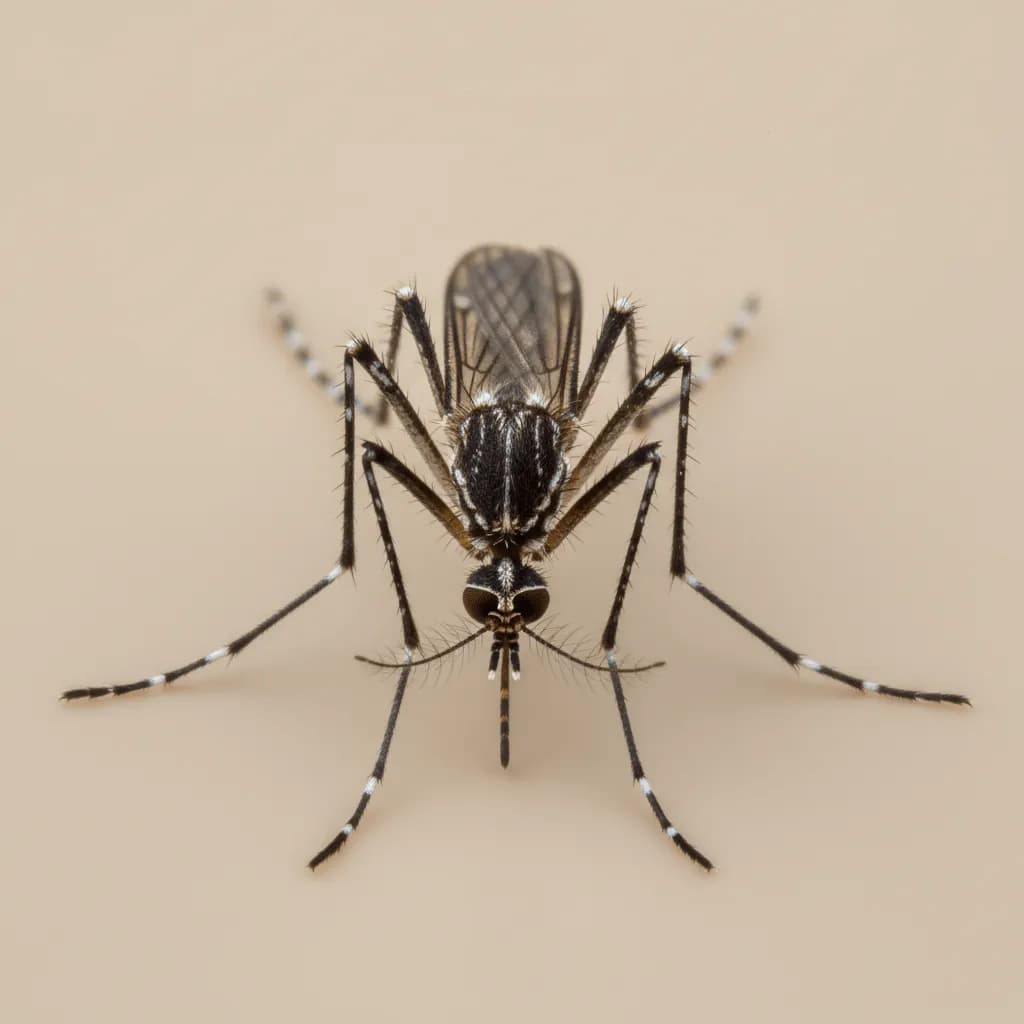
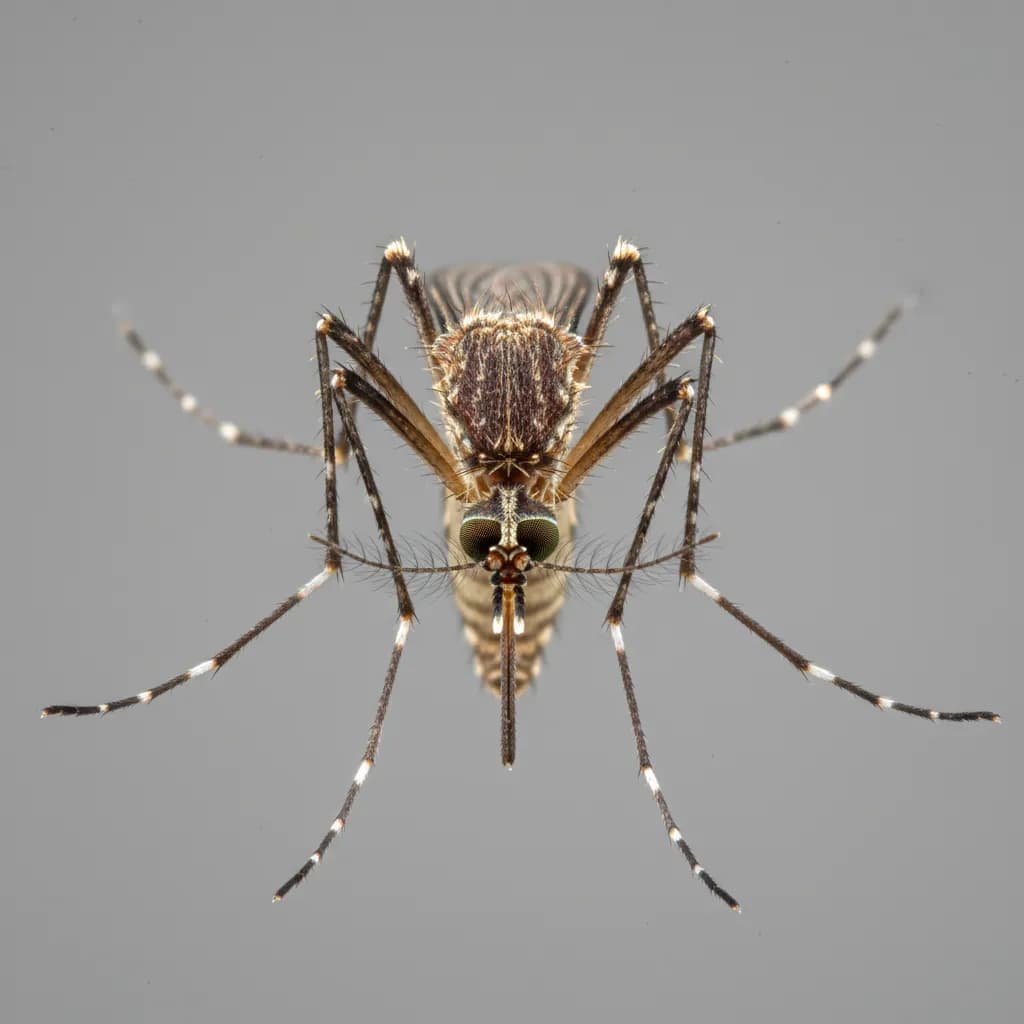
Frequently Asked Questions
Why are there suddenly so many mosquitoes?
How far can they fly?
Can they transmit diseases?
Need Help With Eastern saltmarsh mosquito?
If you're seeing signs of eastern saltmarsh mosquito in or around your home, professional treatment is the fastest way to stop the problem. Lotus Pest Control offers free inspections to identify the issue and recommend the right solution.
At a Glance
- Category
- Mosquitoes
- Scientific Name
- Aedes sollicitans
- Size
- 4-6 mm
- Color
- Brown with golden-yellow scales on the abdomen and banded legs; distinctive white bands on the proboscis
- Key Trait
- Strong, aggressive biter that can fly up to 40 miles from coastal breeding sites; golden-banded abdomen; breeds in saltmarsh and brackish water habitats.
- Regions
- Gulf Coast, Southeast, Mid Atlantic, Northeast
- Threat Level
- Moderate
- Risk Types
- healthnuisance
- Seasonal Activity
- MarAprMayJunJulAugSepOctNovDecJanFebnonelowmoderatehighpeak