
Acrobat Ants
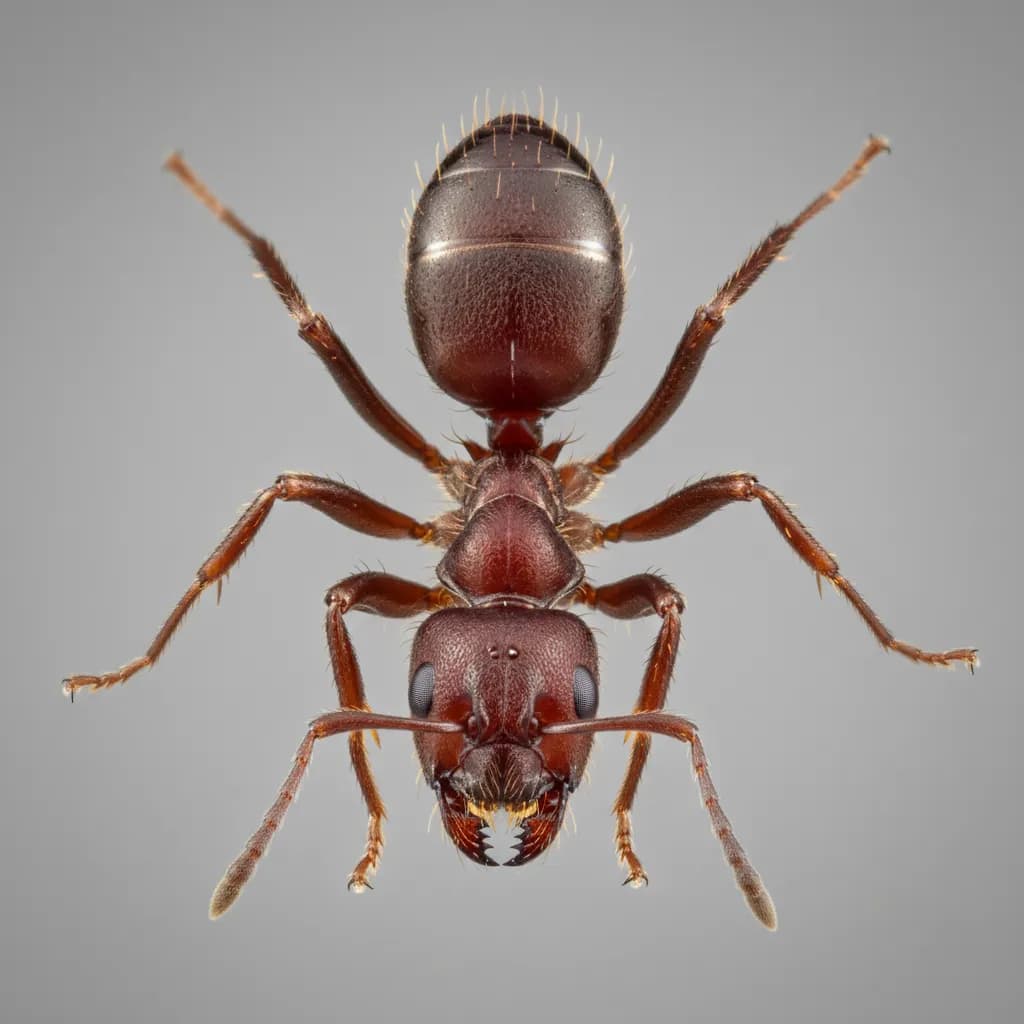
Acrobat ants get their common name from their unique defensive posture of raising their heart-shaped abdomen over their head and thorax when disturbed. They are small to medium-sized ants that commonly nest in moisture-damaged wood, abandoned carpenter ant and termite galleries, and foam insulation. Colonies typically contain a single queen and several thousand workers. They frequently enter homes through gaps around utility lines, window frames, and door thresholds. While not as destructive as carpenter ants, they can expand existing galleries in damaged wood.
Species in This Group (1)
Key Behaviors
Acrobat ants trail along tree limbs, utility lines, and fence rails to access structures, often entering at the roofline. They feed on honeydew from aphids and mealybugs as well as household sweets and proteins. When disturbed, workers adopt their characteristic abdomen-raised posture and may emit a foul odor.
Risks & Concerns
Acrobat ants are primarily a nuisance pest but can strip insulation from electrical wiring in wall voids, creating short circuit and fire risks. Their presence in wood often indicates pre-existing moisture damage or prior carpenter ant or termite activity. They can bite when handled but do not pose a health risk.
Need Help With Acrobat ants?
If you're seeing signs of acrobat ants in or around your home, professional treatment is the fastest way to stop the problem. Lotus Pest Control offers free inspections to identify the issue and recommend the right solution.