
Ant
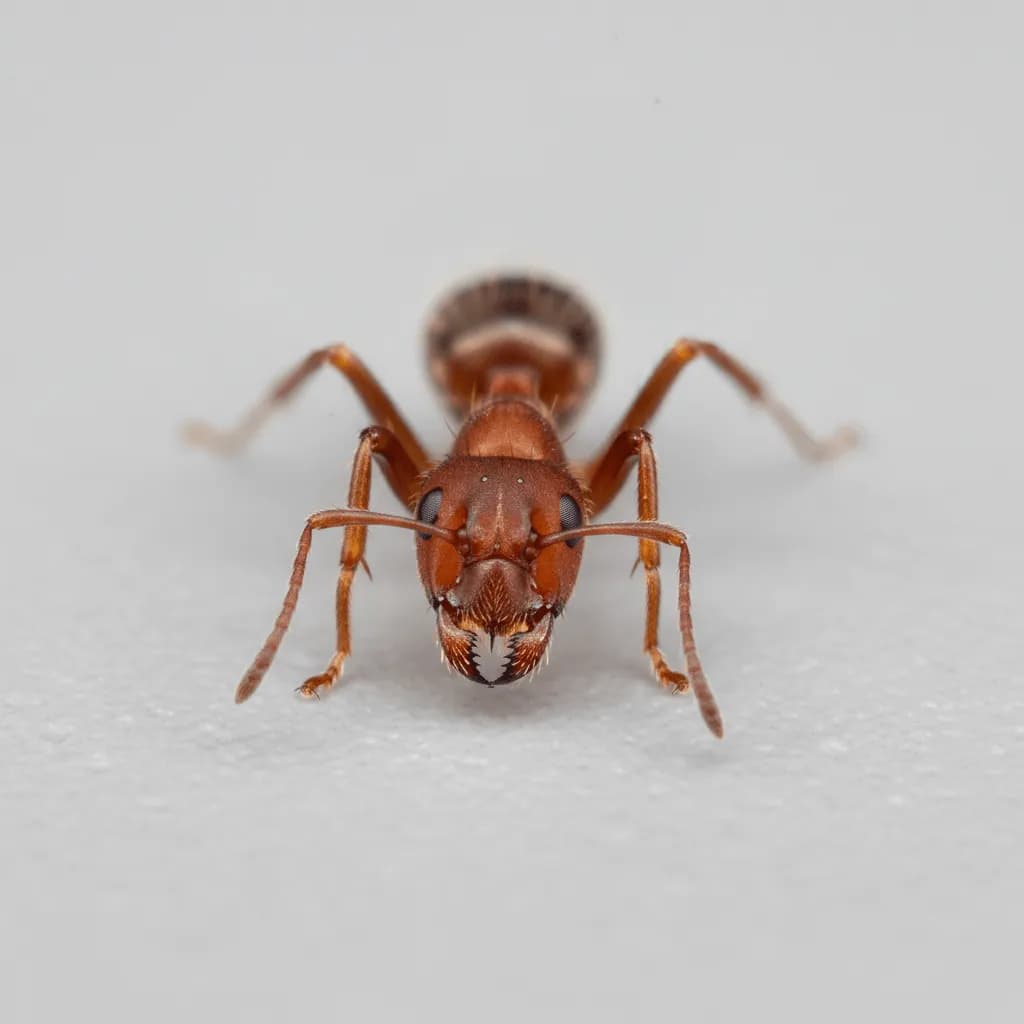
Ants are among the most common household pests in the United States, with more than 700 species found across the country. They live in highly organized colonies that can range from a few dozen individuals to hundreds of thousands, depending on the species. Most ant species are attracted to food sources inside homes, particularly sweets, proteins, and greasy substances. While many species are primarily a nuisance, some - like carpenter ants and fire ants - can cause structural damage or deliver painful stings. Understanding which species you are dealing with is critical, because treatment strategies vary widely between types.
Species Covered
20
Species Groups
15
Common Traits
All ants are social insects that live in structured colonies with one or more queens, workers, and sometimes soldiers. They communicate through chemical pheromone trails, which is why you often see them marching in long, organized lines toward a food source. Most species are omnivorous and remarkably persistent once they have identified a reliable food or water supply inside a structure.
Species in This Category
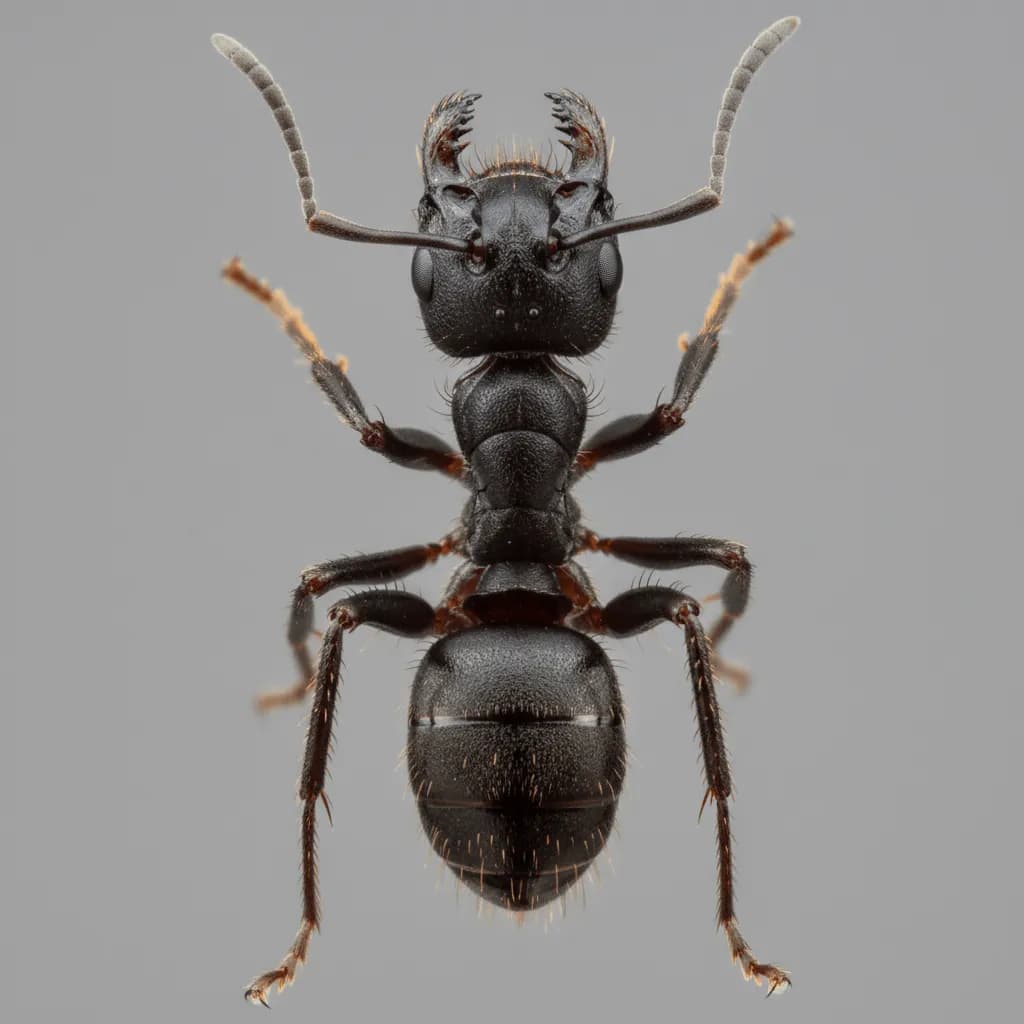
Carpenter Ants
4 species
Carpenter ants are among the largest ants in North America, with workers ranging from 6 to 13 mm in length.
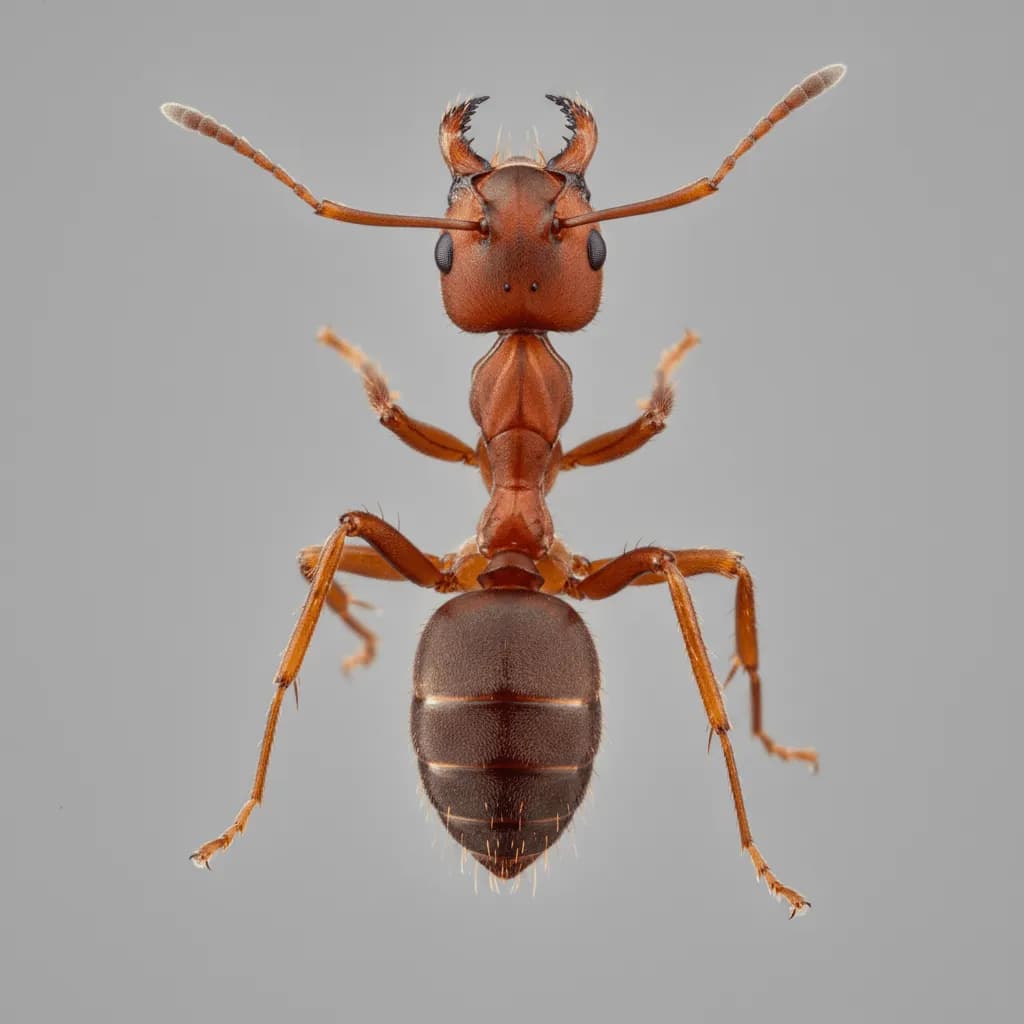
Fire Ants
4 species
Fire ants are aggressive, mound-building ants known for their painful, venomous stings.
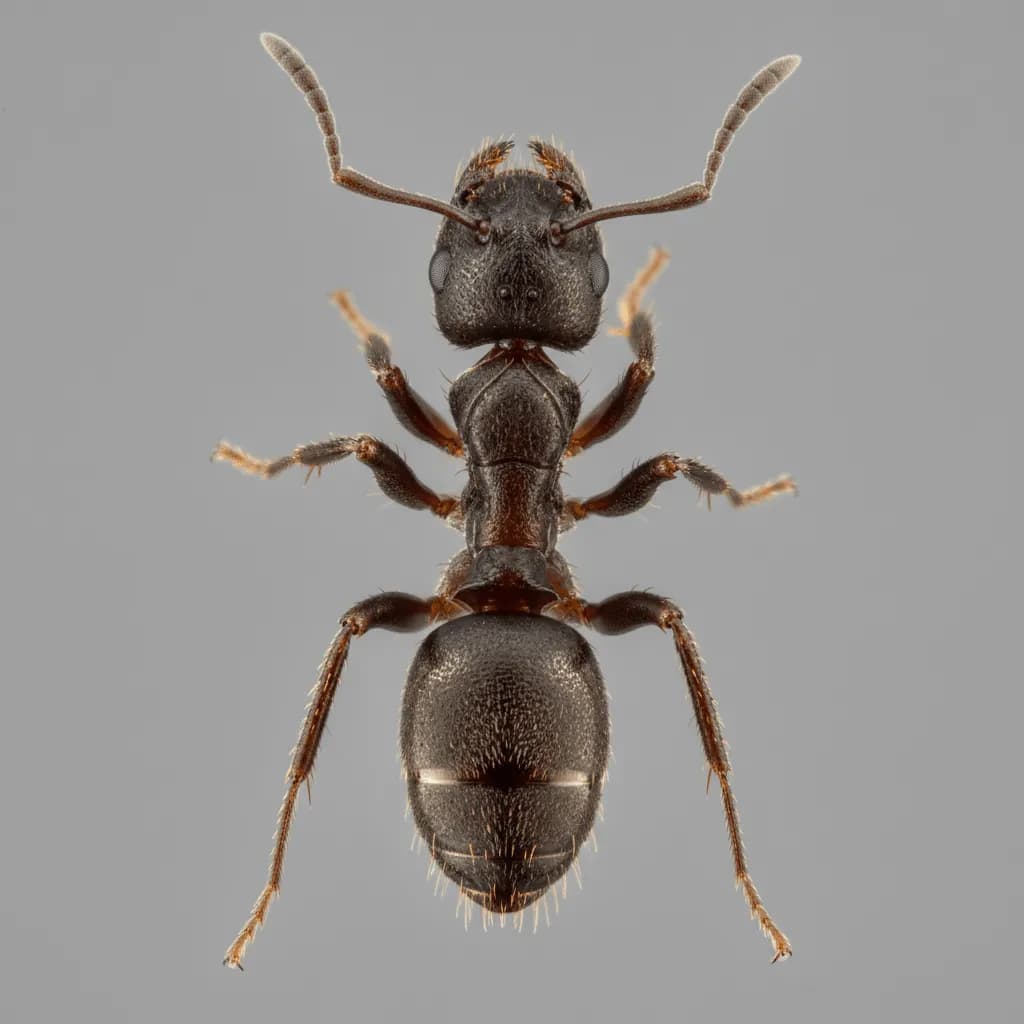
Odorous House Ants
1 species
Odorous house ants are one of the most common household-invading ant species in the United States.
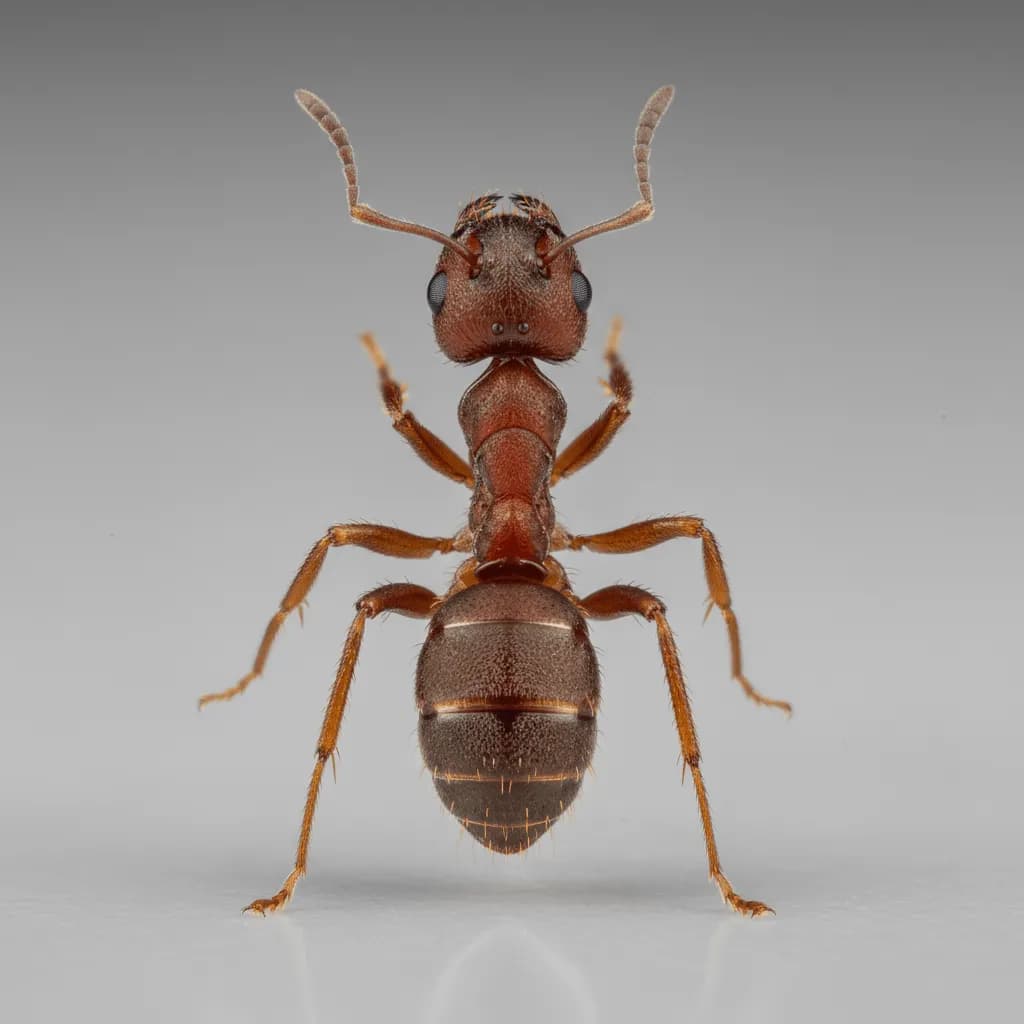
Pavement Ants
1 species
Pavement ants are small, dark brown to black ants that typically nest in soil beneath pavement, sidewalks, driveways, and building foundations.
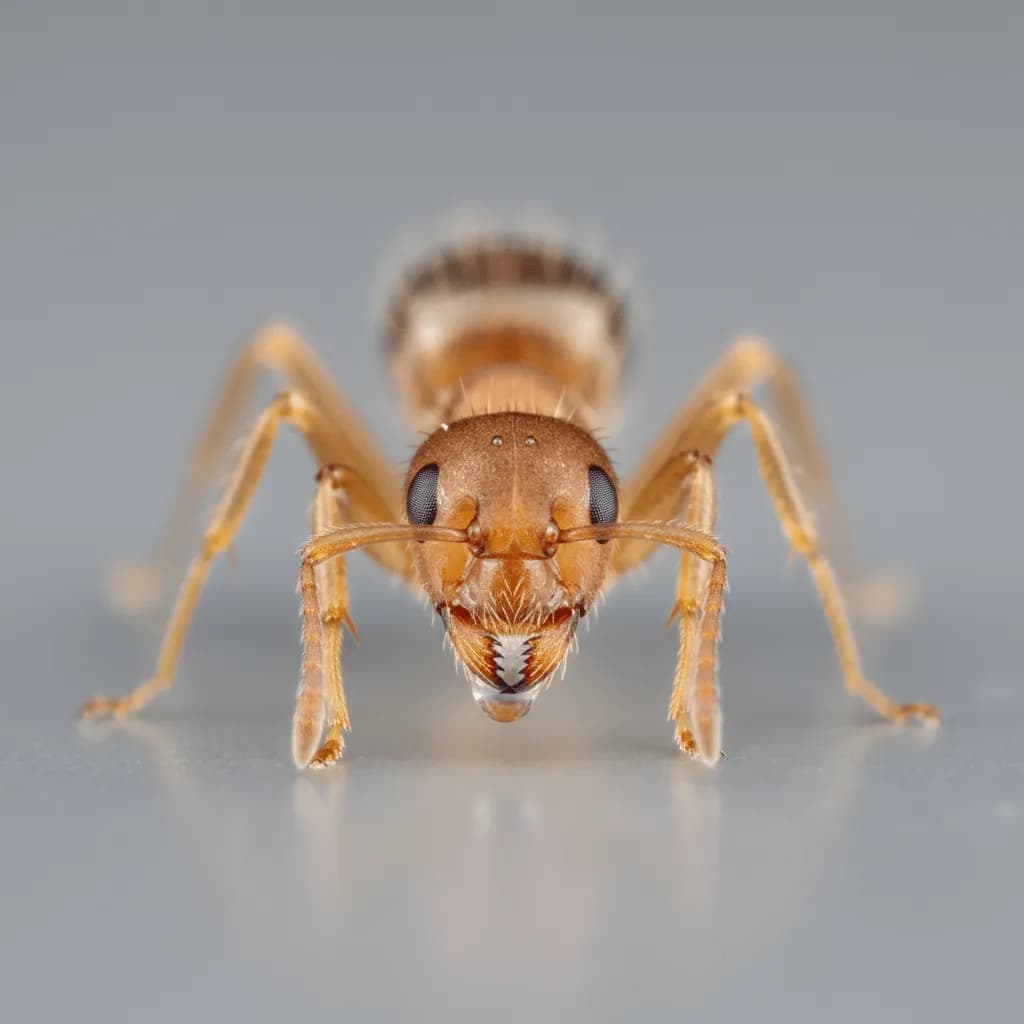
Pharaoh Ants
1 species
Pharaoh ants are tiny, yellowish-brown ants notorious for infesting hospitals, food processing facilities, and multifamily housing.
Argentine Ants
1 species
Argentine ants are an invasive species from South America that have established massive super-colonies across the southern and western United States.
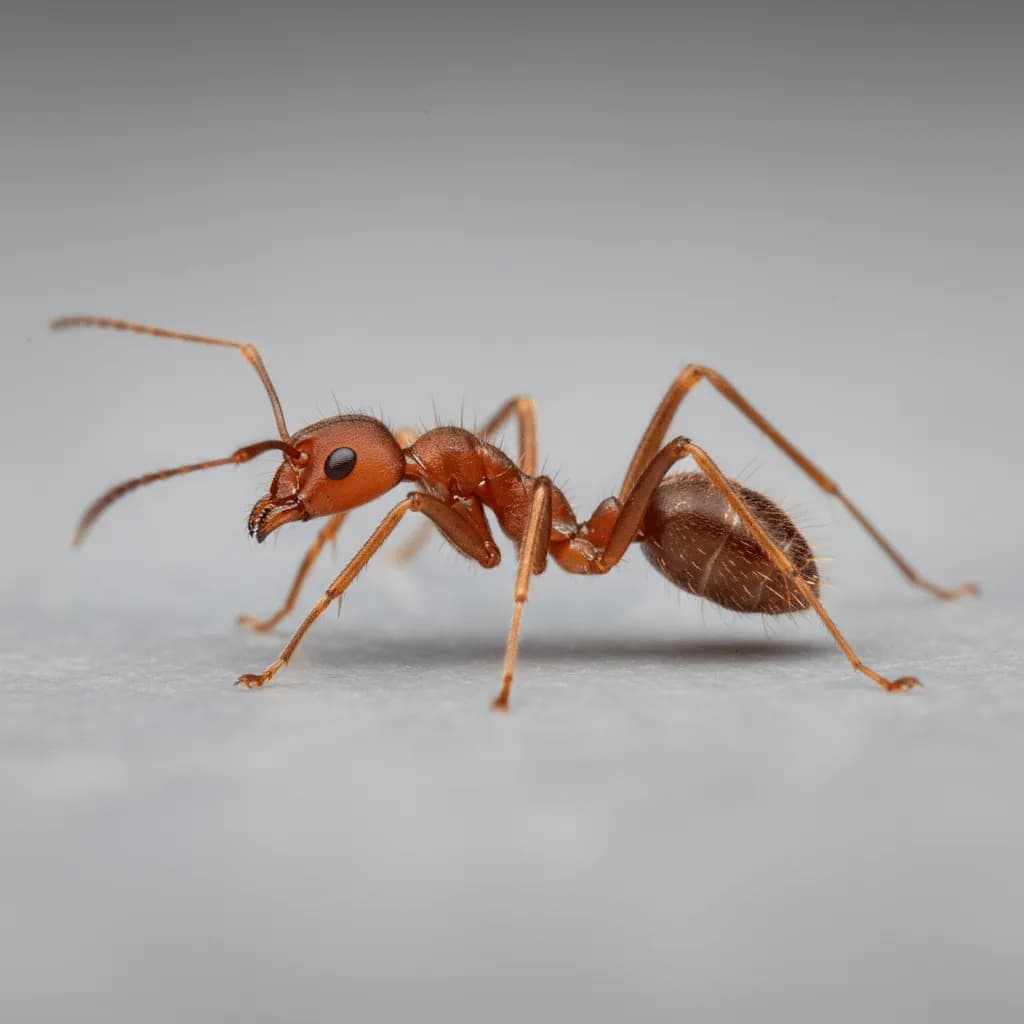
Crazy Ants
2 species
Crazy ants earn their common name from their rapid, erratic, jerky movements when disturbed.
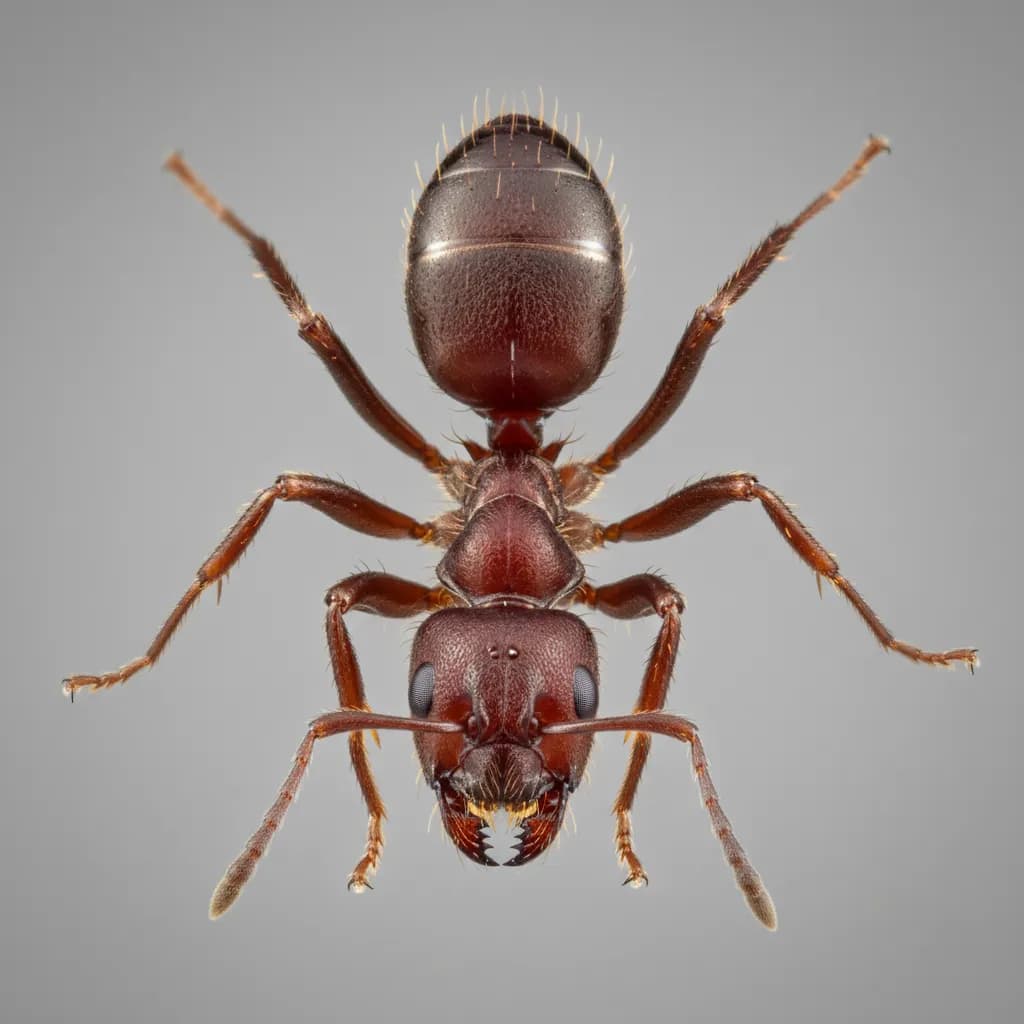
Acrobat Ants
1 species
Acrobat ants get their common name from their unique defensive posture of raising their heart-shaped abdomen over their head and thorax when disturbed.
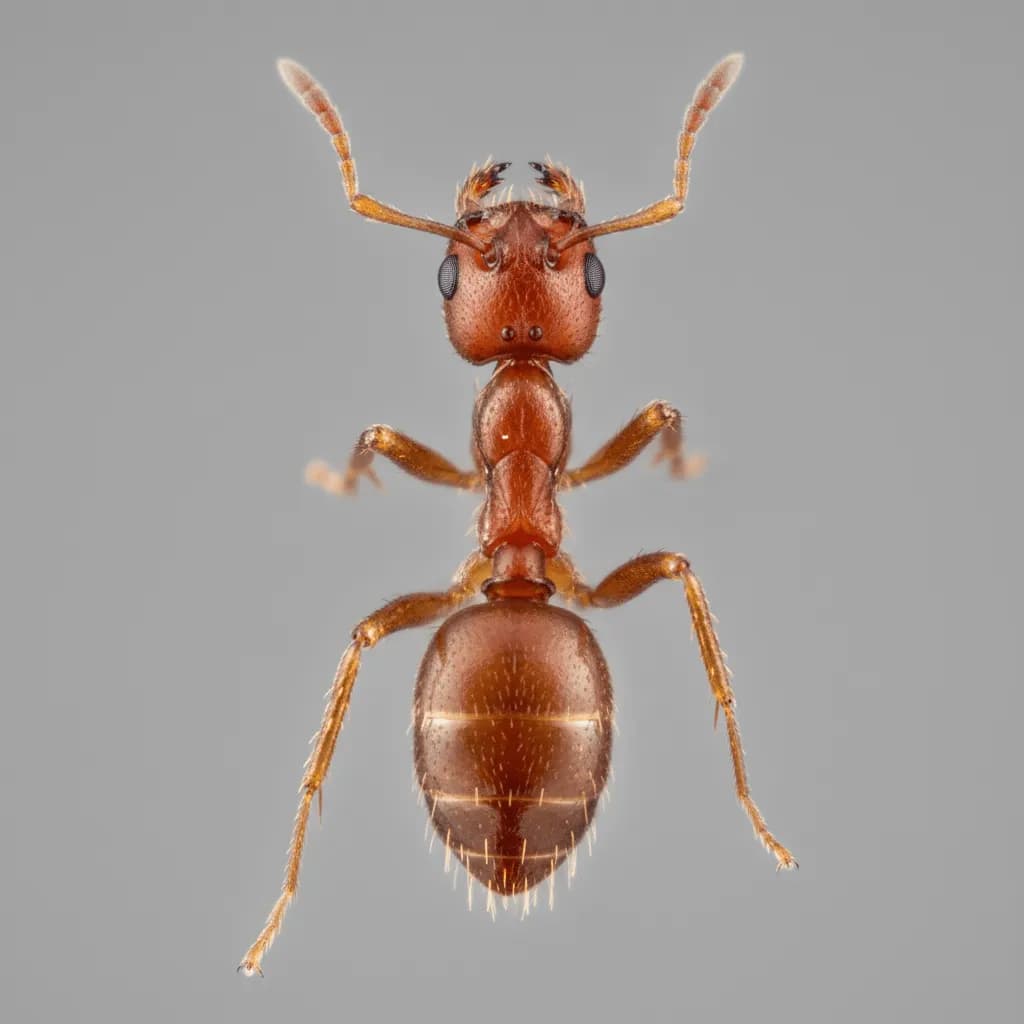
Thief Ants
1 species
Thief ants are among the smallest household-invading ants, measuring just 1 to 1.
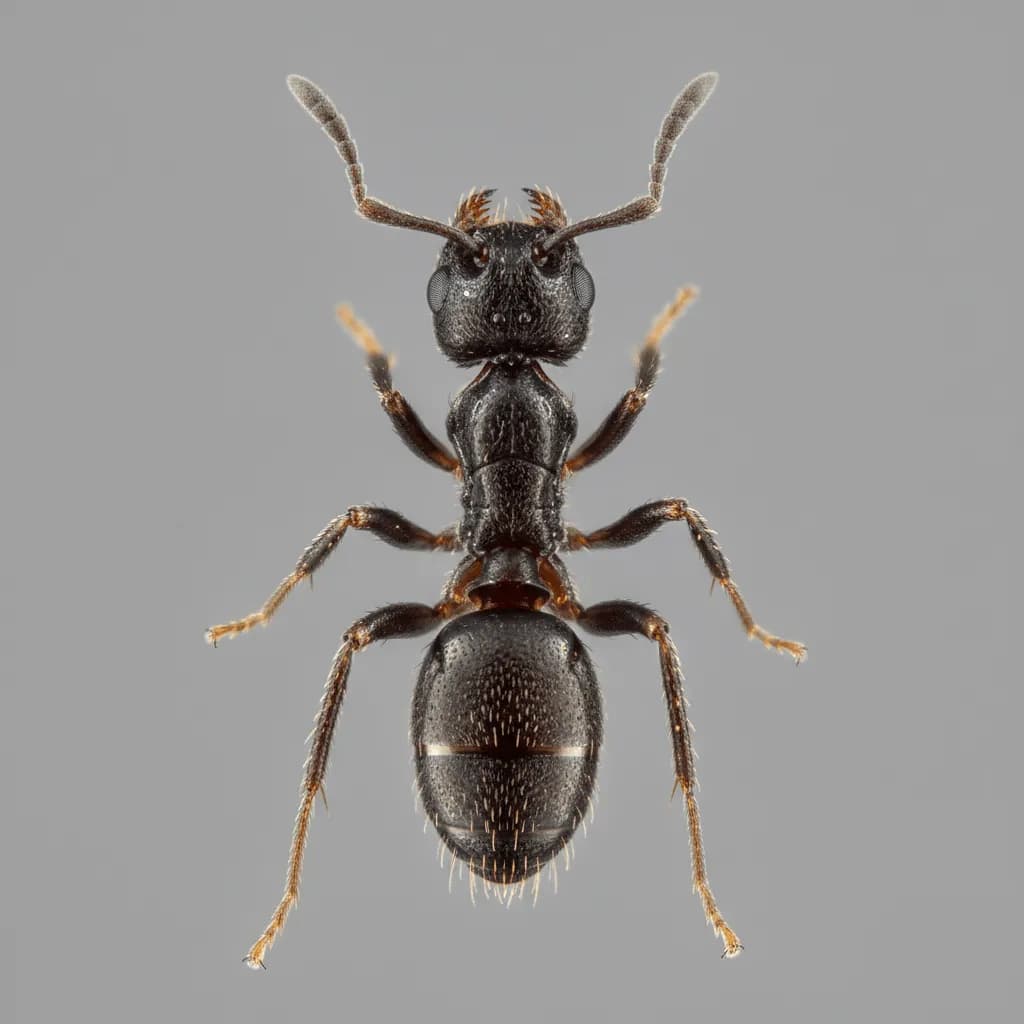
Little Black Ants
1 species
Little black ants are small, shiny, jet-black ants that are among the most common pest ants in the eastern and central United States.
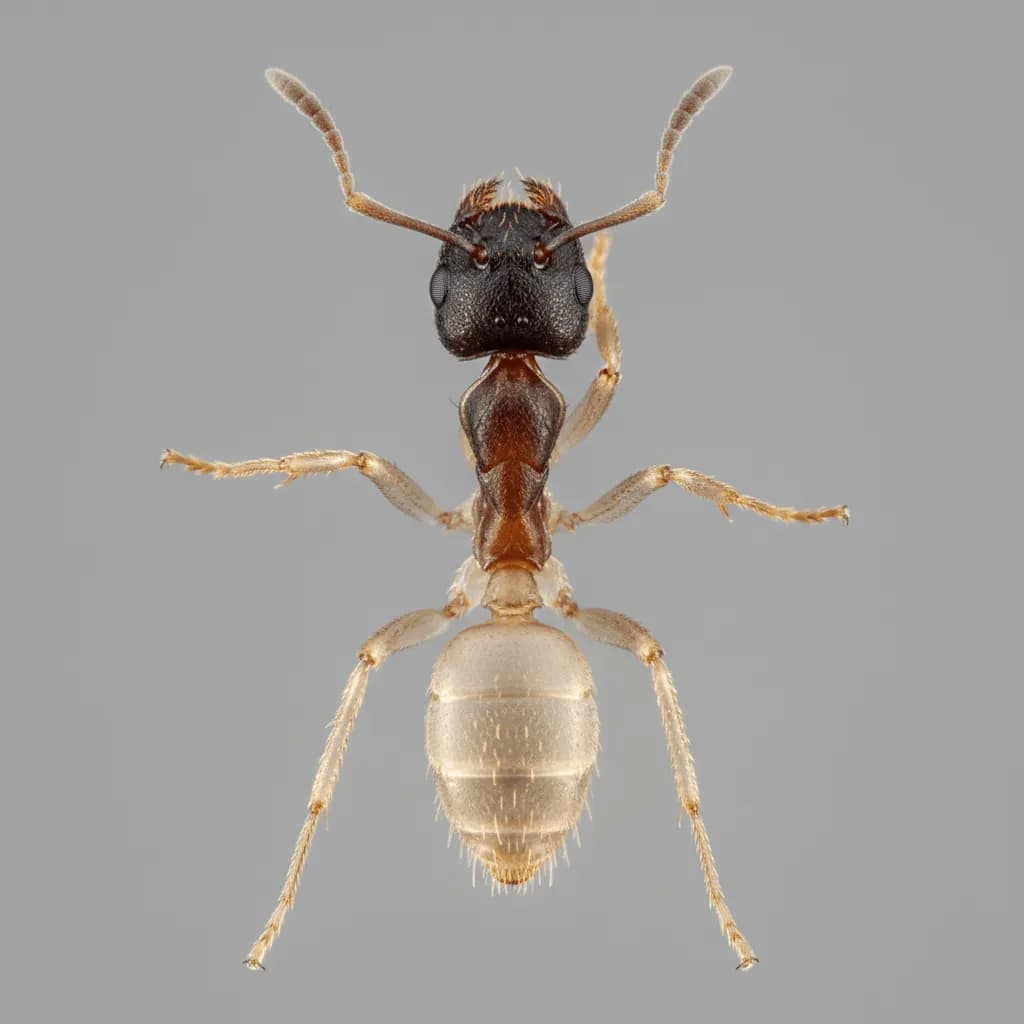
Ghost Ants
1 species
Ghost ants are tiny, distinctively colored ants with dark heads and thoraxes but pale, almost translucent legs and abdomens that make them difficult to see on light surfaces.
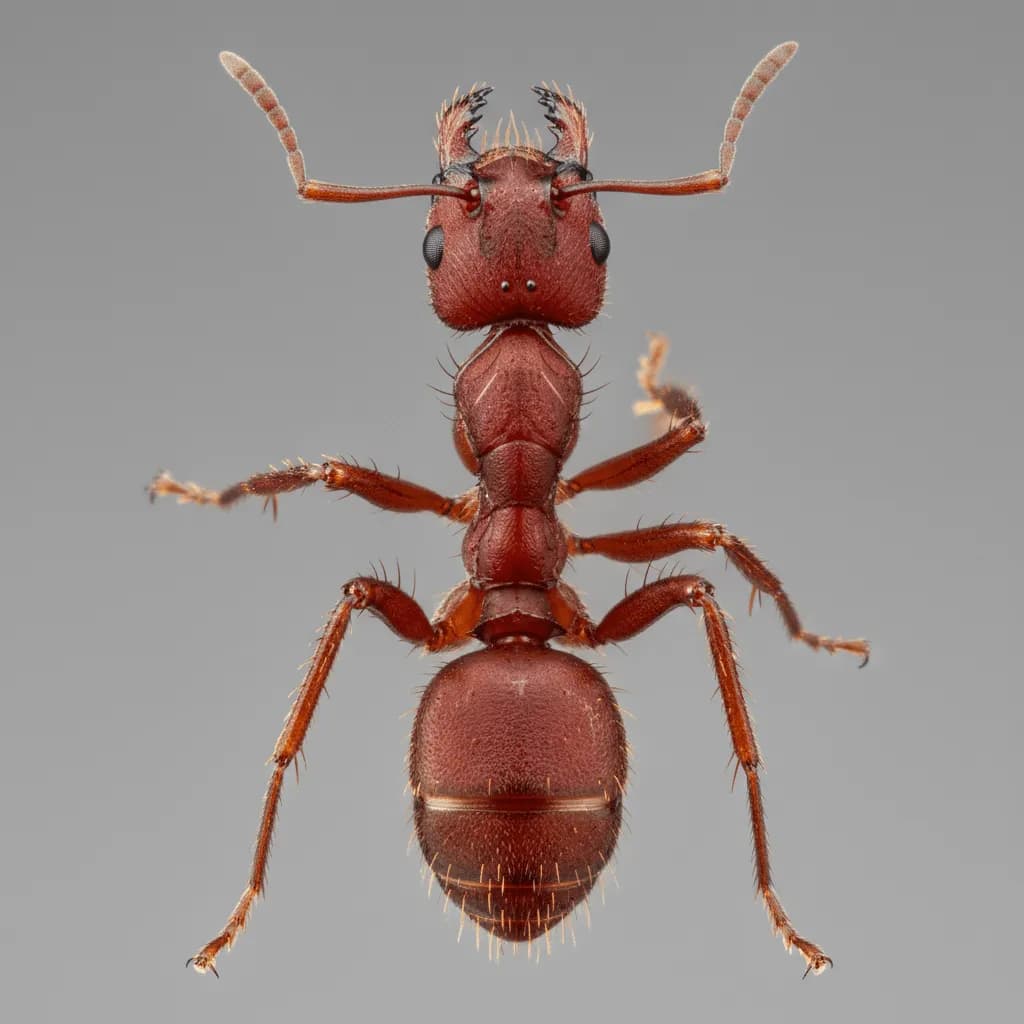
Harvester Ants
3 species
Harvester ants are large, ground-nesting ants found primarily in arid and semi-arid regions of the western and southern United States.
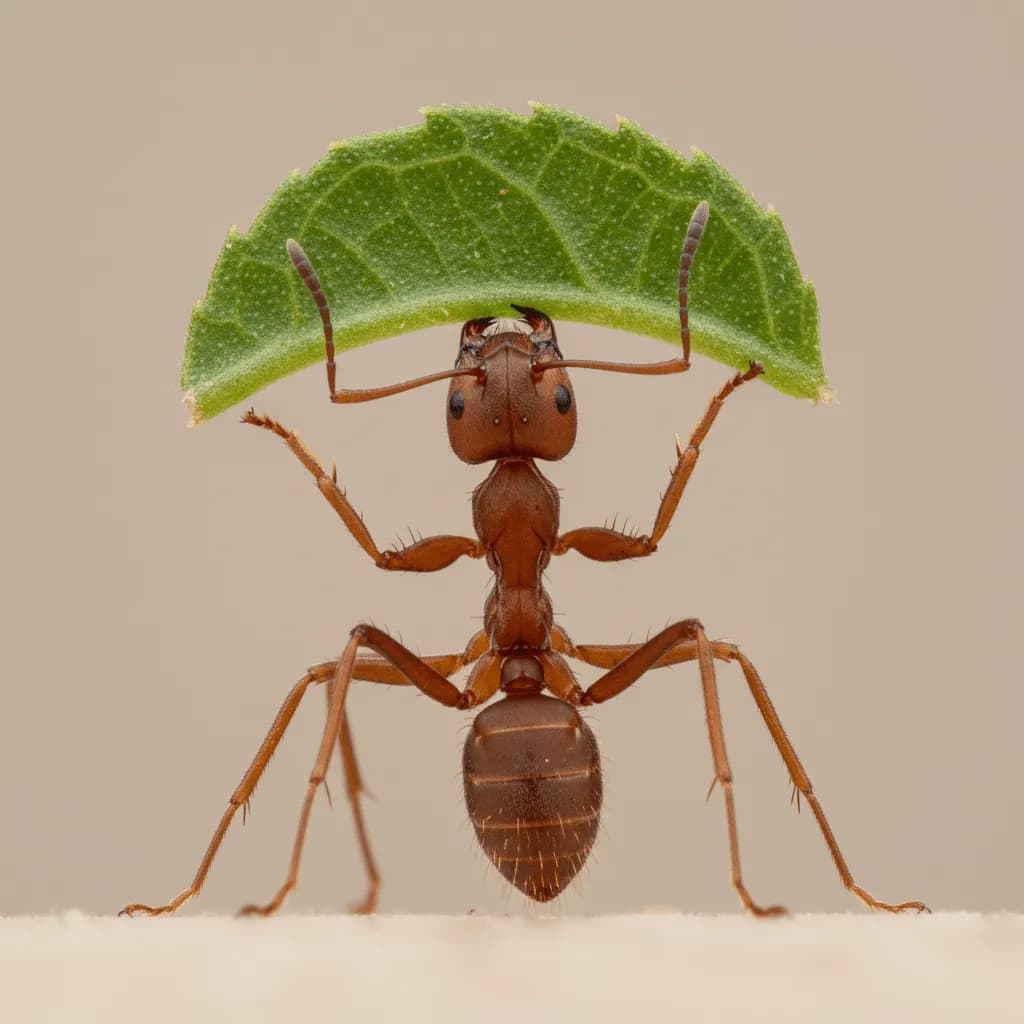
Leaf-Cutter Ants
1 species
Leaf-cutter ants are large, conspicuous ants found in Texas and Louisiana that strip foliage from trees, shrubs, and garden plants to cultivate underground fungus gardens.
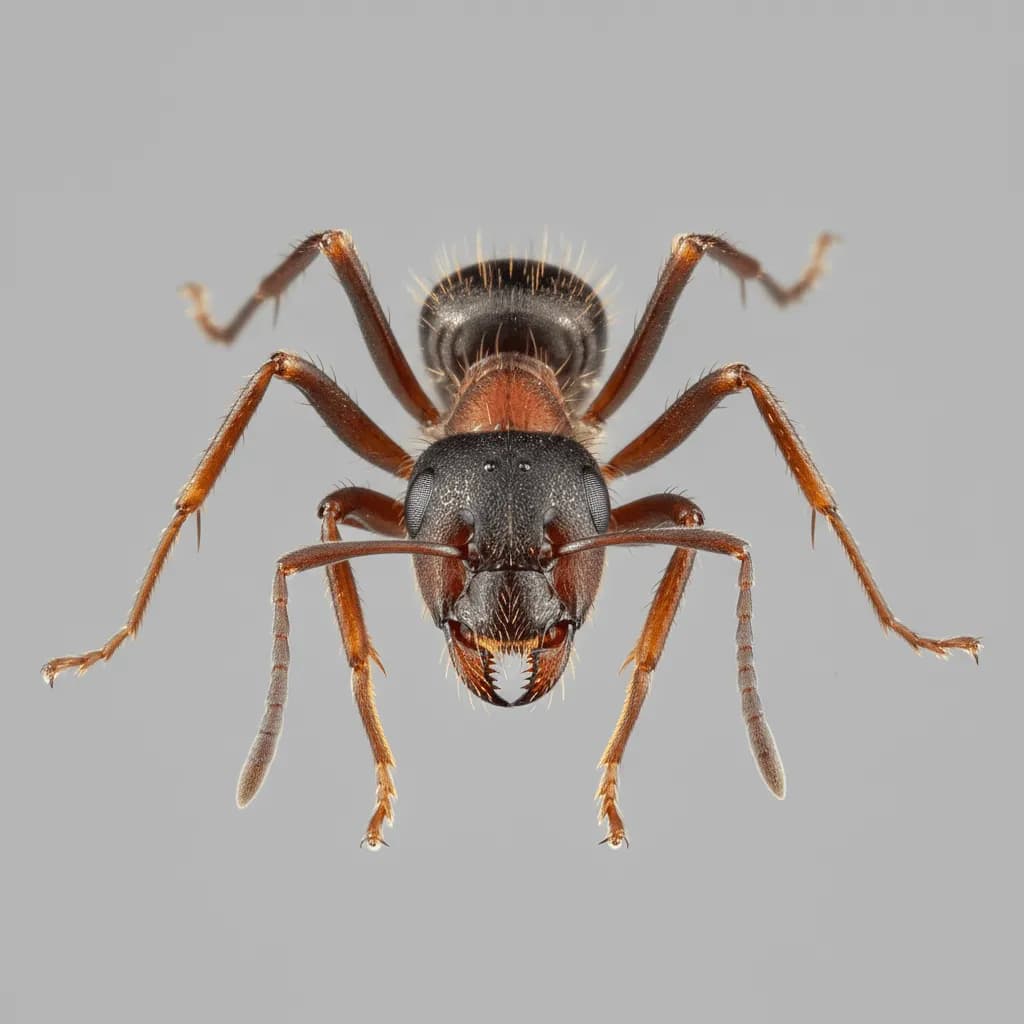
Field Ants
2 species
Field ants are a diverse group of medium to large ants that build conspicuous soil mounds in lawns, meadows, parks, and along sidewalks and driveways.
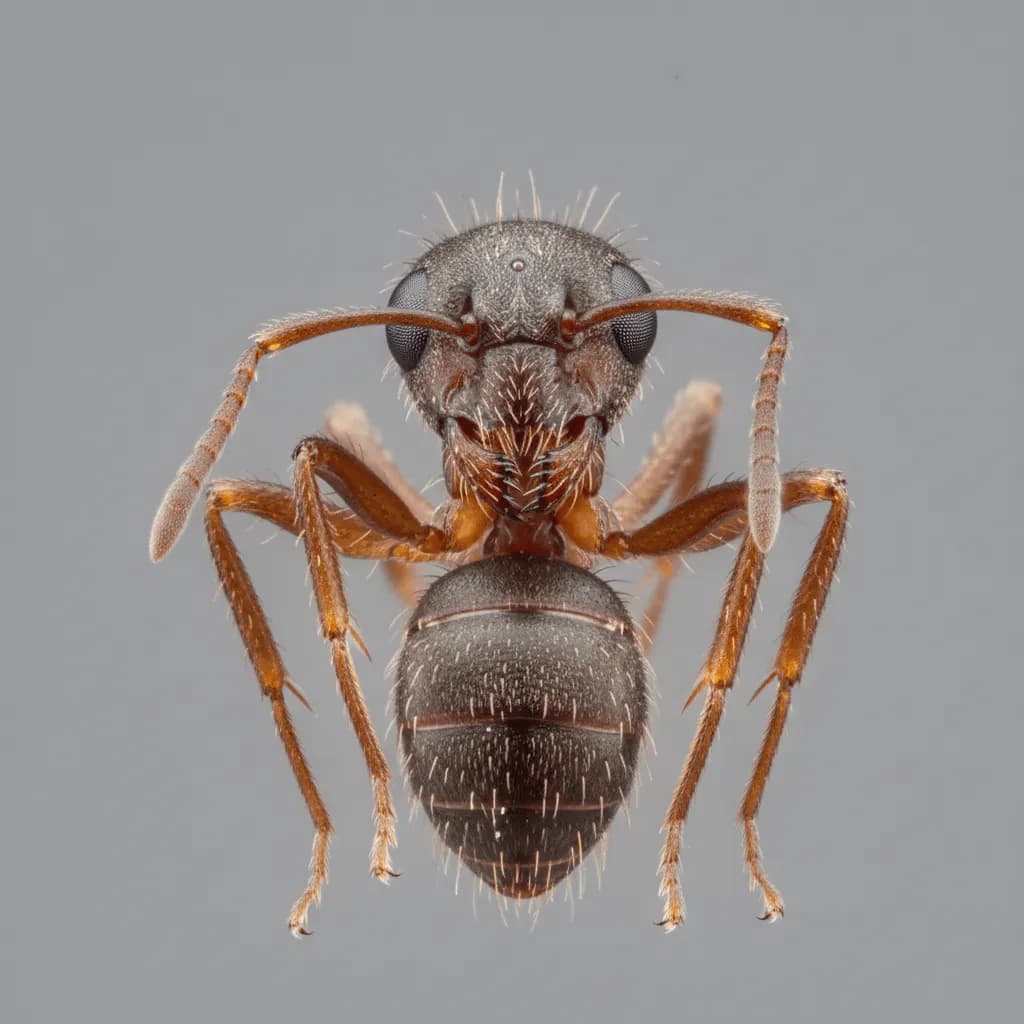
Rover Ants
1 species
The Rover Ant is one of the smallest pest ants in North America.
All Ant
Signs of Infestation
- Visible trails of ants moving along walls, countertops, or floors
- Small piles of fine sawdust or wood shavings near baseboards (carpenter ants)
- Tiny mounds of dirt or sand near foundations, driveways, or sidewalks
- Rustling or faint clicking sounds inside walls during quiet hours
- Winged ants (swarmers) appearing indoors, especially in spring or early summer
Prevention
Effective ant prevention starts with eliminating the things that attract them: accessible food, standing water, and easy entry points. Regular cleaning, proper food storage, and sealing gaps around windows, doors, and utility lines form the foundation of any ant-prevention strategy. Because ants can exploit openings as small as a credit card's thickness, attention to detail matters.
Frequently Asked Questions
Why do I keep seeing ants even after I clean my kitchen?
Are the ants with wings a different species?
Can ants cause structural damage to my home?
Why don't store-bought ant sprays solve the problem?
How do I tell the difference between ants and termites?
When is the best time of year to treat for ants?
Need Help With Ant?
If you're seeing signs of ant in or around your home, professional treatment is the fastest way to stop the problem. Lotus Pest Control offers free inspections to identify the issue and recommend the right solution.