
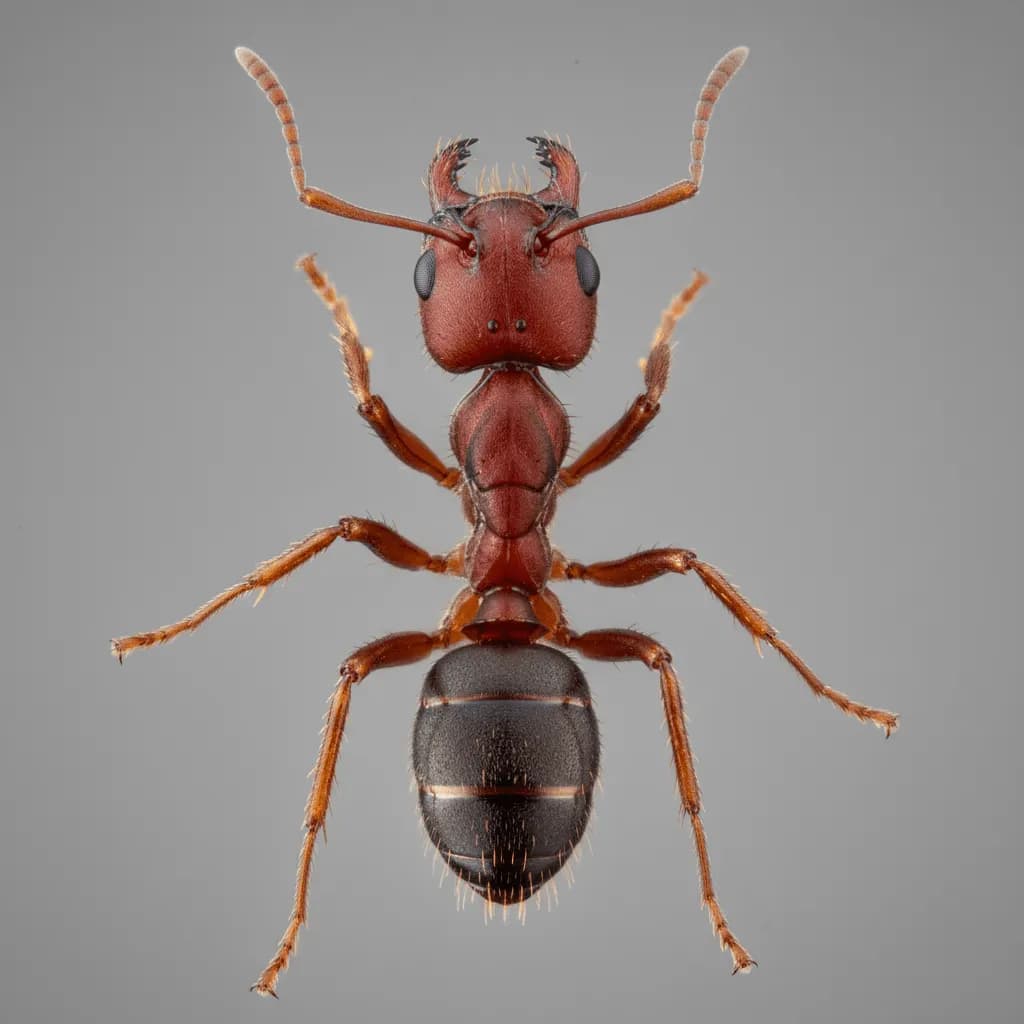
Tropical Fire Ant
Solenopsis geminata
Also known as: Ginger Ant
The Tropical Fire Ant is a pantropical species found in the warmest parts of the southern United States, especially Hawaii and coastal Florida. It is one of the oldest invasive ant species globally. Colonies have polymorphic workers including large-headed majors that specialize in seed milling.
Identification
Size
2-6 mm
Color
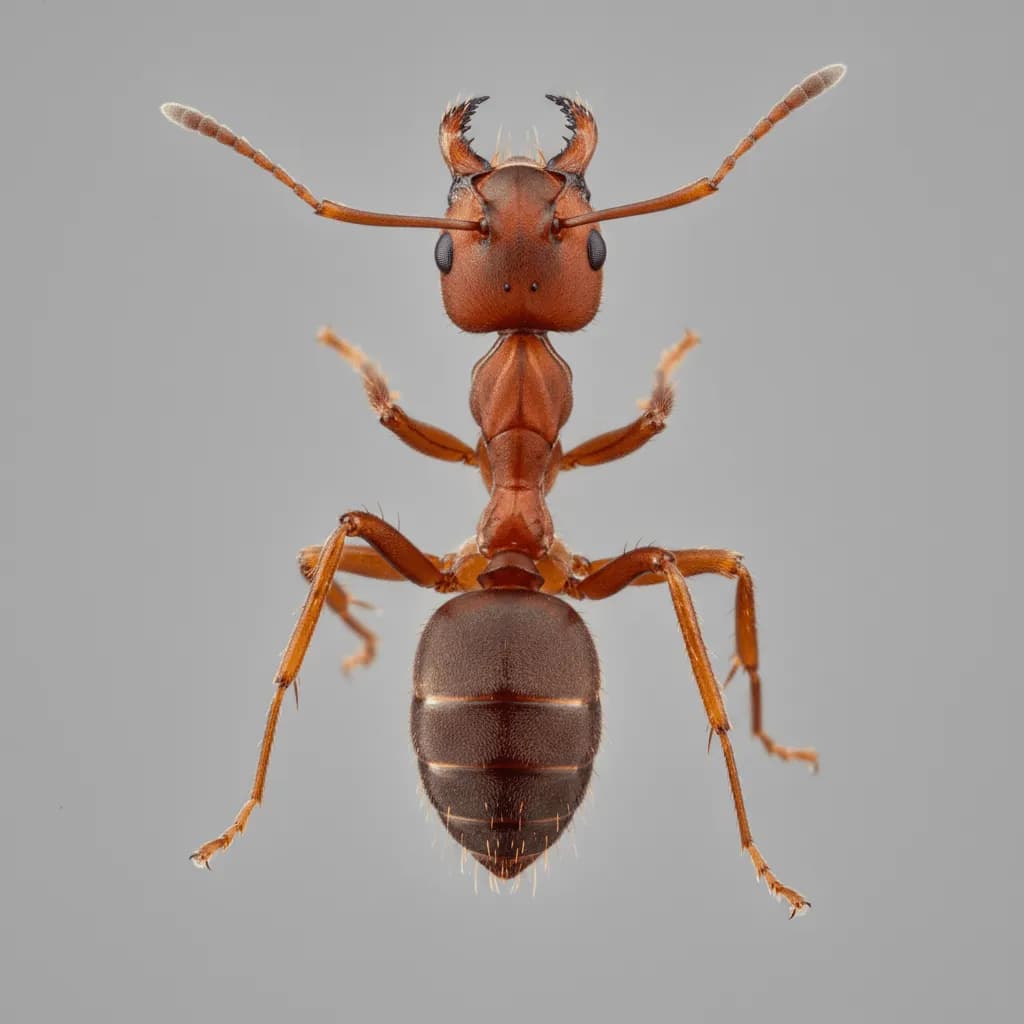
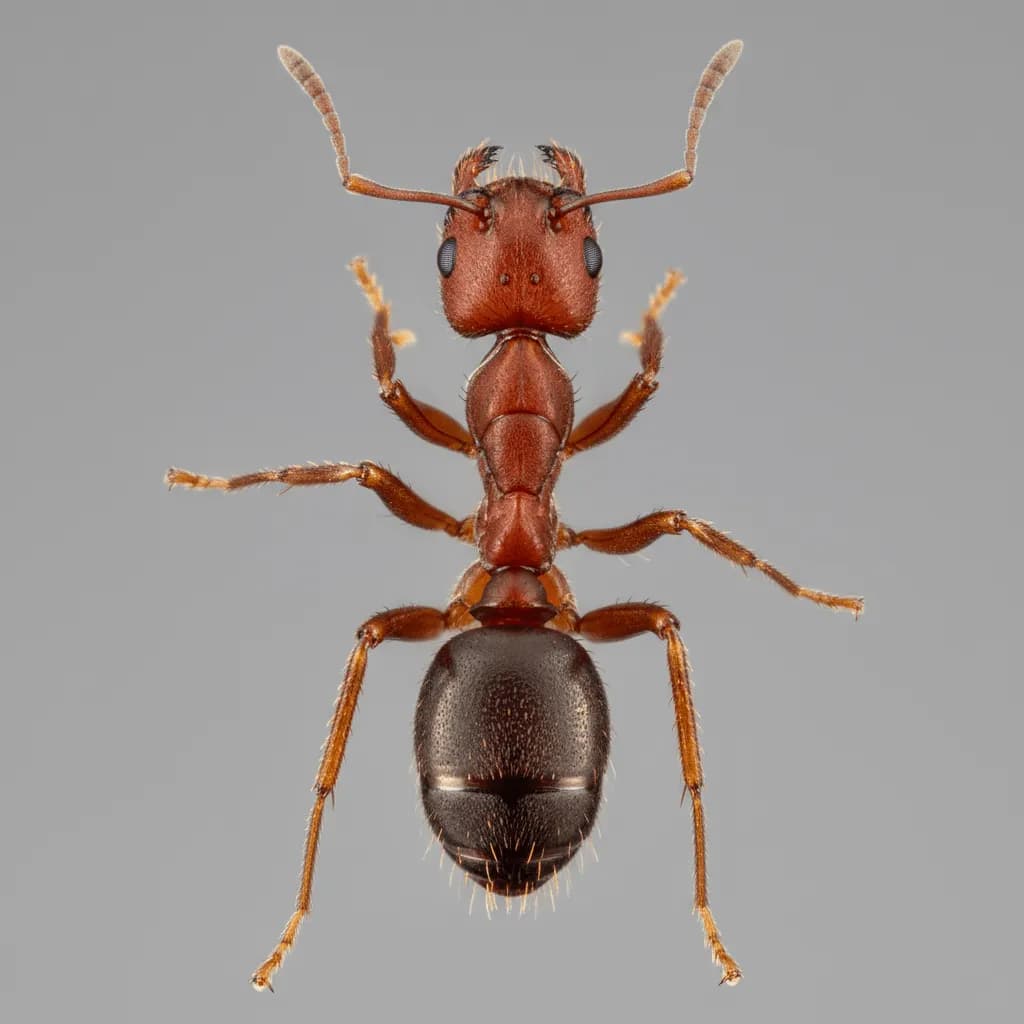
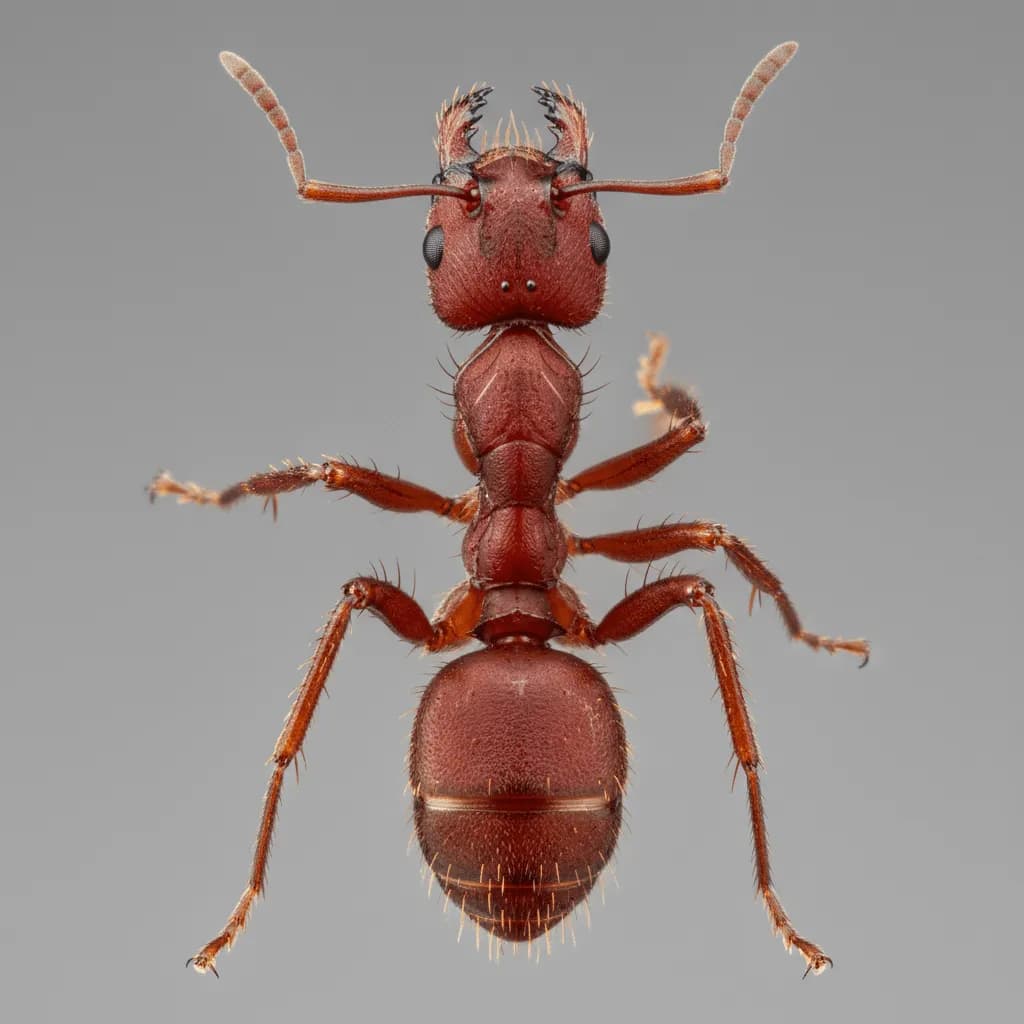
Yellowish-red to dark brown, major workers with disproportionately large heads
Key Trait
Dimorphic workers with majors sporting oversized square heads used to crush seeds.
Behavior & Habitat
Highly aggressive when nests are disturbed; workers deliver painful stings. Colonies forage day and night in warm climates. Major workers use their large mandibles to crack open seeds for the colony.
Habitat: Open, disturbed soils in agricultural fields, lawns, roadsides, and nurseries. Prefers warm tropical and subtropical climates with regular moisture.
Diet: Seeds, insects, small invertebrates, oils, and sugary substances.
Signs of Infestation
- Loose mounds of soil in garden beds and lawns
- Aggressive ant response when soil is disturbed
- Seed husks accumulated near nest entrances
Risks & Damage
Painful stings can cause allergic reactions in sensitive individuals.
Damages seedlings and newly planted crops by harvesting seeds and tending pest aphids.
Prevention Tips
- 1.Use certified pest-free nursery stock and potting soil
- 2.Apply broadcast bait treatments in spring before colonies mature
- 3.Remove organic debris and ground cover near planting areas
- 4.Monitor for new mounds after heavy rains
Why DIY Treatment Often Falls Short
This species has multiple queens per colony, so surface treatments that miss queens allow rapid recovery. Bait formulations must match the colony's dietary needs, which shift between protein and carbohydrate seasonally.
Professional Treatment
Pest management professionals apply a combination of broadcast granular bait and targeted mound treatments calibrated for tropical fire ant biology. Repeated treatments may be necessary in heavily infested agricultural settings.
Frequently Asked Questions
Is the Tropical Fire Ant the same as the Red Imported Fire Ant?
Where in the US are Tropical Fire Ants found?
Can Tropical Fire Ants damage my garden?
Need Help With Tropical fire ant?
If you're seeing signs of tropical fire ant in or around your home, professional treatment is the fastest way to stop the problem. Lotus Pest Control offers free inspections to identify the issue and recommend the right solution.
At a Glance
- Category
- Ants
- Scientific Name
- Solenopsis geminata
- Size
- 2-6 mm
- Color
- Yellowish-red to dark brown, major workers with disproportionately large heads
- Key Trait
- Dimorphic workers with majors sporting oversized square heads used to crush seeds.
- Regions
- Southeast, South Central, Southwest
- Threat Level
- Moderate
- Risk Types
- healthagricultural
- Seasonal Activity
- MarAprMayJunJulAugSepOctNovDecJanFebnonelowmoderatehighpeak