
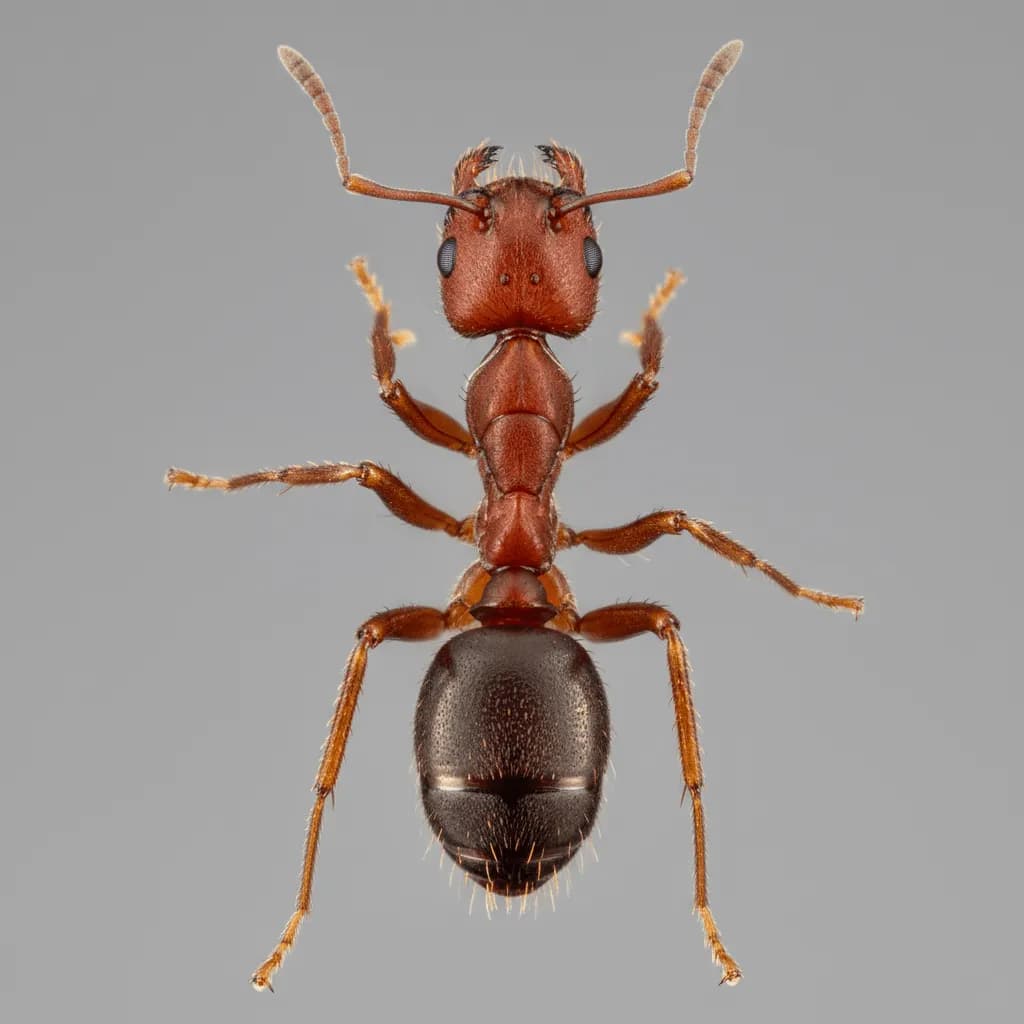
Southern Fire Ant
Solenopsis xyloni
Also known as: Desert Fire Ant, Native Fire Ant
The Southern Fire Ant is native to the United States and inhabits arid to semi-arid regions of the South and Southwest. While less aggressive than the Red Imported Fire Ant, its sting is still painful. Colonies are smaller but can be numerous in suitable habitat, especially in sandy soils near irrigated landscapes.
Identification
Size
2-6 mm
Color
Yellowish-red to reddish-brown
Key Trait
Smaller, flatter mounds than RIFA and often nests under objects like rocks and logs rather than building conspicuous domes.
Behavior & Habitat
Workers forage in loose trails and are most active during cooler parts of the day in hot climates. They will sting when their nest is disturbed but are less likely to mount the coordinated mass attack seen in RIFA.
Habitat: Sandy or loose soils in gardens, under pavers, around irrigation valve boxes, and at the bases of trees. Mounds are often inconspicuous or hidden under stones and debris.
Diet: Dead insects, seeds, honeydew, oils, and sweet household foods.
Signs of Infestation
- Low, irregular mounds in sandy soil or under landscape objects
- Stinging attacks when lifting patio stones or garden borders
- Ants trailing into the kitchen from exterior cracks
Risks & Damage
Stings produce localized pain and swelling; allergic reactions are possible.
Nesting activity disturbs root zones and irrigation systems in landscaped areas.
Prevention Tips
- 1.Reduce ground cover and debris near the foundation to limit nesting sites
- 2.Apply perimeter granular bait twice yearly in fire ant regions
- 3.Seal entry points around doors, windows, and utility penetrations
- 4.Fix dripping irrigation heads that create moist sandy patches
Why DIY Treatment Often Falls Short
Store-bought baits designed for RIFA may not be as attractive to this species. Because nests are hidden under objects, homeowners often miss them entirely, allowing colonies to persist and spread.
Professional Treatment
Technicians identify nest locations through careful inspection of landscape features and apply targeted granular bait and liquid treatments. A perimeter barrier prevents re-invasion from neighboring properties.
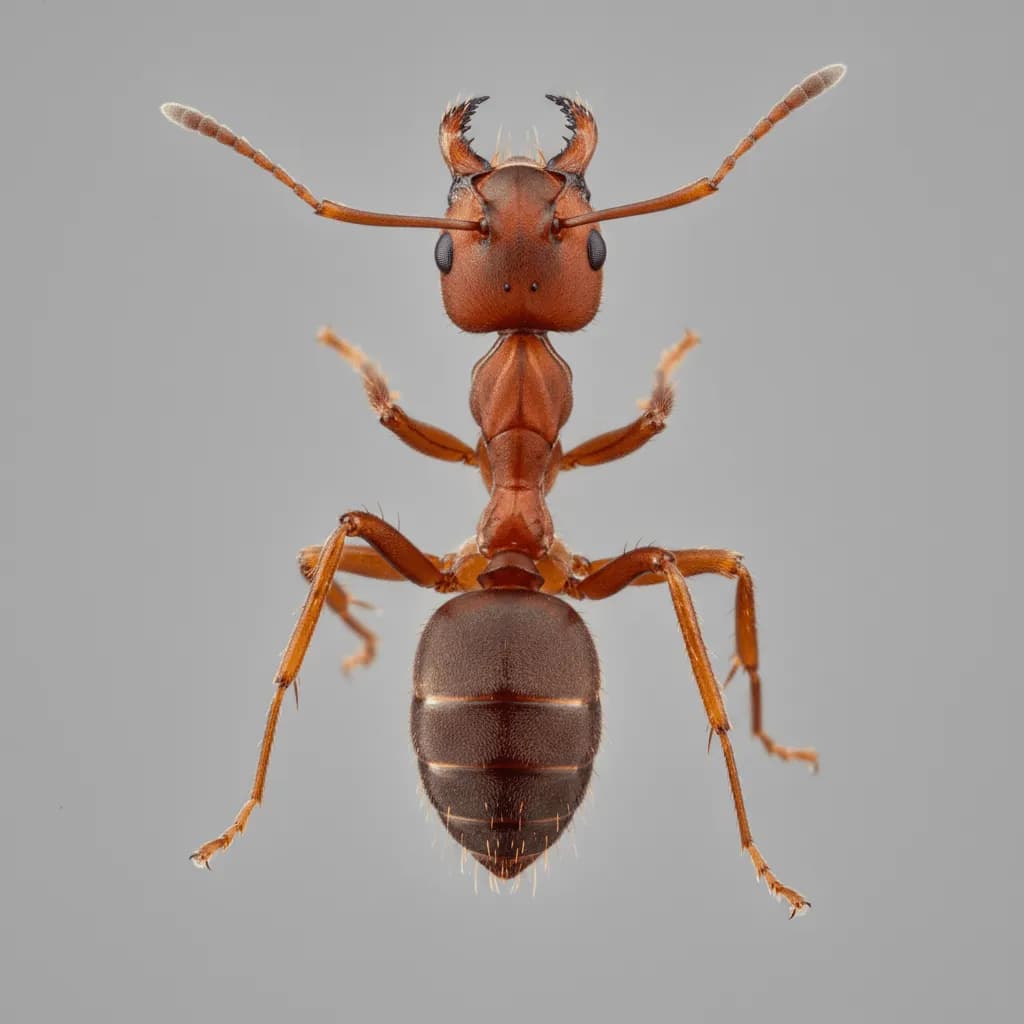
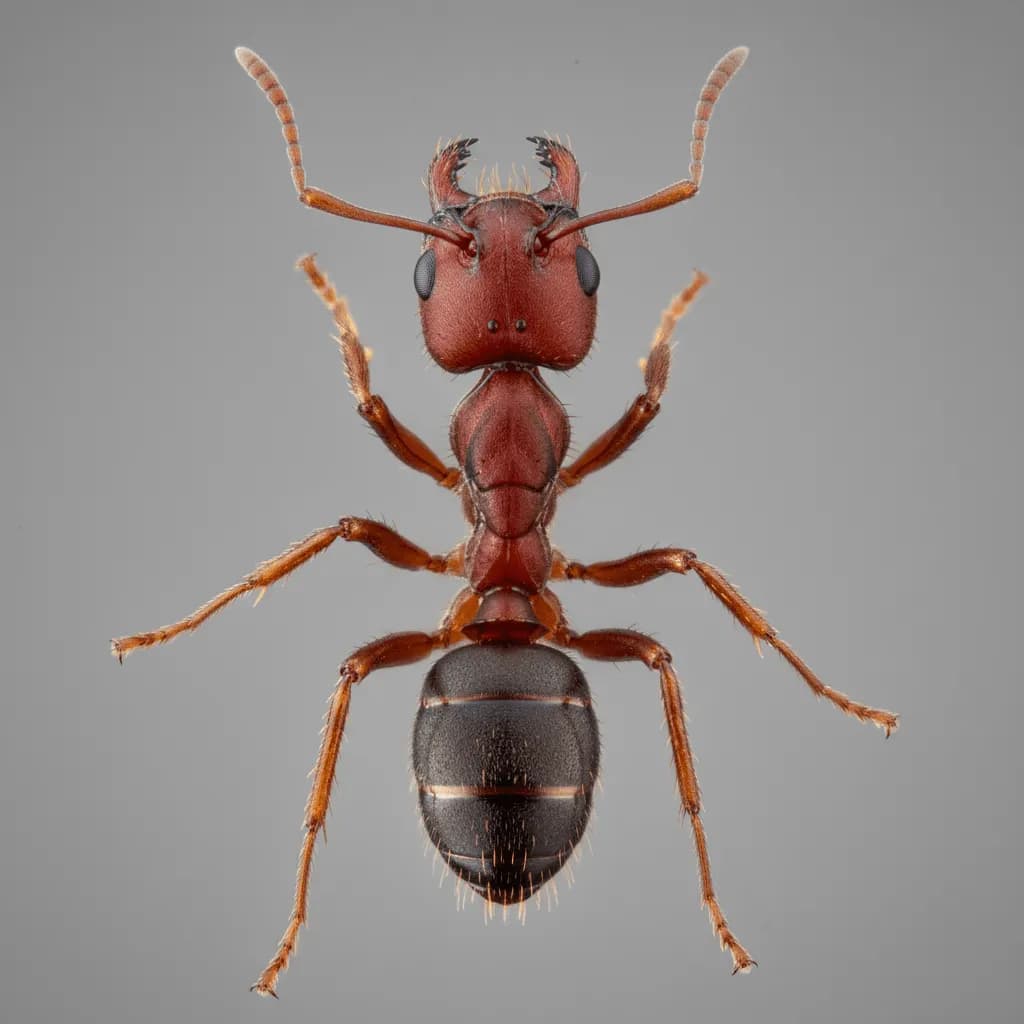
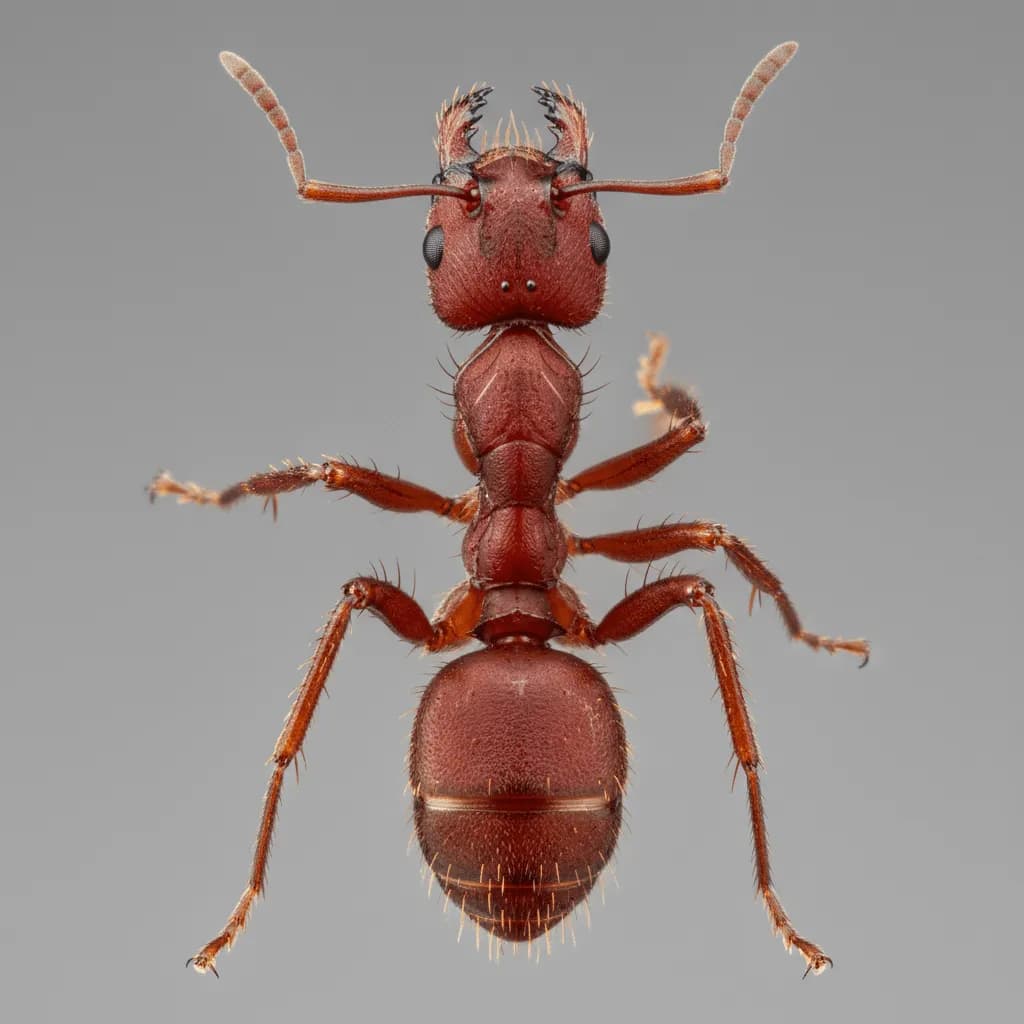
Frequently Asked Questions
How is the Southern Fire Ant different from the Red Imported Fire Ant?
Are Southern Fire Ants being displaced by RIFA?
Do Southern Fire Ants invade homes?
Need Help With Southern fire ant?
If you're seeing signs of southern fire ant in or around your home, professional treatment is the fastest way to stop the problem. Lotus Pest Control offers free inspections to identify the issue and recommend the right solution.
At a Glance
- Category
- Ants
- Scientific Name
- Solenopsis xyloni
- Size
- 2-6 mm
- Color
- Yellowish-red to reddish-brown
- Key Trait
- Smaller, flatter mounds than RIFA and often nests under objects like rocks and logs rather than building conspicuous domes.
- Regions
- Southwest, South Central, Southeast
- Threat Level
- Moderate
- Risk Types
- healthlawn
- Seasonal Activity
- MarAprMayJunJulAugSepOctNovDecJanFebnonelowmoderatehighpeak