
Crazy Ants
Crazy ants earn their common name from their rapid, erratic, jerky movements when disturbed. The tawny crazy ant, originally from South America, has become a major invasive pest in the Gulf Coast states, displacing even fire ants in some areas. Colonies are enormous with multiple queens and can reach billions of individuals in heavily infested areas. They nest in virtually any cavity, including mulch, leaf litter, potted plants, wall voids, and electrical equipment. Their attraction to electrical components makes them a significant infrastructure pest.
Species in This Group (2)
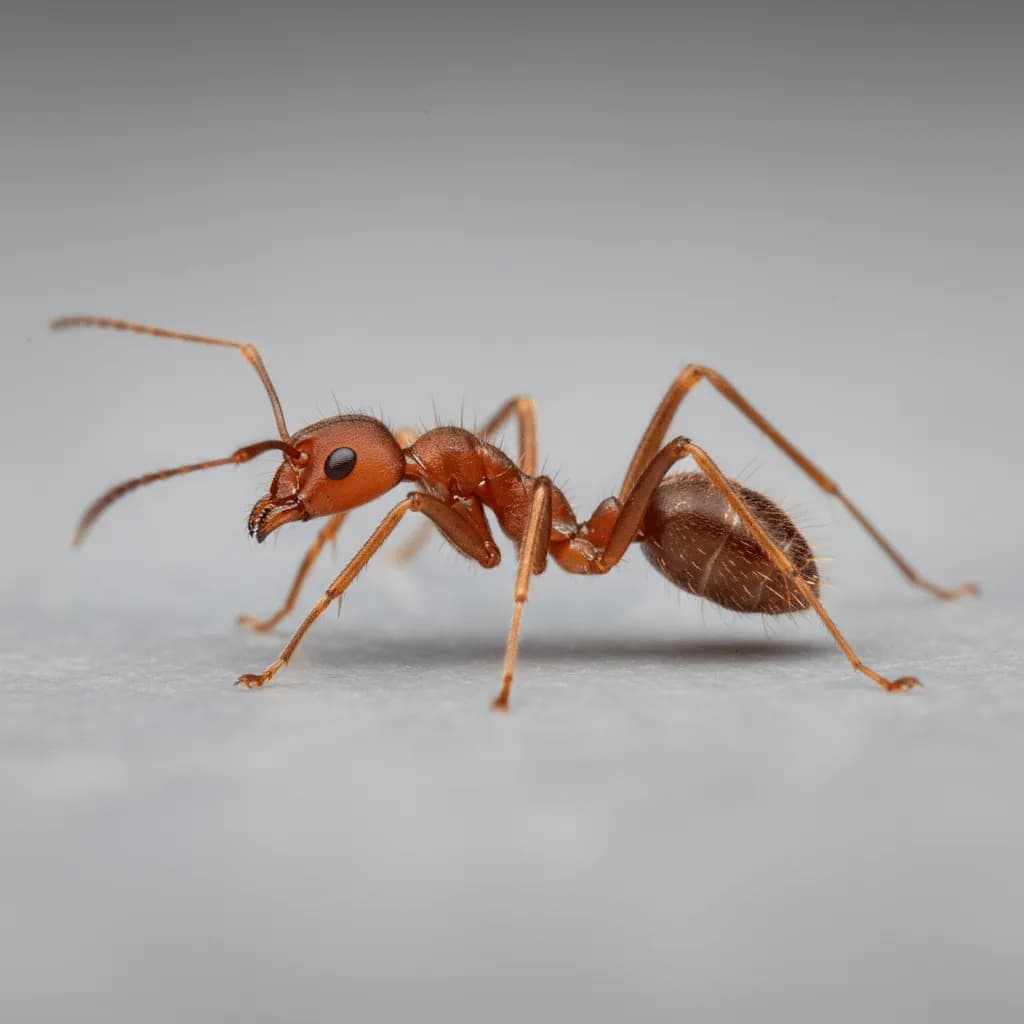
Tawny Crazy Ant
Nylanderia fulva
The Tawny Crazy Ant is an invasive species from South America that has spread rapidly across the Gulf Coast states since its discovery in Texas in 2002.
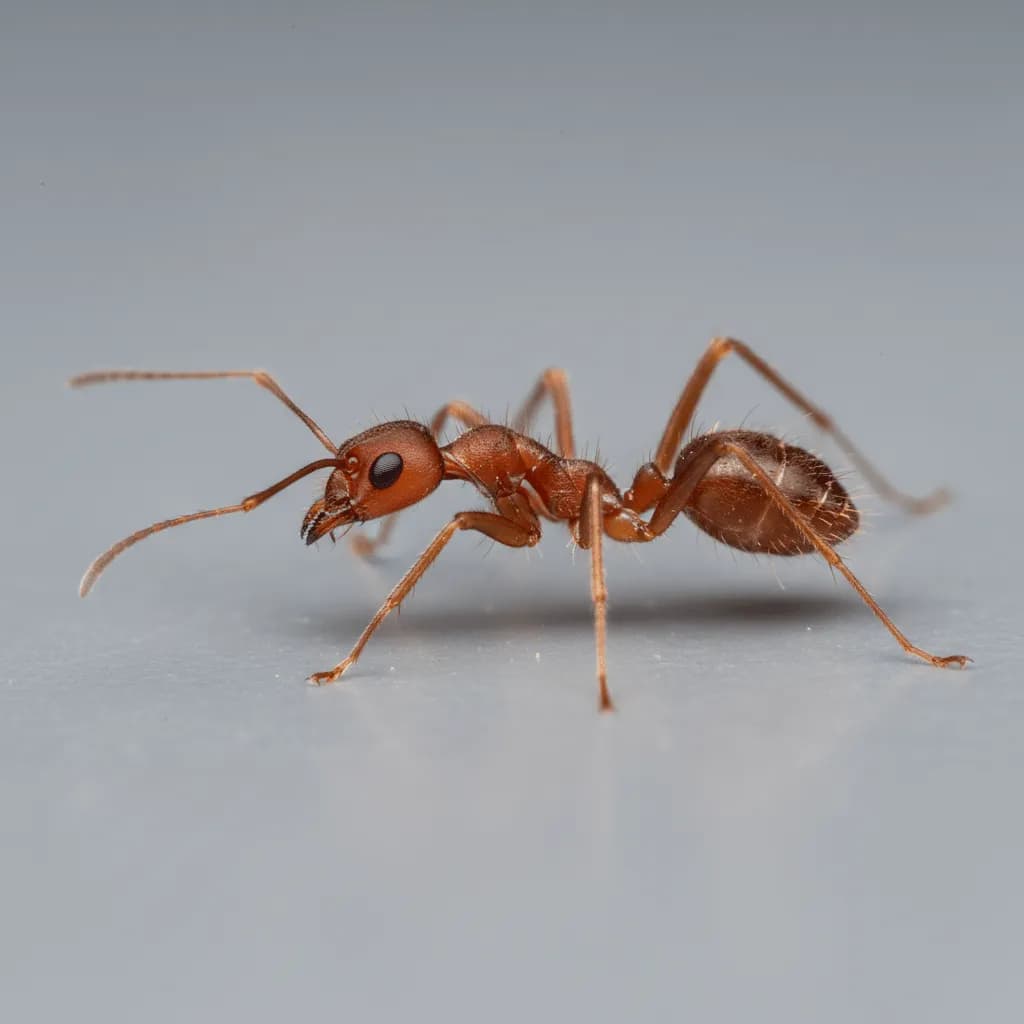
Rasberry Crazy Ant
Nylanderia fulva
The Rasberry Crazy Ant is the same species as the Tawny Crazy Ant (Nylanderia fulva), named after the Texas pest control operator who first reported it.
Key Behaviors
Crazy ants do not build mounds but form diffuse, sprawling colonies under debris and ground cover. They forage in wide, disorganized trails rather than the neat lines typical of most ants. They are strongly attracted to electrical fields and will short-circuit switches, relays, and wiring by accumulating in junction boxes and circuit breakers.
Risks & Concerns
Tawny crazy ants cause extensive damage to electrical systems, HVAC equipment, and electronics. Their enormous colony sizes overwhelm properties, covering walls, counters, and floors. While they can bite, they lack a functional stinger and are primarily a nuisance and infrastructure pest rather than a health hazard.
Identification Tip
Distinguished from other ants by their erratic, rapid movement pattern. Unlike fire ants, crazy ants do not sting and do not build mounds. They have displaced fire ants in some Gulf Coast areas, which ironically creates new pest management challenges.
Quick Comparison
| Species | Size | Color | Key Trait |
|---|---|---|---|
| Tawny Crazy Ant | 2.0-2.3 mm | Tawny brown with a dense covering of fine hairs | Erratic, rapid movement pattern unlike the orderly trailing of most ants; enormous local populations that blanket surfaces. |
| Rasberry Crazy Ant | 2.0-2.3 mm | Tawny brown with dense fine body hairs | Named after exterminator Tom Rasberry who first identified it in Texas; same species as the Tawny Crazy Ant. |
Need Help With Crazy ants?
If you're seeing signs of crazy ants in or around your home, professional treatment is the fastest way to stop the problem. Lotus Pest Control offers free inspections to identify the issue and recommend the right solution.