
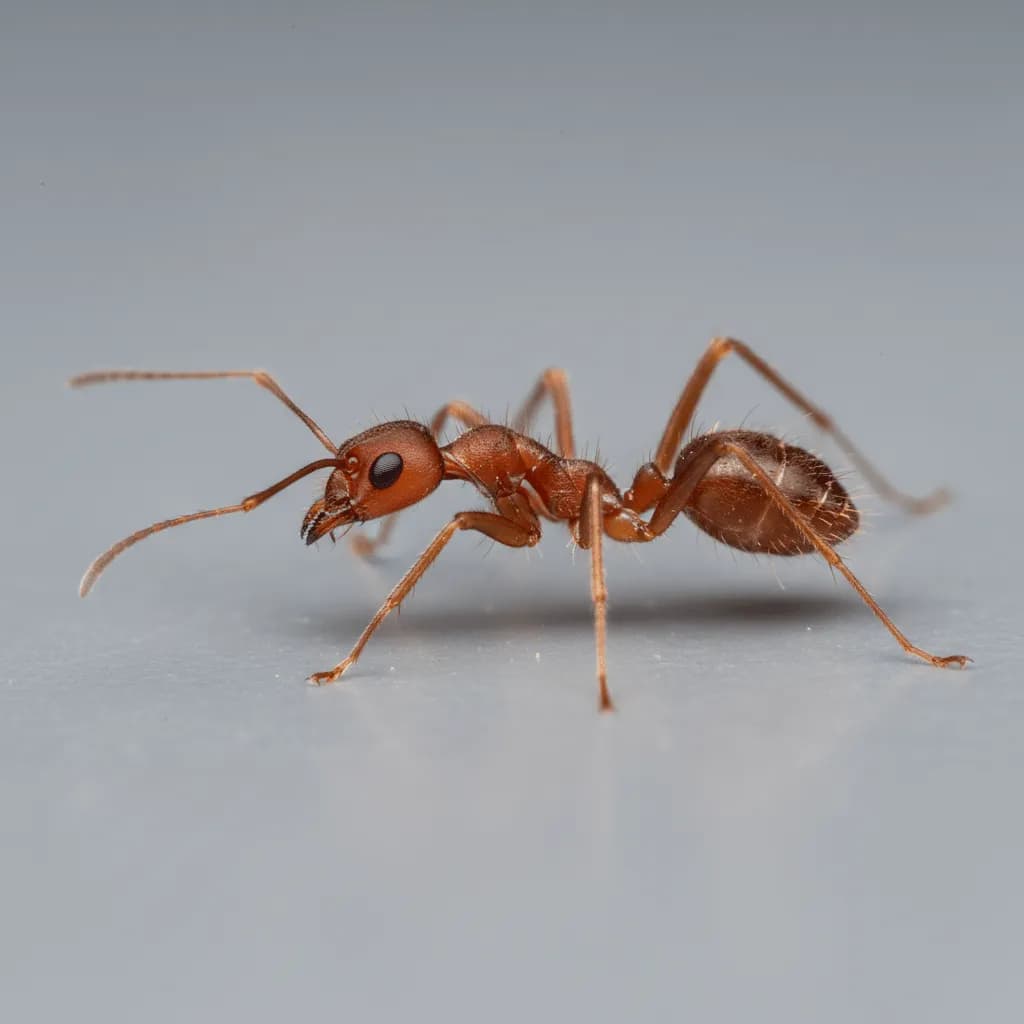
Rasberry Crazy Ant
Nylanderia fulva
Also known as: Tawny Crazy Ant
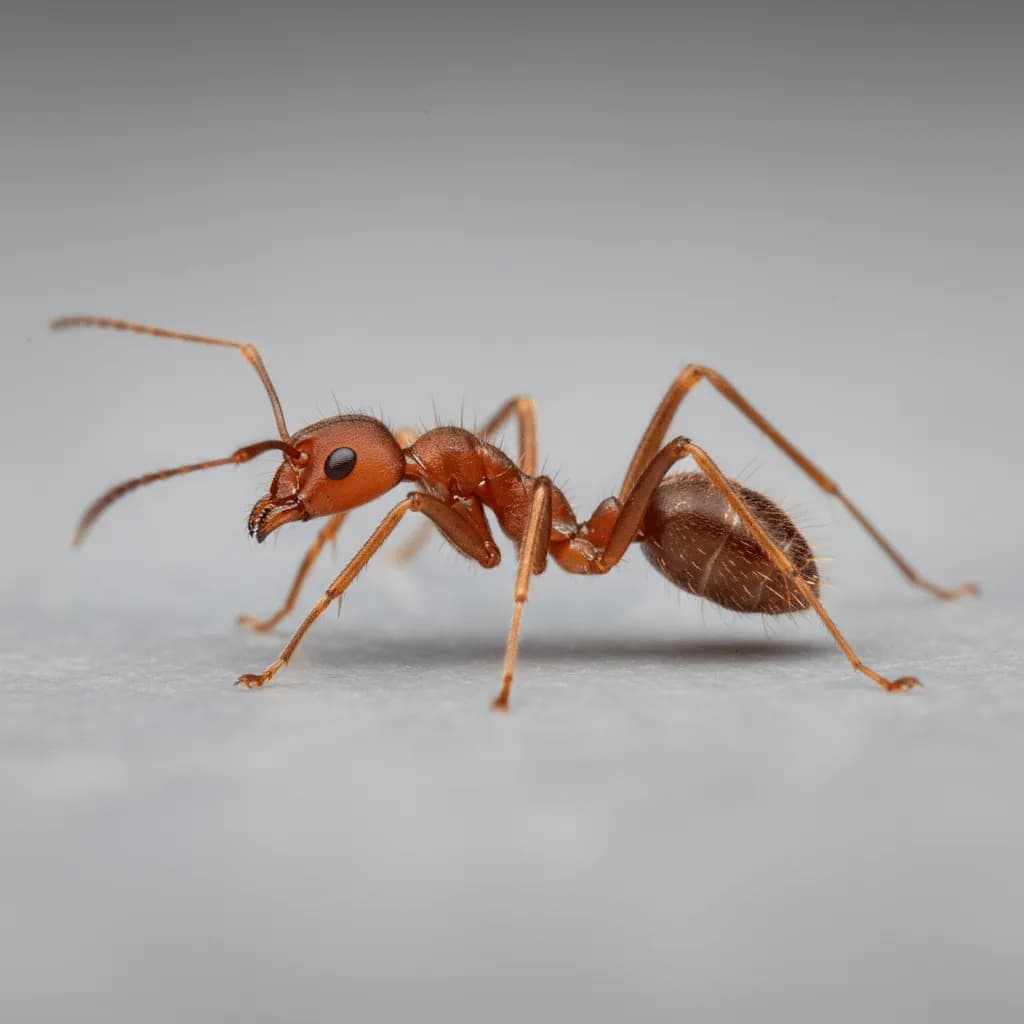
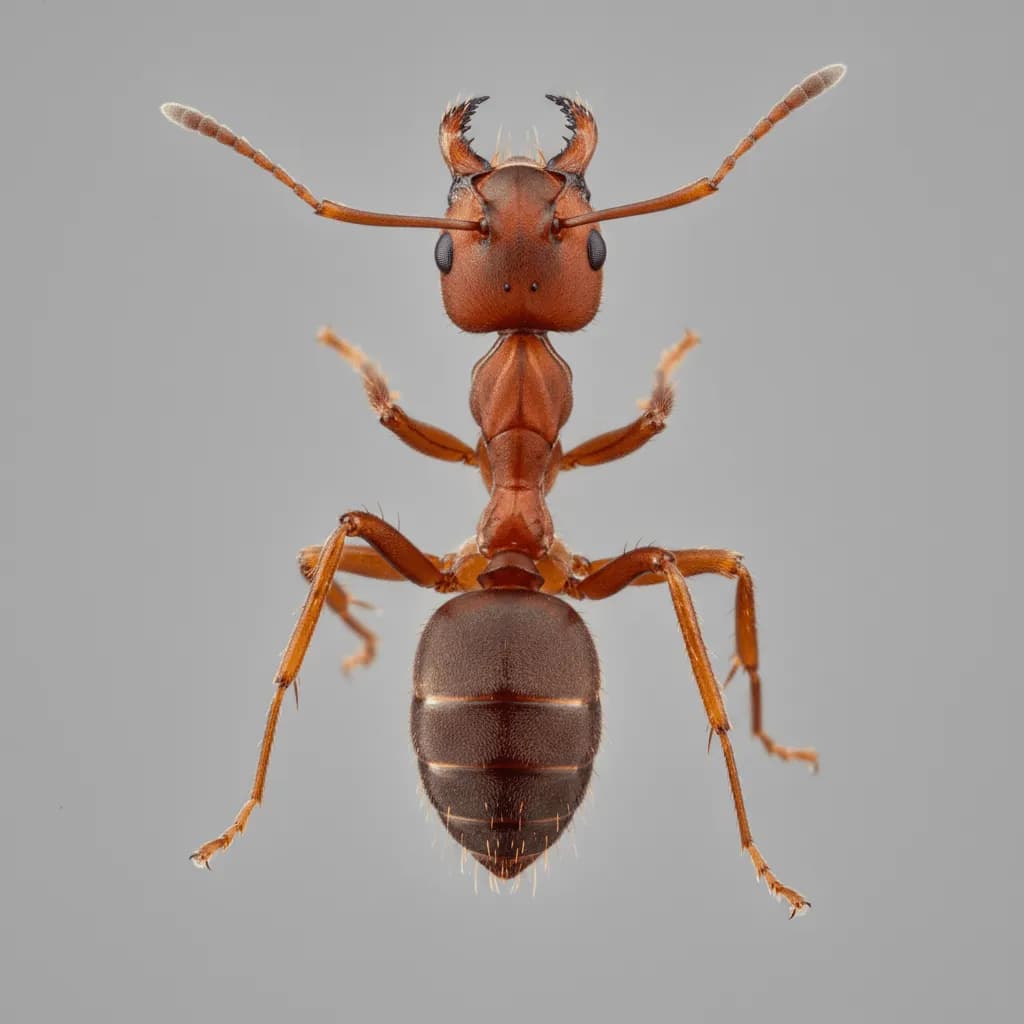
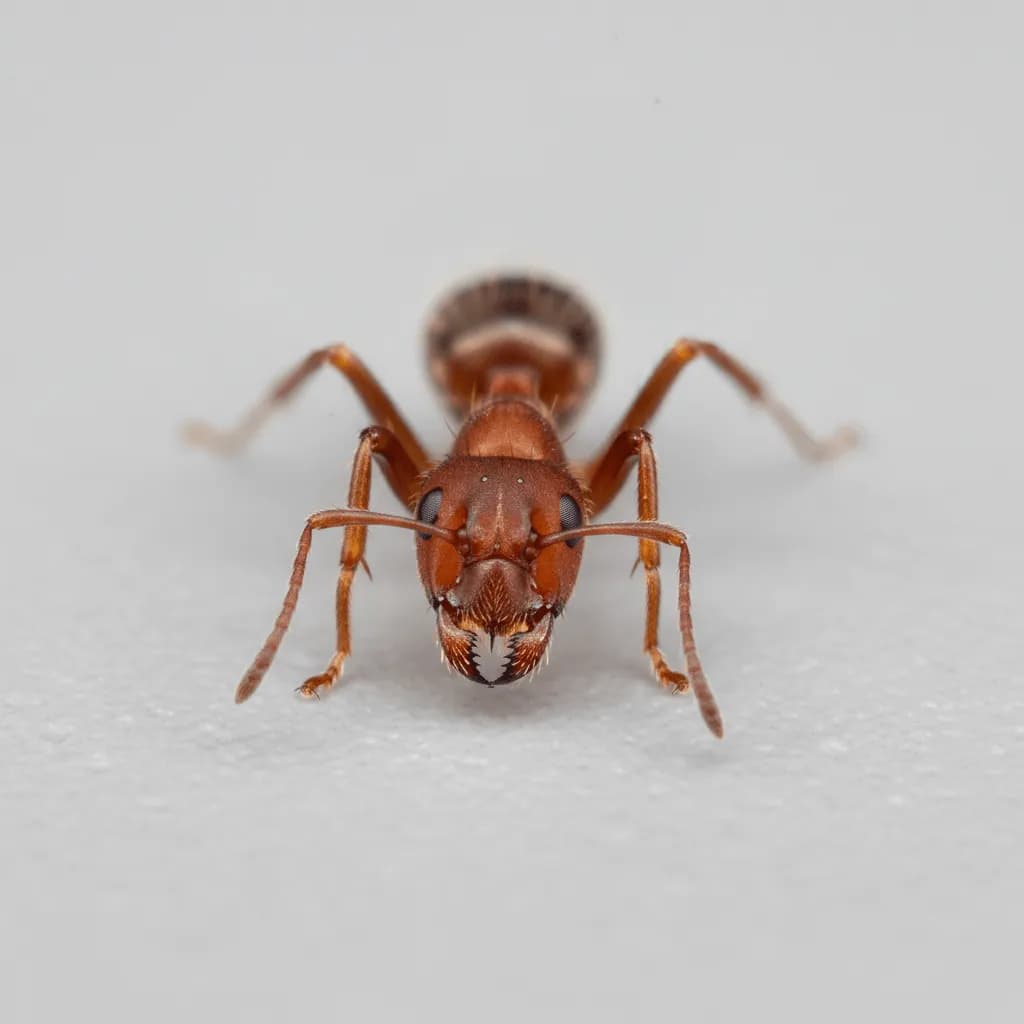
The Rasberry Crazy Ant is the same species as the Tawny Crazy Ant (Nylanderia fulva), named after the Texas pest control operator who first reported it. The common name persists in parts of Texas. It shares all biological and behavioral traits with the Tawny Crazy Ant, including explosive population growth and attraction to electrical equipment.
Identification
Size
2.0-2.3 mm
Color
Tawny brown with dense fine body hairs
Key Trait
Named after exterminator Tom Rasberry who first identified it in Texas; same species as the Tawny Crazy Ant.
Behavior & Habitat
Erratic rapid movement, massive population density, and strong attraction to electronics. Does not sting but overwhelms environments through sheer numbers.
Habitat: Same as Tawny Crazy Ant: leaf litter, mulch, wall voids, crawl spaces, and inside electrical equipment throughout Gulf Coast states.
Diet: Honeydew, small insects, fruit, and sweet liquids.
Signs of Infestation
- Carpets of small erratic ants on driveways and foundations
- Electrical equipment malfunction from ant accumulation
- Ants blanketing outdoor furniture and recreation areas
Risks & Damage
Dense aggregations in electrical panels, transformers, and appliances cause expensive failures.
Renders yards and patios unusable due to extreme population density.
Prevention Tips
- 1.Follow all prevention guidelines for tawny crazy ants
- 2.Seal electrical housings with approved sealants
- 3.Participate in community-wide management programs when available
- 4.Reduce ground-level moisture and debris near structures
Why DIY Treatment Often Falls Short
Identical to the Tawny Crazy Ant: the population is simply too large for consumer products to manage. Spraying dead ants releases alarm pheromones that attract millions more.
Professional Treatment
Treatment mirrors tawny crazy ant protocols: non-repellent perimeter treatments, targeted baiting, electrical enclosure treatment, and quarterly maintenance visits. Community-scale coordination dramatically improves outcomes.
Frequently Asked Questions
Is the Rasberry Crazy Ant the same as the Tawny Crazy Ant?
Why are there two names for the same ant?
What areas are most affected?
Need Help With Rasberry crazy ant?
If you're seeing signs of rasberry crazy ant in or around your home, professional treatment is the fastest way to stop the problem. Lotus Pest Control offers free inspections to identify the issue and recommend the right solution.
At a Glance
- Category
- Ants
- Scientific Name
- Nylanderia fulva
- Size
- 2.0-2.3 mm
- Color
- Tawny brown with dense fine body hairs
- Key Trait
- Named after exterminator Tom Rasberry who first identified it in Texas; same species as the Tawny Crazy Ant.
- Regions
- South Central, Southeast
- Threat Level
- High
- Risk Types
- electricalnuisance
- Seasonal Activity
- MarAprMayJunJulAugSepOctNovDecJanFebnonelowmoderatehighpeak