
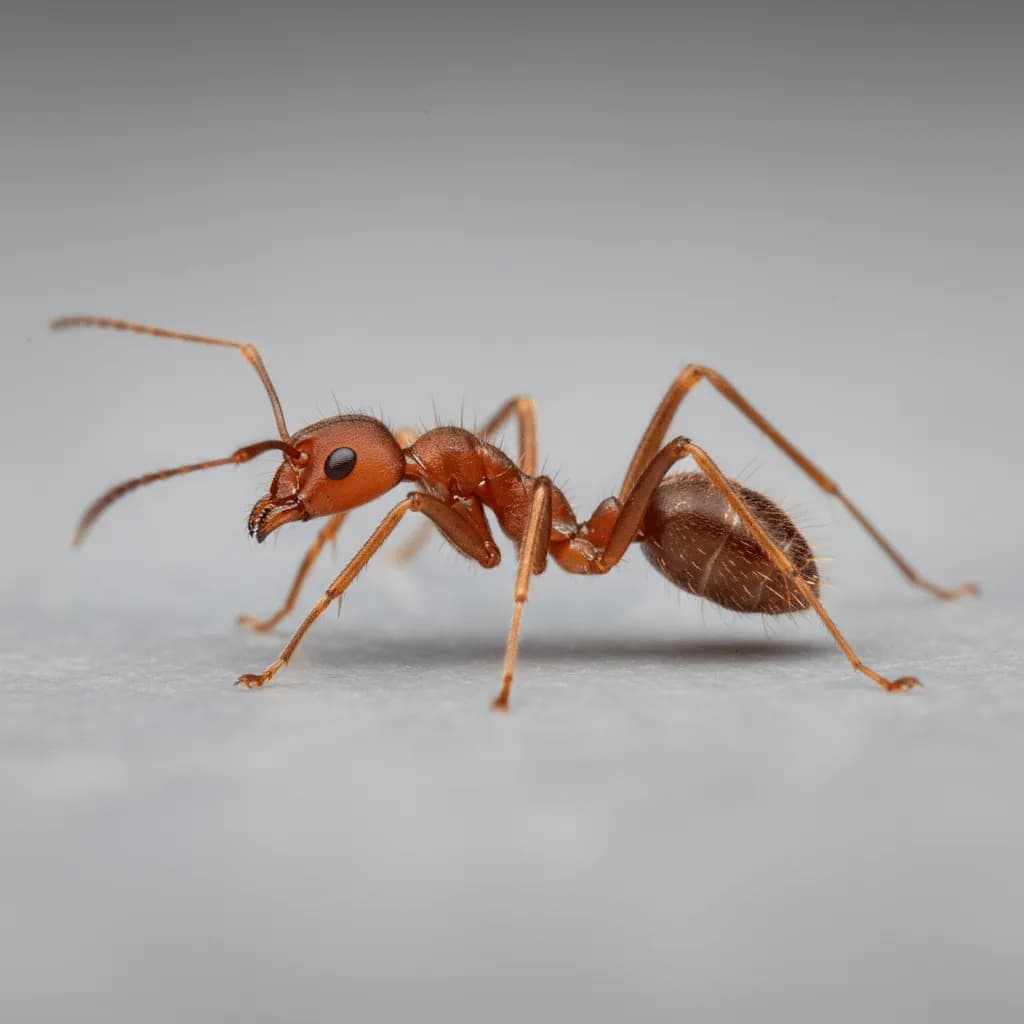
Tawny Crazy Ant
Nylanderia fulva
Also known as: Raspberry Crazy Ant, Hairy Crazy Ant
The Tawny Crazy Ant is an invasive species from South America that has spread rapidly across the Gulf Coast states since its discovery in Texas in 2002. It forms enormous populations that overwhelm native ants, clog electronics, and blanket outdoor living areas. Unlike fire ants, it does not sting, but its sheer biomass makes it profoundly disruptive.
Identification
Size
2.0-2.3 mm
Color
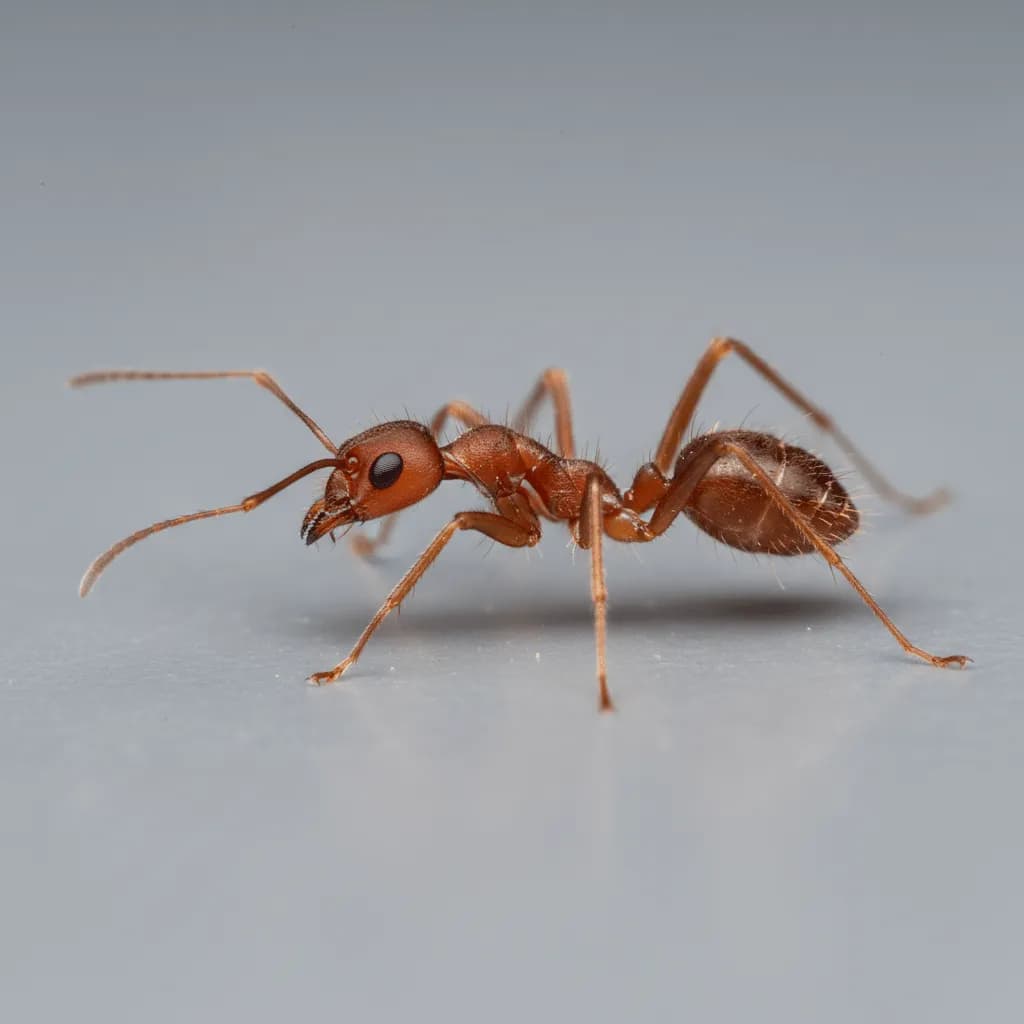
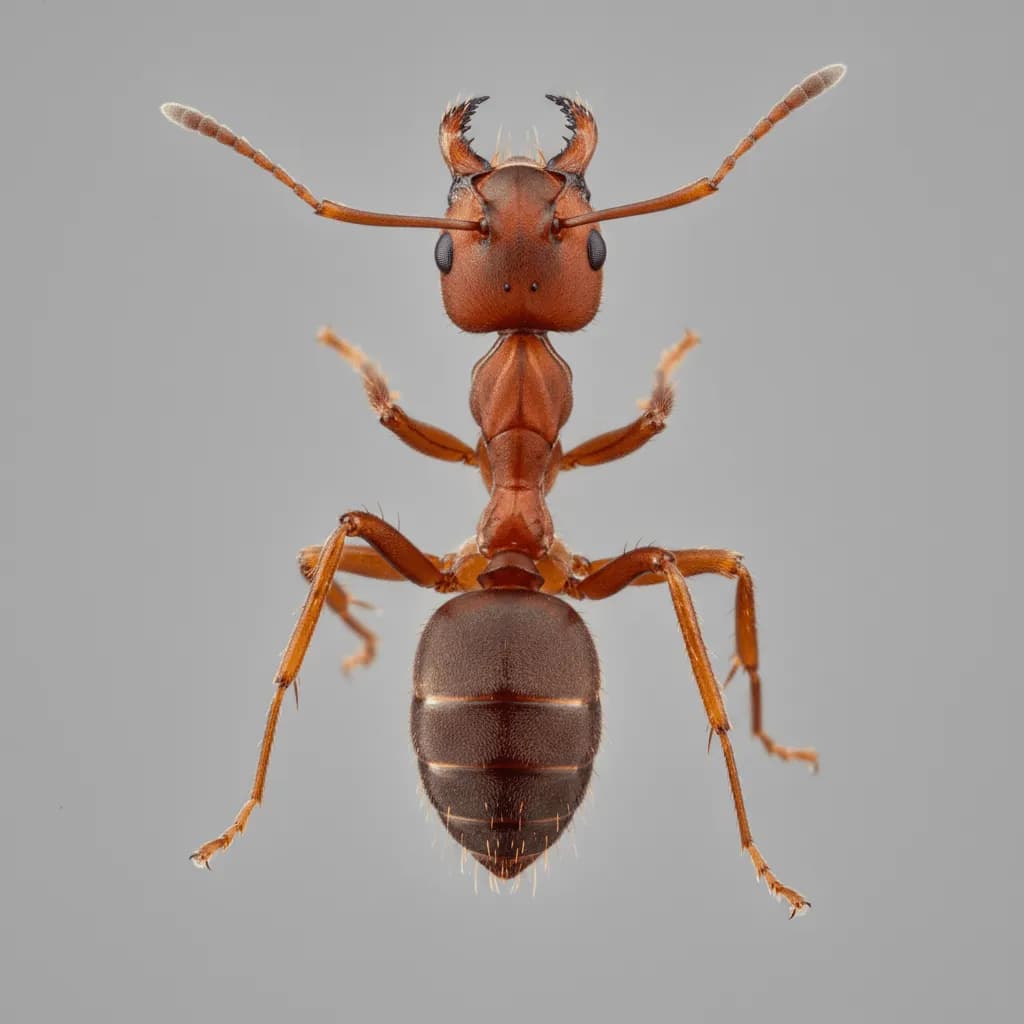
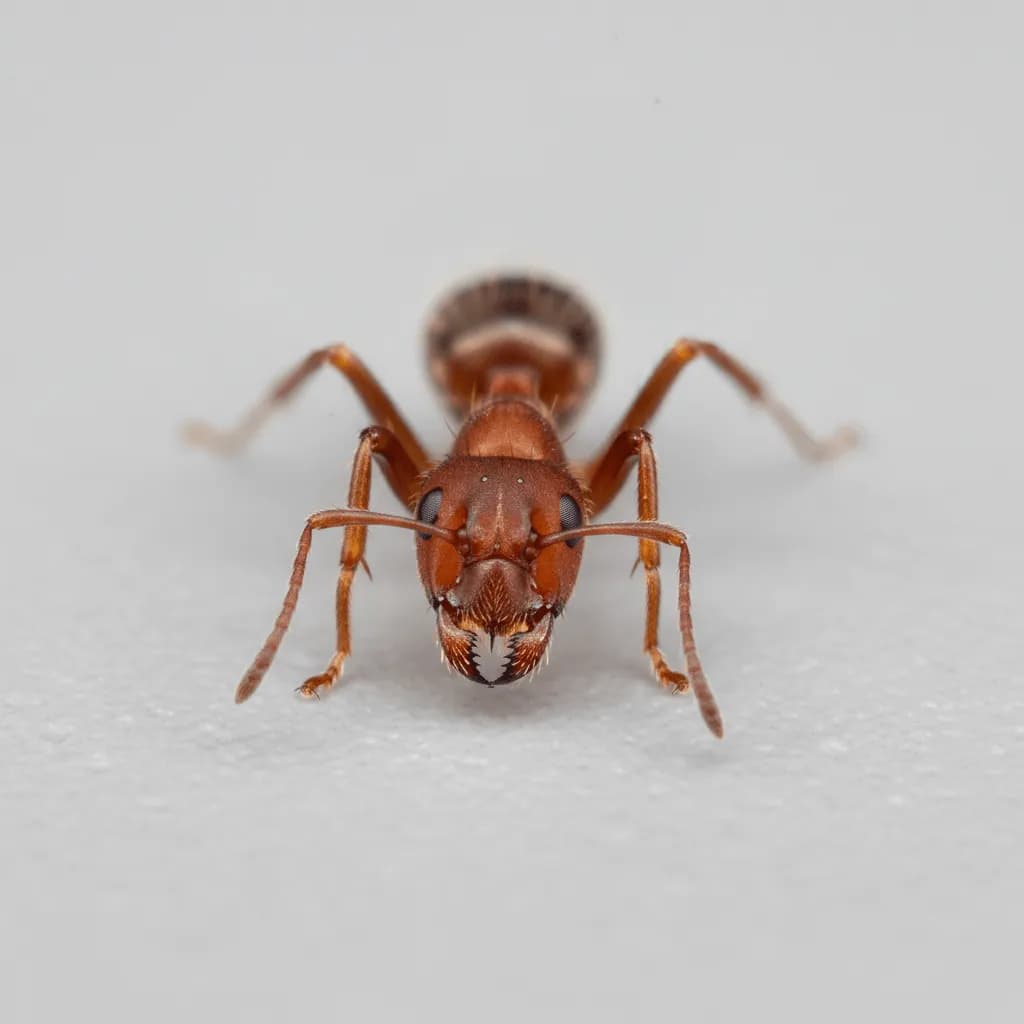
Tawny brown with a dense covering of fine hairs
Key Trait
Erratic, rapid movement pattern unlike the orderly trailing of most ants; enormous local populations that blanket surfaces.
Behavior & Habitat
Workers move in rapid, seemingly random paths rather than organized trails. Populations can reach billions per acre, covering the ground, structures, and vegetation in a living carpet. They are strongly attracted to electrical equipment.
Habitat: Leaf litter, mulch, under objects on the ground, and inside any available void. They readily invade electrical housings, wall voids, crawl spaces, and attics. Outdoors they dominate entire landscapes.
Diet: Honeydew from hemipteran insects, other arthropods, fruit, and sweet liquids.
Signs of Infestation
- Enormous numbers of small, fast-moving ants covering outdoor surfaces
- Ants densely packed inside electrical junction boxes and HVAC units
- Short-circuiting electronics and appliances
- Decline of native fire ant mounds as crazy ants displace them
Risks & Damage
Massive aggregations inside electrical equipment cause short circuits and equipment failure.
Populations can be so dense they render outdoor living areas unusable.
Overwhelming numbers can distress pets, particularly those in outdoor kennels.
Prevention Tips
- 1.Seal all electrical junction boxes and conduit entries with fine mesh
- 2.Reduce mulch and leaf litter near the home
- 3.Treat perimeters with professional-grade products before populations establish
- 4.Remove debris and ground cover that provide harborage
- 5.Coordinate with neighbors for area-wide management
Why DIY Treatment Often Falls Short
The astronomical population size means consumer products are quickly overwhelmed. Dead ants attract more ants, and repellent sprays are ineffective against the billions of individuals present. No single homeowner can manage this pest without professional and community-level intervention.
Professional Treatment
Professionals apply broad-spectrum non-repellent treatments in combination with targeted baiting around the structure and inside electrical enclosures. Quarterly treatments are essential because populations reinvade from surrounding areas. Area-wide coordinated programs yield the best long-term results.
Frequently Asked Questions
Are tawny crazy ants replacing fire ants?
Do tawny crazy ants sting?
Why are they attracted to electronics?
Need Help With Tawny crazy ant?
If you're seeing signs of tawny crazy ant in or around your home, professional treatment is the fastest way to stop the problem. Lotus Pest Control offers free inspections to identify the issue and recommend the right solution.
At a Glance
- Category
- Ants
- Scientific Name
- Nylanderia fulva
- Size
- 2.0-2.3 mm
- Color
- Tawny brown with a dense covering of fine hairs
- Key Trait
- Erratic, rapid movement pattern unlike the orderly trailing of most ants; enormous local populations that blanket surfaces.
- Regions
- South Central, Southeast, Southwest
- Threat Level
- High
- Risk Types
- electricalnuisancepets
- Seasonal Activity
- MarAprMayJunJulAugSepOctNovDecJanFebnonelowmoderatehighpeak