
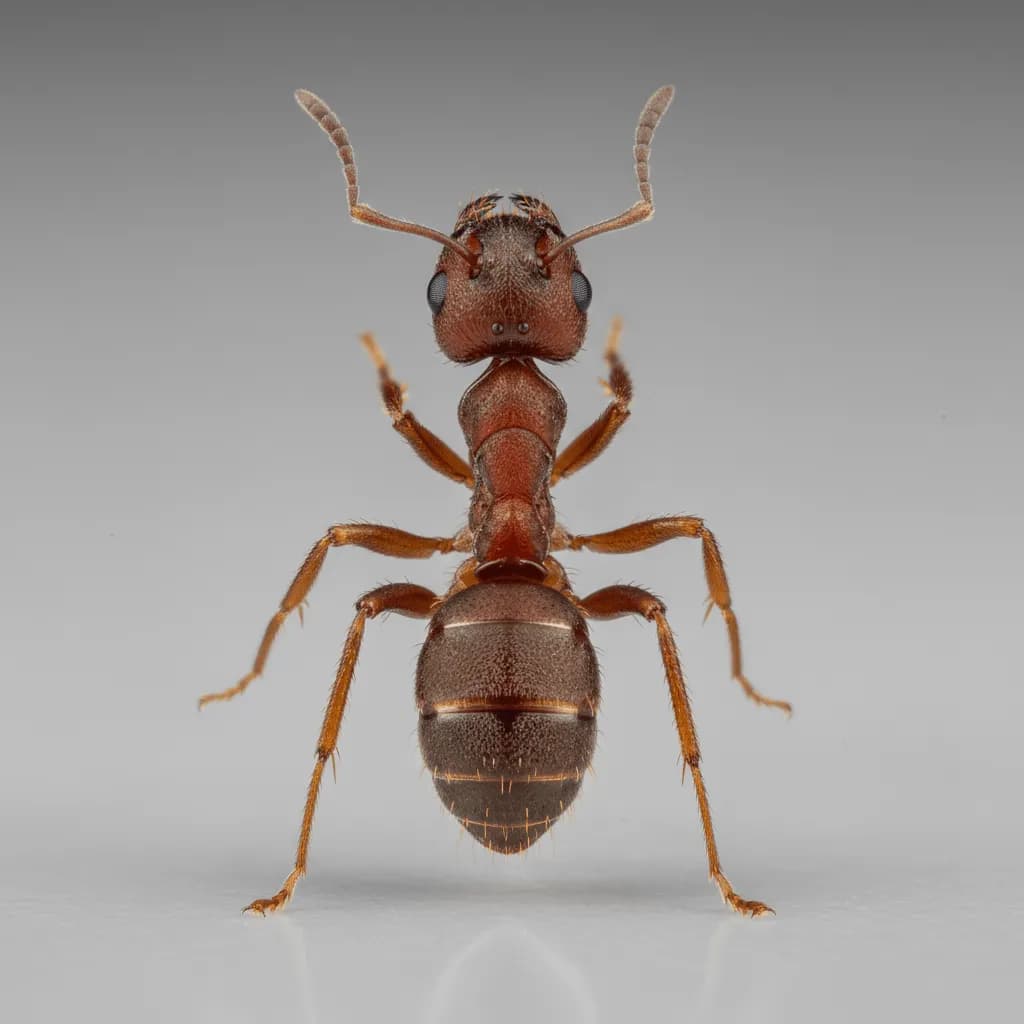
Pavement Ant
Tetramorium caespitum
Also known as: Sidewalk Ant
Pavement Ants are among the most common ant pests in the northeastern and midwestern United States. They nest under sidewalks, driveways, building slabs, and patios, pushing small mounds of sand through expansion joints and cracks. Colonies typically contain 3,000-5,000 workers and a single queen.
Identification
Size
2.5-4 mm
Color
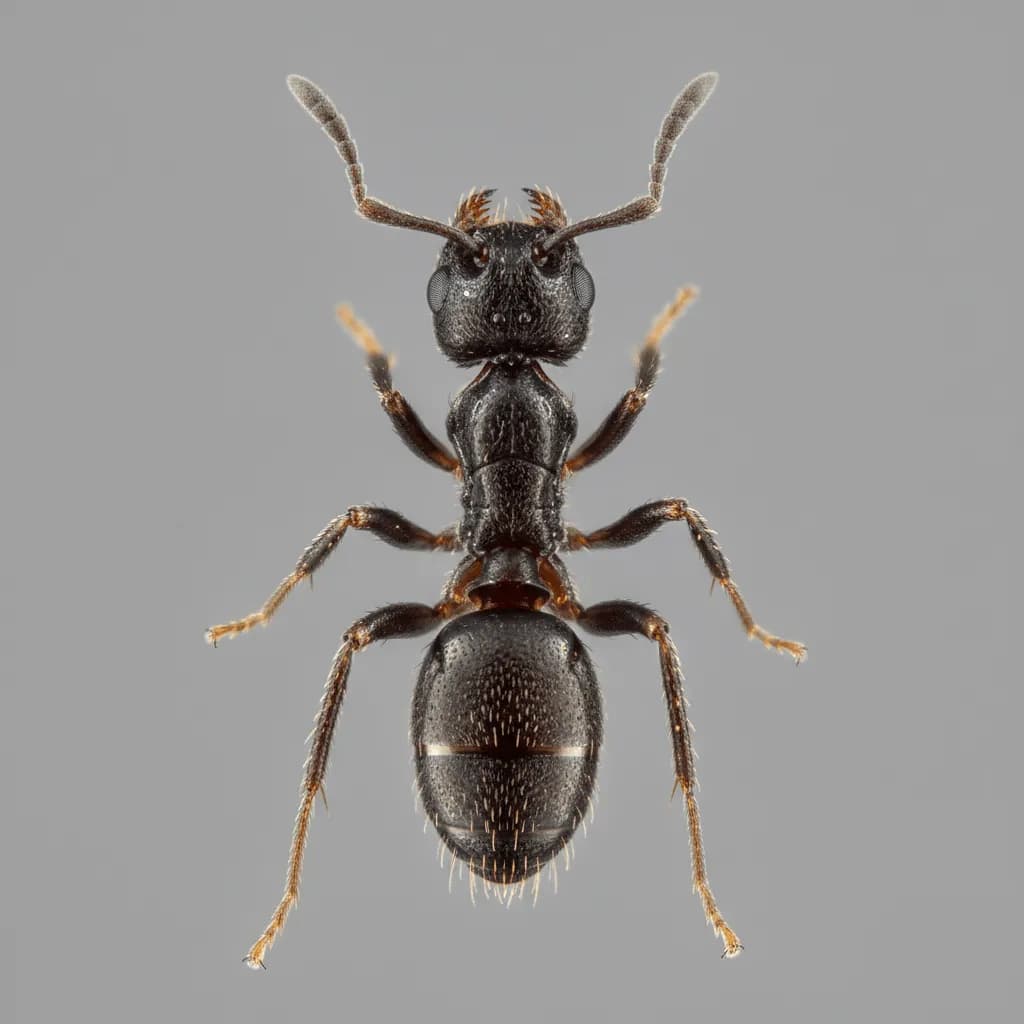
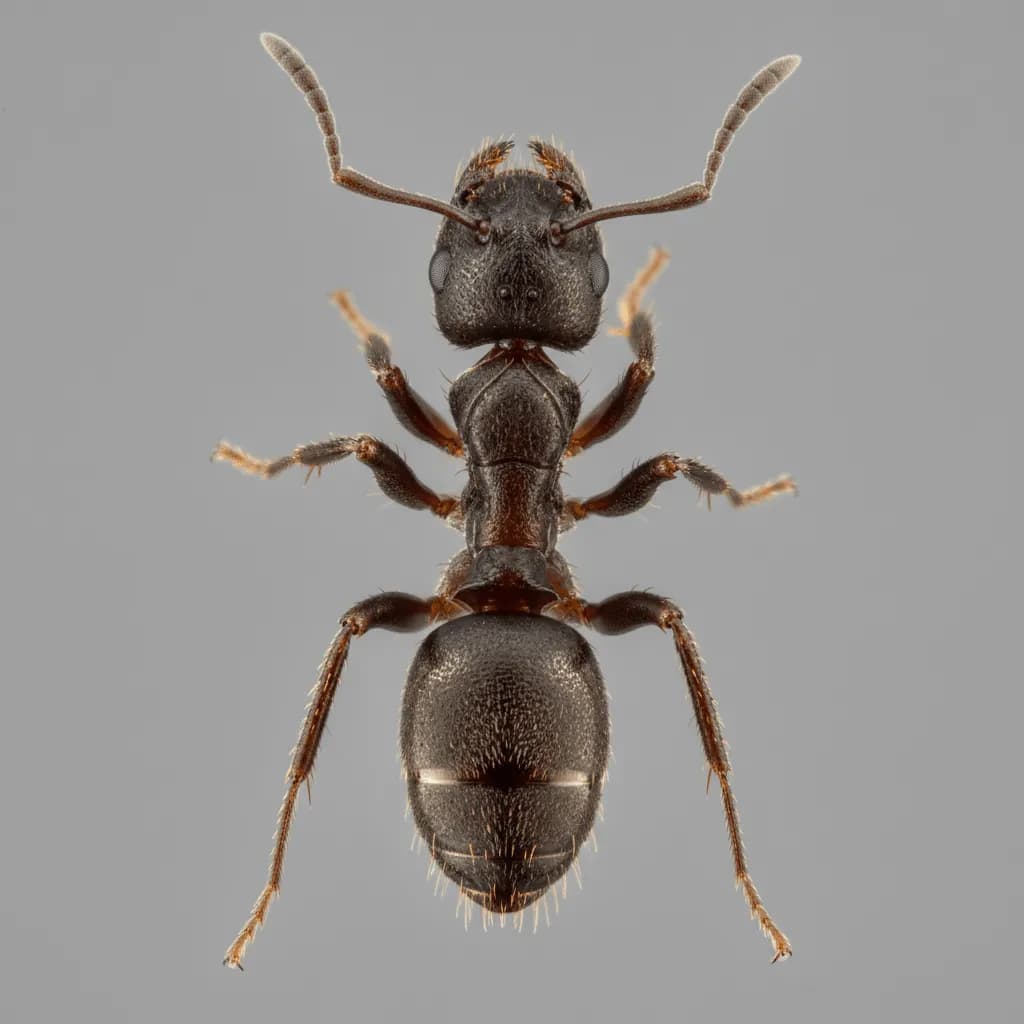
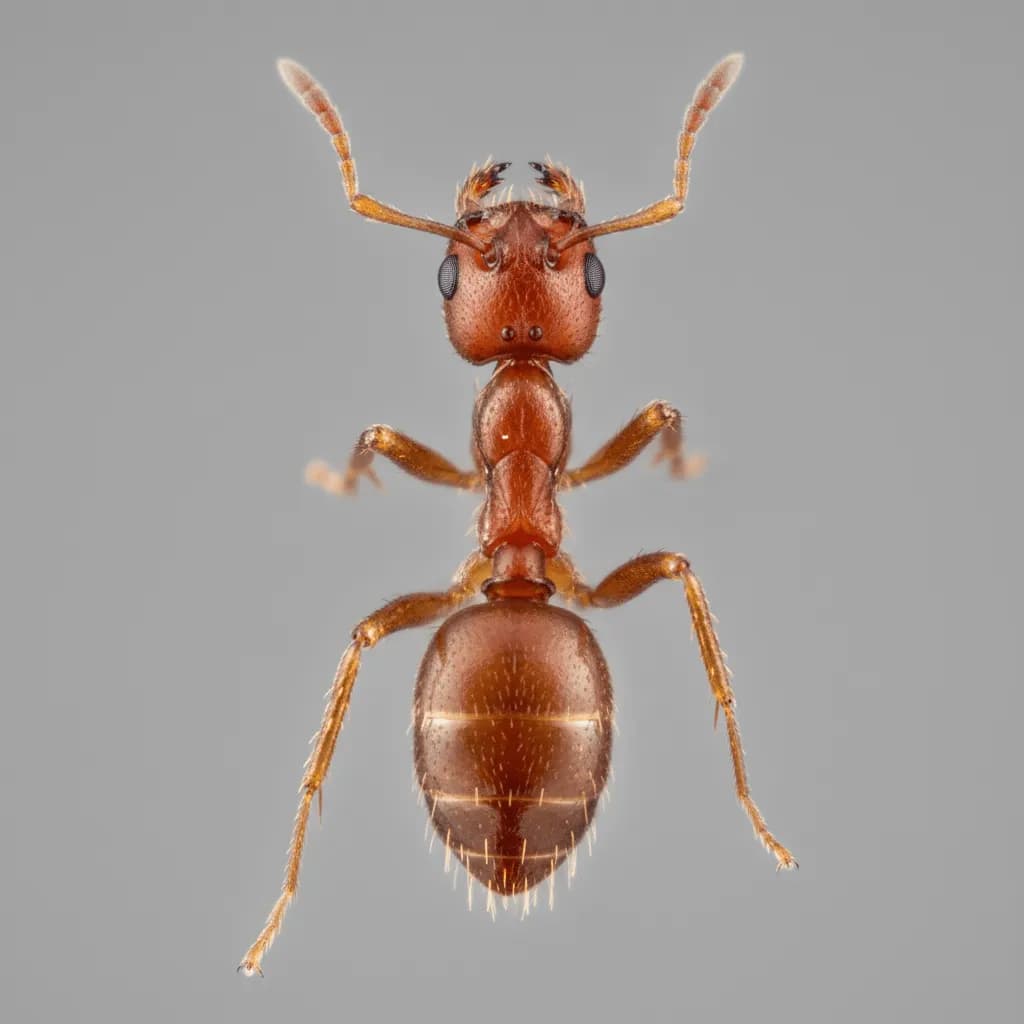
Dark brown to black with lighter-colored legs and antennae
Key Trait
Parallel grooves (striations) on the head and thorax visible under magnification; small piles of sand along pavement cracks.
Behavior & Habitat
Workers forage along defined trails and are drawn to greasy and sweet foods. Neighboring colonies frequently wage large-scale territorial battles on sidewalks in spring. They are most active at night and during warm, humid weather.
Habitat: Under pavement, concrete slabs, patios, and foundation walls. They exploit expansion joints and cracks to access heated structures in winter. Indoors they nest under floor slabs and in heated wall cavities.
Diet: Grease, sweets, seeds, dead insects, bread crumbs, and pet food.
Signs of Infestation
- Small sand mounds along cracks in driveways, sidewalks, or garage floors
- Ant trails along kitchen baseboards and countertops at night
- Large ant battles on sidewalks in spring
- Ants emerging from expansion joints in slab foundations
Risks & Damage
Persistent indoor foraging in kitchens and bathrooms disrupts daily routines.
Workers contaminate food storage and preparation areas as they forage.
Prevention Tips
- 1.Seal expansion joints and cracks in driveways and garage slabs
- 2.Keep food preparation areas clean and free of crumbs and grease
- 3.Store pantry items in airtight containers
- 4.Repair cracks in the foundation and slab edges
- 5.Avoid stacking firewood or debris against the foundation
Why DIY Treatment Often Falls Short
Because nests are deep under concrete, surface sprays and bait traps placed indoors rarely reach the queen. The colony continues to produce workers that find new routes inside, making the problem seem endless.
Professional Treatment
Technicians apply non-repellent liquid treatments along the foundation and inject gel baits into cracks and expansion joints. For slab-on-grade structures, sub-slab injection may be used to deliver product directly to the nest. A perimeter granular treatment provides lasting protection.
Frequently Asked Questions
What are the little sand piles on my driveway?
Why do pavement ants fight each other on sidewalks?
Can pavement ants damage my foundation?
Need Help With Pavement ant?
If you're seeing signs of pavement ant in or around your home, professional treatment is the fastest way to stop the problem. Lotus Pest Control offers free inspections to identify the issue and recommend the right solution.
At a Glance
- Category
- Ants
- Scientific Name
- Tetramorium caespitum
- Size
- 2.5-4 mm
- Color
- Dark brown to black with lighter-colored legs and antennae
- Key Trait
- Parallel grooves (striations) on the head and thorax visible under magnification; small piles of sand along pavement cracks.
- Regions
- Northeast, Midwest, Mid Atlantic, Pacific Northwest
- Threat Level
- Low
- Risk Types
- nuisancefood
- Seasonal Activity
- MarAprMayJunJulAugSepOctNovDecJanFebnonelowmoderatehighpeak