
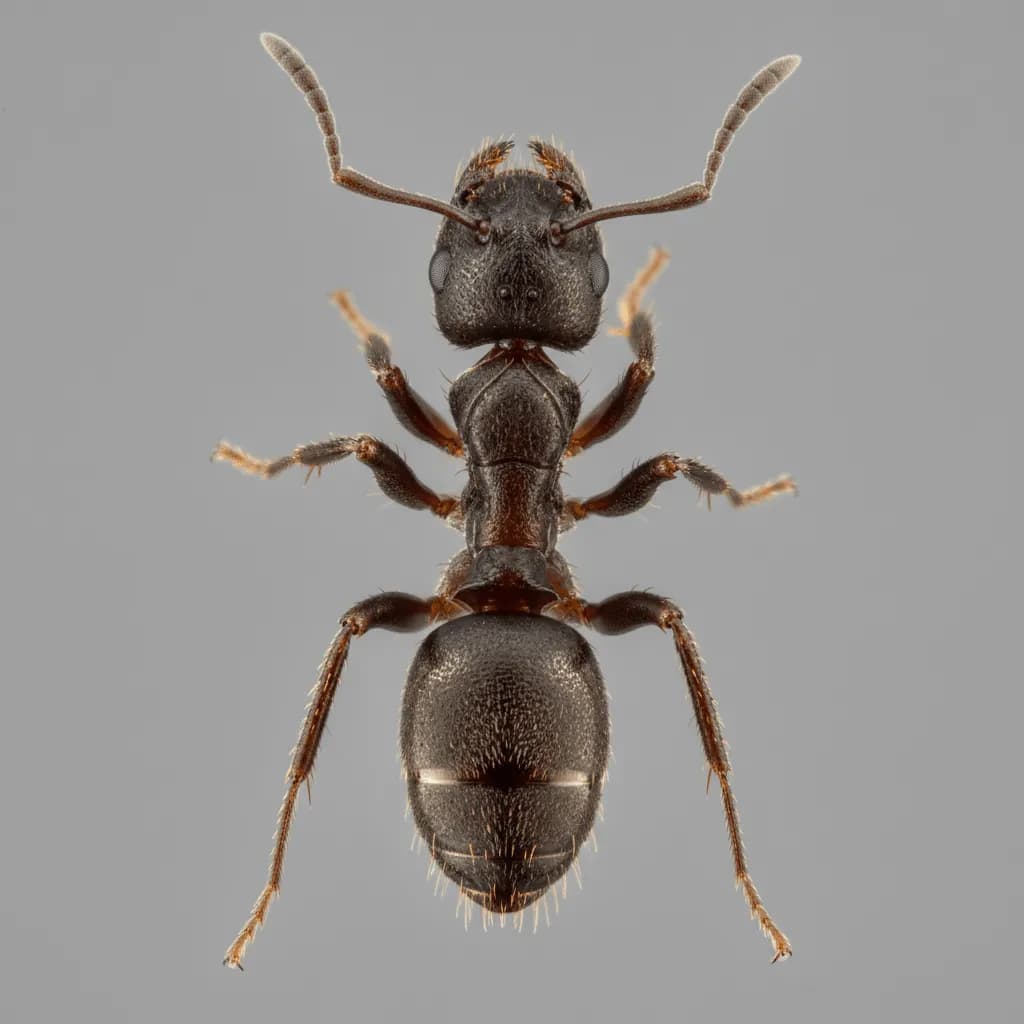
Odorous House Ant
Tapinoma sessile
Also known as: Stink Ant, Coconut Ant, OHA
The Odorous House Ant is one of the most common household-invading ants in the United States. Colonies can grow to tens of thousands of workers with multiple queens, making them difficult to eliminate. They are named for the pungent odor released when crushed.
Identification
Size
2.4-3.3 mm
Color
Dark brown to black
Key Trait
When crushed, emits a distinctive rotten-coconut or blue-cheese smell; single flat node hidden by the gaster.
Behavior & Habitat
Workers form long trailing lines along edges of countertops, baseboards, and exterior walls. Colonies readily relocate when disturbed, which means spraying them often makes the problem worse by causing the colony to split into multiple new colonies (budding).
Habitat: Nests under mulch, stones, potted plants, and siding outdoors. Indoors they colonize wall voids, under sinks, behind appliances, and near hot-water pipes. They prefer warm, moist areas.
Diet: Strongly attracted to sweets and honeydew; also feeds on dead insects and grease.
Signs of Infestation
- Long ant trails along kitchen counters and baseboards
- Rotten-coconut odor when ants are crushed
- Ants emerging from behind outlet covers or under sinks
- Trails leading to pet food bowls or sugary spills
Risks & Damage
Persistent indoor trailing contaminates food preparation surfaces and is difficult to stop without professional help.
Workers contaminate stored food and sugary items with bacteria as they forage.
Prevention Tips
- 1.Wipe down counters and stovetops nightly to remove grease and sugar residue
- 2.Store sweets and pet food in sealed containers
- 3.Fix plumbing leaks that create moisture attractive to nesting ants
- 4.Caulk cracks around windows, doors, and pipe penetrations
- 5.Pull mulch and ground cover at least 12 inches away from the foundation
Why DIY Treatment Often Falls Short
Spraying odorous house ants with repellent products causes colony budding, splitting one colony into multiple new ones. Over-the-counter baits may not contain enough active ingredient to reach all queens in a multi-queen supercolony.
Professional Treatment
Technicians deploy non-repellent liquid applications around the exterior and slow-acting gel or liquid bait stations inside. This allows workers to carry the toxicant back to all queens. Follow-up visits ensure the supercolony network is fully collapsed.
Related Pests
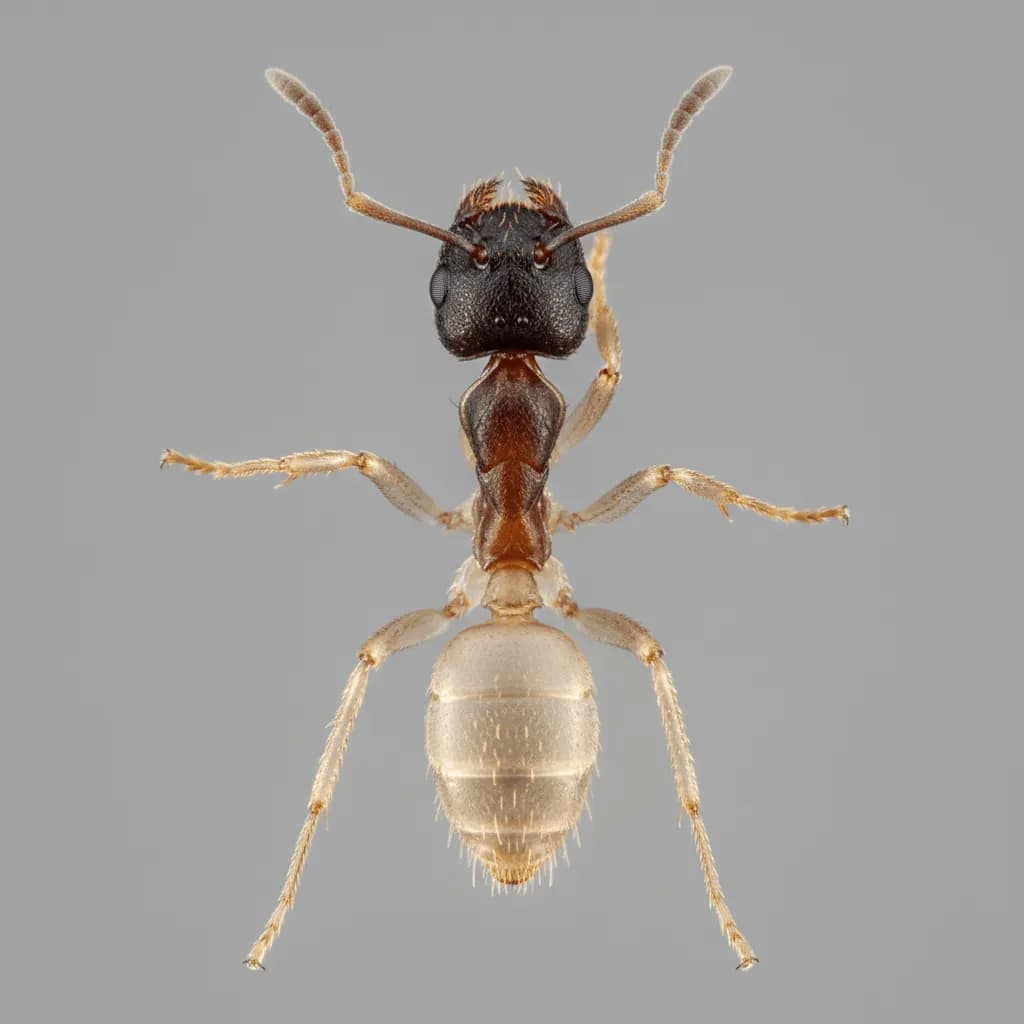
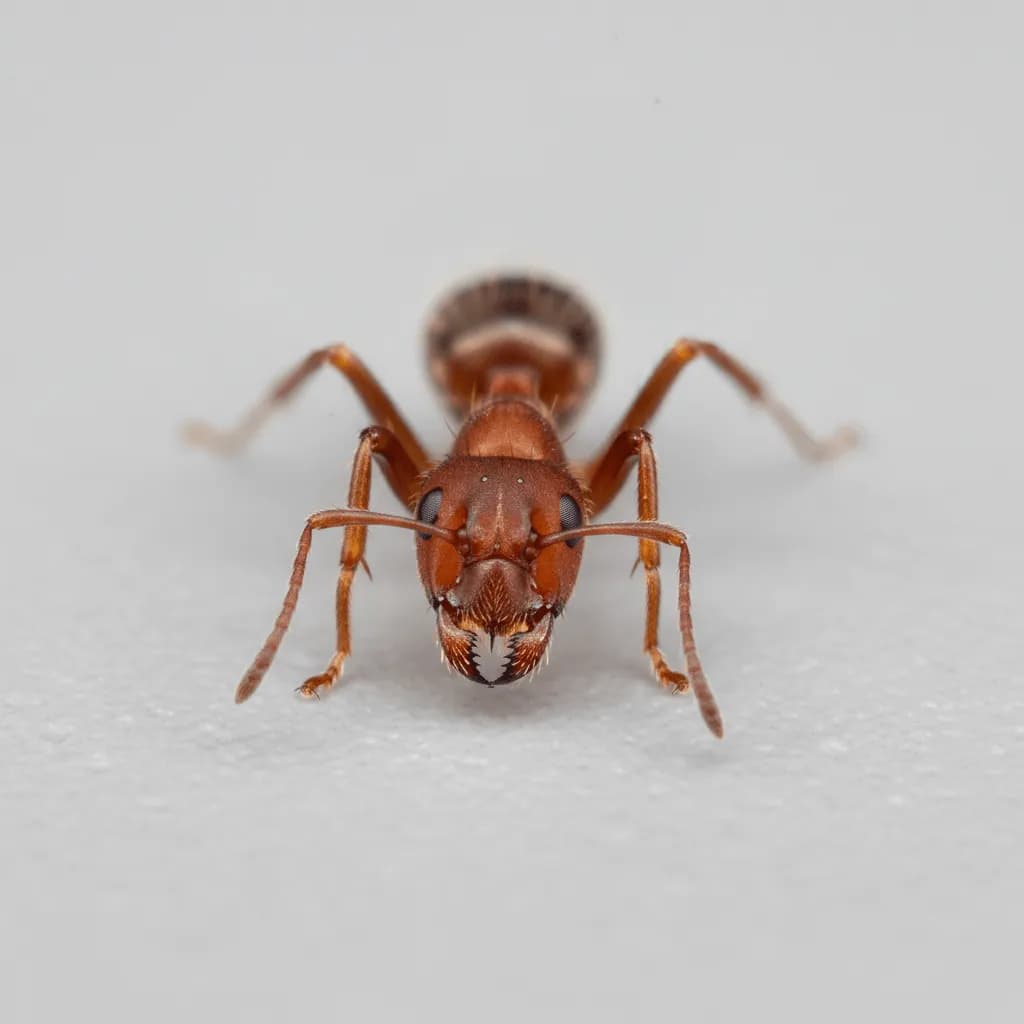
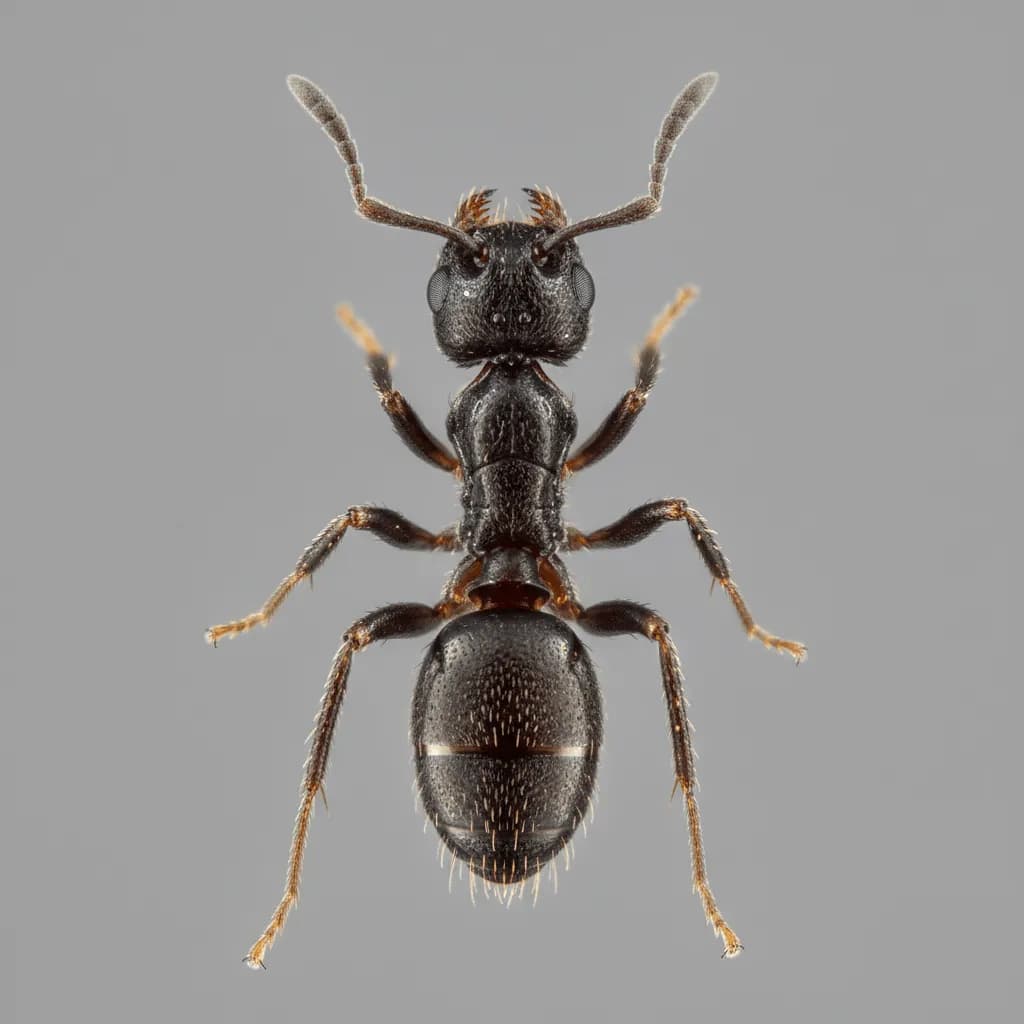
Frequently Asked Questions
Why does killing odorous house ants seem to make the problem worse?
Are odorous house ants dangerous?
Why do I see them near my bathroom sink?
Need Help With Odorous house ant?
If you're seeing signs of odorous house ant in or around your home, professional treatment is the fastest way to stop the problem. Lotus Pest Control offers free inspections to identify the issue and recommend the right solution.
At a Glance
- Category
- Ants
- Scientific Name
- Tapinoma sessile
- Size
- 2.4-3.3 mm
- Color
- Dark brown to black
- Key Trait
- When crushed, emits a distinctive rotten-coconut or blue-cheese smell; single flat node hidden by the gaster.
- Regions
- Northeast, Midwest, Southeast, Pacific Northwest, Southwest
- Threat Level
- Low
- Risk Types
- nuisancefood
- Seasonal Activity
- MarAprMayJunJulAugSepOctNovDecJanFebnonelowmoderatehighpeak