
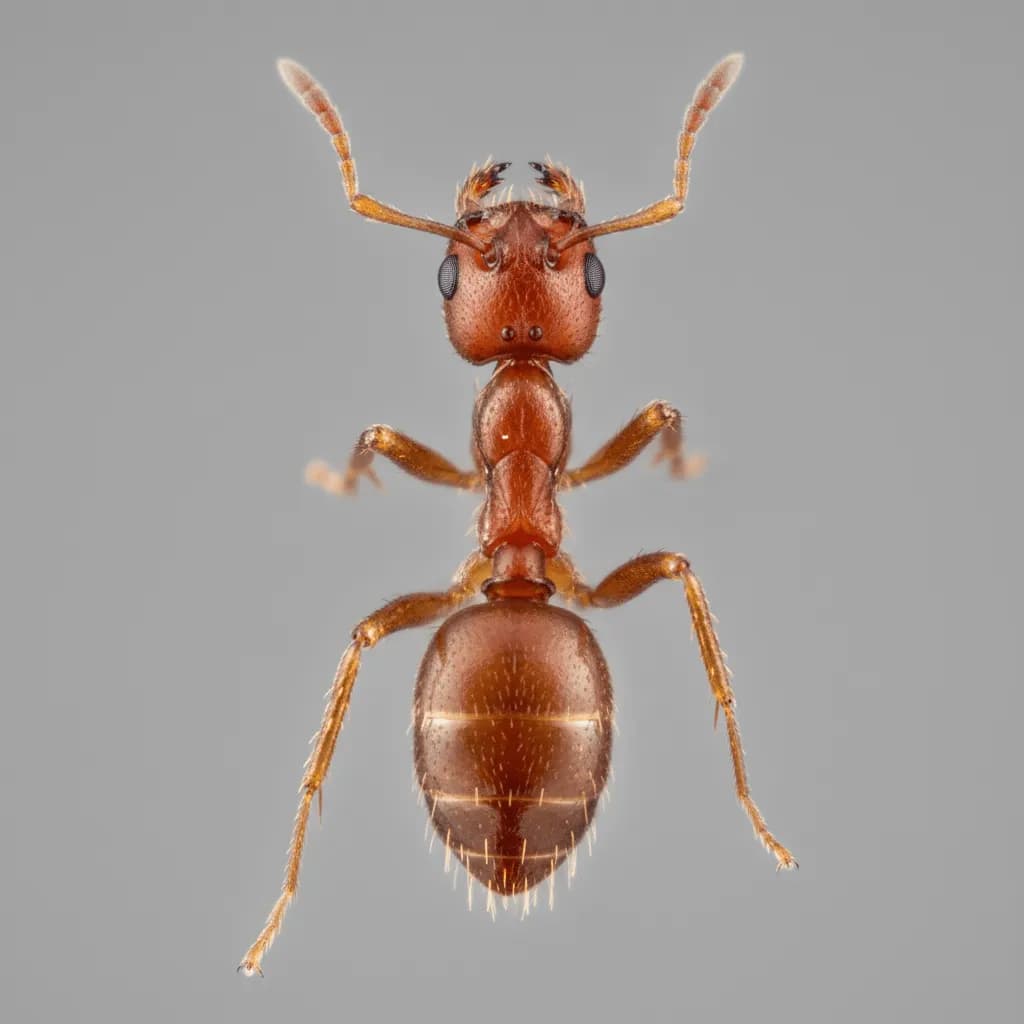
Thief Ant
Solenopsis molesta
Also known as: Grease Ant
The Thief Ant gets its name from its habit of nesting near larger ant colonies and stealing their food and brood. At barely 1.5 mm long, it is easily overlooked and often confused with the Pharaoh Ant. Its preference for greasy and protein-rich foods makes it a common kitchen pest, particularly in pantries storing cheese, meats, and nuts.
Identification
Size
1.3-1.8 mm
Color
Pale yellow to light brown
Key Trait
One of the smallest household ants; strongly attracted to greasy and high-protein foods rather than sweets.
Behavior & Habitat
Workers trail in thin, often hard-to-see lines along baseboards, inside cabinets, and through tiny cracks. They exploit minute gaps that larger ants cannot enter. Colonies are small but can be numerous in a single structure.
Habitat: Nests in soil, under rocks, inside wall voids, and in woodwork crevices. Outdoors they nest adjacent to the colonies of larger ant species to raid their resources.
Diet: Greasy foods, cheese, meat, peanut butter, nuts, dead insects, and the brood of other ants.
Signs of Infestation
- Tiny pale ants in kitchen cabinets near greasy foods
- Ants found inside sealed food packages that have minute gaps
- Barely visible trails along countertop edges and cabinet interiors
Risks & Damage
Their tiny size allows them to enter food packaging that excludes larger insects, contaminating stored goods.
Persistent pantry infestations are difficult to resolve without professional help.
Prevention Tips
- 1.Store greasy foods, cheese, and nuts in sealed glass or hard plastic containers
- 2.Clean grease splatters from stovetops and range hoods regularly
- 3.Seal even the smallest cracks around cabinets and baseboards
- 4.Remove pet food bowls after feeding times
Why DIY Treatment Often Falls Short
Thief ants are so small they pass through barriers that stop other ants. Sweet-based bait formulations are largely ignored because the species prefers grease and protein. Many DIY products simply are not formulated for this ant.
Professional Treatment
Professionals use protein- and grease-based gel baits placed in precise locations along active trails and inside wall voids. Non-repellent crack-and-crevice treatments target hidden nesting areas. Identifying the tiny trails often requires an experienced eye.
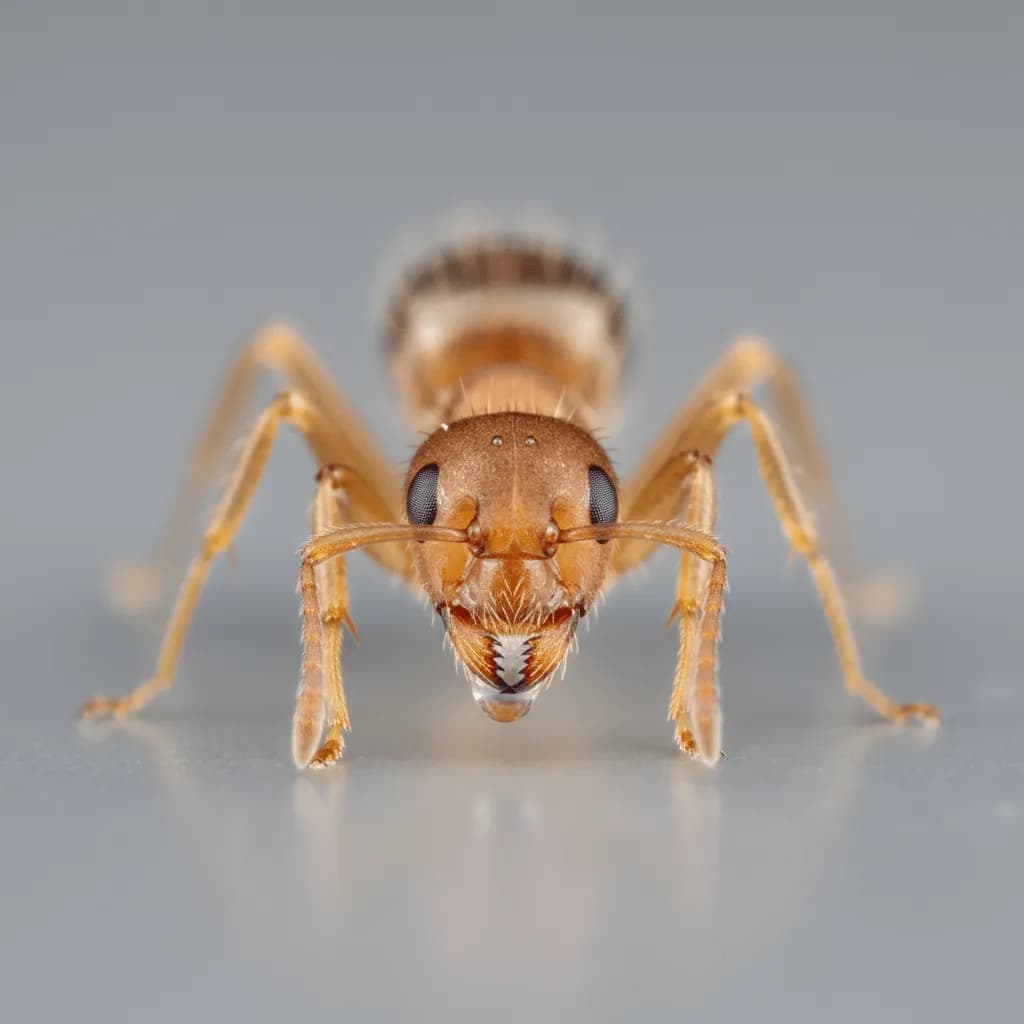
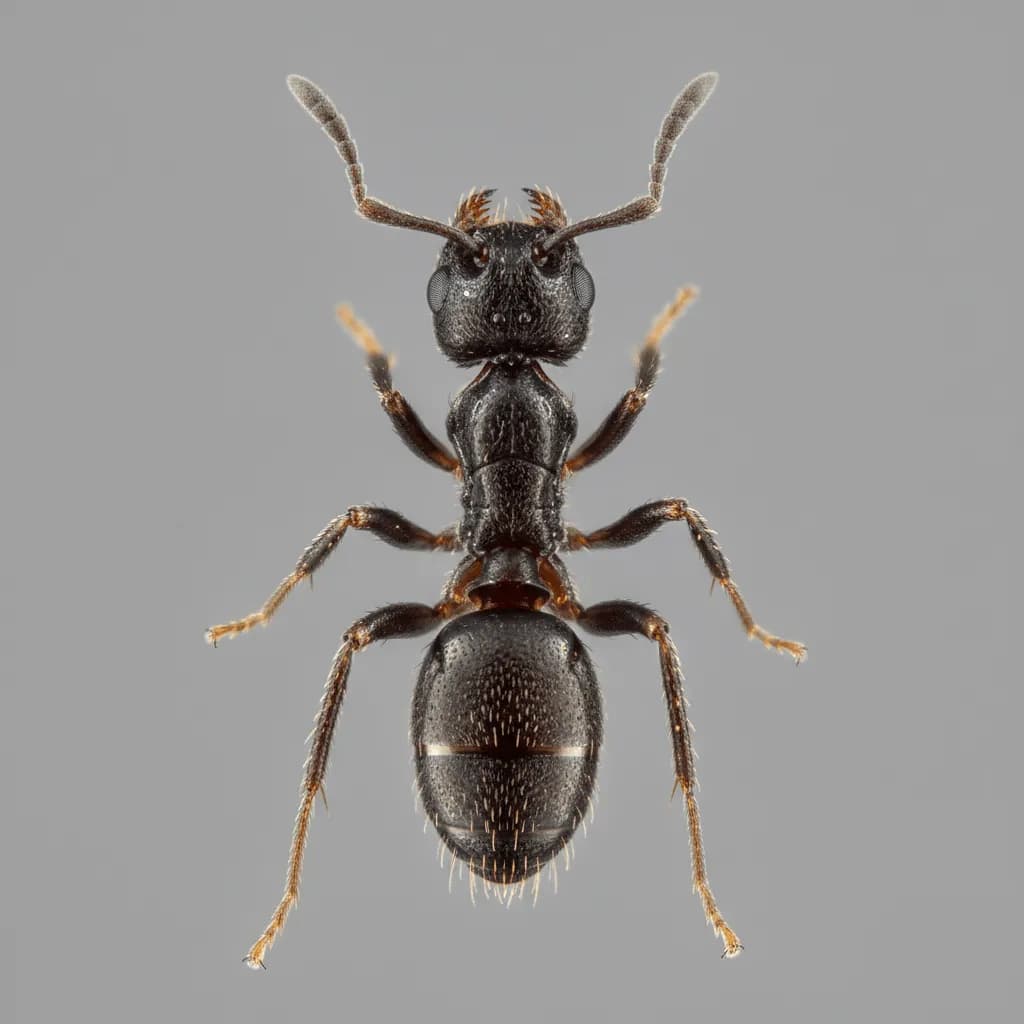
Related Pests
Frequently Asked Questions
How do I tell thief ants from Pharaoh ants?
Why are thief ants in my pantry?
Are thief ants harmful?
Need Help With Thief ant?
If you're seeing signs of thief ant in or around your home, professional treatment is the fastest way to stop the problem. Lotus Pest Control offers free inspections to identify the issue and recommend the right solution.
At a Glance
- Category
- Ants
- Scientific Name
- Solenopsis molesta
- Size
- 1.3-1.8 mm
- Color
- Pale yellow to light brown
- Key Trait
- One of the smallest household ants; strongly attracted to greasy and high-protein foods rather than sweets.
- Regions
- Northeast, Midwest, Southeast, South Central
- Threat Level
- Low
- Risk Types
- foodnuisance
- Seasonal Activity
- MarAprMayJunJulAugSepOctNovDecJanFebnonelowmoderatehighpeak