
Carpenter Ants
Carpenter ants are among the largest ants in North America, with workers ranging from 6 to 13 mm in length. Unlike termites, they do not eat wood but excavate smooth galleries to establish nesting sites, pushing frass (sawdust-like debris) out of kick-out holes. Colonies can contain 10,000 to 50,000 workers and may take years to cause visible structural damage. They prefer moist, decaying wood but will extend galleries into sound wood as the colony grows. Satellite colonies frequently establish in structures separate from the parent colony outdoors.
Species in This Group (2)
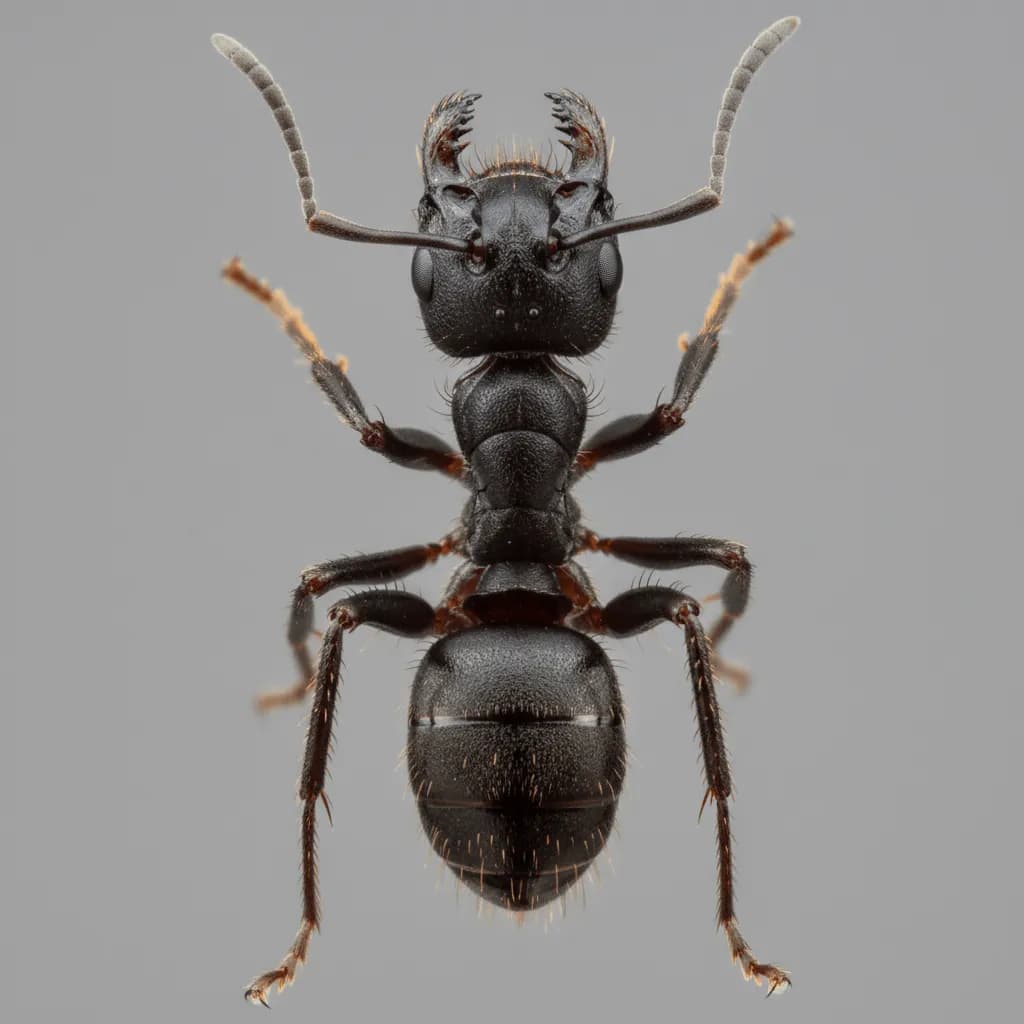
Black Carpenter Ant
Camponotus pennsylvanicus
The Black Carpenter Ant is the most common structural-pest ant in North America.
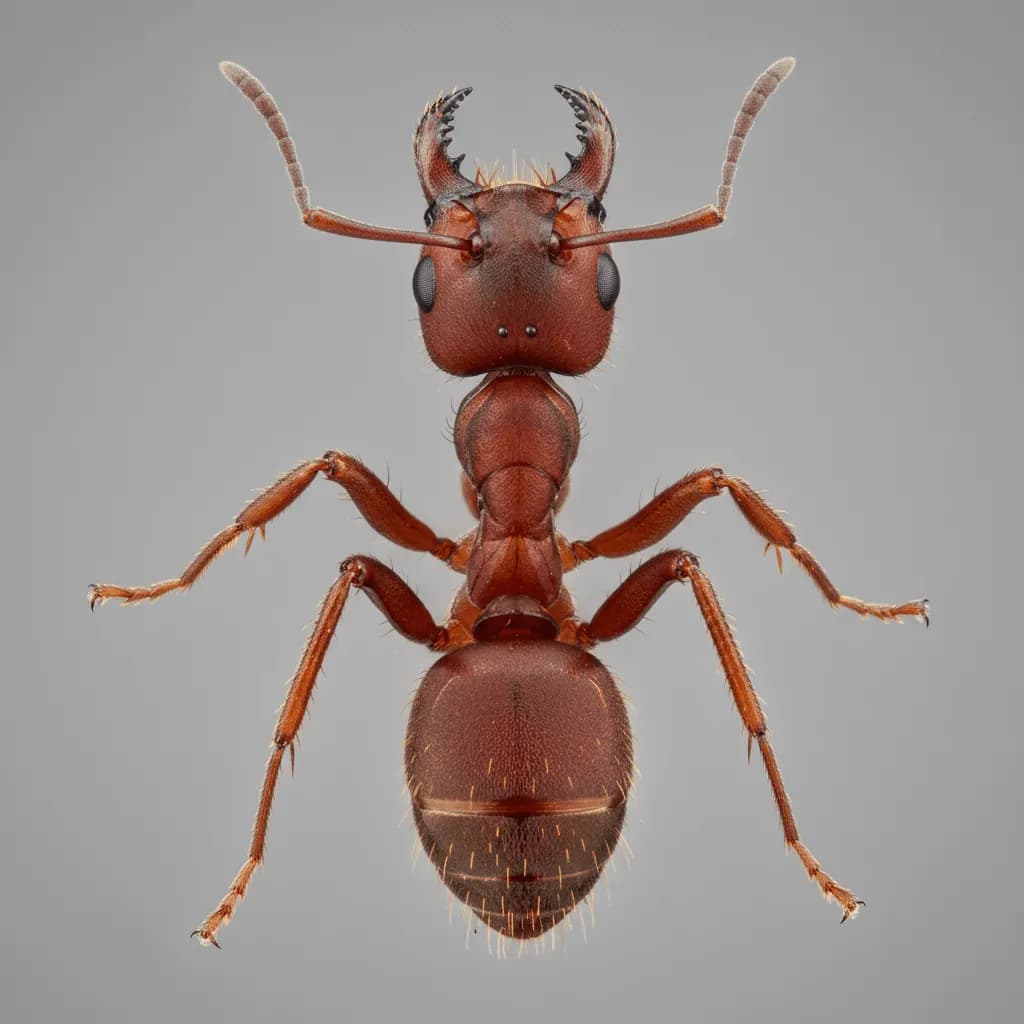
Red Carpenter Ant
Camponotus chromaiodes
The Red Carpenter Ant shares the wood-excavating habits of its black cousin but favors hardwood forests across the eastern United States.
Key Behaviors
Carpenter ants are primarily nocturnal foragers, traveling along well-defined trails between satellite colonies and food sources. They are attracted to moisture-damaged wood, foam insulation, and hollow doors for nesting, and they feed on honeydew, insects, and household sugars and proteins.
Risks & Concerns
Structural damage from gallery excavation can compromise load-bearing timbers, window frames, and deck posts over time. While they do not transmit disease, large colonies left untreated can cause thousands of dollars in repair costs. Their presence often indicates underlying moisture problems in the structure.
Identification Tip
Often confused with termites due to the wood damage they cause. Carpenter ant frass is clean and sawdust-like with insect parts, while termite frass is pellet-shaped (drywood) or mud-like (subterranean). Carpenter ants have elbowed antennae and a pinched waist; termites have straight antennae and a broad waist.
Quick Comparison
| Species | Size | Color | Key Trait |
|---|---|---|---|
| Black Carpenter Ant | 6-13 mm | Black, sometimes dark reddish-brown | Large size with a single node between thorax and abdomen and an evenly rounded thorax profile. |
| Red Carpenter Ant | 6-13 mm | Dark red to reddish-brown thorax with a black abdomen | Bicolored body with a distinctly red thorax and black gaster, otherwise shaped like the black species. |
Need Help With Carpenter ants?
If you're seeing signs of carpenter ants in or around your home, professional treatment is the fastest way to stop the problem. Lotus Pest Control offers free inspections to identify the issue and recommend the right solution.