
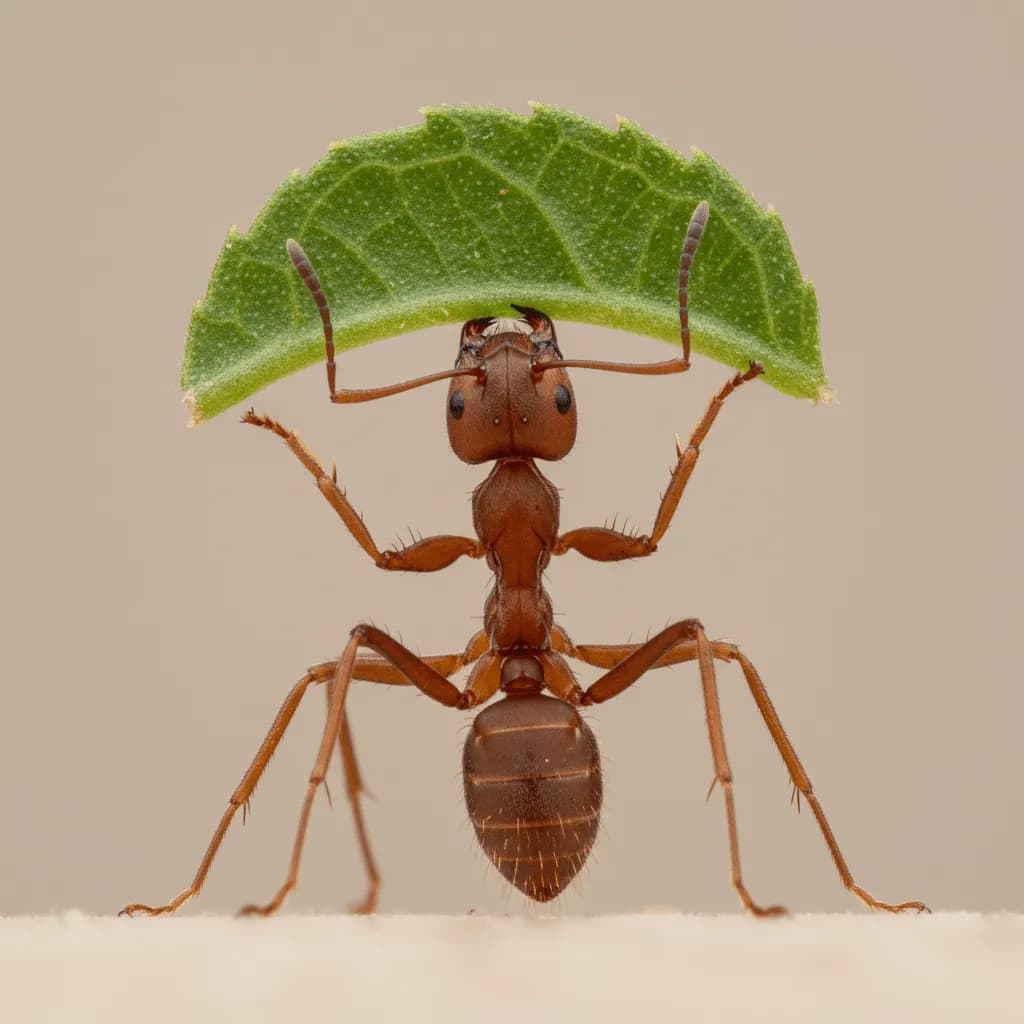
Texas Leaf-Cutter Ant
Atta texana
Also known as: Town Ant, Parasol Ant
The Texas Leaf-Cutter Ant is the only leaf-cutting ant in the United States. Colonies can contain millions of workers and occupy underground chambers spanning thousands of square feet. Workers cut leaves from trees and shrubs and carry them underground to cultivate a symbiotic fungus, which is the colony's sole food source.
Identification
Size
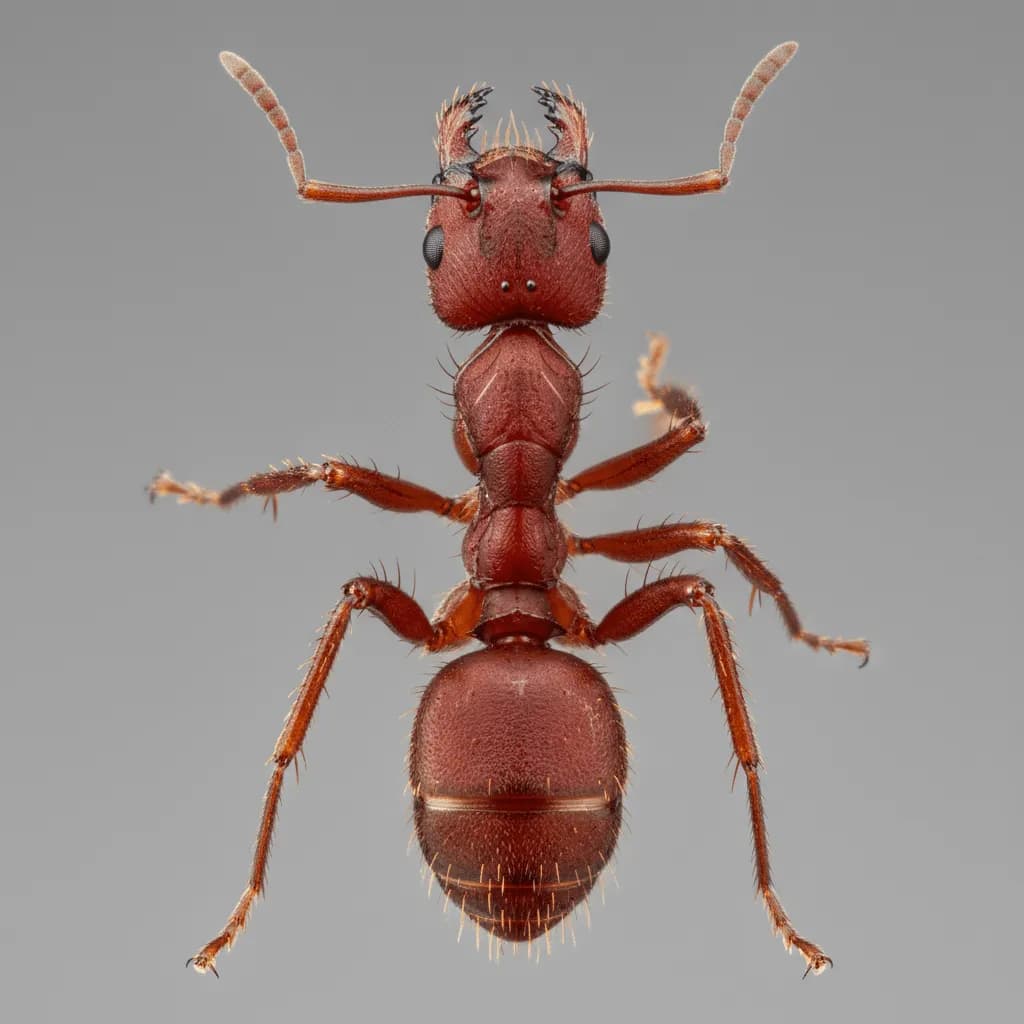
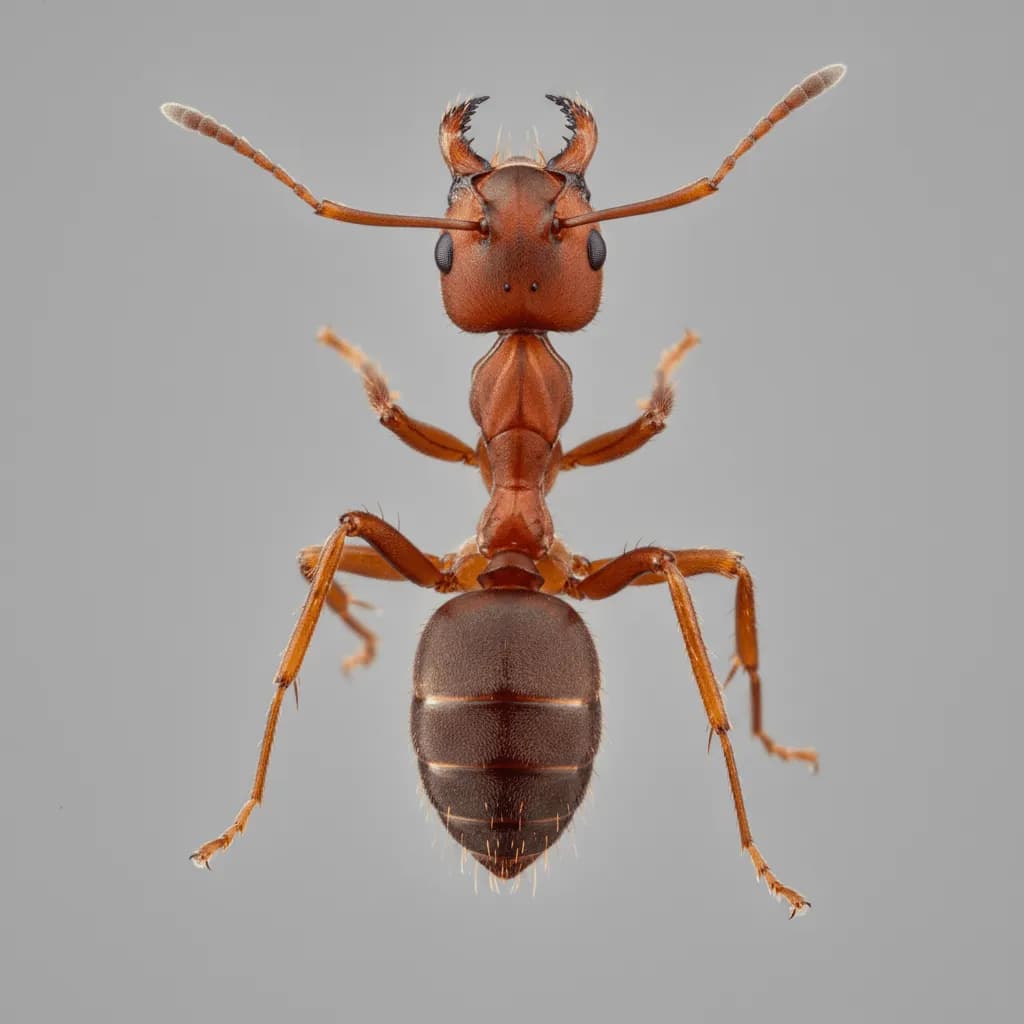
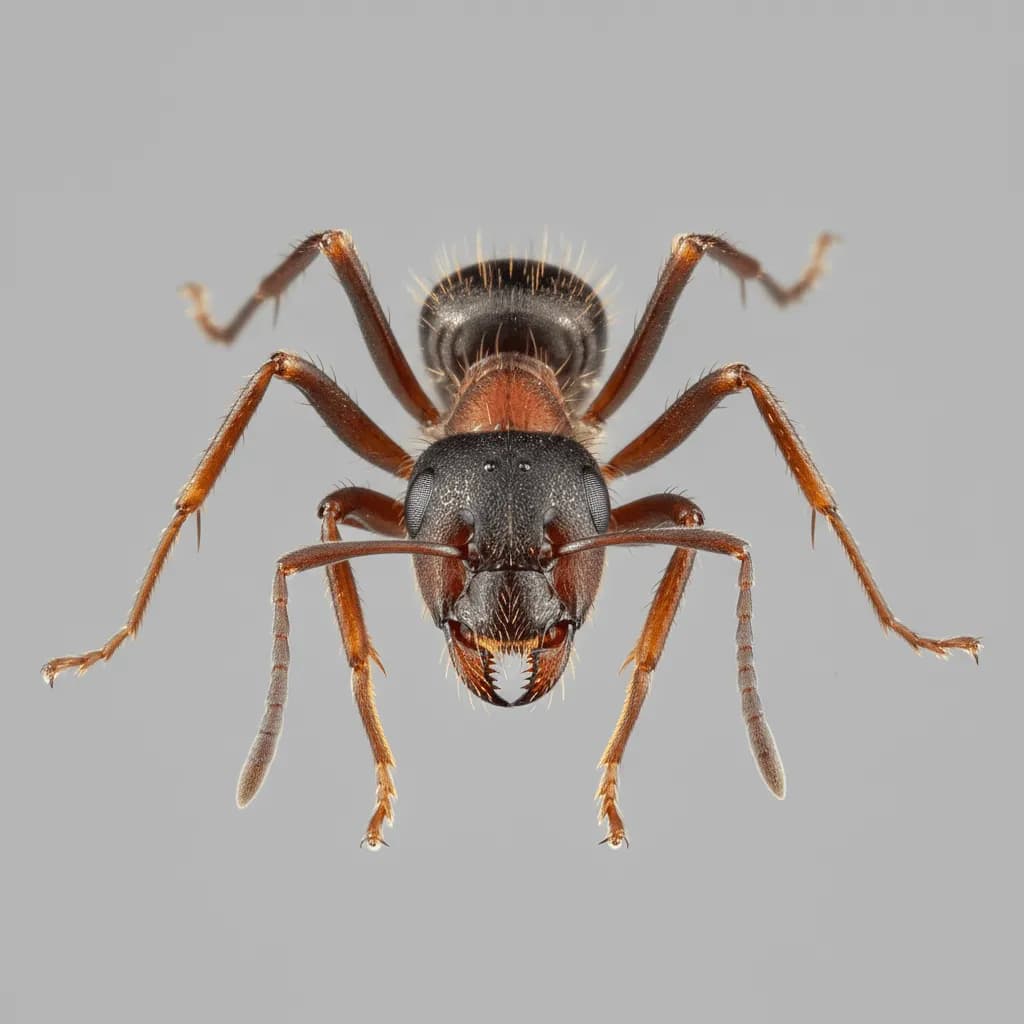
1.5-12 mm (polymorphic)
Color
Rusty brown to dark brown
Key Trait
Workers carry freshly cut leaf fragments above their heads like parasols along wide, cleared foraging highways.
Behavior & Habitat
Workers form conspicuous foraging highways up to hundreds of feet long, cleared of debris. Different castes cut, carry, and process the leaf fragments. Colonies are long-lived, with queens surviving over 20 years.
Habitat: Well-drained sandy or loamy soils in eastern Texas and western Louisiana. Mound areas can cover 1,000 square feet or more with multiple entrance craters.
Diet: The colony feeds exclusively on a cultivated fungus garden grown on processed leaf material.
Signs of Infestation
- Wide, cleared trails through vegetation leading to underground nest craters
- Ants carrying green leaf fragments in procession
- Stripped ornamental plants and small trees
- Large bare areas with multiple soil craters
Risks & Damage
Colonies strip ornamental plants, young fruit trees, and garden vegetables overnight.
Can defoliate small orchards and nursery stock, causing significant economic loss.
Prevention Tips
- 1.Apply citrus-based or diatomaceous earth barriers around prized plants
- 2.Treat colonies early when they are small and manageable
- 3.Plant species that leaf-cutter ants tend to avoid near the home
- 4.Maintain vigilance in spring when new queens establish colonies
Why DIY Treatment Often Falls Short
Colonies are enormous and can extend 15-20 feet deep. Consumer products treat the surface but do not reach the fungus garden or the queen, both of which are deep underground. The colony simply regrows foraging trails after surface disturbance.
Professional Treatment
Professionals use specially formulated granular bait that workers carry to the fungus garden. When the fungus is killed, the colony starves. Treatment of large, mature colonies may require multiple applications and mechanical disruption of surface trails.
Frequently Asked Questions
Do leaf-cutter ants eat the leaves they cut?
Can one colony really defoliate a tree?
How long do leaf-cutter ant colonies live?
Need Help With Texas leaf-cutter ant?
If you're seeing signs of texas leaf-cutter ant in or around your home, professional treatment is the fastest way to stop the problem. Lotus Pest Control offers free inspections to identify the issue and recommend the right solution.
At a Glance
- Category
- Ants
- Scientific Name
- Atta texana
- Size
- 1.5-12 mm (polymorphic)
- Color
- Rusty brown to dark brown
- Key Trait
- Workers carry freshly cut leaf fragments above their heads like parasols along wide, cleared foraging highways.
- Regions
- South Central
- Threat Level
- Moderate
- Risk Types
- lawnagricultural
- Seasonal Activity
- MarAprMayJunJulAugSepOctNovDecJanFebnonelowmoderatehighpeak