
Pharaoh Ants
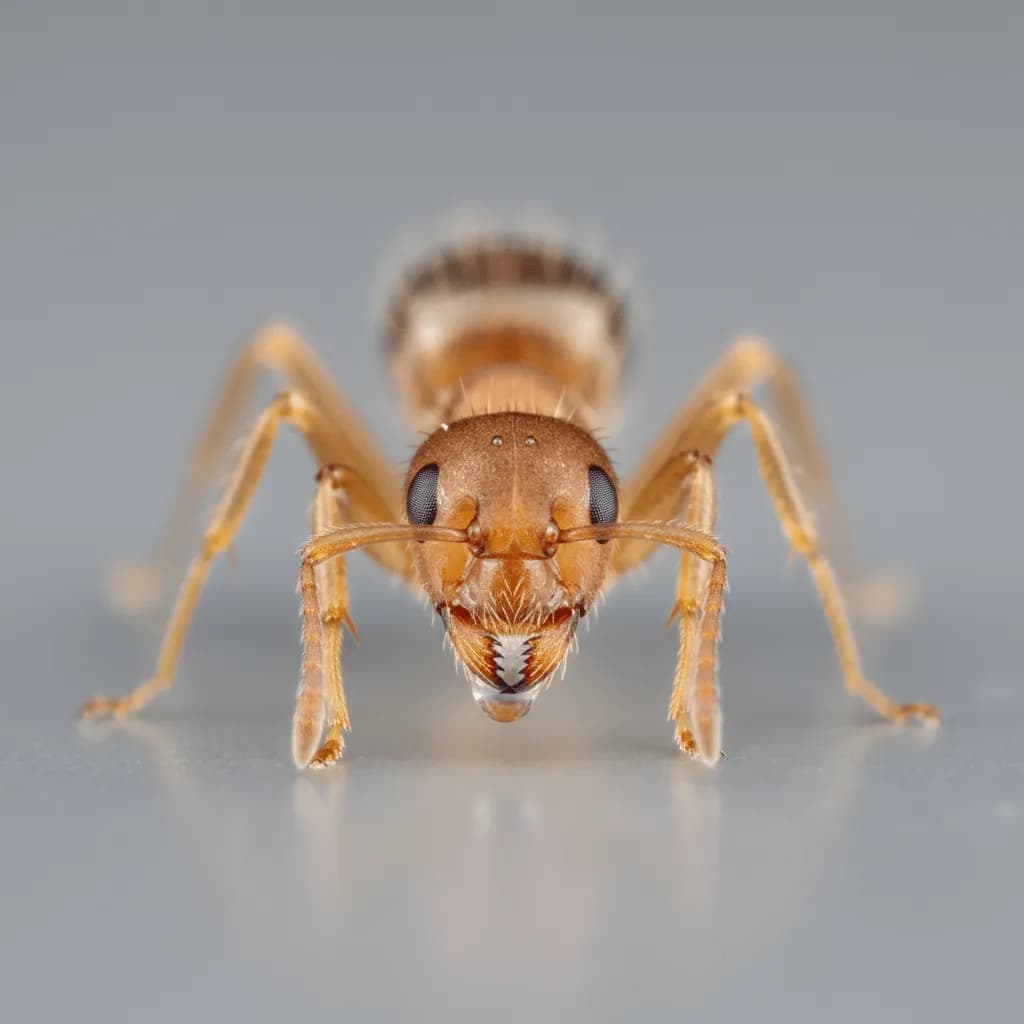
Pharaoh ants are tiny, yellowish-brown ants notorious for infesting hospitals, food processing facilities, and multifamily housing. They are one of the most difficult ant species to control due to their massive colonies with multiple queens and their tendency to bud when disturbed. A single colony can contain hundreds of thousands of workers spread across dozens of satellite nesting sites. They nest in warm, humid locations near food and water, including wall voids, behind baseboards, inside electrical outlets, and between sheets of paper.
Species in This Group (1)
Key Behaviors
Pharaoh ants trail along plumbing lines, electrical wires, and HVAC ducts to move throughout buildings. They feed on fats, proteins, and sweets, and are known to feed on wound dressings, IV tubing, and other medical supplies in healthcare settings. Colony budding is triggered by disturbance, including repellent insecticide applications.
Risks & Concerns
Pharaoh ants are mechanical vectors for over a dozen pathogenic bacteria including Salmonella, Staphylococcus, and Streptococcus. In hospitals, they have been documented entering IV lines and sterile wounds. Improper treatment with repellent sprays can fracture one colony into dozens, making eradication exponentially harder.
Identification Tip
Distinguished from other small ants by their pale yellowish-amber color and 12-segmented antennae with a 3-segmented club. Unlike ghost ants, they lack the dark head-and-thorax contrast. Baiting programs are the only effective approach; sprays are strictly contraindicated.
Need Help With Pharaoh ants?
If you're seeing signs of pharaoh ants in or around your home, professional treatment is the fastest way to stop the problem. Lotus Pest Control offers free inspections to identify the issue and recommend the right solution.