
Booklice
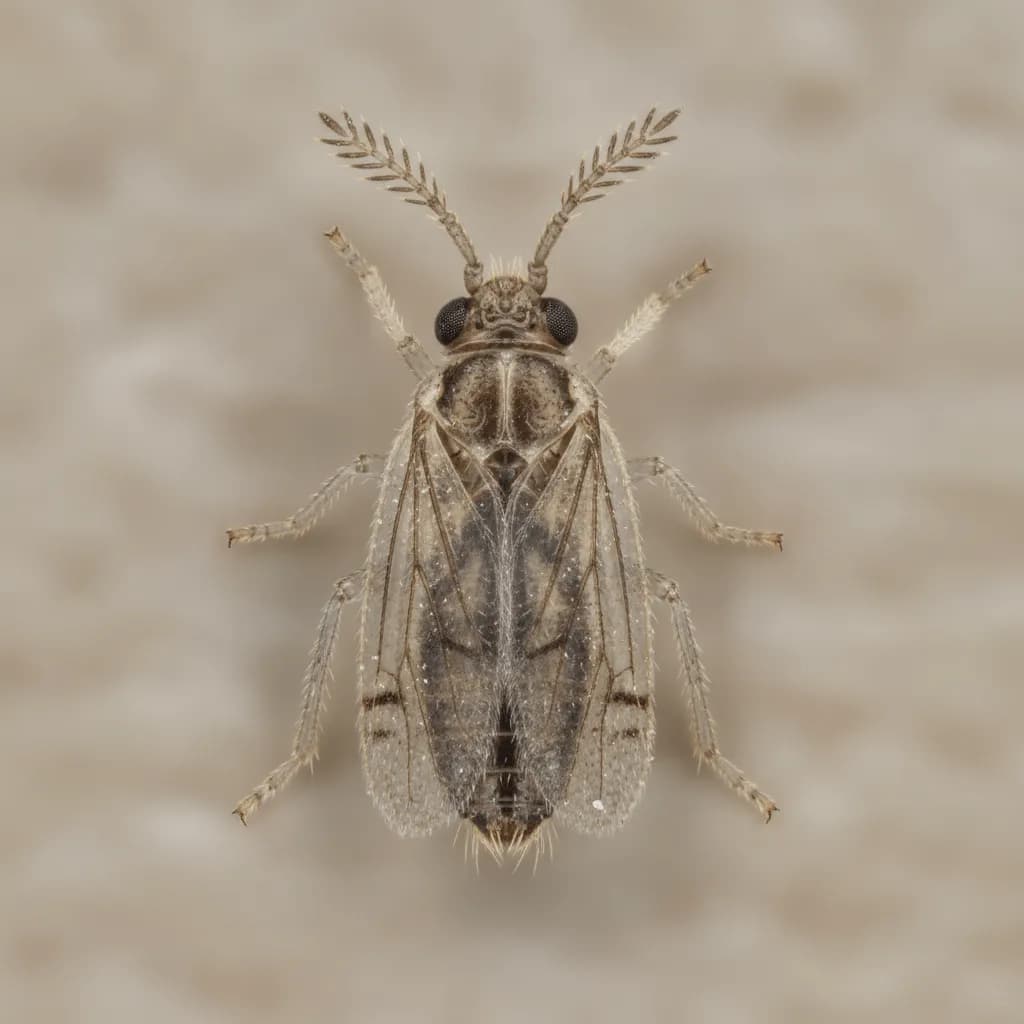
Booklice, also called psocids, are tiny, soft-bodied insects that feed on mold, fungi, and starchy materials in damp environments. They are among the most commonly misidentified household pests, frequently mistaken for bed bug nymphs or lice due to their small size and pale coloring. They do not bite humans or animals and are not true lice. They are found in stored books, papers, and food products in humid conditions, and they thrive in new construction where drying of building materials produces ideal mold growth conditions.
Species in This Group (1)
Key Behaviors
Booklice require high humidity, typically above 60 percent, and feed on microscopic mold and fungi growing on various surfaces. They are commonly found in stored boxes, old books, damp paper products, and grain-based foods. New construction and freshly plastered or painted rooms often experience temporary booklice populations as building materials dry and surface mold develops. They are wingless or have reduced wings and are poor dispersers.
Risks & Concerns
Booklice do not bite, sting, or transmit disease. They can damage stored paper, books, and documents in humid environments. In stored food, they contaminate grain products but are primarily a nuisance indicator of high humidity. Their most significant impact may be the alarm they cause when misidentified as bed bugs or lice. Reducing humidity below 50 percent eliminates their food source and resolves infestations.
Need Help With Booklice?
If you're seeing signs of booklice in or around your home, professional treatment is the fastest way to stop the problem. Lotus Pest Control offers free inspections to identify the issue and recommend the right solution.