
Occasional Invader
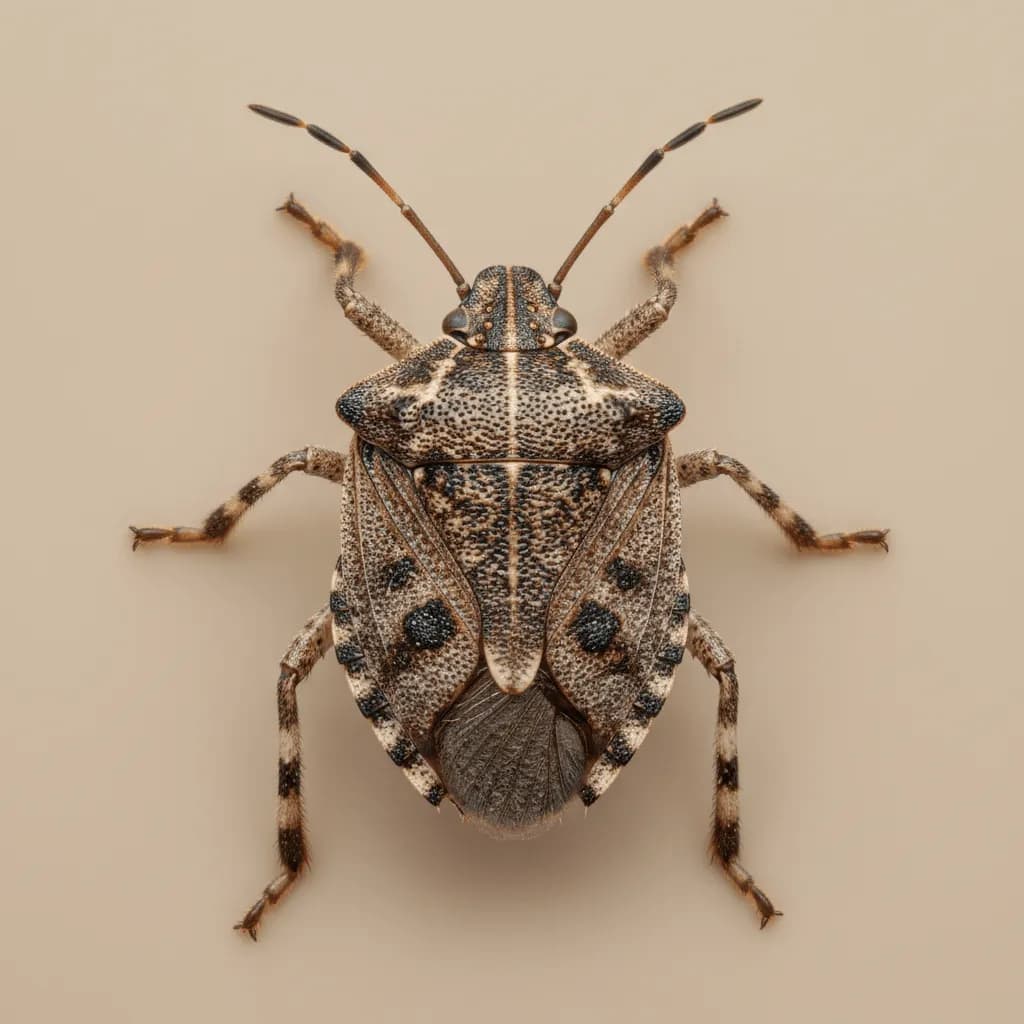
Occasional invaders are insects and arthropods that do not typically live or reproduce indoors but enter homes periodically due to weather changes, seasonal shifts, or habitat disruption. This group includes a wide variety of creatures such as stink bugs, boxelder bugs, ladybugs (Asian lady beetles), earwigs, silverfish, centipedes, millipedes, pill bugs, and crickets. They usually appear in large numbers during specific times of year - especially fall, when they seek warm overwintering sites, or during heavy rain events. While most are harmless, their sudden appearance in large numbers can be startling and unpleasant for homeowners.
Species Covered
20
Species Groups
18
Common Traits
Occasional invaders share a pattern of mass entry into structures during seasonal transitions or adverse weather. Most do not bite, sting, or reproduce indoors, and many are actually beneficial in their natural outdoor habitat. They are typically attracted to light, warmth, and moisture, and they exploit the same entry points - gaps under doors, cracks in foundations, weep holes, and unsealed utility penetrations.
Species in This Category
Centipedes
2 species
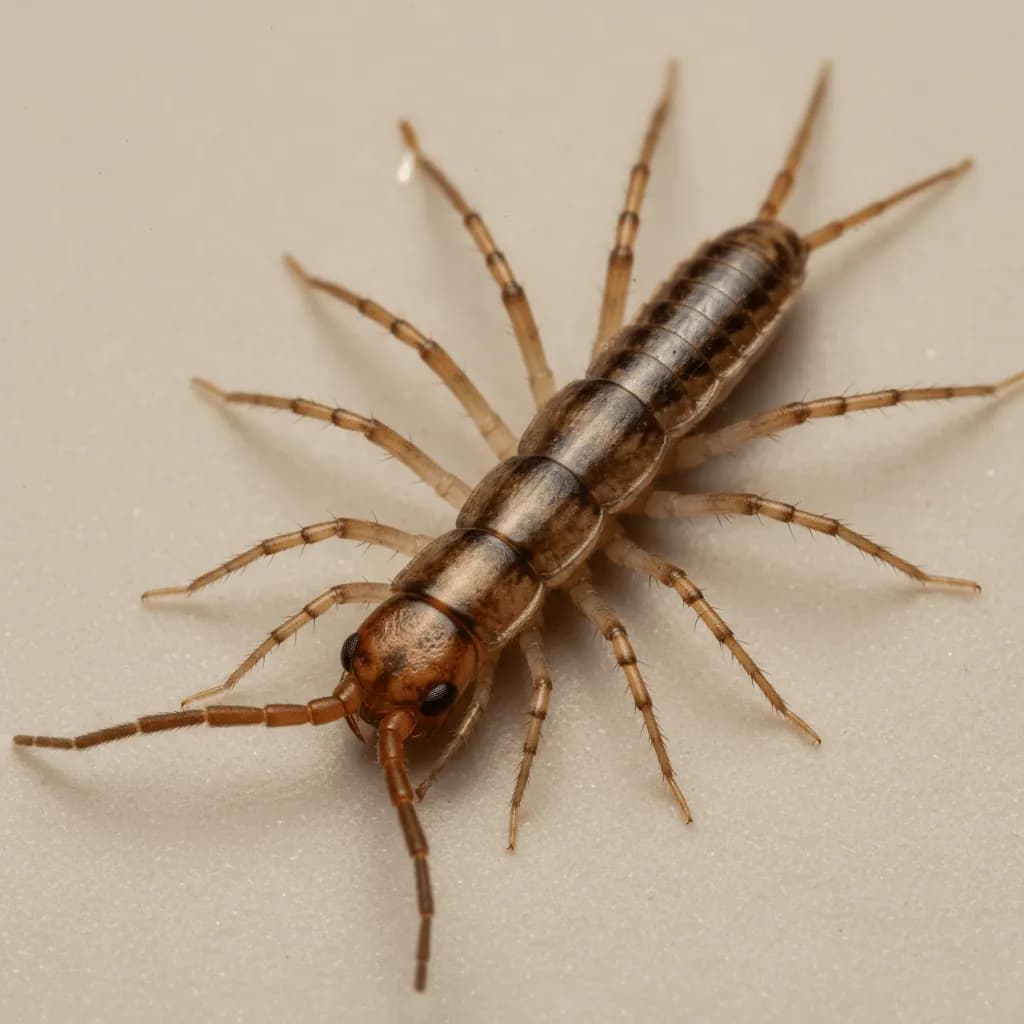
Centipedes are fast-moving, flattened arthropods with one pair of legs per body segment and venomous front claws used to subdue prey.
Millipedes
2 species
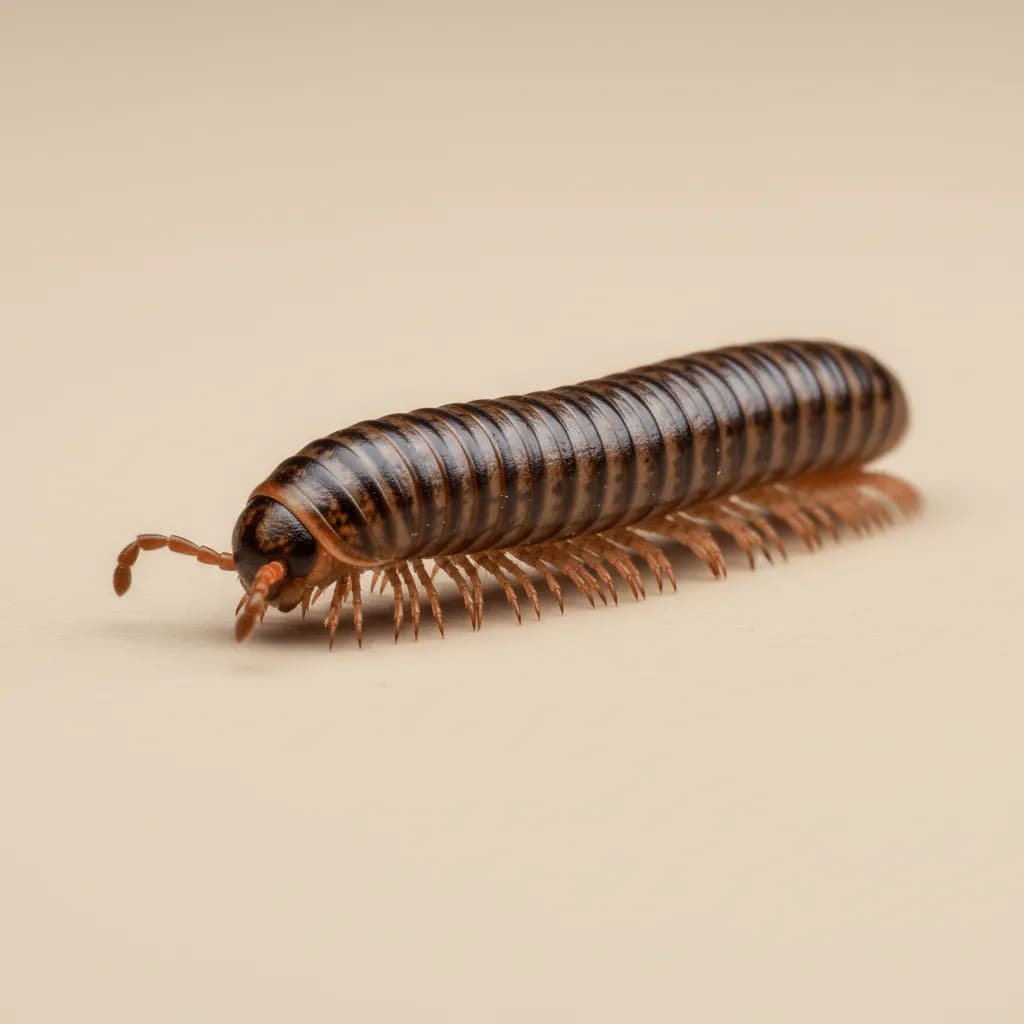
Millipedes are slow-moving, cylindrical arthropods with two pairs of legs per body segment that curl into a defensive coil when disturbed.
Earwigs
2 species
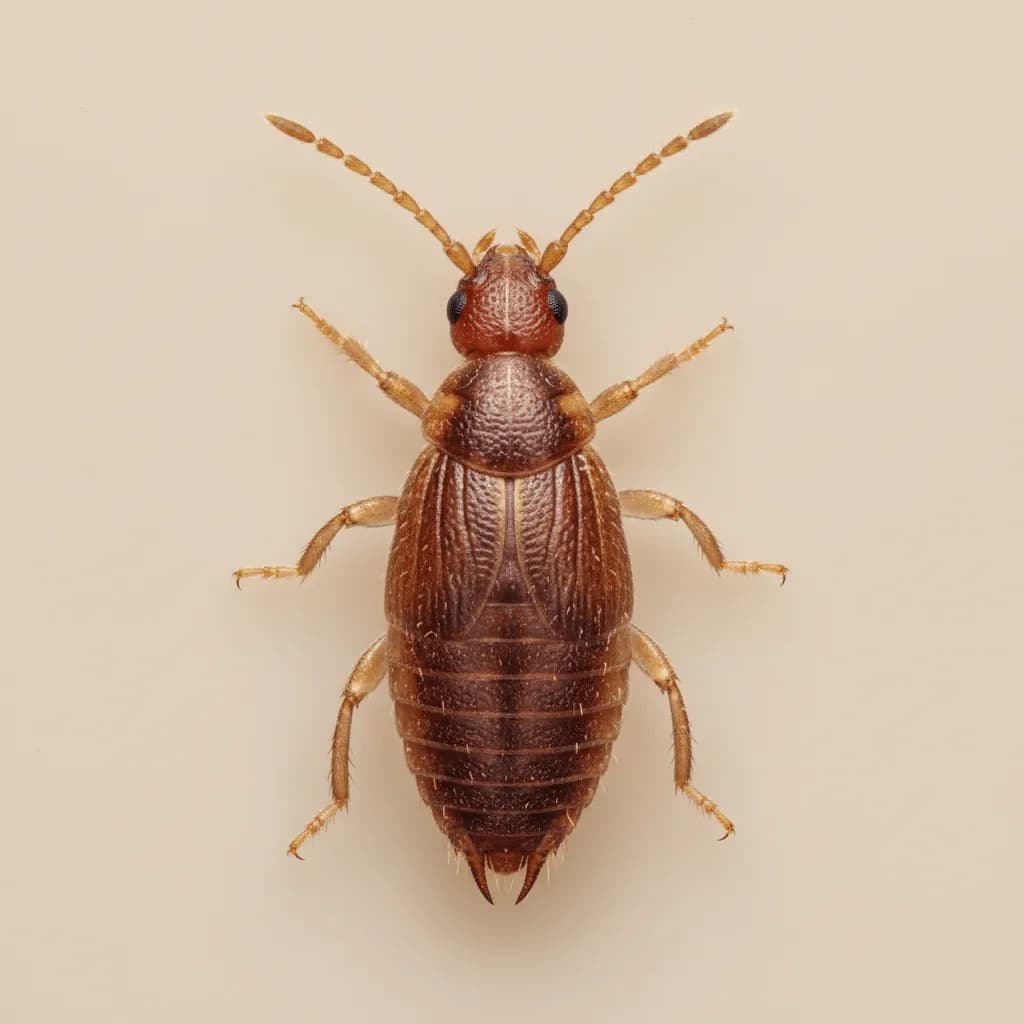
Earwigs are slender, reddish-brown insects with distinctive pincer-like cerci at the tip of the abdomen.
Silverfish
2 species
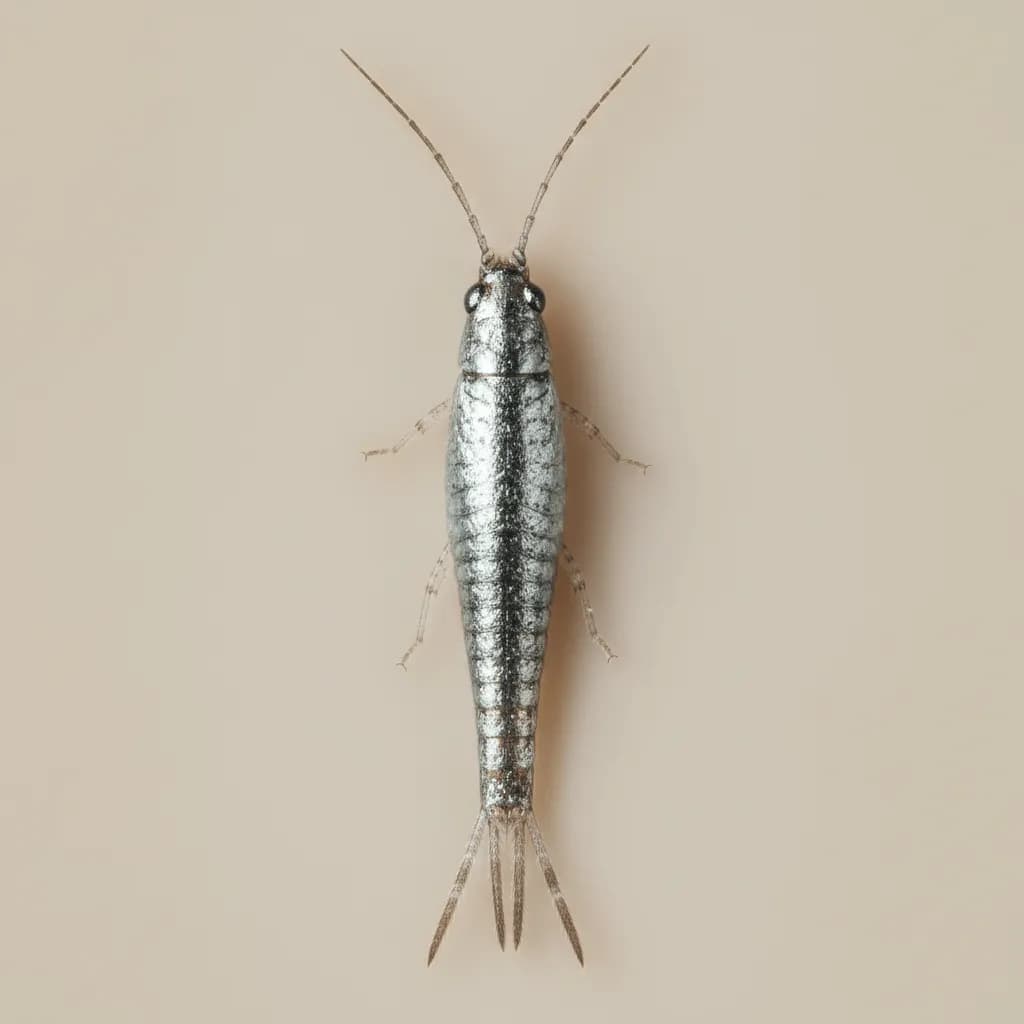
Silverfish are primitive, wingless insects with a distinctive teardrop-shaped body covered in silvery scales and three long tail-like appendages.
Stink Bugs
2 species
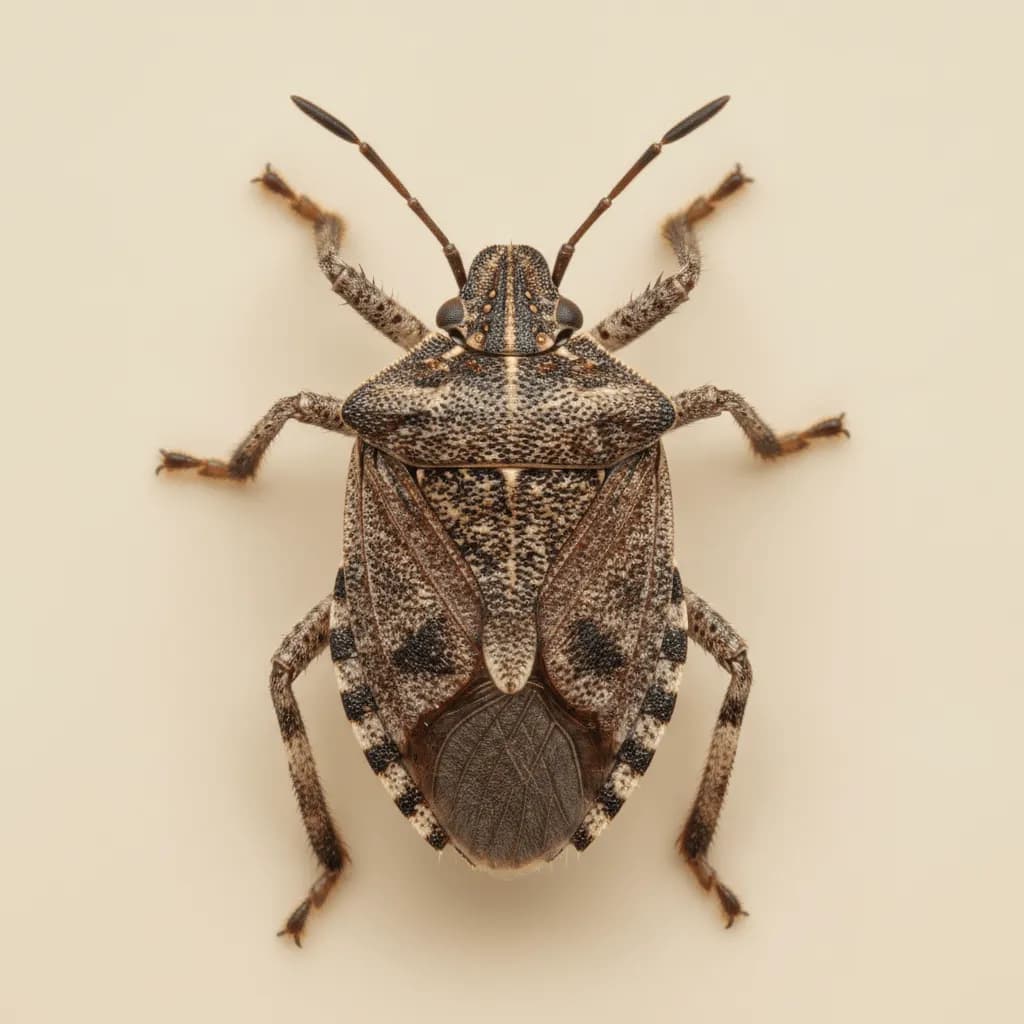
The brown marmorated stink bug is an invasive species from Asia that has become one of the most significant fall-invading pests in the United States since its introduction in the late 1990s.
Boxelder Bugs
1 species
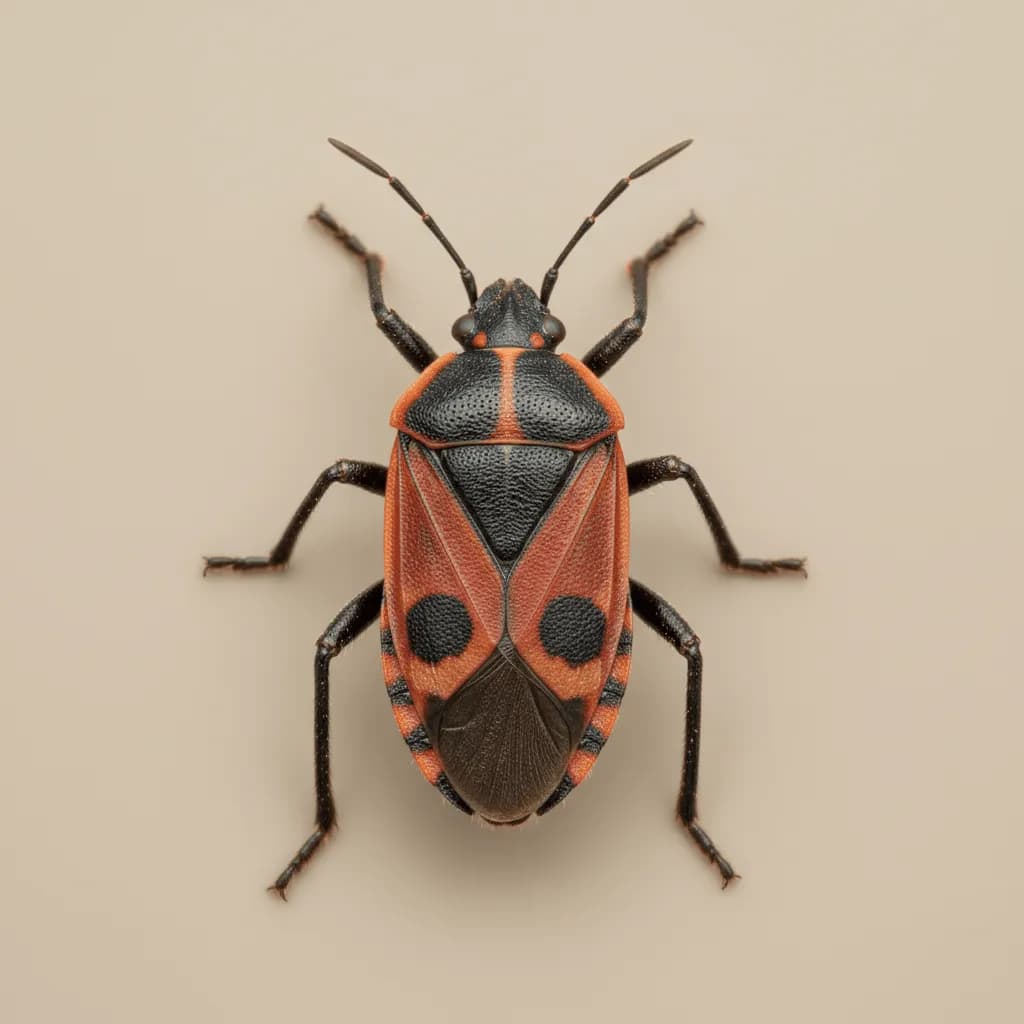
Boxelder bugs are black and red-orange insects that feed on boxelder, maple, and ash trees during summer and invade structures in large numbers in fall to overwinter.
Lady Beetles
2 species
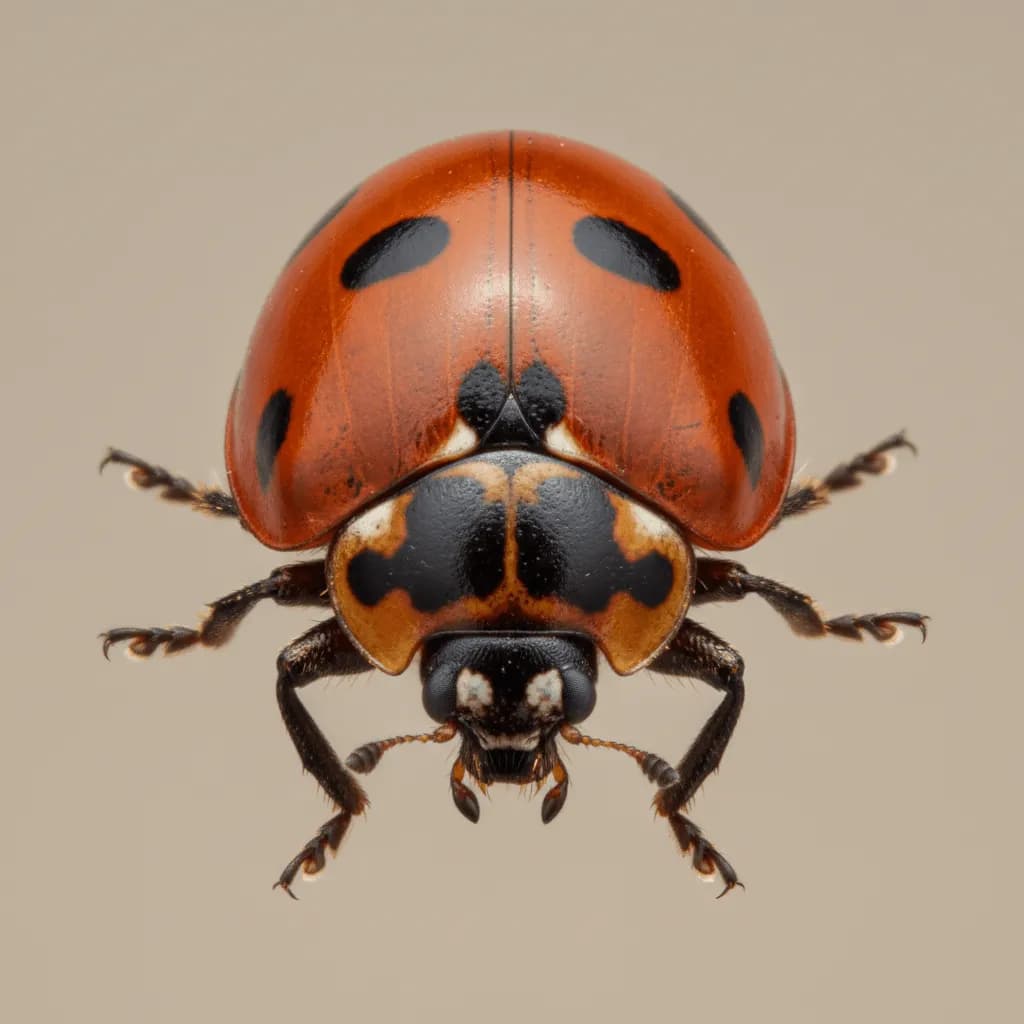
The multicolored Asian lady beetle is an invasive species introduced for agricultural pest control that has become one of the most common fall-invading pests in the United States.
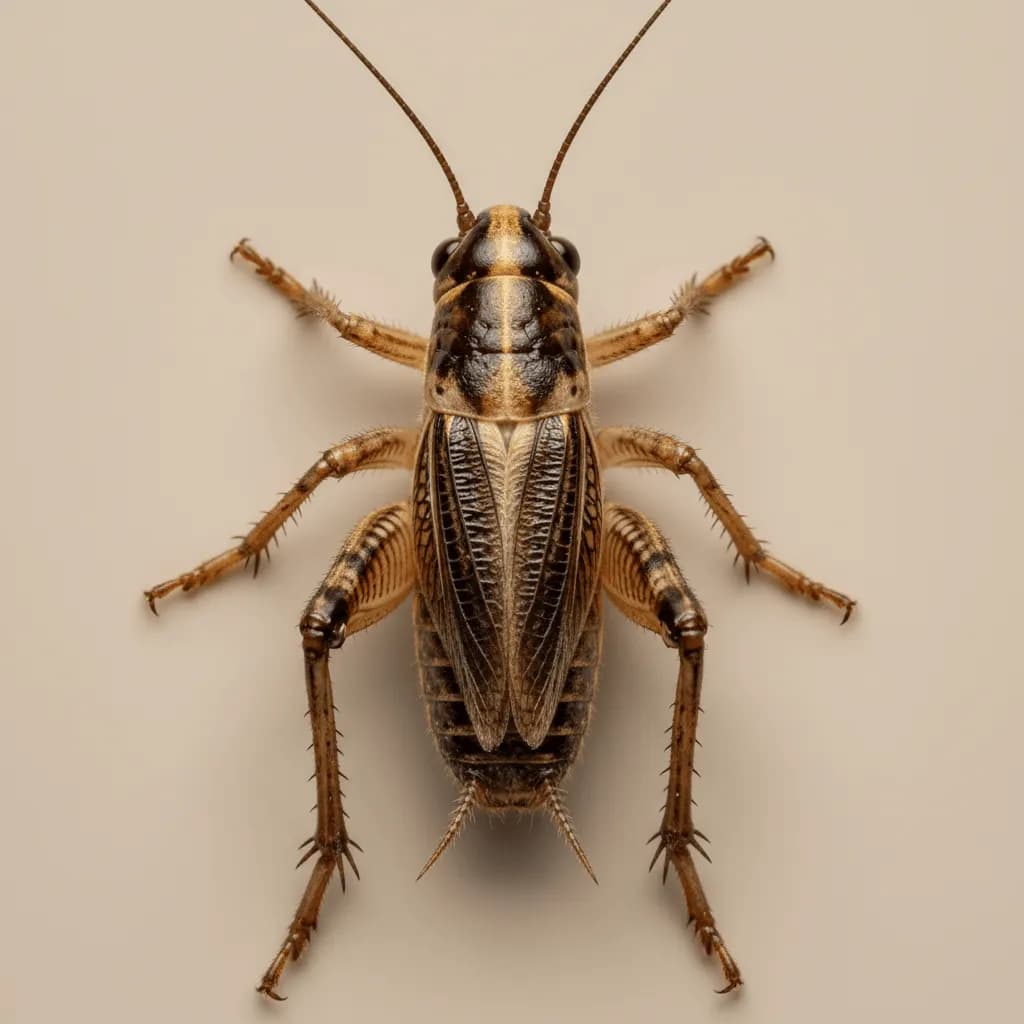
Crickets
3 species
Crickets are familiar insects known for the chirping song of males, which is produced by rubbing their wings together.
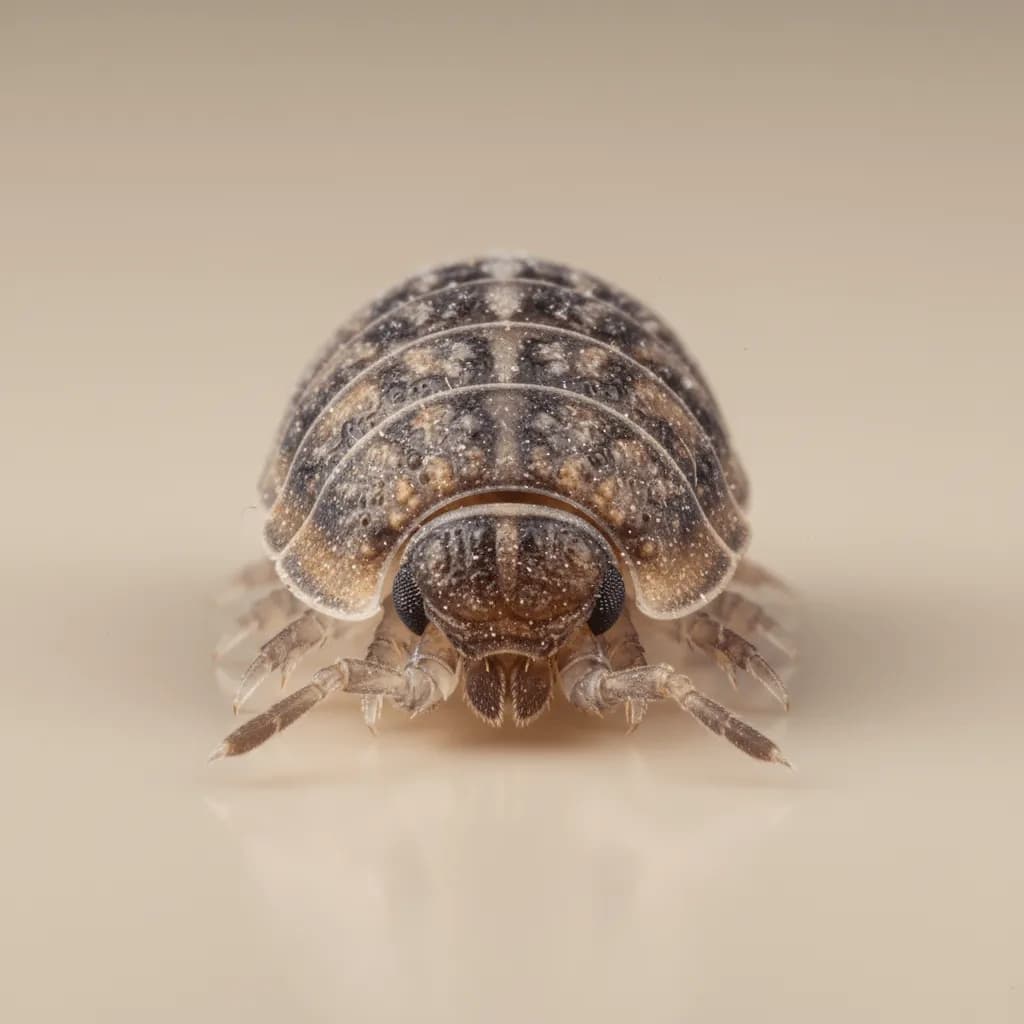
Pillbugs and Sowbugs
2 species
Pillbugs and sowbugs are terrestrial crustaceans, not insects, that are commonly found in moist environments under mulch, stones, logs, and leaf litter.
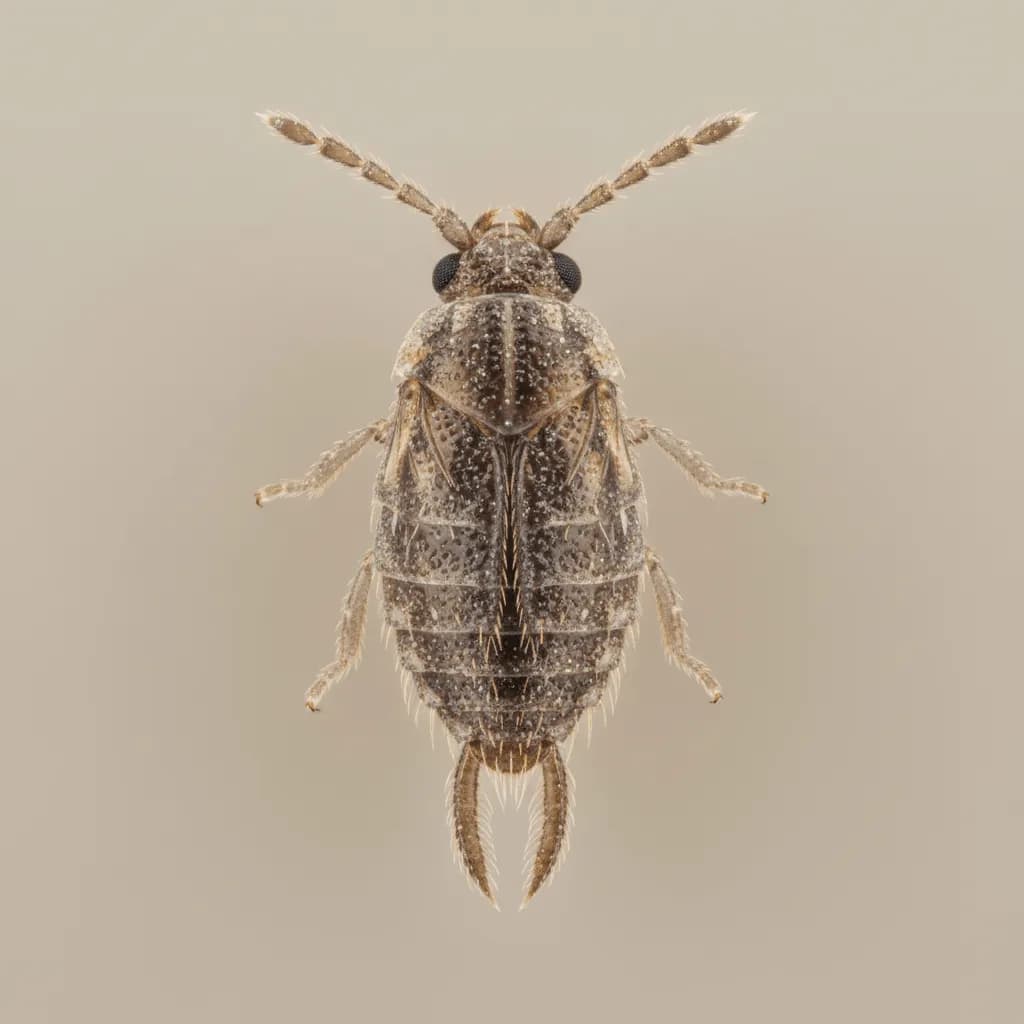
Springtails
1 species
Springtails are tiny, primitive arthropods that use a forked tail-like structure called a furcula to spring into the air when disturbed.
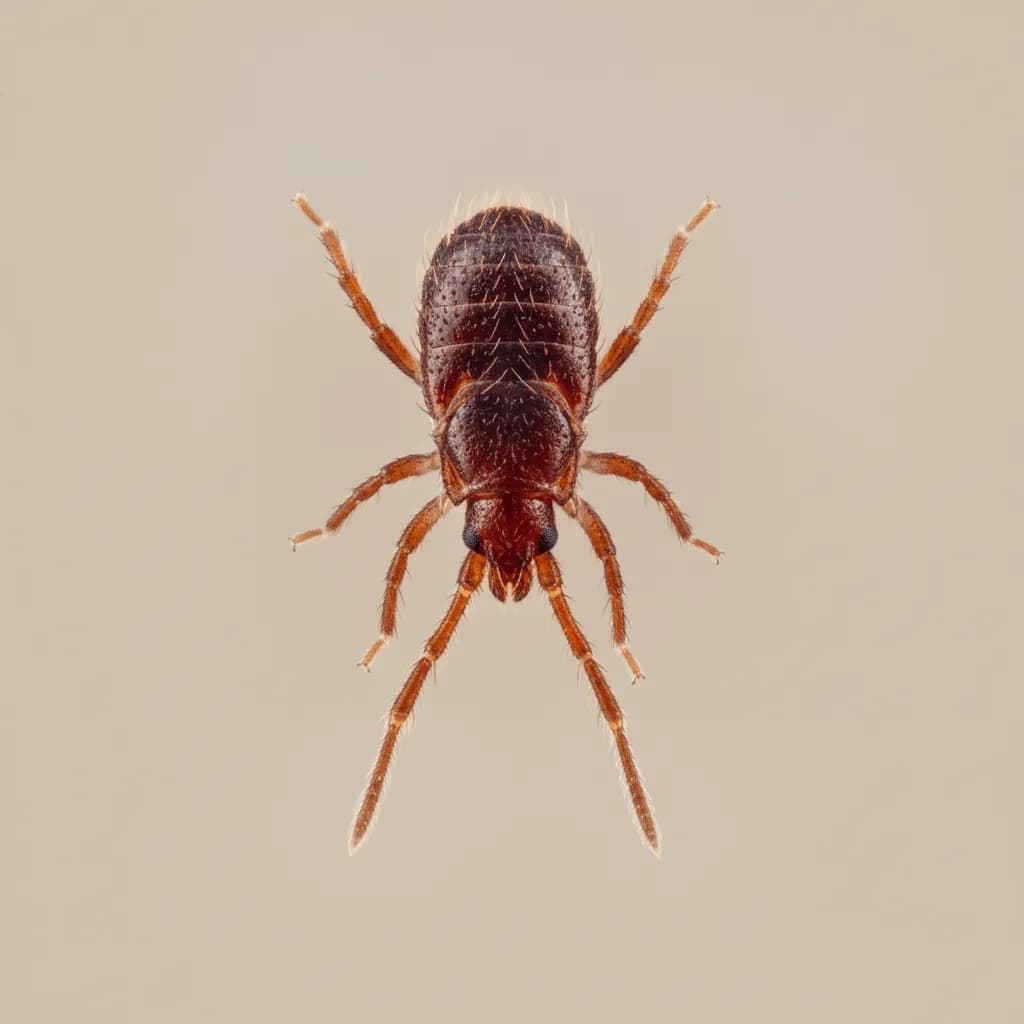
Clover Mites
1 species
Clover mites are tiny, reddish-brown mites that invade homes in large numbers during spring and fall, leaving red stains when crushed.
Ground Beetles
1 species
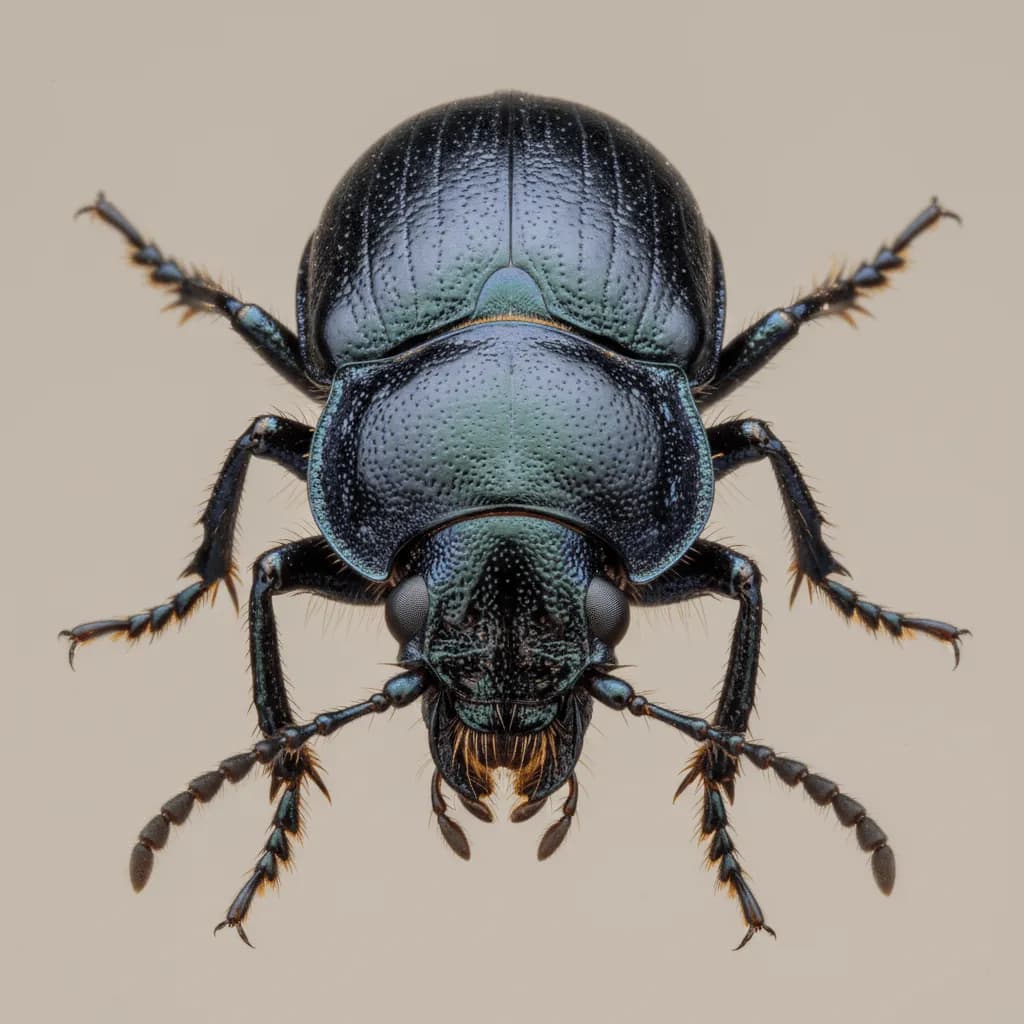
Ground beetles are a diverse family of fast-running, predatory beetles commonly found under logs, stones, mulch, and leaf litter around foundations.
Carpet Beetles
3 species
Carpet beetles are small, rounded beetles whose larvae feed on a wide range of animal-based materials including wool, silk, leather, fur, feathers, dried pet food, and dead insects.
Clothes Moths
2 species
Clothes moths are small, golden-tan moths whose larvae feed on wool, silk, fur, feathers, and other animal-based textiles.
Booklice
1 species
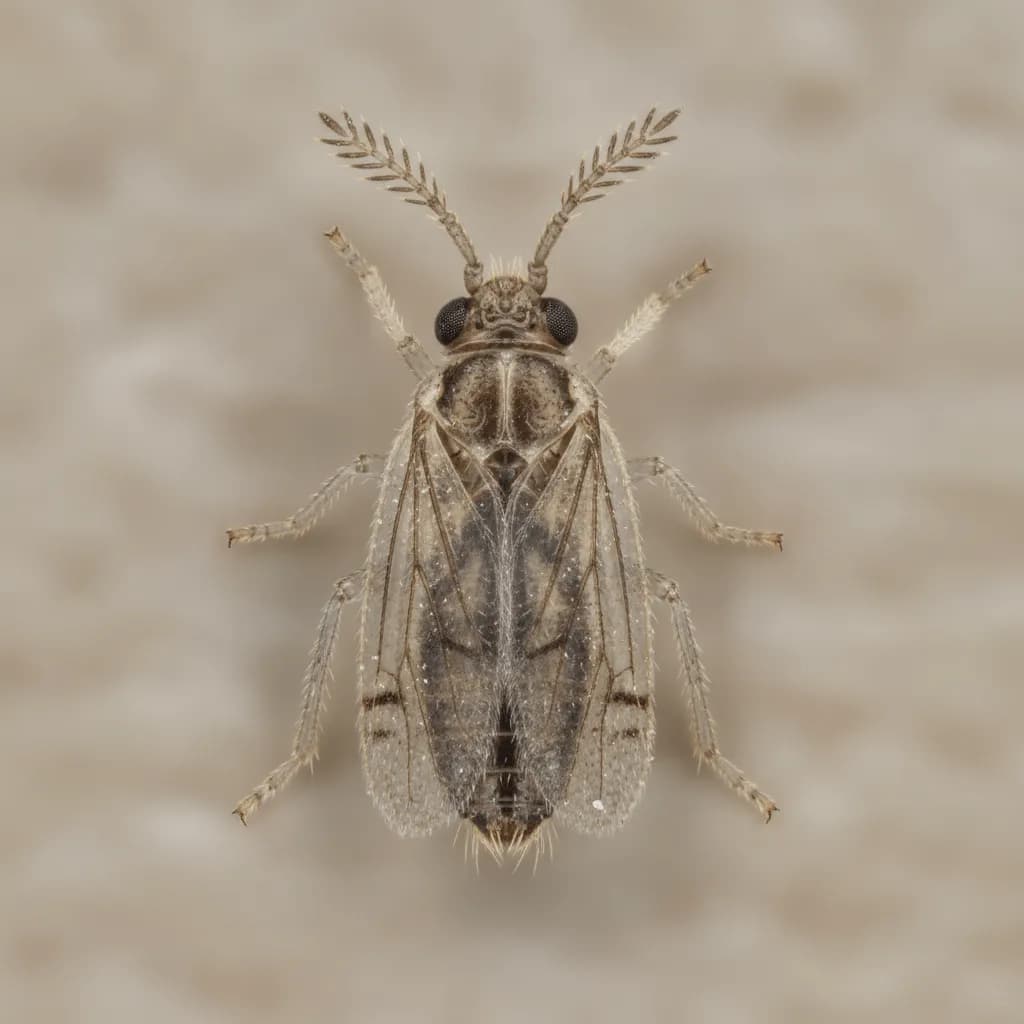
Booklice, also called psocids, are tiny, soft-bodied insects that feed on mold, fungi, and starchy materials in damp environments.
Sowbug Killers
1 species
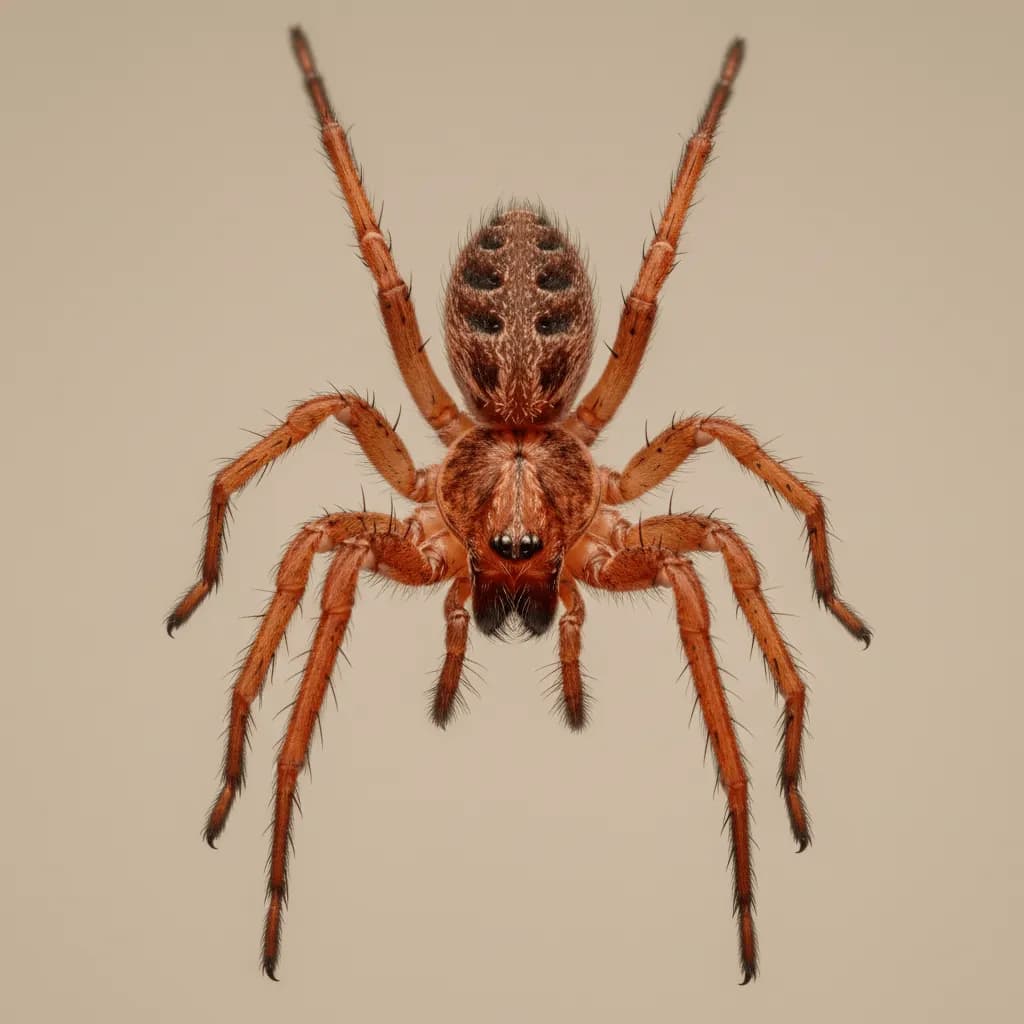
The Sowbug Killer is a specialized predator of pill bugs and sow bugs.
Seed Bugs
1 species
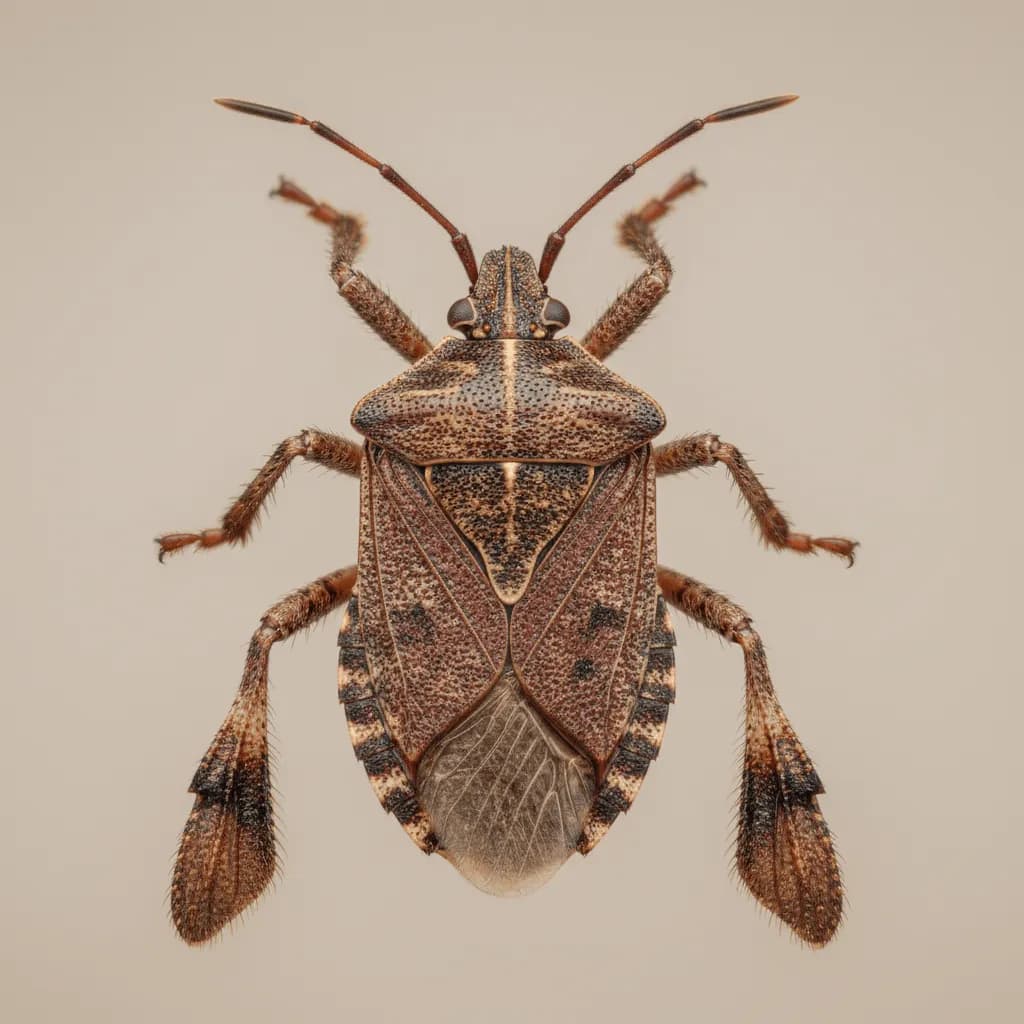
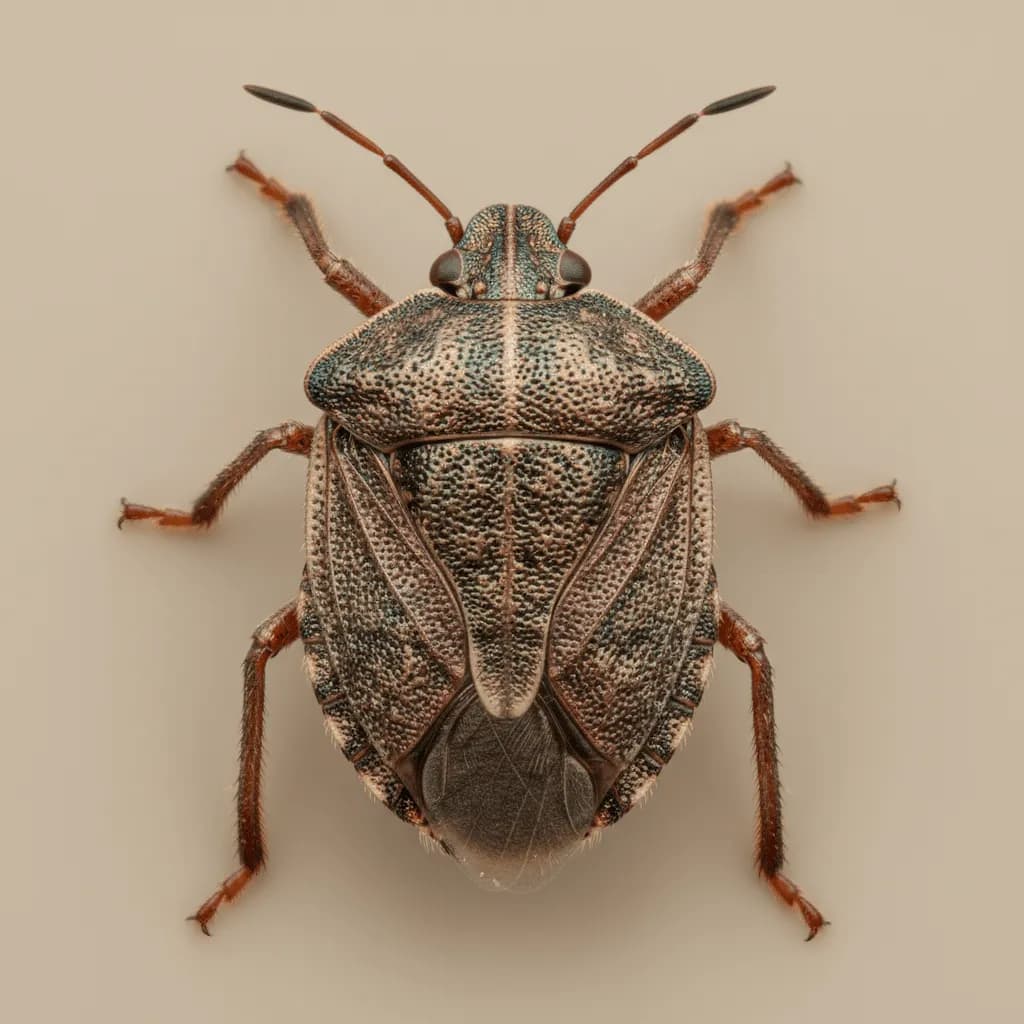
The Western Conifer Seed Bug is a large, harmless plant-feeding insect that invades homes in fall to overwinter.
Kudzu Bugs
1 species
The Kudzu Bug is an invasive species from Asia first detected in Georgia in 2009.
All Occasional Invader
Signs of Infestation
- Sudden appearance of large numbers of the same insect indoors, often near windows
- Clusters of insects on sunny exterior walls in fall or early spring
- Dead insects accumulating on windowsills, in light fixtures, or along baseboards
- A noticeable unpleasant odor when insects are disturbed or crushed (stink bugs, Asian lady beetles)
- Insects appearing in bathrooms, basements, or other damp areas after rain
Prevention
The most effective approach to occasional invaders is exclusion - physically sealing the entry points they use to get inside. Caulking cracks, installing door sweeps, repairing screens, and sealing around utility lines are all high-impact measures. Reducing exterior lighting or switching to yellow bulbs also helps, since many occasional invaders are strongly attracted to light at night.
Frequently Asked Questions
Why do stink bugs keep getting into my house every fall?
Are earwigs dangerous?
How do I stop Asian lady beetles from invading?
Can silverfish damage my belongings?
Why do centipedes come inside?
Is there a permanent solution for occasional invaders?
Need Help With Occasional invader?
If you're seeing signs of occasional invader in or around your home, professional treatment is the fastest way to stop the problem. Lotus Pest Control offers free inspections to identify the issue and recommend the right solution.