
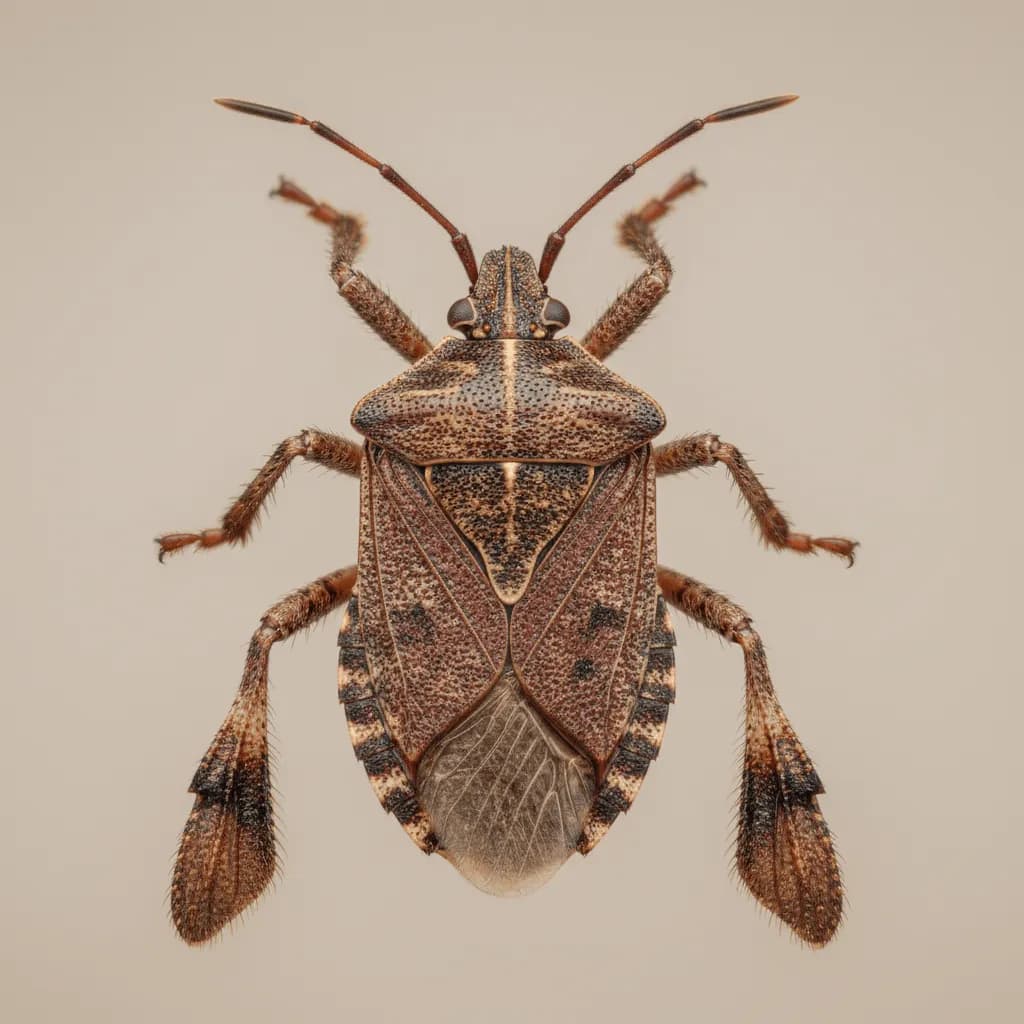
Western Conifer Seed Bug
Leptoglossus occidentalis
Also known as: Pine Seed Bug, Leaf-Footed Bug
The Western Conifer Seed Bug is a large, harmless plant-feeding insect that invades homes in fall to overwinter. Native to western North America, it has expanded its range across the continent and even to Europe. It is frequently confused with stink bugs and kissing bugs.
Identification
Size
16-20 mm
Color
Reddish-brown to dark brown with a faint zigzag white line across the middle of the wings
Key Trait
Flattened, leaf-like expansions on the hind tibiae (legs); buzzes loudly in flight; often mistaken for a stink bug or even an assassin bug.
Behavior & Habitat
Feeds on developing conifer seeds during summer. Seeks sheltered overwintering sites in fall, entering homes through gaps and cracks. Buzzes loudly when flying. Releases a mild piney or apple-like odor when disturbed. Does not bite.
Habitat: Conifer forests and ornamental evergreens in summer; wall voids, attics, and window frames in fall and winter.
Diet: Developing seeds and sap of pine, spruce, Douglas fir, and other conifer species. Does not feed indoors.
Signs of Infestation
- Large, buzzing, brown bugs near windows on warm days during winter
- Bugs entering through gaps around windows and doors in fall
- Mild piney or fruity odor when bugs are handled or disturbed
Risks & Damage
Alarming size and loud buzzing cause distress; frequently confused with dangerous species.
Prevention Tips
- 1.Seal gaps around windows, doors, and utility penetrations before fall
- 2.Repair or install screens on attic vents and soffit openings
- 3.Vacuum up individuals rather than handling them to avoid the mild odor
Why DIY Treatment Often Falls Short
Like other overwintering invaders, they accumulate in wall voids and attics in numbers that surface sprays cannot reach. By the time they appear indoors, they are already established in hidden spaces.
Professional Treatment
Professionals apply preventive perimeter treatments before fall aggregation, seal entry points, and treat wall voids and attic spaces where bugs overwinter.
Related Pests
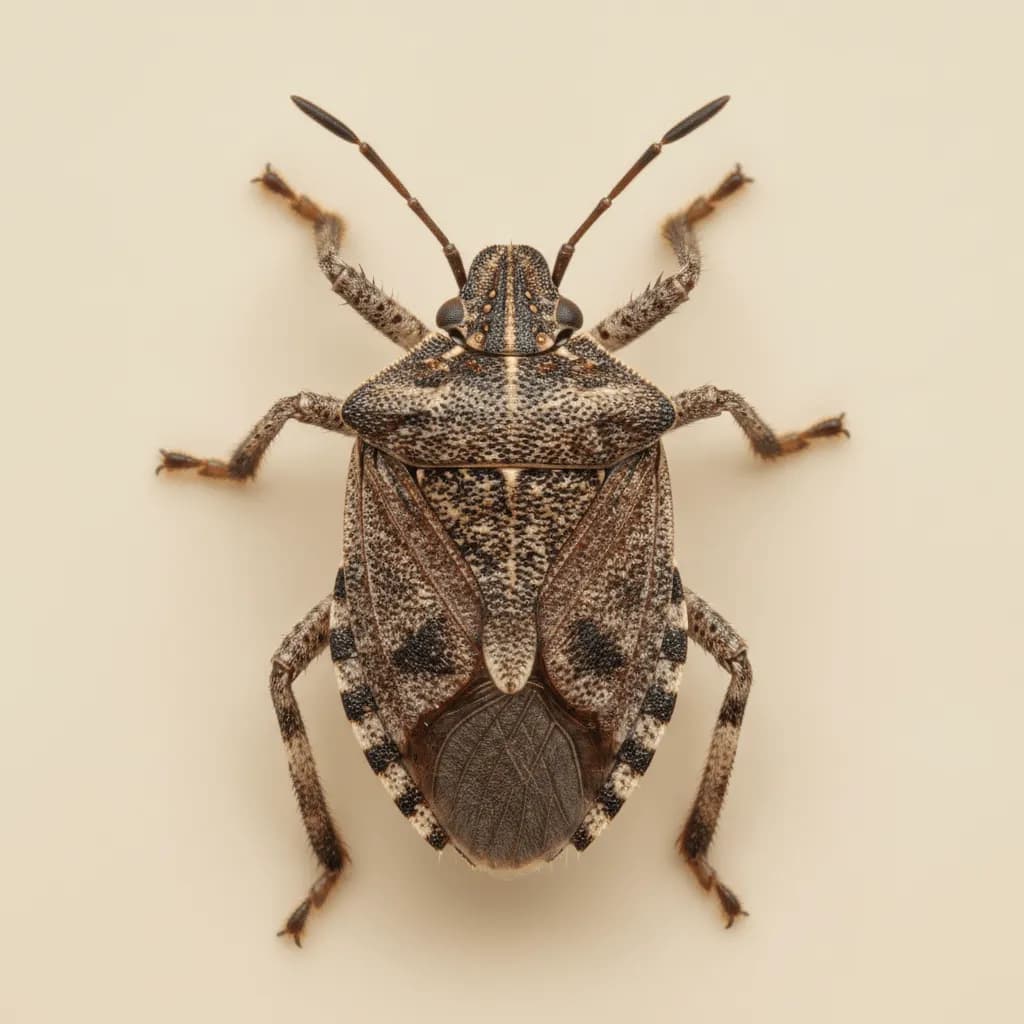
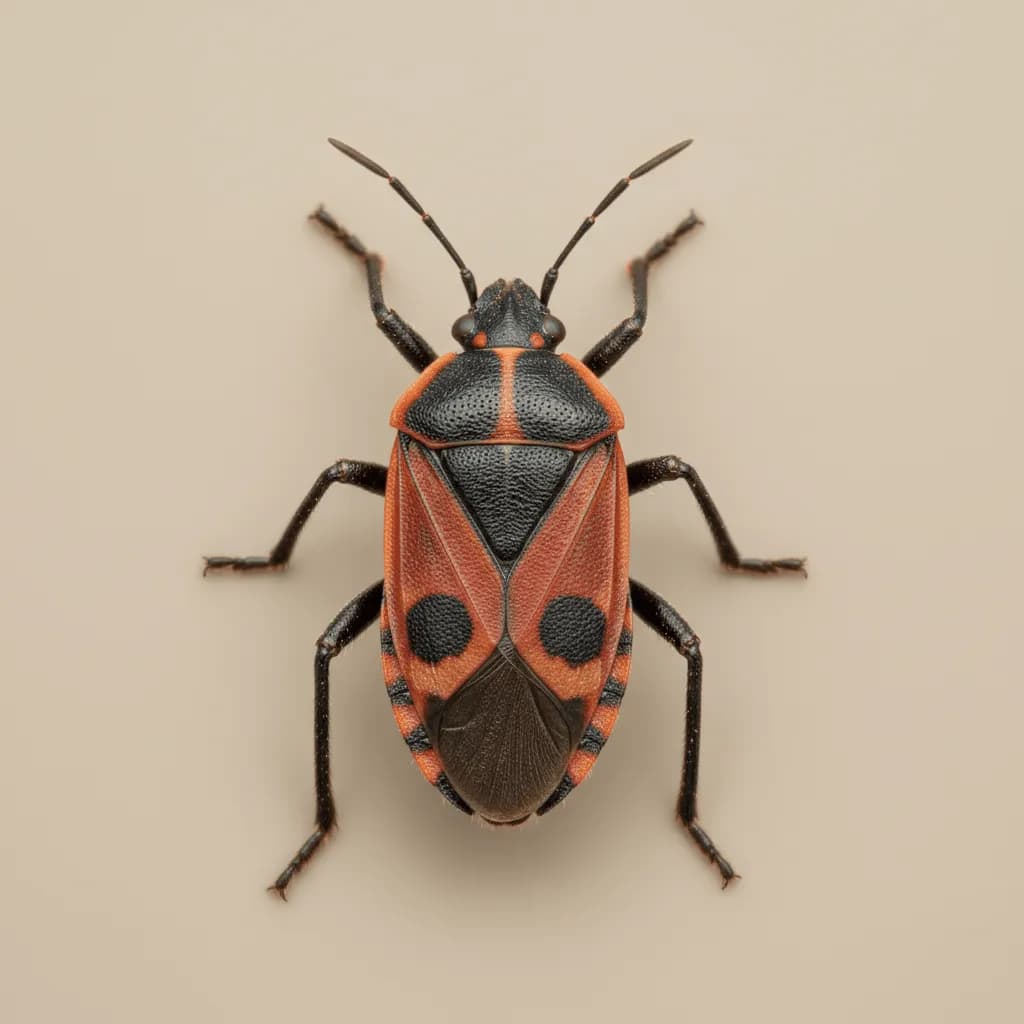
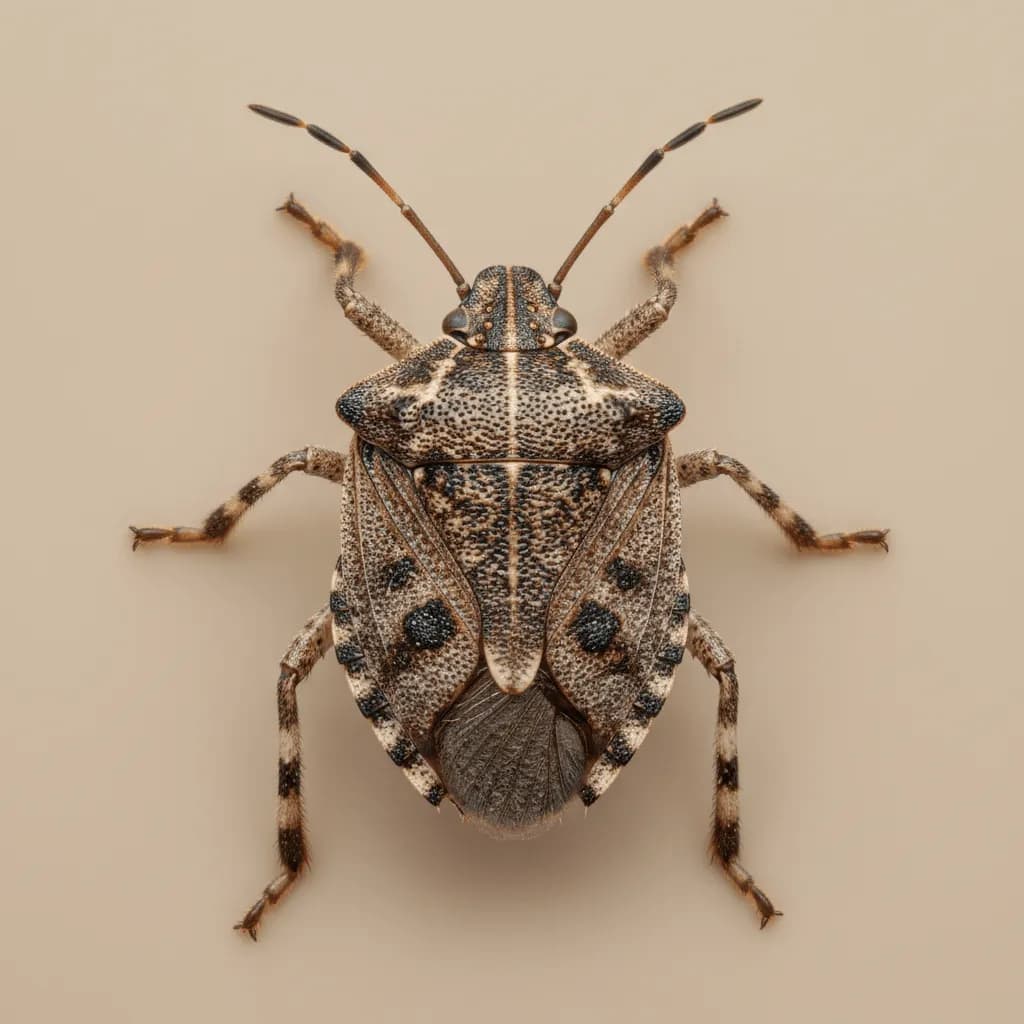
Frequently Asked Questions
Is it a kissing bug?
Will it damage my house?
Why does it buzz so loudly?
Need Help With Western conifer seed bug?
If you're seeing signs of western conifer seed bug in or around your home, professional treatment is the fastest way to stop the problem. Lotus Pest Control offers free inspections to identify the issue and recommend the right solution.
At a Glance
- Category
- Occasional Invaders
- Scientific Name
- Leptoglossus occidentalis
- Size
- 16-20 mm
- Color
- Reddish-brown to dark brown with a faint zigzag white line across the middle of the wings
- Key Trait
- Flattened, leaf-like expansions on the hind tibiae (legs); buzzes loudly in flight; often mistaken for a stink bug or even an assassin bug.
- Regions
- Pacific Northwest, Mountain West, Northeast, Midwest
- Threat Level
- Very Low
- Risk Types
- nuisance
- Seasonal Activity
- MarAprMayJunJulAugSepOctNovDecJanFebnonelowmoderatehighpeak