
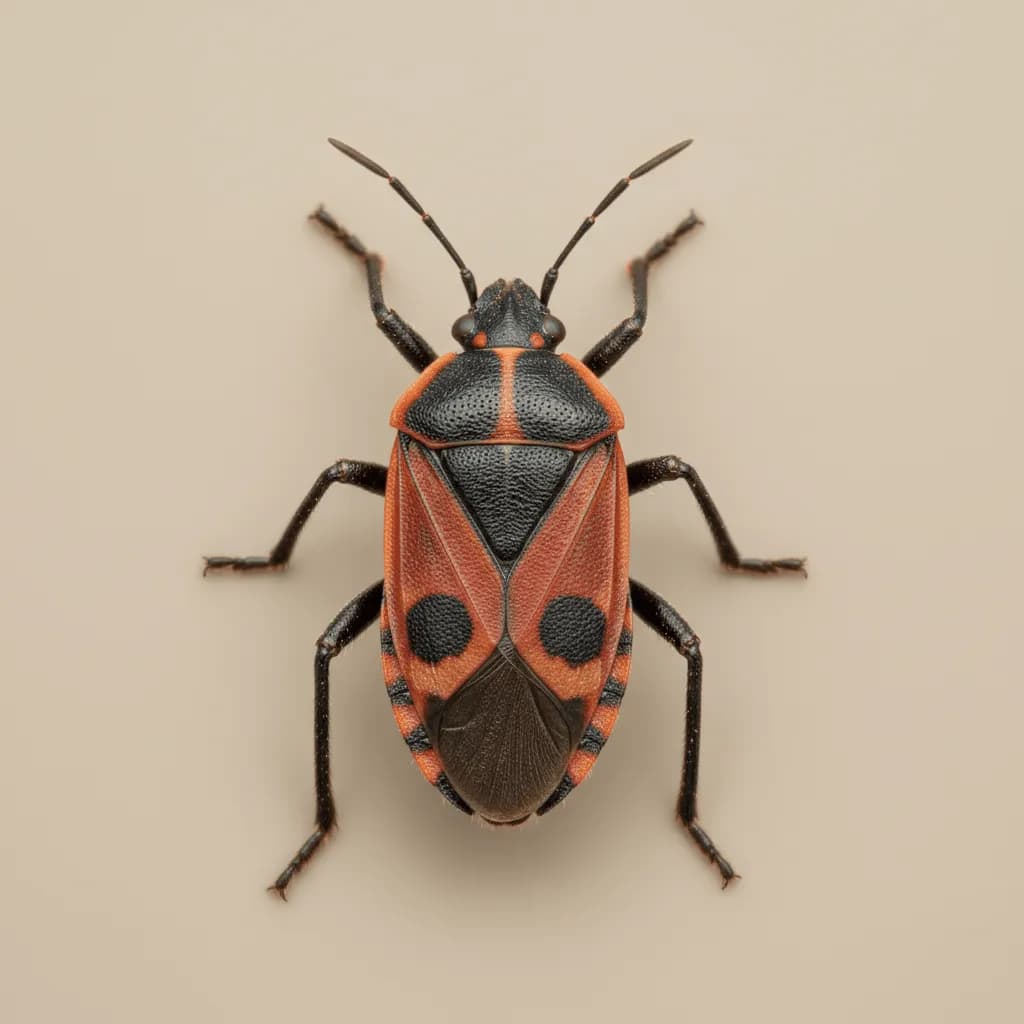
Boxelder Bug
Boisea trivittata
Also known as: Box Elder Bug
Boxelder Bugs are named for their primary host, the boxelder tree, though they also feed on maples and ashes. They become a significant nuisance in fall when they aggregate on buildings and enter homes to overwinter in wall voids and attics.
Identification
Size
11-14 mm
Color
Black with distinctive red-orange lines on wings and thorax
Key Trait
Elongated, flattened black body with bold red-orange markings along wing edges and on the thorax; aggregates on sun-warmed surfaces in fall.
Behavior & Habitat
Congregates in large numbers on sun-warmed south and west walls in autumn. Enters structures through cracks to overwinter. Becomes active on warm winter days, emerging indoors. Does not feed or reproduce indoors.
Habitat: Boxelder, maple, and ash trees in summer; exterior walls, attics, and wall voids in fall and winter.
Diet: Sap from boxelder seeds, maple seeds, and occasionally other plant materials. Does not eat household materials.
Signs of Infestation
- Large aggregations on sunny exterior walls in autumn
- Bugs appearing around windows on warm winter days
- Red-orange staining on curtains and walls from crushed bugs
Risks & Damage
Mass fall invasions into homes; staining from crushed bugs; does not cause structural or health damage.
Prevention Tips
- 1.Seal cracks and gaps on south- and west-facing walls before fall
- 2.Consider removing female boxelder trees near the structure
- 3.Vacuum indoor bugs rather than crushing them to avoid staining
Why DIY Treatment Often Falls Short
Boxelder bugs overwinter in wall voids and attics in huge numbers. Spraying visible bugs kills only the small fraction that emerge, while the vast majority remain hidden and protected.
Professional Treatment
Professionals apply preventive perimeter treatments in late summer, seal entry points, and treat wall voids. Removal of nearby female boxelder trees provides long-term relief.
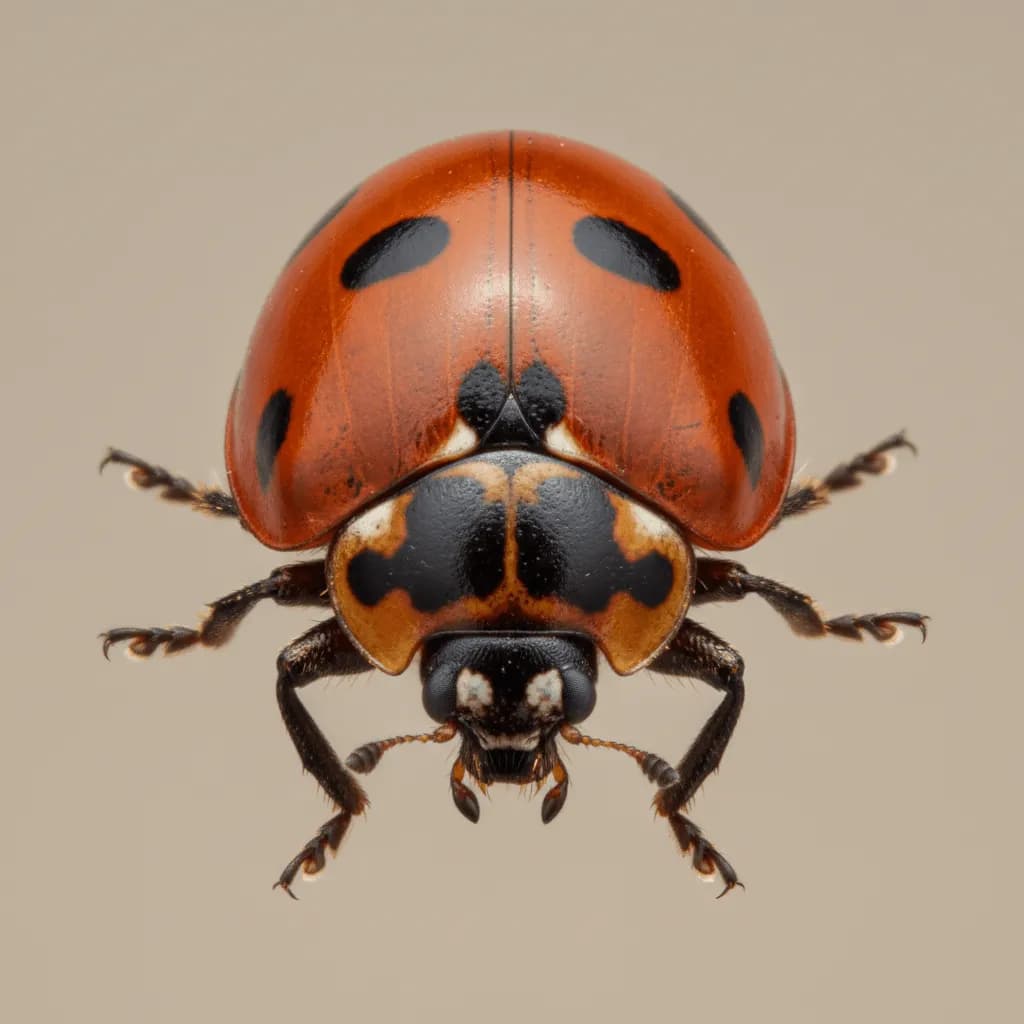
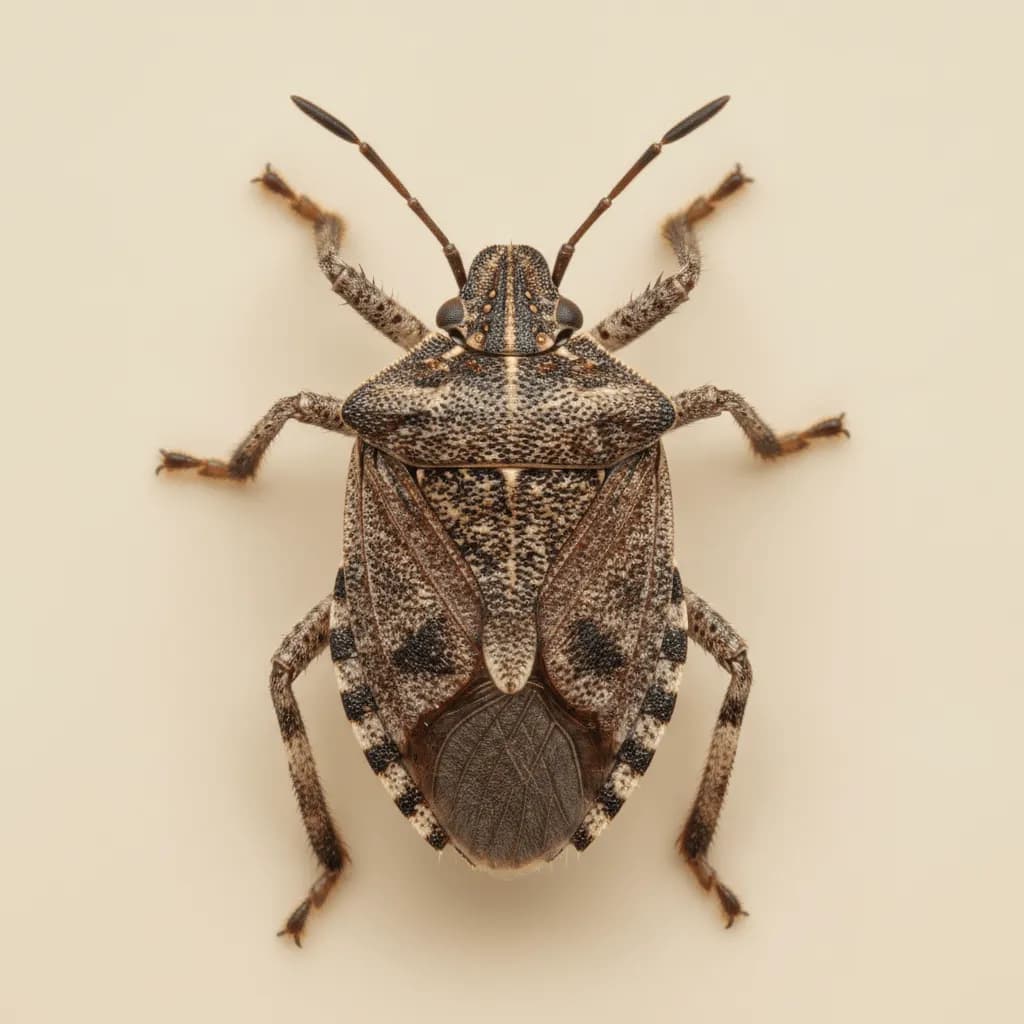
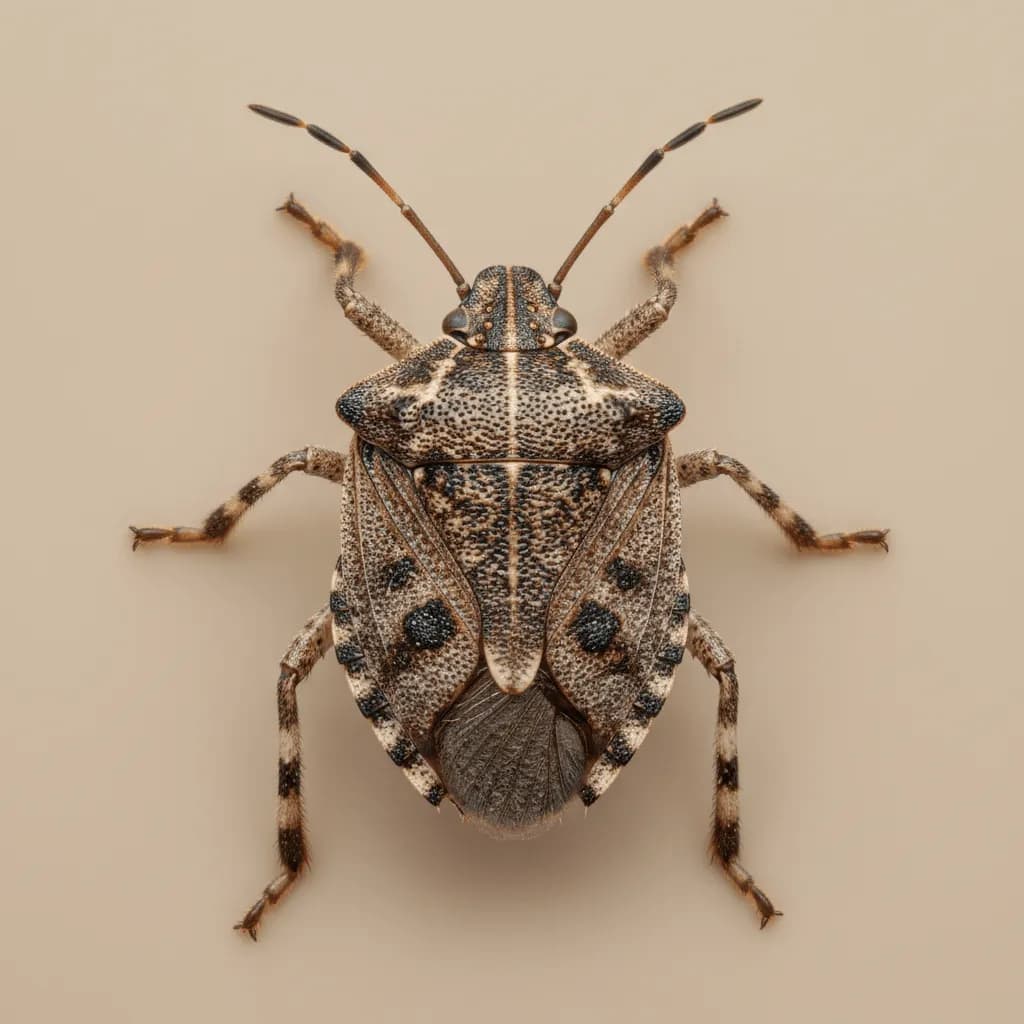
Related Pests
Frequently Asked Questions
Do boxelder bugs bite?
Will removing my boxelder tree solve the problem?
Do they damage my house?
Need Help With Boxelder bug?
If you're seeing signs of boxelder bug in or around your home, professional treatment is the fastest way to stop the problem. Lotus Pest Control offers free inspections to identify the issue and recommend the right solution.
At a Glance
- Category
- Occasional Invaders
- Scientific Name
- Boisea trivittata
- Size
- 11-14 mm
- Color
- Black with distinctive red-orange lines on wings and thorax
- Key Trait
- Elongated, flattened black body with bold red-orange markings along wing edges and on the thorax; aggregates on sun-warmed surfaces in fall.
- Regions
- Midwest, Northeast, Great Plains, Mountain West
- Threat Level
- Very Low
- Risk Types
- nuisance
- Seasonal Activity
- MarAprMayJunJulAugSepOctNovDecJanFebnonelowmoderatehighpeak