
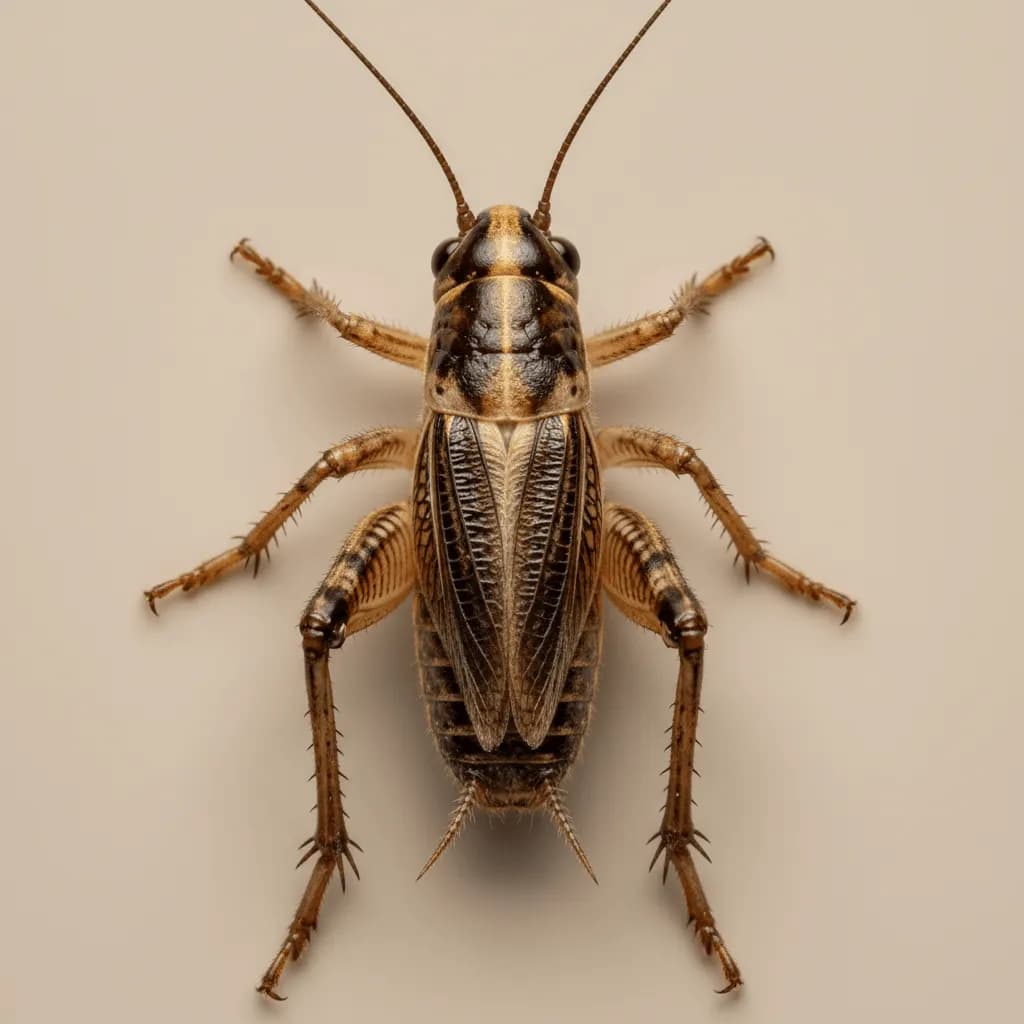
Cricket
Acheta domesticus
Also known as: House Cricket, Field Cricket
The House Cricket is one of the most familiar household invaders, known for the persistent chirping of males seeking mates. While primarily an outdoor insect, crickets are strongly attracted to lights and warmth, entering homes in large numbers during late summer and fall.
Identification
Size
16-22 mm
Color
Yellowish-brown to dark brown with three dark bands on the head
Key Trait
Long, thin antennae longer than the body; powerful hind legs for jumping; males produce loud chirping by rubbing forewings together.
Behavior & Habitat
Nocturnal and strongly attracted to lights. Males chirp loudly at night by stridulation (rubbing forewings). Excellent jumpers. Can damage fabrics and paper products indoors.
Habitat: Fields, gardens, and debris piles outdoors; basements, garages, kitchens, and around heating systems indoors.
Diet: Omnivorous - plant material, dead insects, fabric, paper, and food scraps. Can damage wool, silk, and cotton fabrics indoors.
Signs of Infestation
- Persistent chirping at night, especially near heat sources
- Irregular holes in wool, silk, or cotton fabrics and garments
- Cricket droppings (small black pellets) in basements and garages
Risks & Damage
Persistent loud chirping at night causes sleep disruption; can damage fabrics and paper.
Prevention Tips
- 1.Switch exterior lights to yellow or sodium vapor bulbs
- 2.Seal gaps around doors, windows, and foundation penetrations
- 3.Remove tall grass, debris piles, and firewood from near the structure
Why DIY Treatment Often Falls Short
Crickets breed rapidly outdoors in warm seasons and are continuously attracted to lights and warmth. Killing individuals indoors does not reduce the large outdoor population drawn to your home.
Professional Treatment
Professionals apply perimeter barrier treatments, address outdoor harborage and lighting, seal entry points, and use targeted indoor treatments to eliminate active infestations.
Related Pests
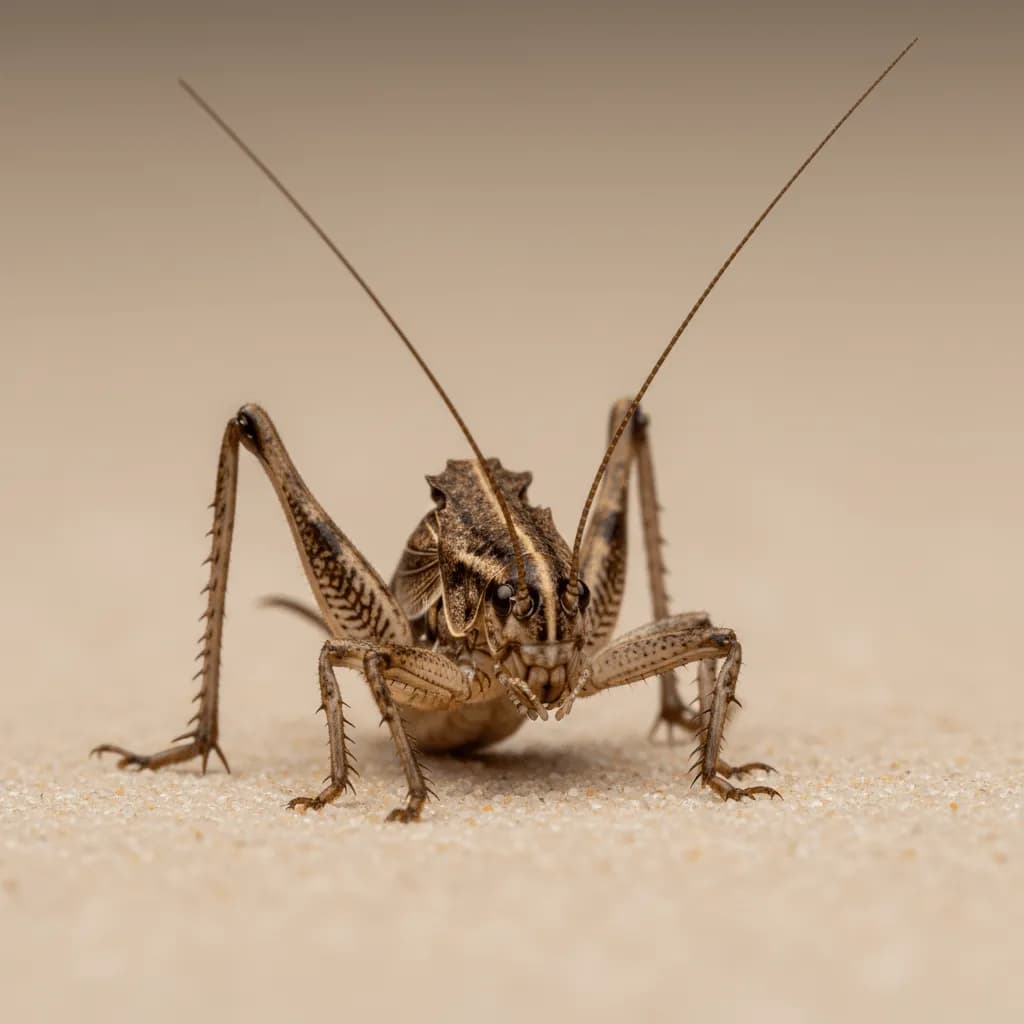
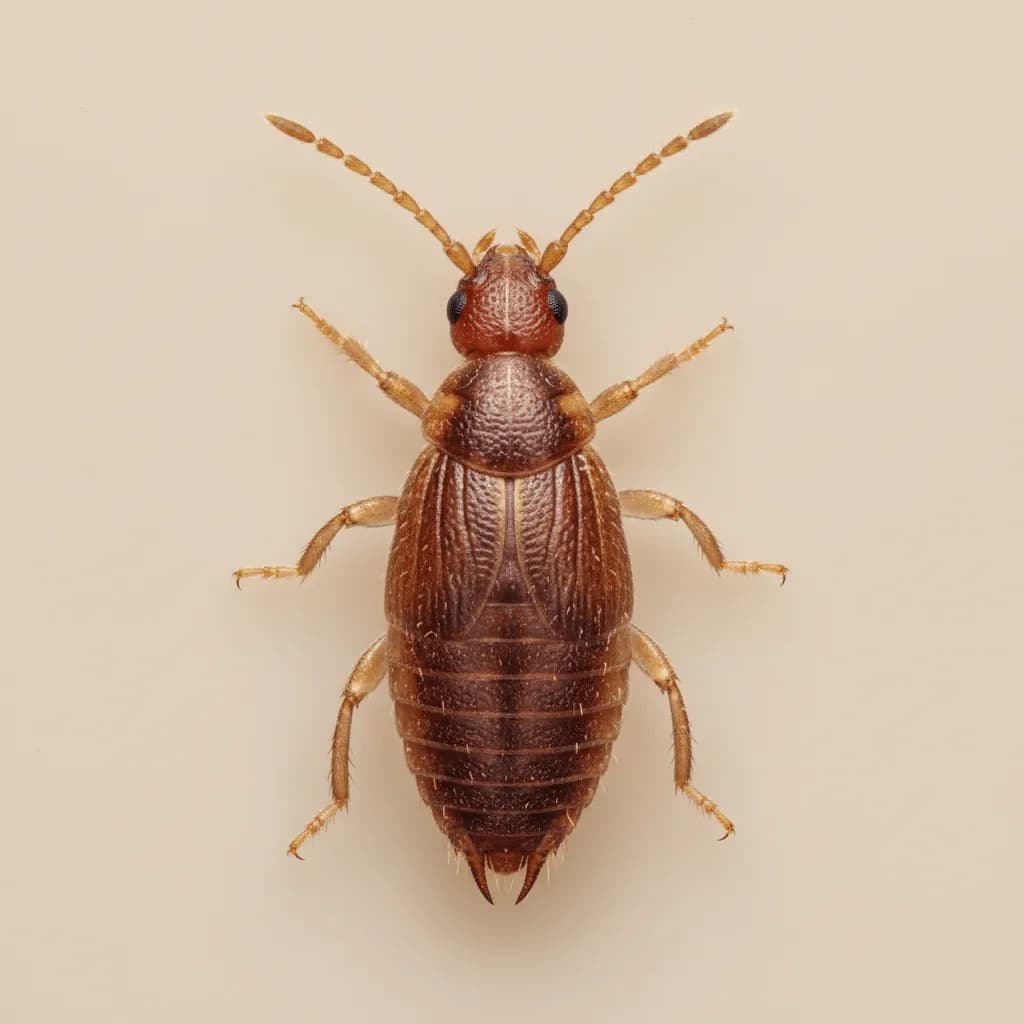
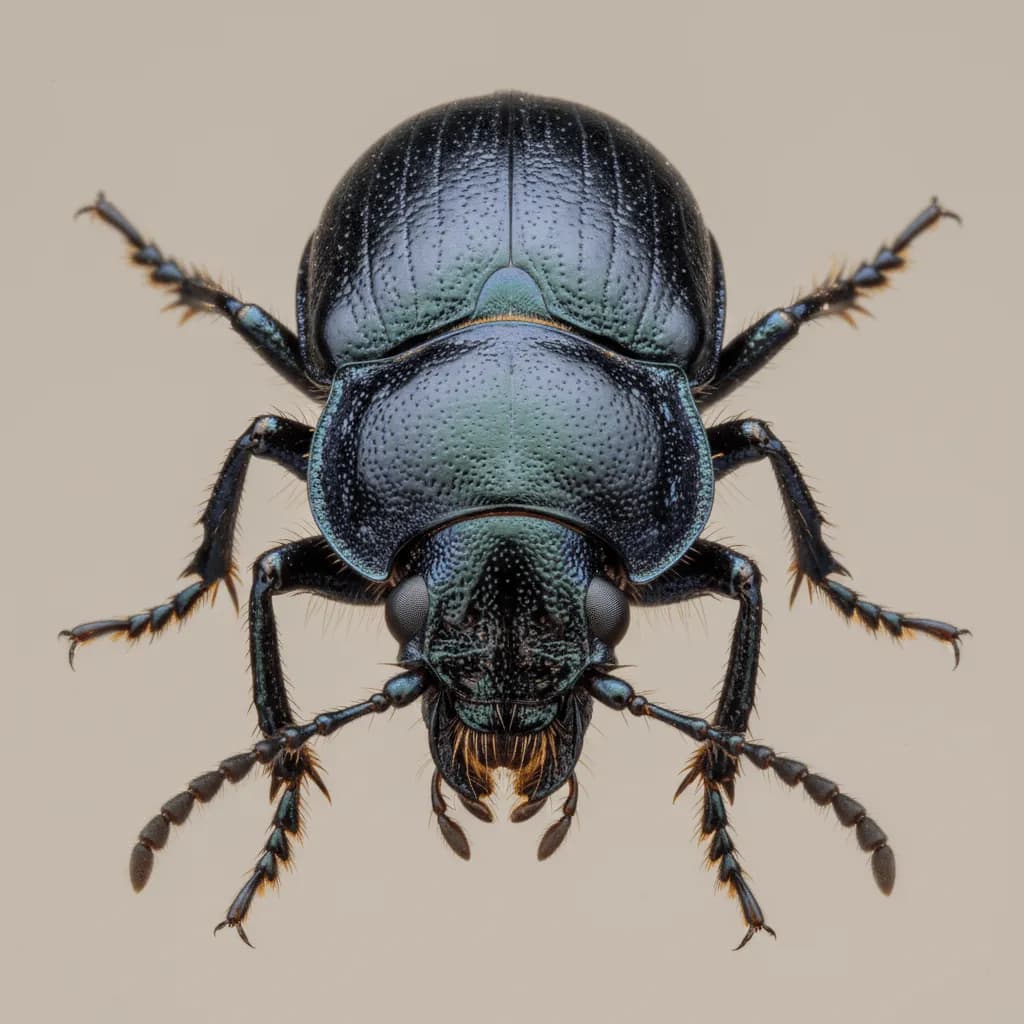
Frequently Asked Questions
Why do crickets chirp?
Can crickets damage my clothes?
Are crickets attracted to my house specifically?
Need Help With Cricket?
If you're seeing signs of cricket in or around your home, professional treatment is the fastest way to stop the problem. Lotus Pest Control offers free inspections to identify the issue and recommend the right solution.
At a Glance
- Category
- Occasional Invaders
- Scientific Name
- Acheta domesticus
- Size
- 16-22 mm
- Color
- Yellowish-brown to dark brown with three dark bands on the head
- Key Trait
- Long, thin antennae longer than the body; powerful hind legs for jumping; males produce loud chirping by rubbing forewings together.
- Regions
- Southeast, Midwest, Southwest, Great Plains
- Threat Level
- Very Low
- Risk Types
- nuisance
- Seasonal Activity
- MarAprMayJunJulAugSepOctNovDecJanFebnonelowmoderatehighpeak