
Crickets
Crickets are familiar insects known for the chirping song of males, which is produced by rubbing their wings together. House crickets and field crickets are the most common species that invade homes, typically in fall as temperatures drop. Camel crickets, also called cave crickets or spider crickets, are humpbacked, wingless crickets that are increasingly common in basements and crawl spaces throughout the eastern United States. Their jumping ability and spider-like appearance make camel crickets one of the most startling basement-dwelling pests.
Species in This Group (2)
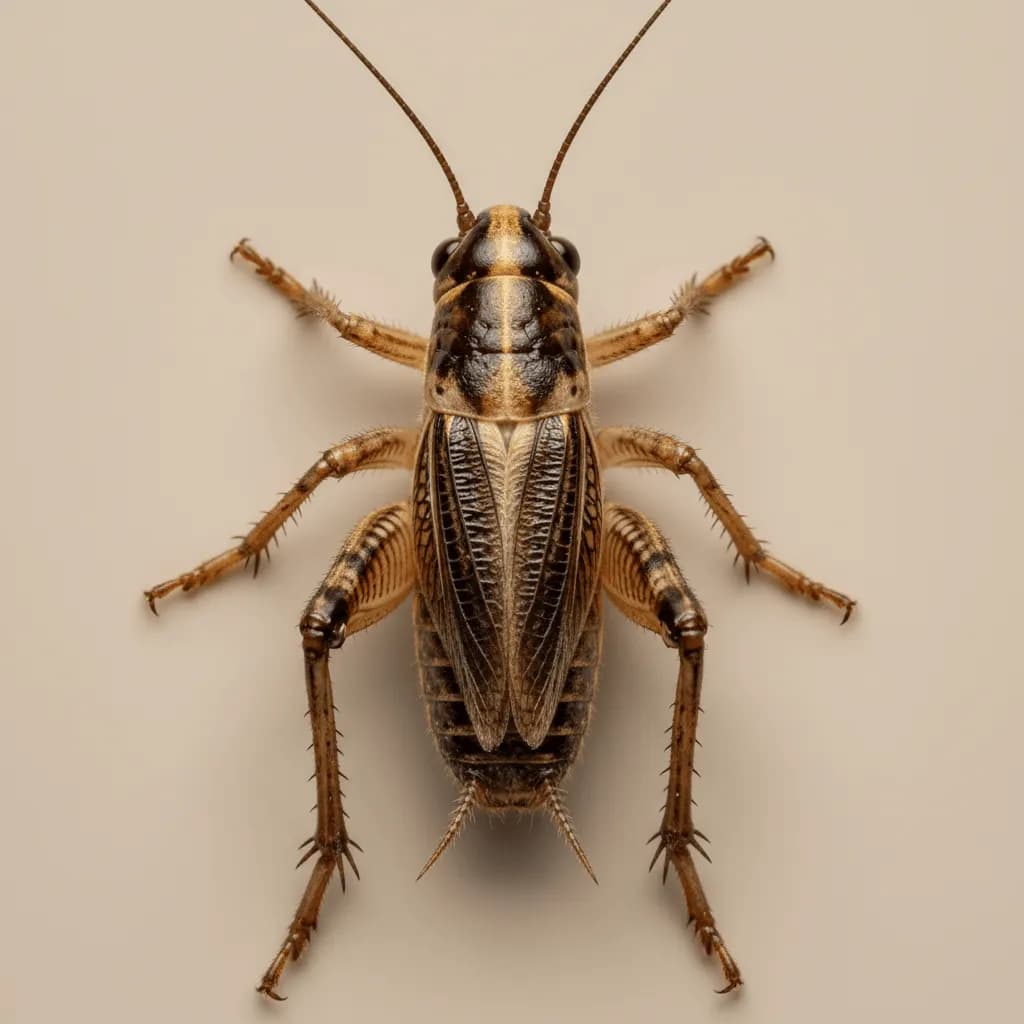
Cricket
Acheta domesticus
The House Cricket is one of the most familiar household invaders, known for the persistent chirping of males seeking mates.
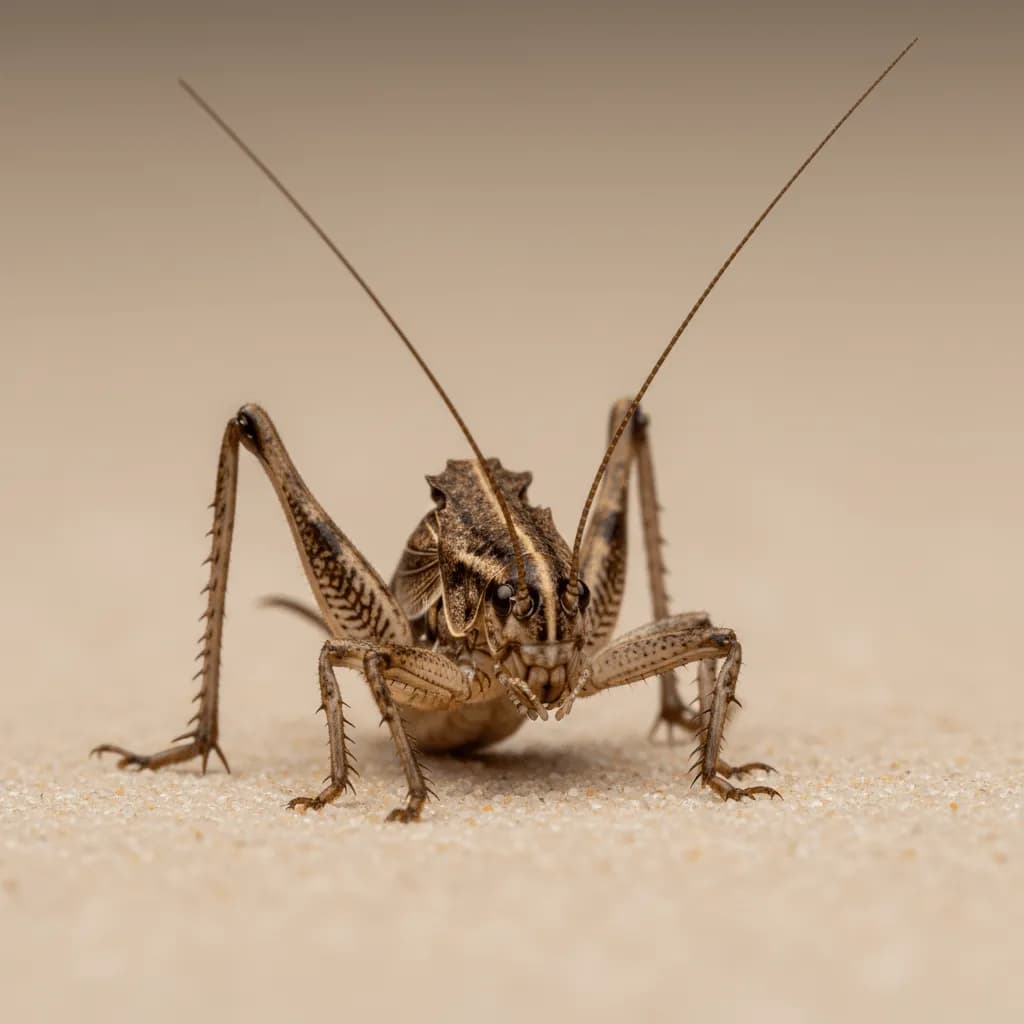
Camel Cricket
Ceuthophilus spp.
Camel crickets are wingless, humpbacked crickets that inhabit dark, moist spaces.
Key Behaviors
House and field crickets are attracted to lights and enter homes through doors, windows, and foundation gaps. They chirp persistently at night, with the song's tempo increasing with temperature. Camel crickets do not chirp but congregate in damp, dark basement areas and can jump several feet when startled. Crickets are omnivorous, feeding on fabric, paper, food crumbs, and other insects. Large populations of camel crickets often indicate moisture problems in basements and crawl spaces.
Risks & Concerns
Crickets can damage fabrics, paper, and clothing by feeding. House cricket chirping at night disrupts sleep and is extremely persistent. Camel crickets in large numbers indicate excessive basement moisture and can damage stored items. Crickets do not bite or transmit disease. In commercial settings, particularly food processing, crickets are unacceptable contaminants.
Quick Comparison
| Species | Size | Color | Key Trait |
|---|---|---|---|
| Cricket | 16-22 mm | Yellowish-brown to dark brown with three dark bands on the head | Long, thin antennae longer than the body; powerful hind legs for jumping; males produce loud chirping by rubbing forewings together. |
| Camel Cricket | 13-33 mm | Tan to dark brown, often mottled | Humpbacked appearance; extremely long antennae and hind legs; wingless - cannot chirp; jumps erratically toward perceived threats. |
Need Help With Crickets?
If you're seeing signs of crickets in or around your home, professional treatment is the fastest way to stop the problem. Lotus Pest Control offers free inspections to identify the issue and recommend the right solution.