
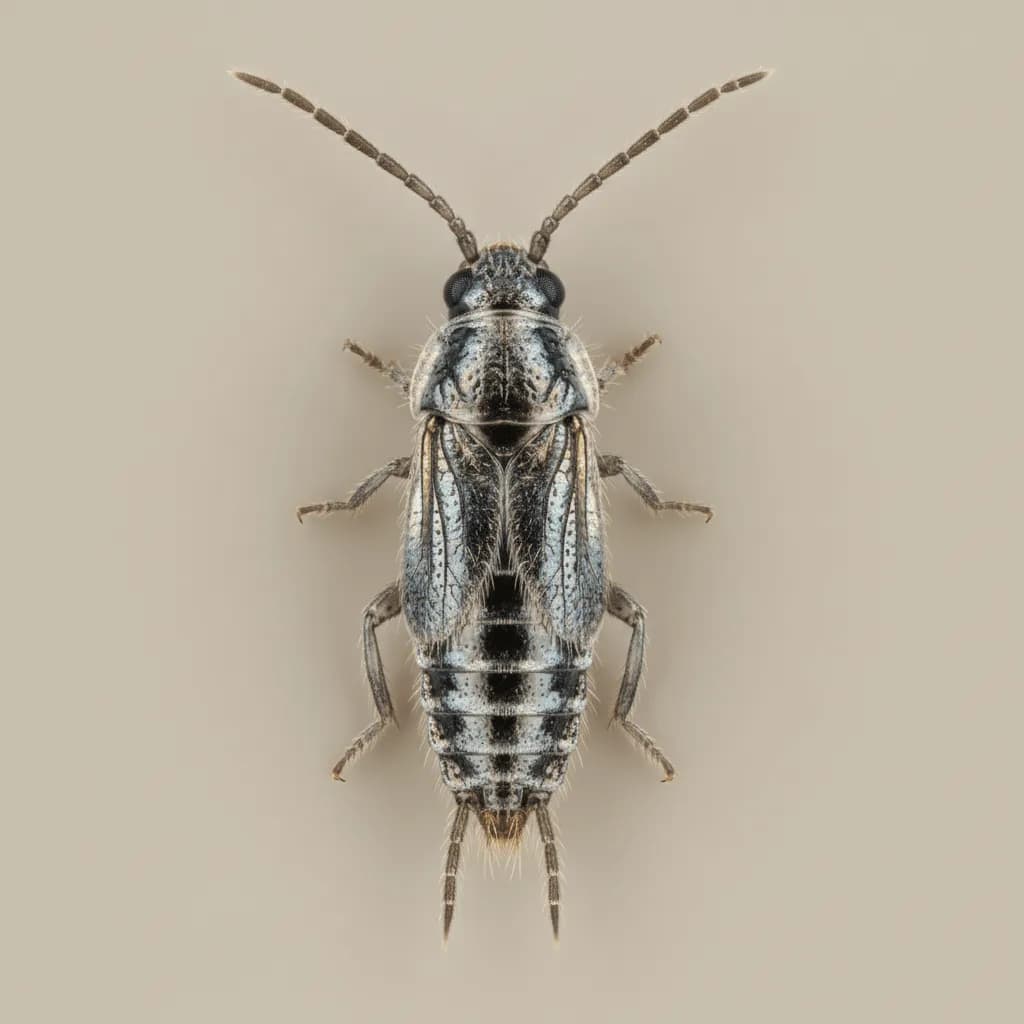
Firebrat
Thermobia domestica
Also known as: Bristletail
The Firebrat is closely related to the silverfish but prefers hot, dry environments such as areas near furnaces, ovens, and hot water heaters. It feeds on similar starchy materials and can be a significant pest in bakeries and commercial kitchens.
Identification
Size
10-14 mm
Color
Mottled gray-brown with darker and lighter patches; lacks the uniform silvery sheen of silverfish
Key Trait
Similar shape to silverfish but with mottled brown coloring instead of uniform silver; prefers much warmer environments (above 90 degrees F).
Behavior & Habitat
Nocturnal and fast-moving like silverfish. Strongly prefers temperatures above 90 degrees F. Often found near heat sources. Can survive long periods without food.
Habitat: Near furnaces, boilers, hot water heaters, ovens, fireplaces, and steam pipes; bakeries and commercial kitchens.
Diet: Starches, flour, paper, book bindings, wallpaper paste, and carbohydrate-rich materials.
Signs of Infestation
- Sightings near ovens, furnaces, or boiler rooms
- Feeding damage on paper and starchy materials in warm areas
- Tiny pepper-like droppings near heat sources
Risks & Damage
Damages paper, books, and starchy materials in warm areas.
Contaminates flour and baked goods in commercial settings.
Prevention Tips
- 1.Seal cracks and gaps around furnaces, boilers, and heating pipes
- 2.Store paper goods and starches away from heat sources in sealed containers
- 3.Repair leaky steam pipes and reduce excessive heat in storage areas
Why DIY Treatment Often Falls Short
Firebrats live in extremely warm, hard-to-reach areas near furnaces and boilers where DIY sprays degrade quickly from the heat.
Professional Treatment
Professionals use heat-stable residual treatments and desiccant dusts in wall voids and crevices near heat sources, combined with monitoring traps to verify elimination.
Frequently Asked Questions
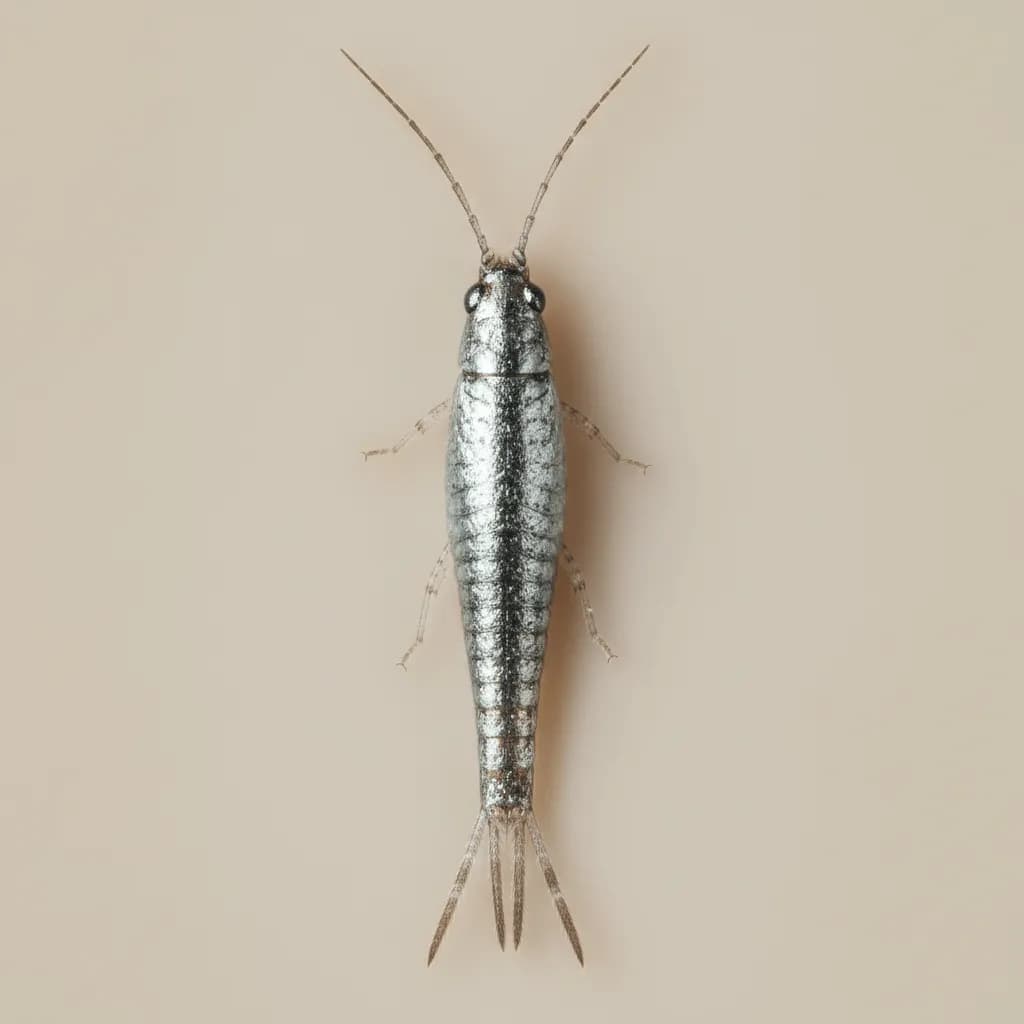
How is a firebrat different from a silverfish?
Why are they near my furnace?
Can firebrats infest a bakery?
Need Help With Firebrat?
If you're seeing signs of firebrat in or around your home, professional treatment is the fastest way to stop the problem. Lotus Pest Control offers free inspections to identify the issue and recommend the right solution.
At a Glance
- Category
- Occasional Invaders
- Scientific Name
- Thermobia domestica
- Size
- 10-14 mm
- Color
- Mottled gray-brown with darker and lighter patches; lacks the uniform silvery sheen of silverfish
- Key Trait
- Similar shape to silverfish but with mottled brown coloring instead of uniform silver; prefers much warmer environments (above 90 degrees F).
- Regions
- Northeast, Midwest, Southeast, Southwest
- Threat Level
- Low
- Risk Types
- nuisancefood
- Seasonal Activity
- MarAprMayJunJulAugSepOctNovDecJanFebnonelowmoderatehighpeak