
Bumble Bees
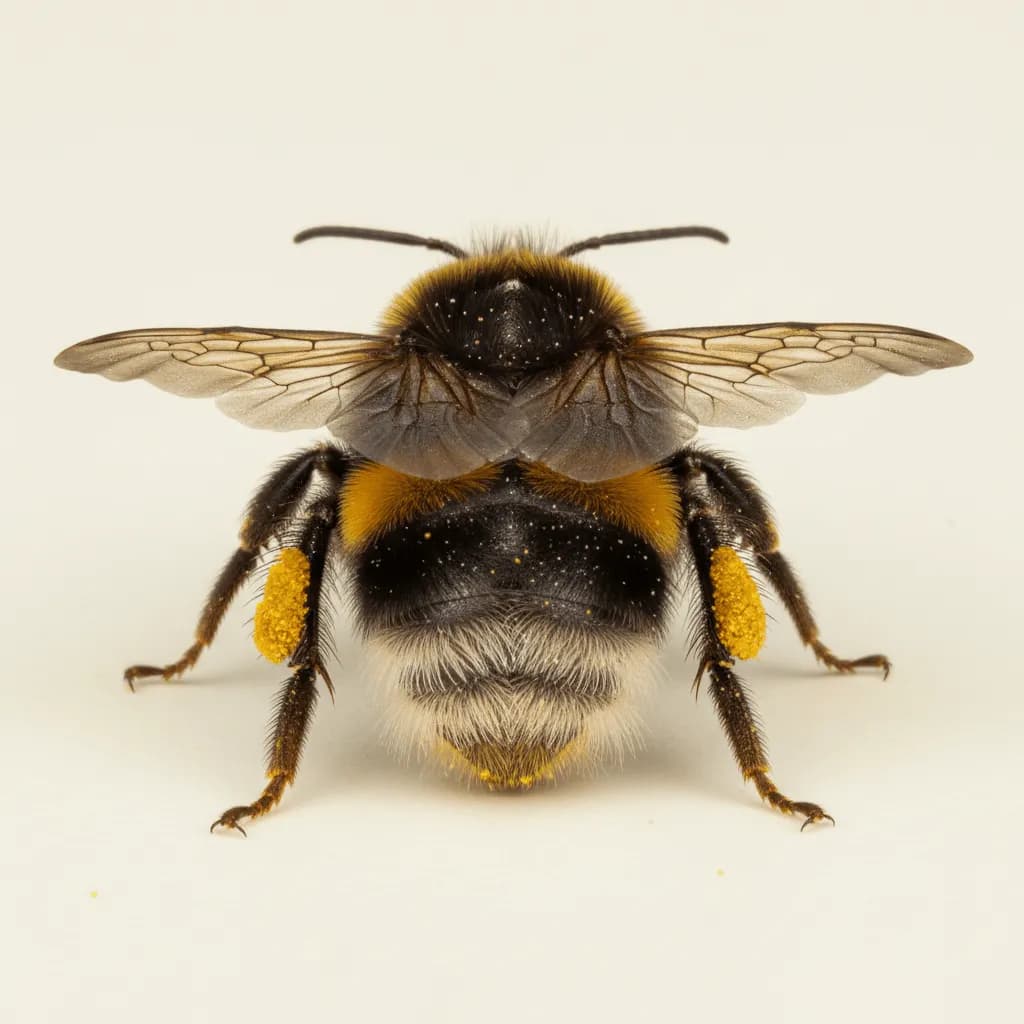
Bumble bees are large, fuzzy, yellow-and-black bees that nest in ground cavities, under sheds, in abandoned rodent burrows, and occasionally in birdhouses and wall voids. Colonies are small, typically containing 50 to 400 workers, and are annual - only newly mated queens survive the winter. They are important native pollinators and are generally docile away from the nest. Pest management concerns arise when nests are located in high-traffic areas where disturbance is likely, such as under porches, next to walkways, or in ground-level planting beds.
Species in This Group (1)
Key Behaviors
Bumble bees forage on a wide variety of flowers and are active from early spring through late fall. Queens emerge from hibernation in early spring and establish nests in sheltered ground-level cavities. Workers are generally non-aggressive when foraging but will sting to defend the nest. Unlike honey bees, bumble bee workers can sting multiple times. Colonies die off in fall, and only new queens survive to start colonies the following spring.
Risks & Concerns
Bumble bee stings are painful and can trigger anaphylaxis in allergic individuals. Ground-level nests are easily disturbed by mowing, gardening, and foot traffic. Because they are important pollinators, removal should be considered only when nests pose a direct safety risk. Nest relocation by professionals is preferred over extermination when feasible.
Need Help With Bumble bees?
If you're seeing signs of bumble bees in or around your home, professional treatment is the fastest way to stop the problem. Lotus Pest Control offers free inspections to identify the issue and recommend the right solution.