
Stinging Insect
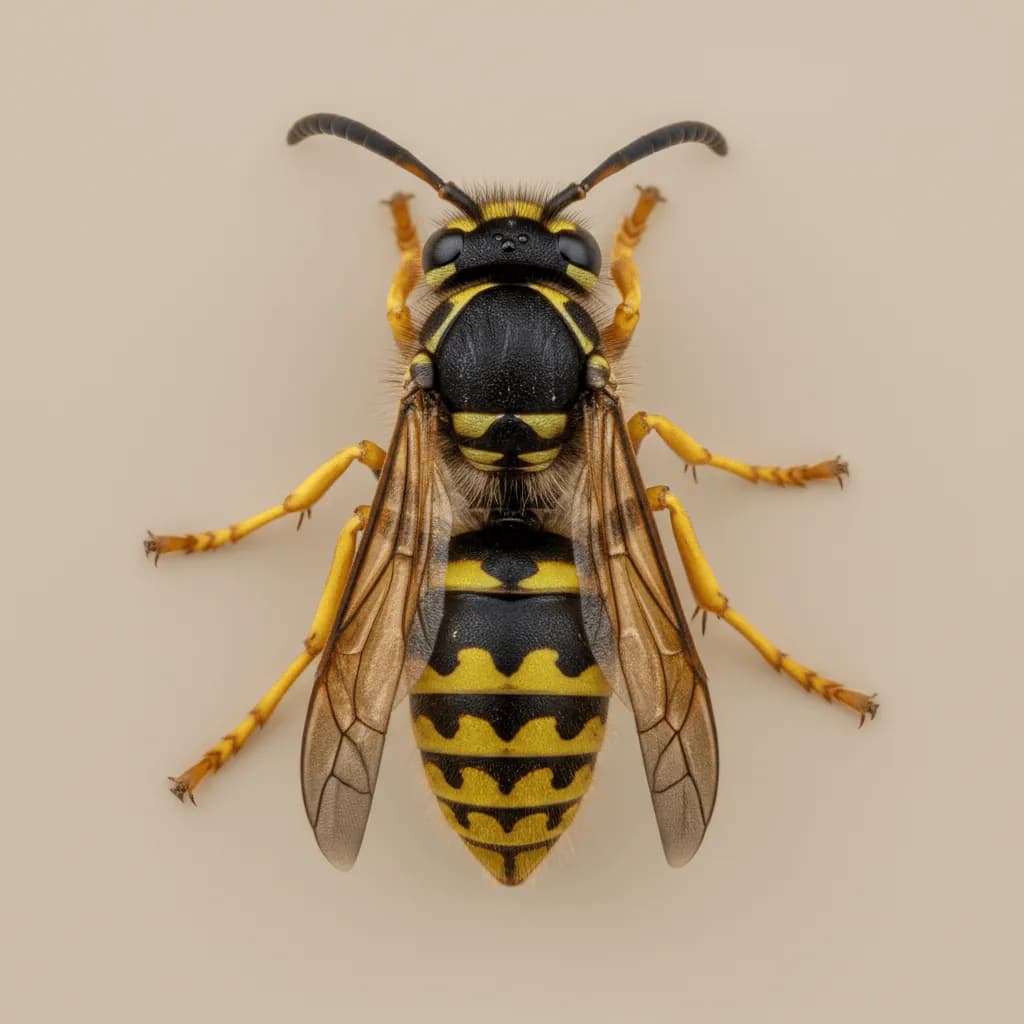
Stinging insects - including wasps, hornets, yellowjackets, and various bee species - are among the most feared household pests in the United States. They belong to the order Hymenoptera and play important ecological roles as pollinators and predators of other insects. However, when they nest on or near structures, they pose a real danger to humans, particularly people with venom allergies. Stings from wasps and yellowjackets send more than 500,000 people to emergency rooms each year. Nest removal and population management require care because many stinging insects are aggressive when their colony is threatened.
Species Covered
20
Species Groups
12
Common Traits
All stinging insects in this category are social or semi-social Hymenopterans that defend their nests vigorously. Unlike bees, wasps and yellowjackets can sting multiple times because their stingers lack barbs. Most species are attracted to sweet foods and proteins, which is why they frequently show up at outdoor meals, trash cans, and recycling bins.
Species in This Category
Paper Wasps
4 species
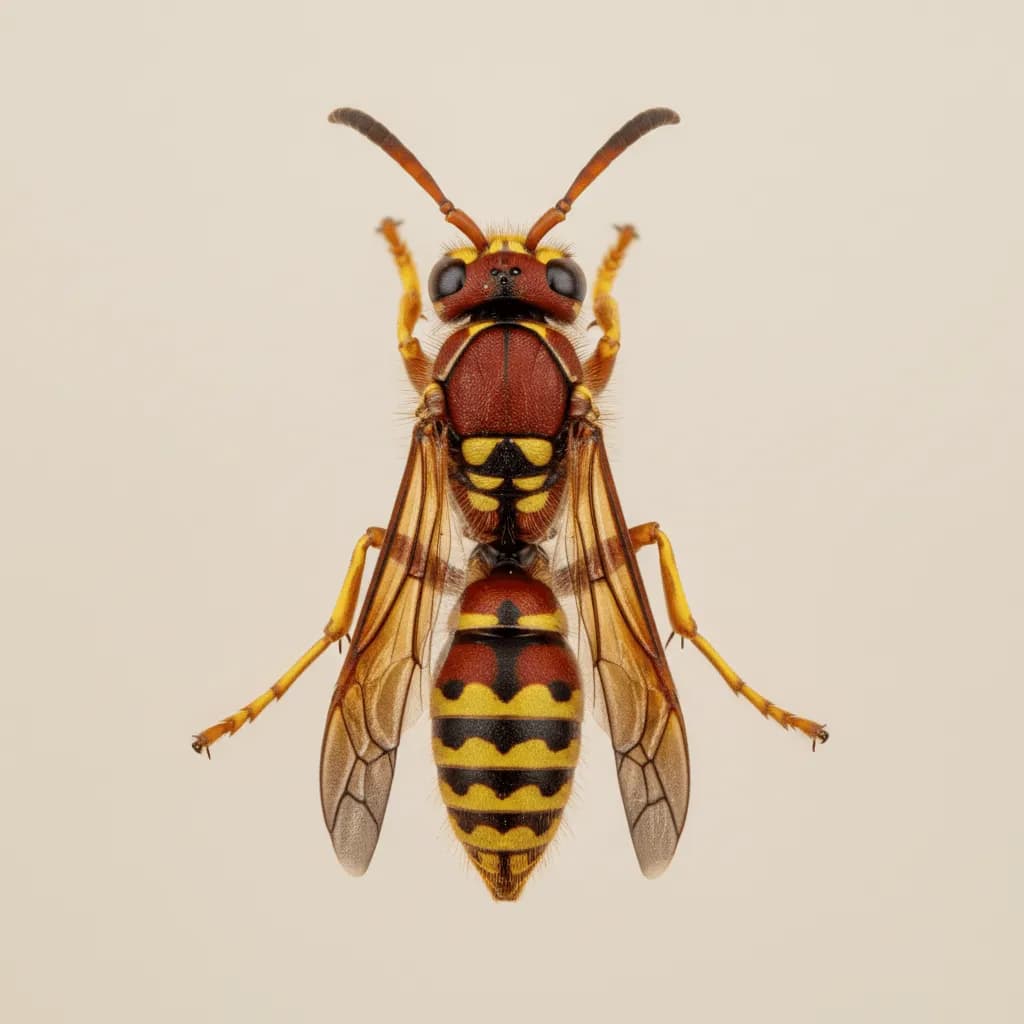
Paper wasps are slender, long-legged wasps that build open-faced, umbrella-shaped paper nests under eaves, porch ceilings, deck rails, and in attic spaces.
Yellowjackets
5 species
Yellowjackets are aggressive, colonial wasps that build enclosed paper nests underground, in wall voids, and in aerial locations.
Hornets
2 species
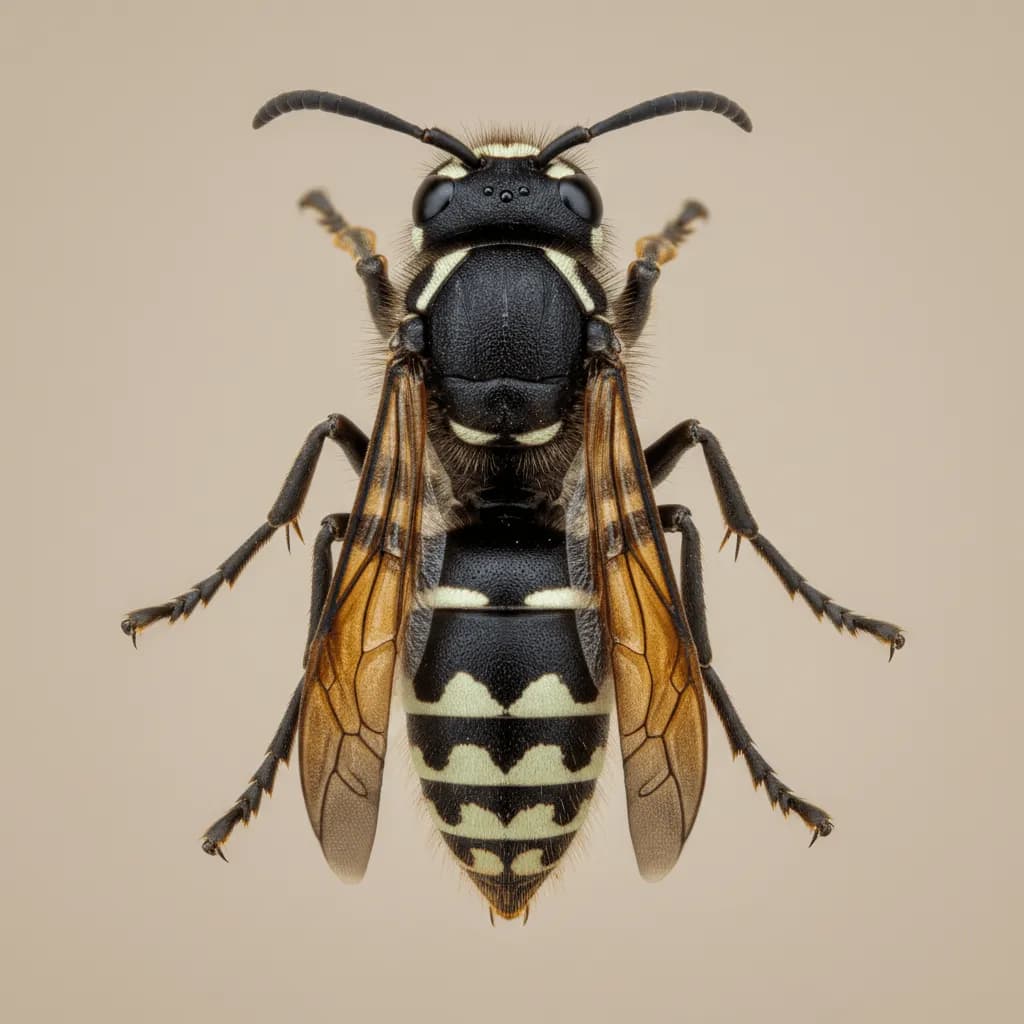
Hornets are the largest social wasps, with the European hornet being the only true hornet established in North America and the bald-faced hornet being a large yellowjacket species commonly called a hornet.
Mud Daubers
3 species
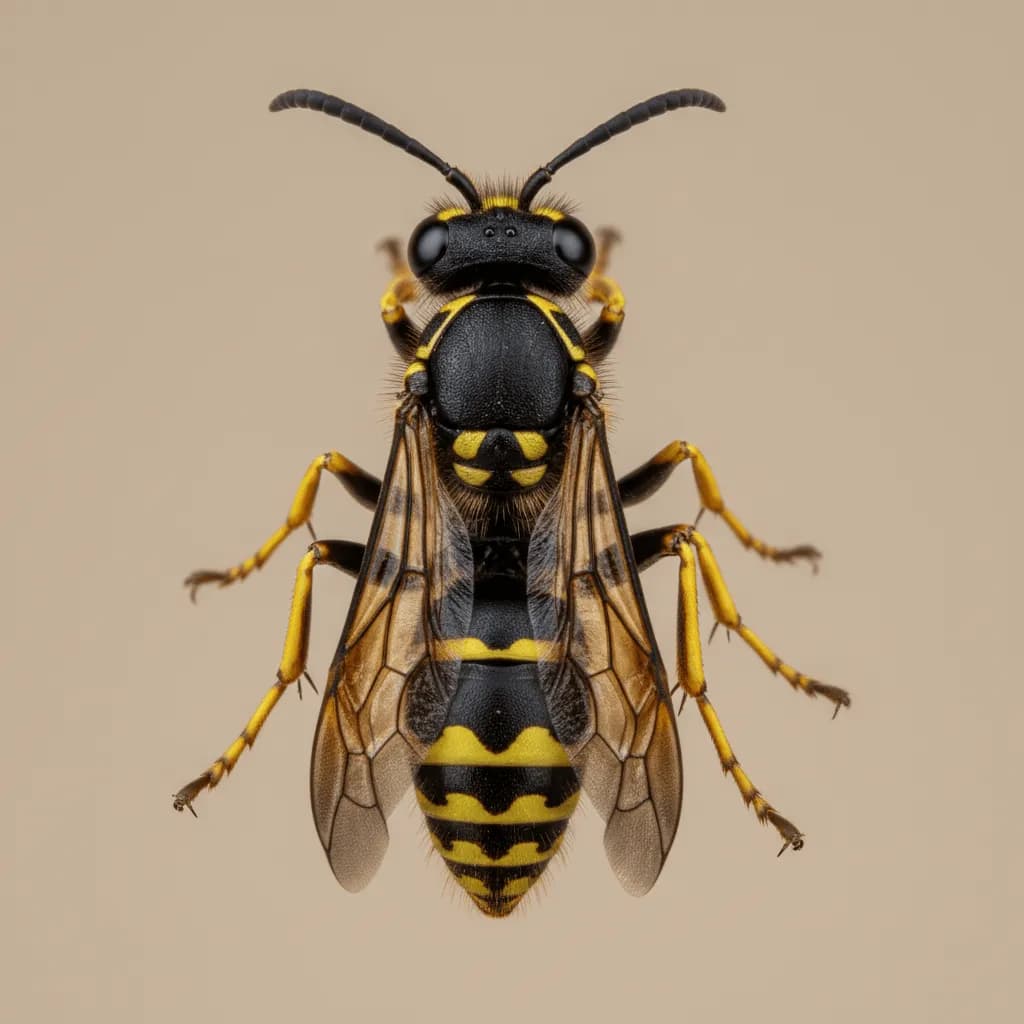
Mud daubers are solitary wasps that build distinctive nests from mud on walls, eaves, ceilings, and other sheltered surfaces.
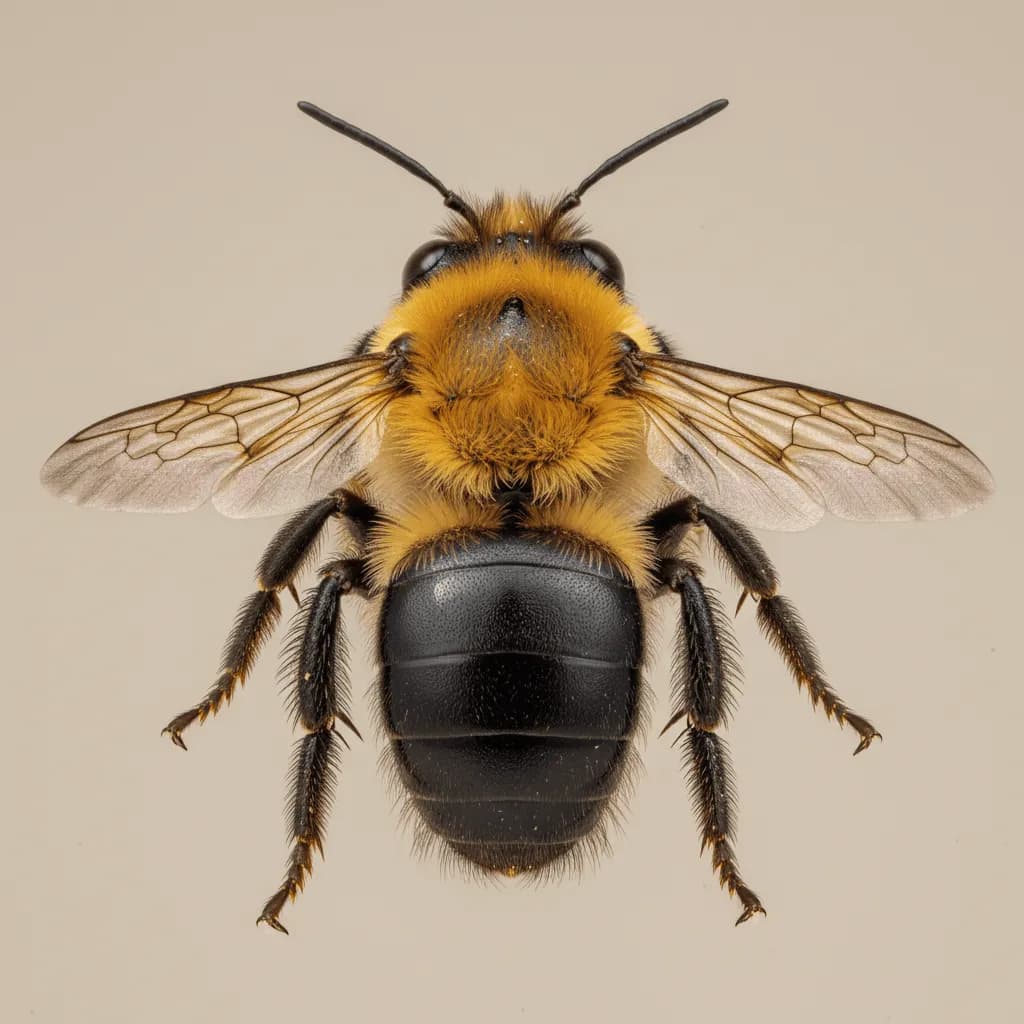
Carpenter Bees
3 species
Carpenter bees are large, robust bees that bore perfectly round, half-inch-diameter holes into unpainted or weathered wood to create nesting galleries.
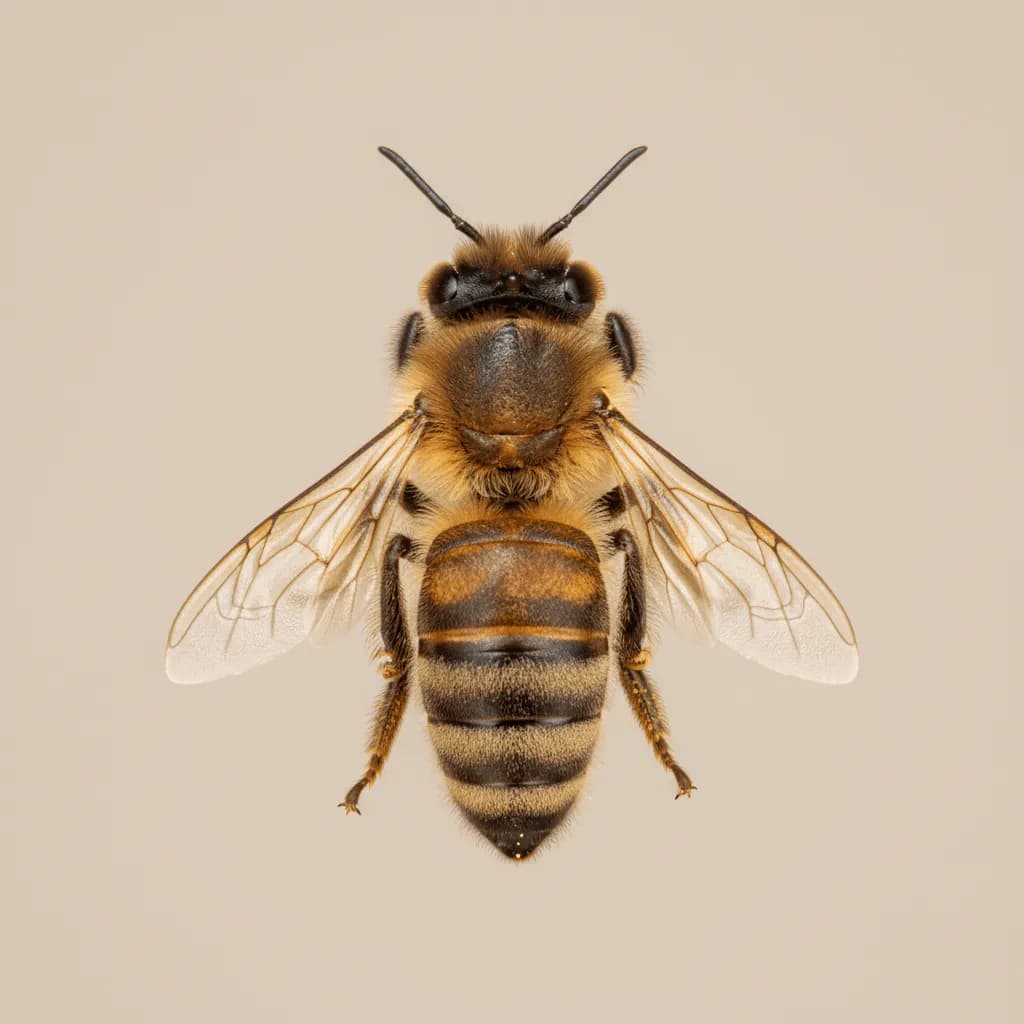
Honey Bees
2 species
Honey bees are highly social, colony-forming bees that are essential agricultural pollinators but can become structural and safety pests when they establish hives in wall voids, soffits, chimneys, and other building cavities.
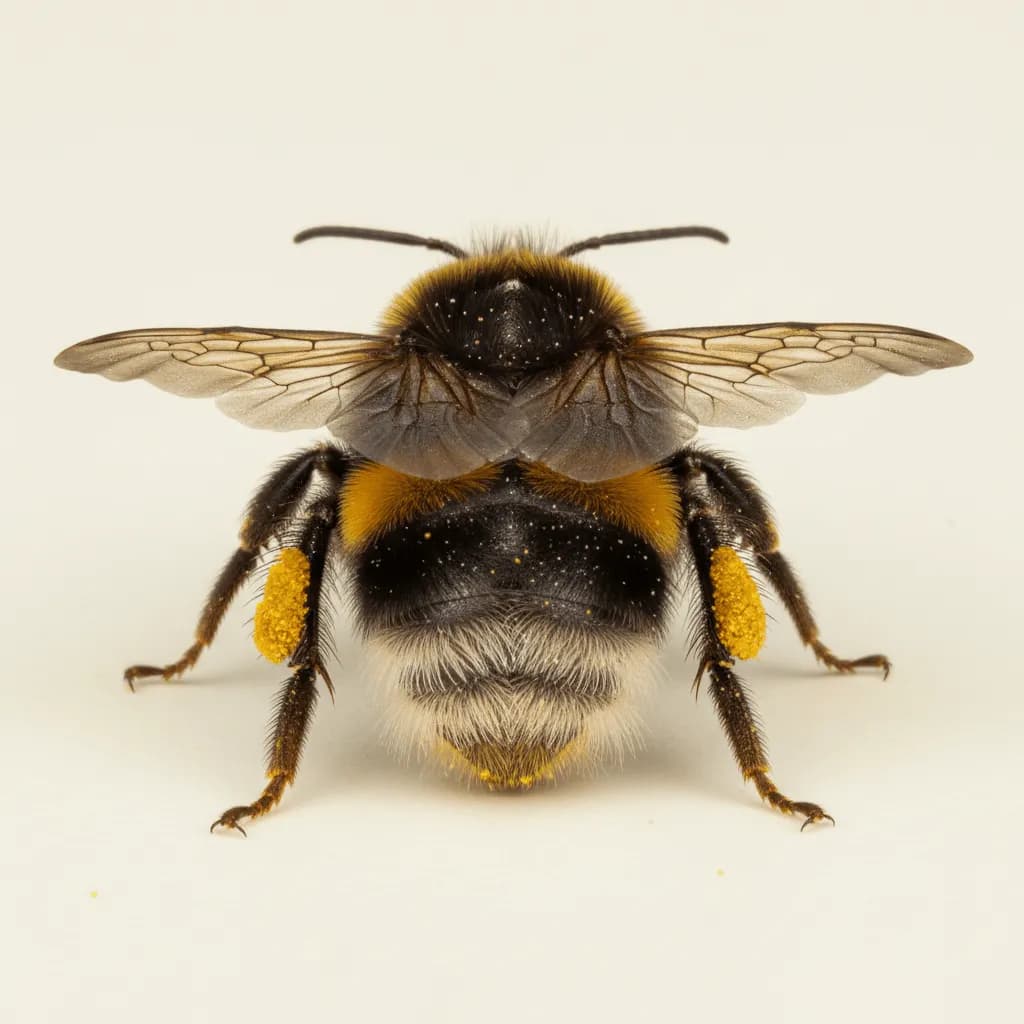
Bumble Bees
3 species
Bumble bees are large, fuzzy, yellow-and-black bees that nest in ground cavities, under sheds, in abandoned rodent burrows, and occasionally in birdhouses and wall voids.
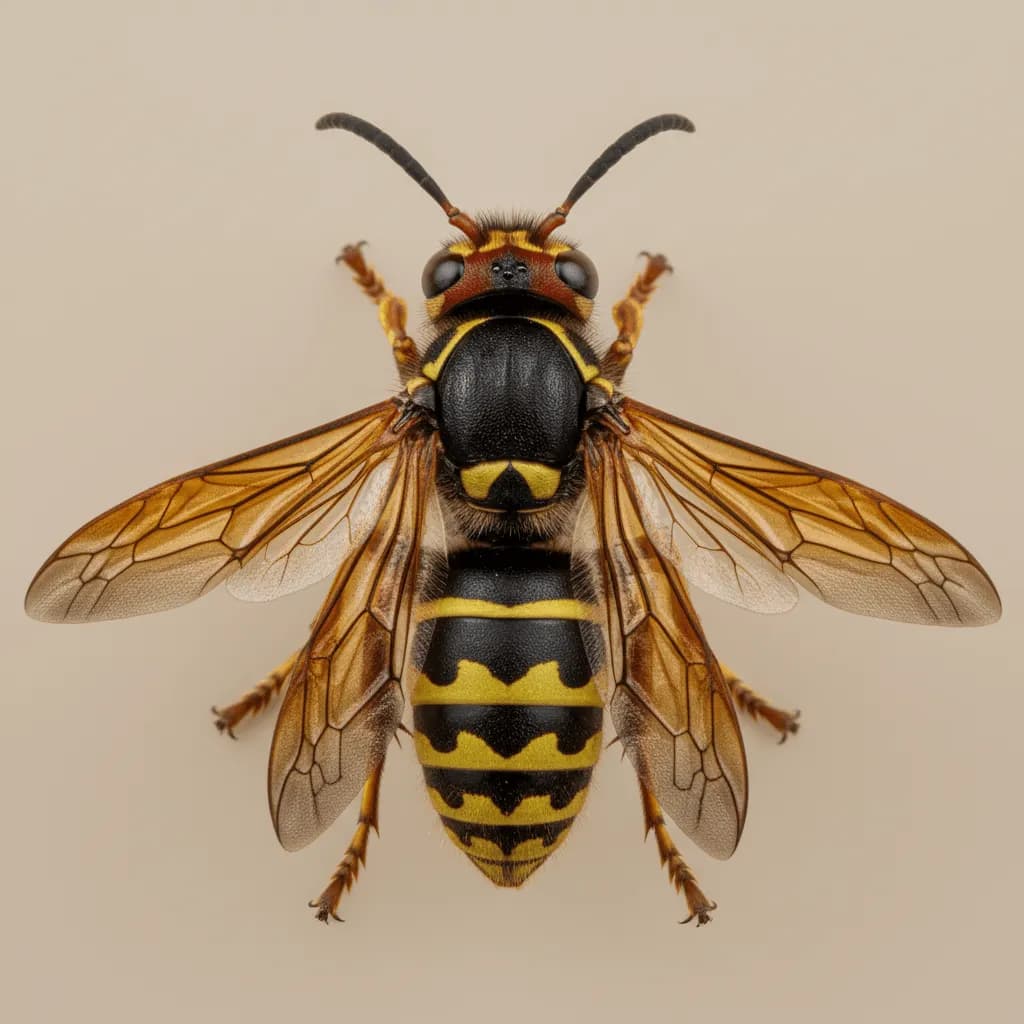
Cicada Killers
2 species
Cicada killer wasps are among the largest wasps in North America, measuring up to two inches in length with bold yellow and black markings.
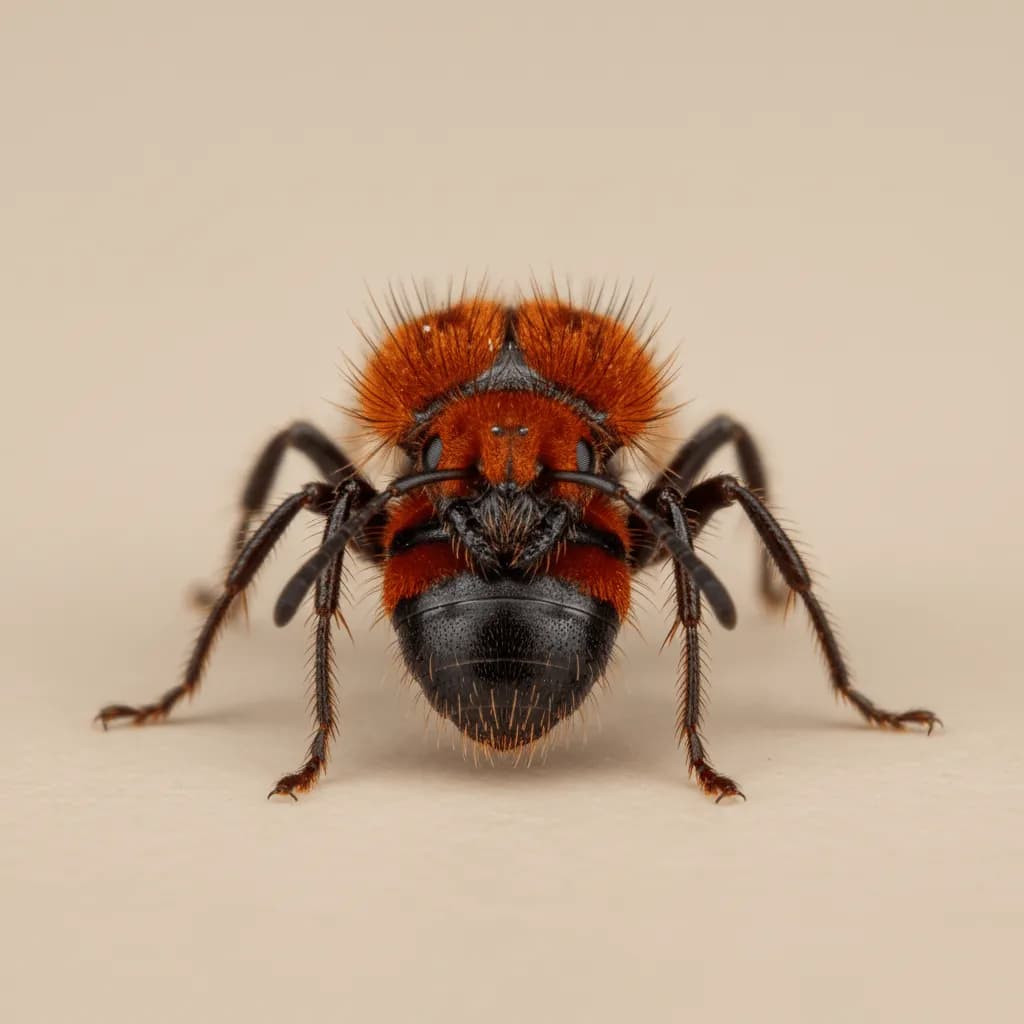
Velvet Ants
2 species
Velvet ants are actually parasitic wasps, not true ants.
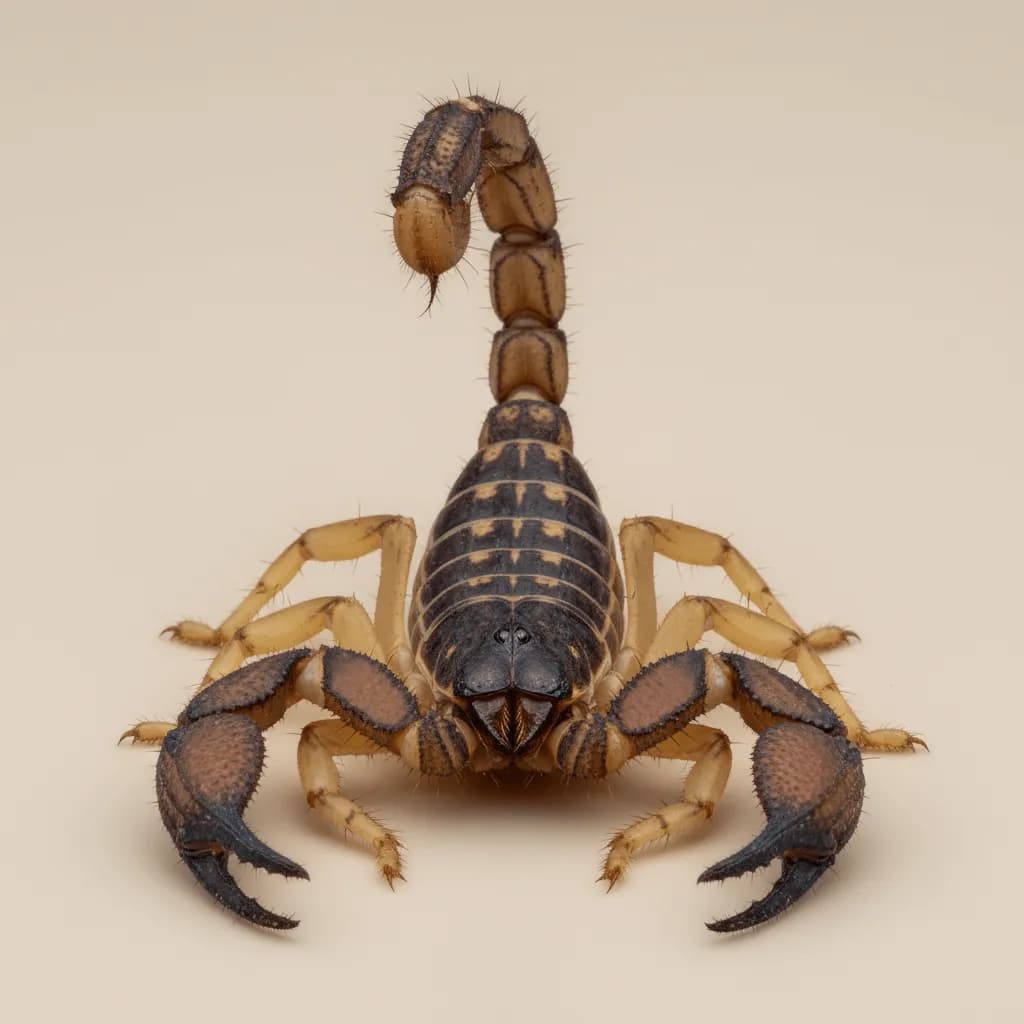
Scorpions
3 species
Scorpions are nocturnal arachnids found primarily in the southern and western United States.
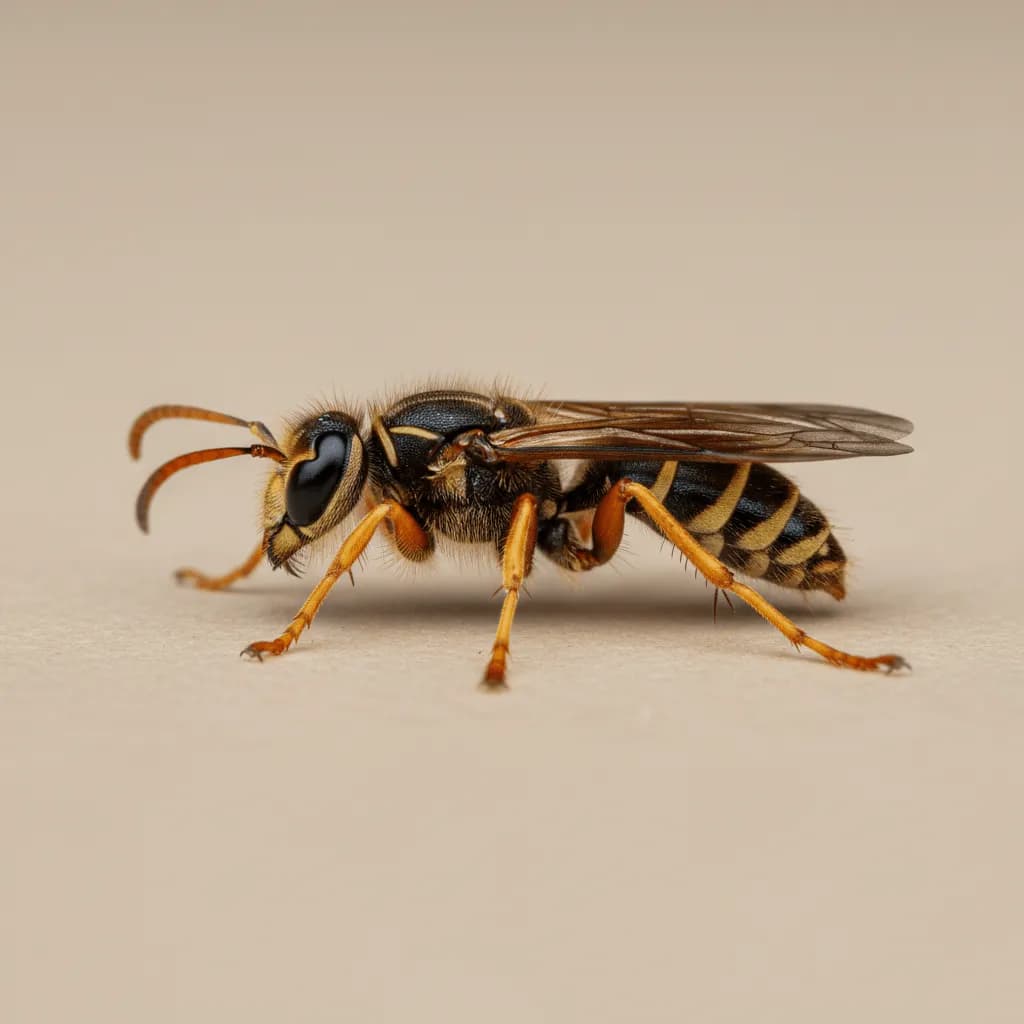
Digger Wasps
1 species
The Great Golden Digger Wasp is a large, strikingly colored solitary wasp that nests in the ground.
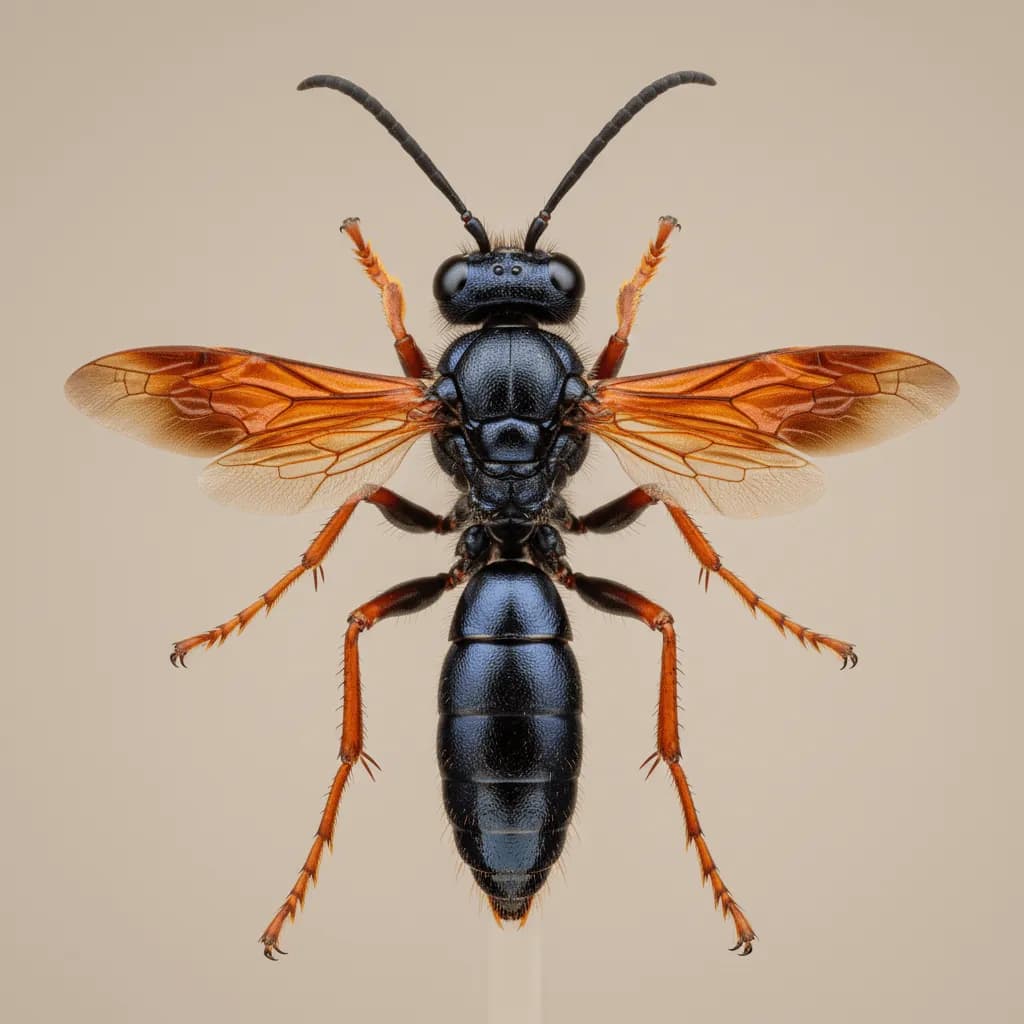
Spider Wasps
1 species
The Tarantula Hawk is one of the largest and most spectacular wasps in North America.
All Stinging Insect
Signs of Infestation
- Visible paper or mud nests under eaves, in attics, inside wall voids, or on tree branches
- Increased wasp or yellowjacket activity around outdoor eating areas and garbage
- Insects entering and exiting a specific gap or hole in siding, soffits, or the ground
- Buzzing sounds within walls or ceilings during warm months
- Chewed wood fibers on surfaces near paper wasp nests
Prevention
Preventing stinging insect problems starts with making your property less attractive to nest-building queens in early spring. Seal gaps in siding, soffits, and around roof lines; keep trash cans tightly sealed; and avoid leaving sweet beverages or food uncovered outdoors. Early-season inspections allow professionals to remove small nests before colonies mature and become defensive.
Frequently Asked Questions
What should I do if I find a wasp nest on my house?
What is the difference between a bee and a wasp?
Are yellowjackets more dangerous than other wasps?
Can a stinging insect nest damage my home?
How can I tell if I am allergic to stings?
Should I remove a honey bee colony myself?
Need Help With Stinging insect?
If you're seeing signs of stinging insect in or around your home, professional treatment is the fastest way to stop the problem. Lotus Pest Control offers free inspections to identify the issue and recommend the right solution.