
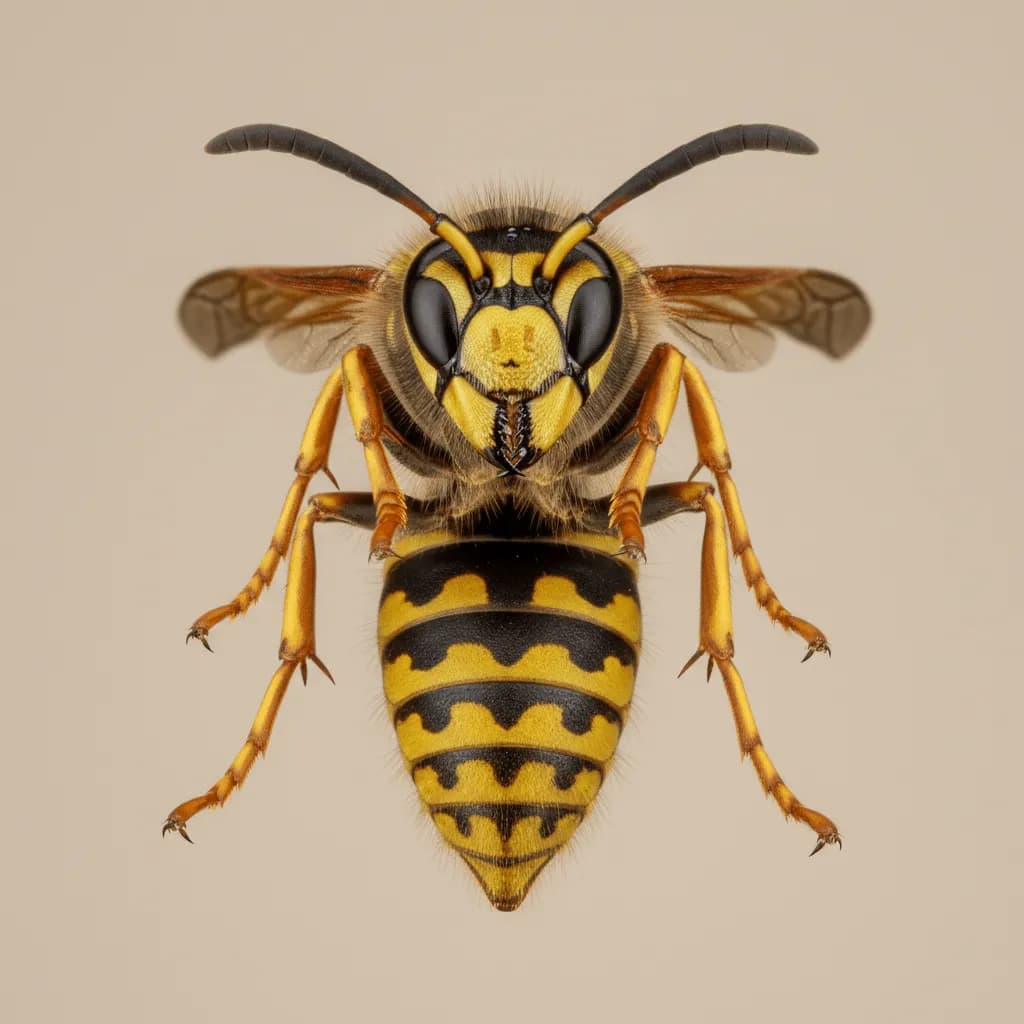
German Yellowjacket
Vespula germanica
Also known as: European Yellowjacket
The German Yellowjacket is an invasive species from Europe that has become the dominant structural-nesting yellowjacket in many parts of North America. It preferentially nests in wall voids, attics, and other enclosed spaces within buildings, making it particularly problematic for homeowners.
Identification
Size
12-16 mm
Color
Black and yellow with distinctive anchor-shaped markings on the face
Key Trait
Prefers to nest in wall voids and structures rather than underground; anchor-shaped facial markings.
Behavior & Habitat
Nests preferentially in wall voids and attics. Highly aggressive, especially when the nest entrance is near a doorway. Scavenges aggressively for protein and sugar.
Habitat: Wall voids, attics, soffits, and enclosed spaces in buildings. Less commonly nests underground. Found across the northern United States.
Diet: Meat, garbage, pet food, fruit, and sugary drinks.
Signs of Infestation
- Yellowjackets entering and exiting a gap in siding, soffits, or trim
- Buzzing sound inside a wall
- Wet or stained spot on a ceiling indicating a nest above
Risks & Damage
Aggressive stinging defense; structural nests can be very difficult to avoid.
Prevention Tips
- 1.Seal all gaps in siding, soffits, and foundation
- 2.Screen attic vents
- 3.Keep garbage containers sealed
Why DIY Treatment Often Falls Short
Structural nests are hidden inside walls and cannot be treated effectively from the outside. Sealing the entrance without treating the nest traps angry wasps that chew through interior drywall into living spaces.
Professional Treatment
Technicians inject dust or aerosol directly into the wall void through the entrance or through drilled access points. The nest may be physically removed after treatment. Entrance exclusion is performed only after all workers are confirmed dead.
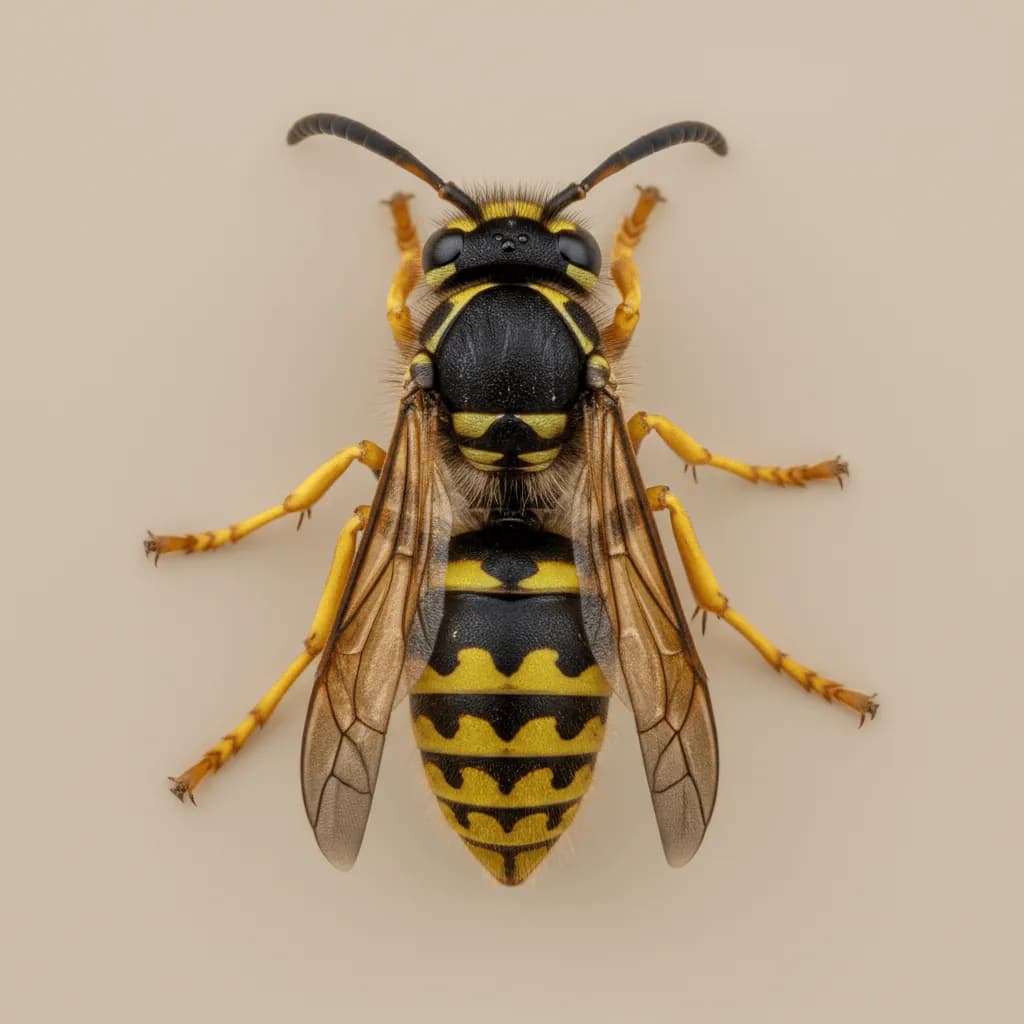
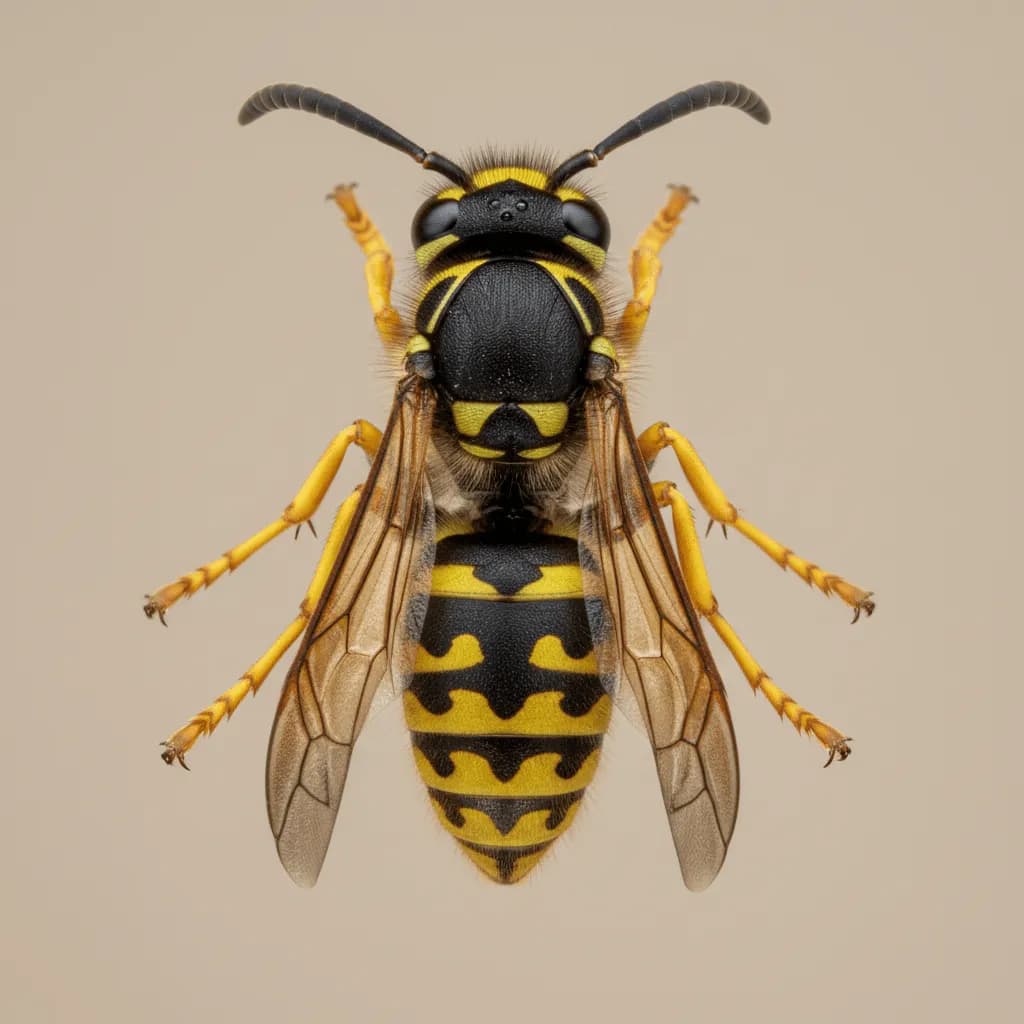
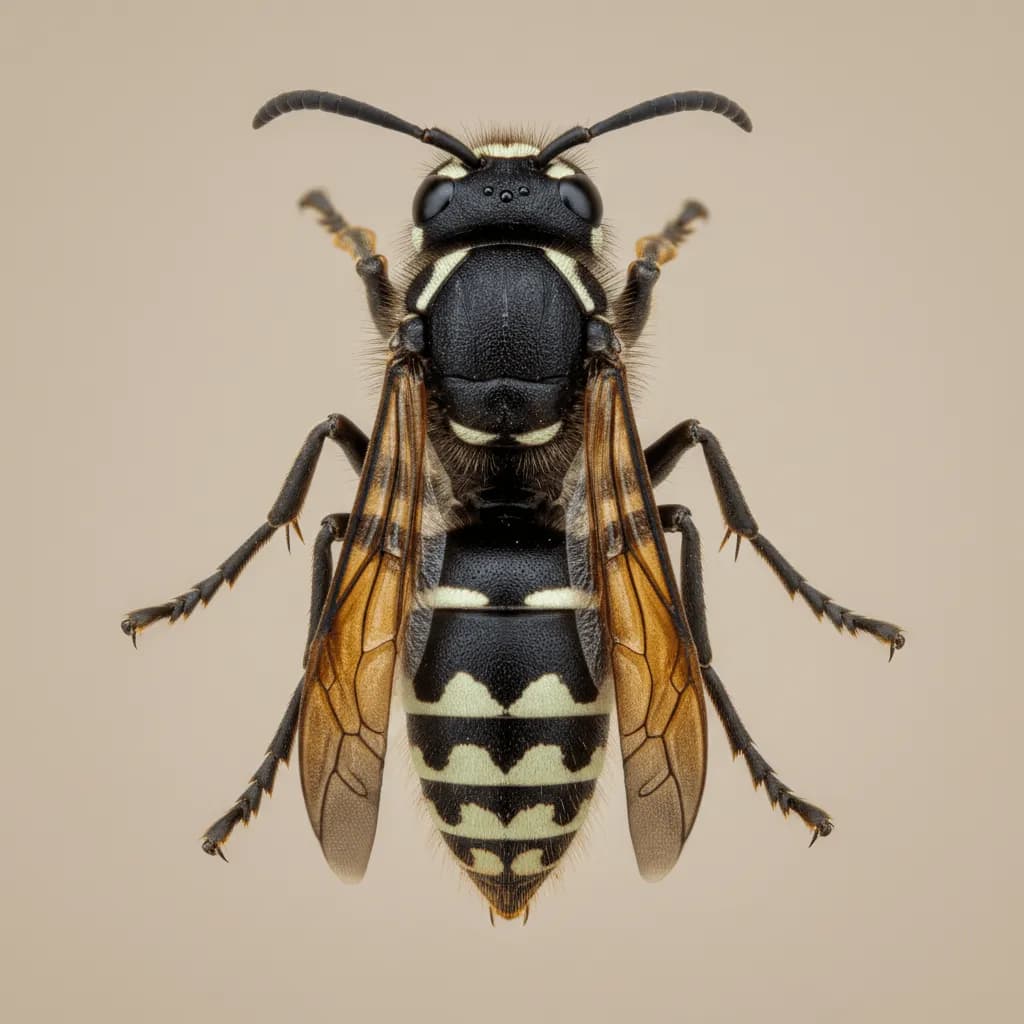
Related Pests
Frequently Asked Questions
Why are yellowjackets nesting in my wall?
Can I seal the hole to get rid of them?
How big can a wall-void nest get?
Need Help With German yellowjacket?
If you're seeing signs of german yellowjacket in or around your home, professional treatment is the fastest way to stop the problem. Lotus Pest Control offers free inspections to identify the issue and recommend the right solution.
At a Glance
- Category
- Stinging Insects
- Scientific Name
- Vespula germanica
- Size
- 12-16 mm
- Color
- Black and yellow with distinctive anchor-shaped markings on the face
- Key Trait
- Prefers to nest in wall voids and structures rather than underground; anchor-shaped facial markings.
- Regions
- Northeast, Pacific Northwest, Midwest
- Threat Level
- High
- Risk Types
- health
- Seasonal Activity
- MarAprMayJunJulAugSepOctNovDecJanFebnonelowmoderatehighpeak