
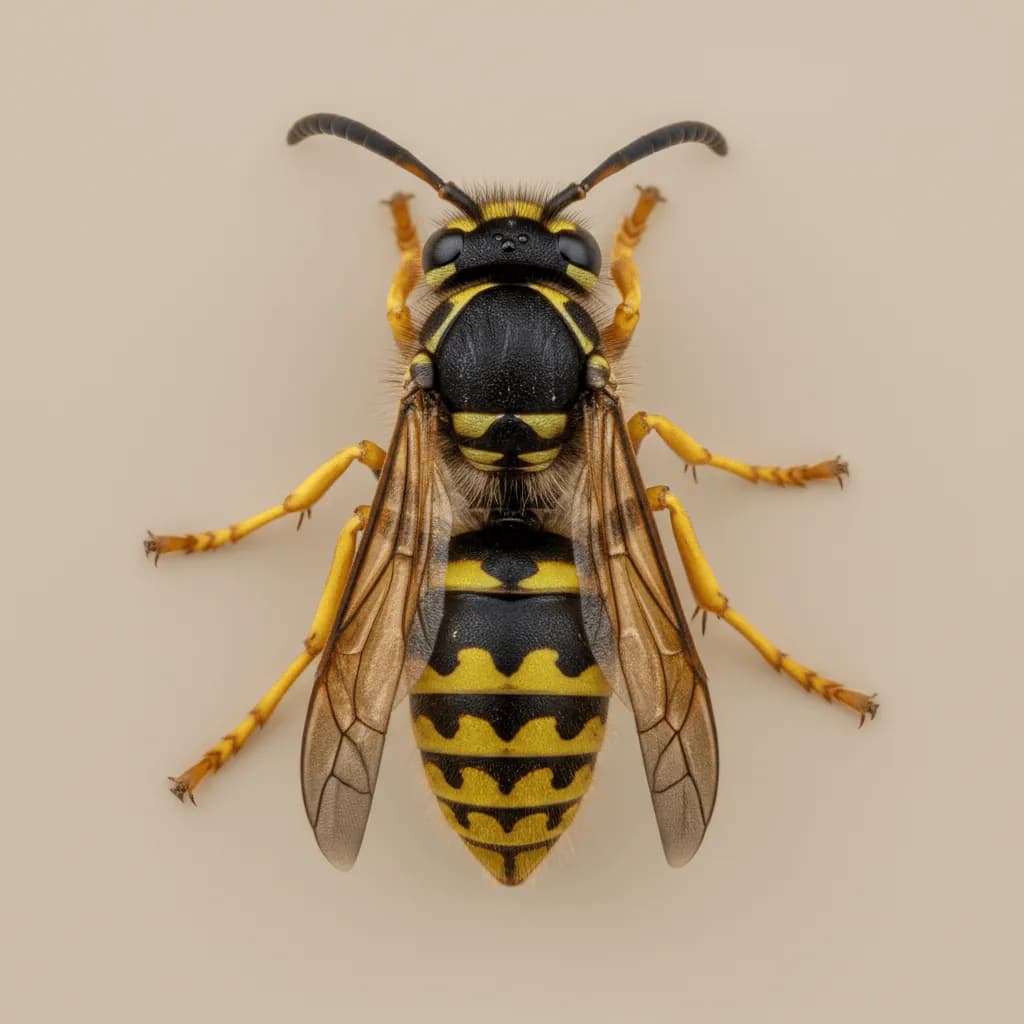
Eastern Yellowjacket
Vespula maculifrons
Also known as: Ground Hornet
The Eastern Yellowjacket is the most common ground-nesting wasp encountered in the eastern United States. Colonies grow throughout summer, reaching thousands of workers by fall. They are scavengers attracted to human food and become increasingly aggressive as the colony peaks in autumn.
Identification
Size
12-16 mm
Color
Black and bright yellow banding on the abdomen
Key Trait
Stocky body with bold black-and-yellow pattern; nests underground; highly aggressive, especially in fall.
Behavior & Habitat
Highly social with large colonies. Workers scavenge aggressively for protein (meat, pet food) and sugars (soda, fruit). Colony aggression intensifies dramatically in fall. Guard wasps attack in force when the underground nest entrance is disturbed.
Habitat: Underground nests in abandoned rodent burrows, landscape beds, and lawn edges. Occasionally nests in wall voids and attics. Found throughout the eastern US.
Diet: Scavengers - meat, pet food, garbage, fruit, soda, and other insects.
Signs of Infestation
- Wasps entering and exiting a hole in the ground
- Yellowjackets aggressively visiting picnics, garbage cans, and pet food
- Multiple stings when a lawn area or garden bed is disturbed
Risks & Damage
Aggressive stinging behavior; can sting repeatedly. Anaphylaxis risk for allergic individuals.
Pets can be stung severely if they disturb a ground nest.
Prevention Tips
- 1.Keep garbage cans tightly covered
- 2.Remove fallen fruit from the yard
- 3.Avoid wearing sweet fragrances outdoors in fall
- 4.Inspect the yard for ground nest entrances before mowing
- 5.Cover food and drinks at outdoor events
Why DIY Treatment Often Falls Short
Pouring consumer products into a ground nest entrance at the wrong time of day risks massive stinging attacks. Underground nests are extensive, and incomplete treatment leaves an angry colony intact.
Professional Treatment
Professionals treat underground nests at dusk when all workers are inside, using professional-grade dust or liquid injected into the entrance. The entrance is then sealed. Wall-void nests require drilling and injection. Trapping programs can supplement nest treatment in fall.
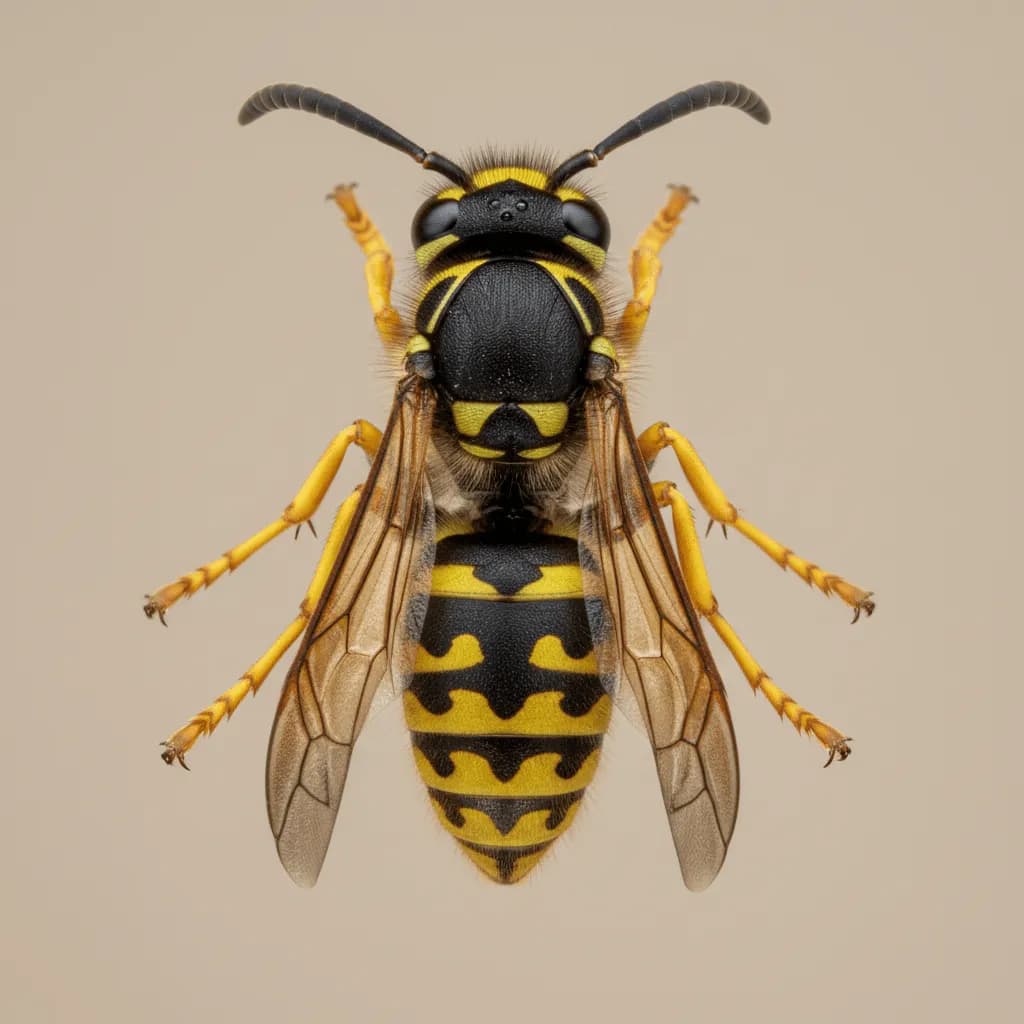
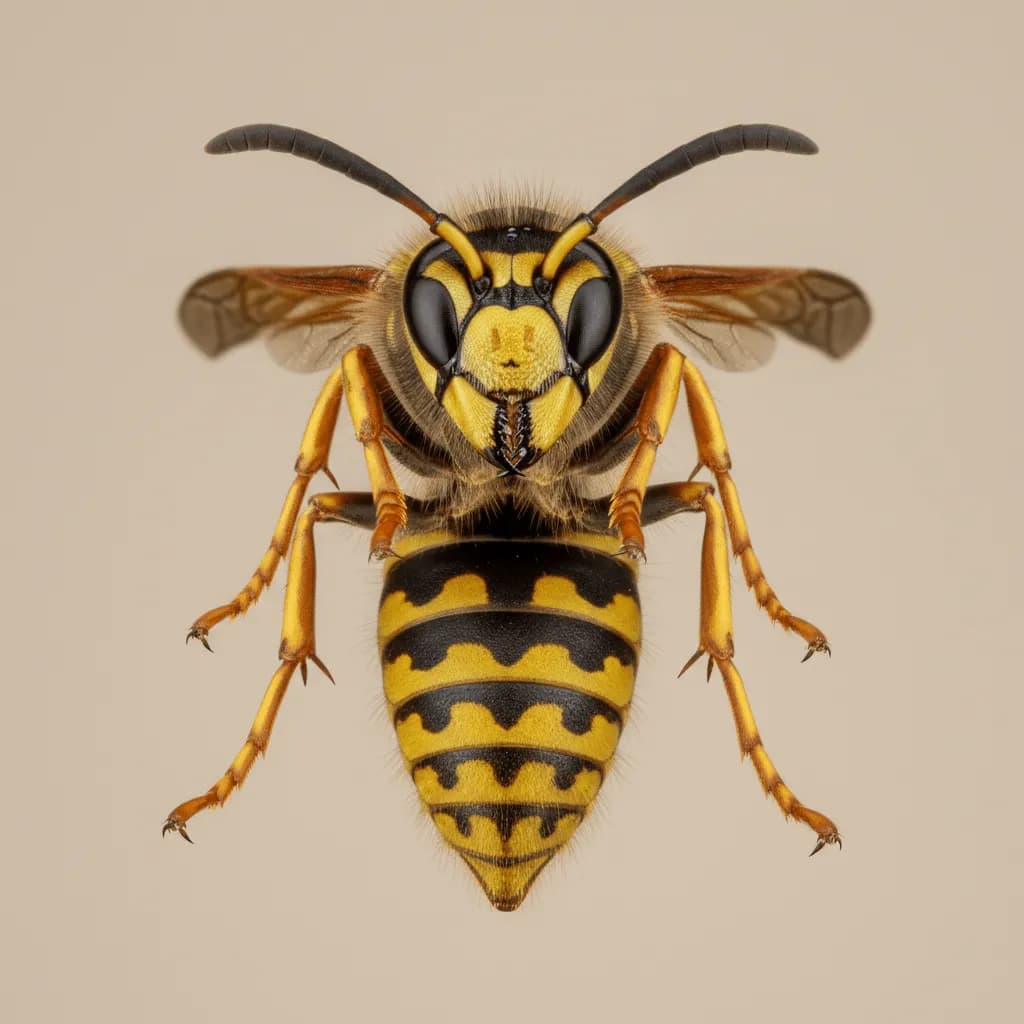
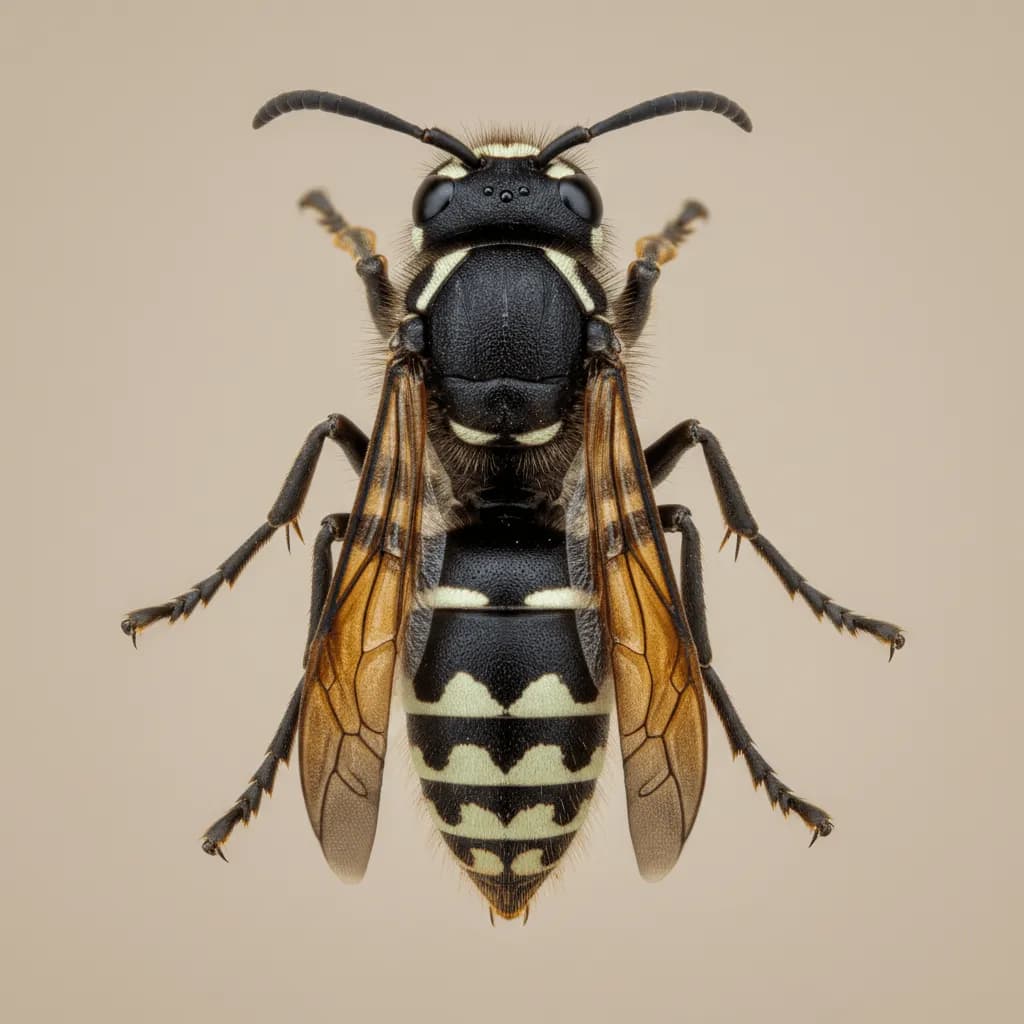
Related Pests
Frequently Asked Questions
Why are yellowjackets so aggressive in fall?
What should I do if I'm stung by multiple yellowjackets?
How can I find the nest?
Need Help With Eastern yellowjacket?
If you're seeing signs of eastern yellowjacket in or around your home, professional treatment is the fastest way to stop the problem. Lotus Pest Control offers free inspections to identify the issue and recommend the right solution.
At a Glance
- Category
- Stinging Insects
- Scientific Name
- Vespula maculifrons
- Size
- 12-16 mm
- Color
- Black and bright yellow banding on the abdomen
- Key Trait
- Stocky body with bold black-and-yellow pattern; nests underground; highly aggressive, especially in fall.
- Regions
- Northeast, Mid Atlantic, Southeast, Midwest
- Threat Level
- High
- Risk Types
- healthpets
- Seasonal Activity
- MarAprMayJunJulAugSepOctNovDecJanFebnonelowmoderatehighpeak