
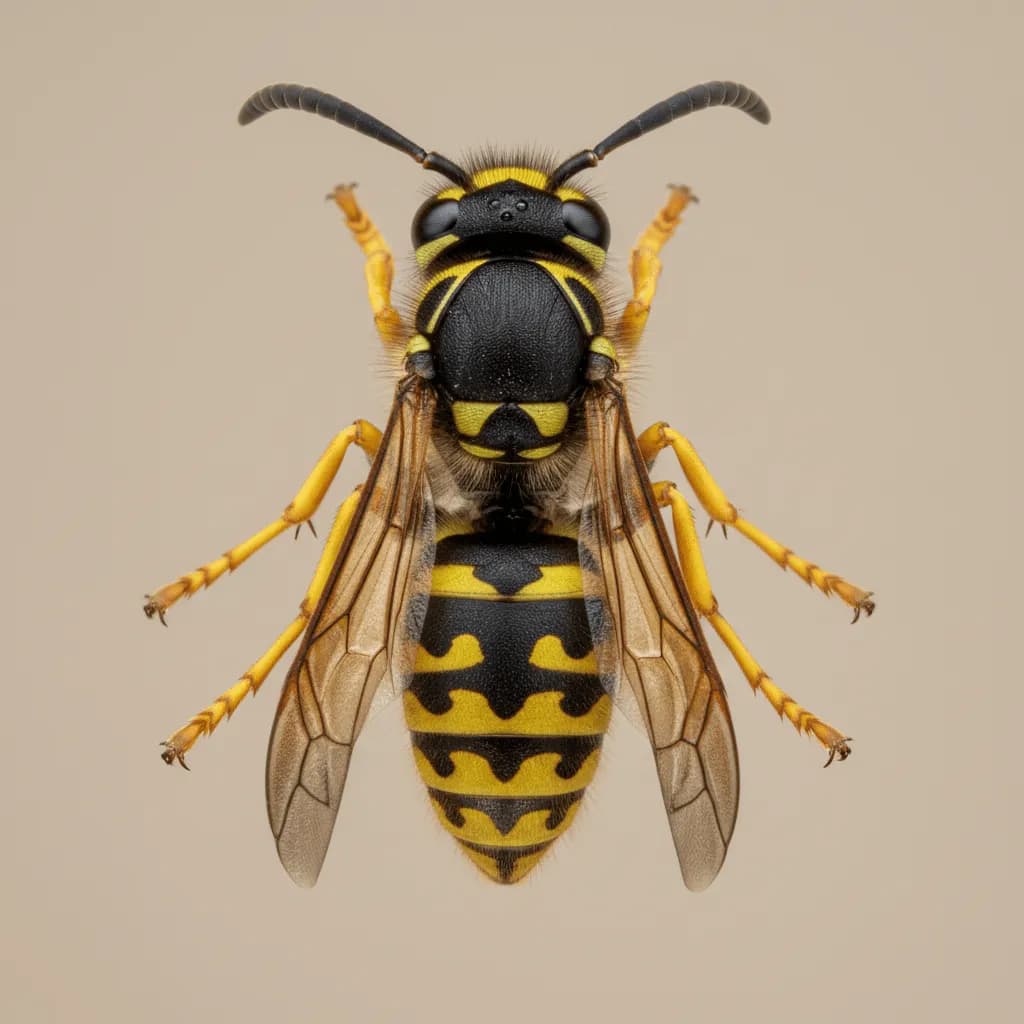
Southern Yellowjacket
Vespula squamosa
The Southern Yellowjacket is the dominant yellowjacket species in the southeastern United States. In mild winters, colonies can survive year-to-year and grow to extraordinary sizes with hundreds of thousands of workers, creating truly dangerous nests.
Identification
Size
12-16 mm
Color
Black and yellow with an orange-tinted queen
Key Trait
Queen has orange-brown markings; colonies can become perennial in mild climates, growing to enormous sizes.
Behavior & Habitat
Similar scavenging and defensive behavior to other yellowjackets. In mild winters, colonies become perennial and can reach enormous sizes with multiple queens. These super-colonies are extremely aggressive.
Habitat: Underground and in wall voids. Perennial colonies can fill entire crawl spaces or wall cavities.
Diet: Scavenges protein and sugar from human food, garbage, and other insects.
Signs of Infestation
- Yellowjackets nesting underground or in wall voids
- Extremely large wasp activity around a single nest location
- Persistent year-round wasp activity in mild climates
Risks & Damage
Perennial super-colonies are extremely dangerous due to massive worker populations and extreme defensive aggression.
Prevention Tips
- 1.Seal wall voids and foundation gaps in fall
- 2.Maintain clean garbage areas
- 3.Have nests treated in summer before they become perennial
Why DIY Treatment Often Falls Short
Perennial colonies can contain hundreds of thousands of aggressive workers. Attempting to treat these without professional equipment and training is extremely dangerous.
Professional Treatment
Professionals treat the nest entrance with dust or liquid at dusk and seal it. Perennial super-colonies in wall voids may require extensive treatment with dust injection through drilled access points. Protective equipment is essential for large colonies.
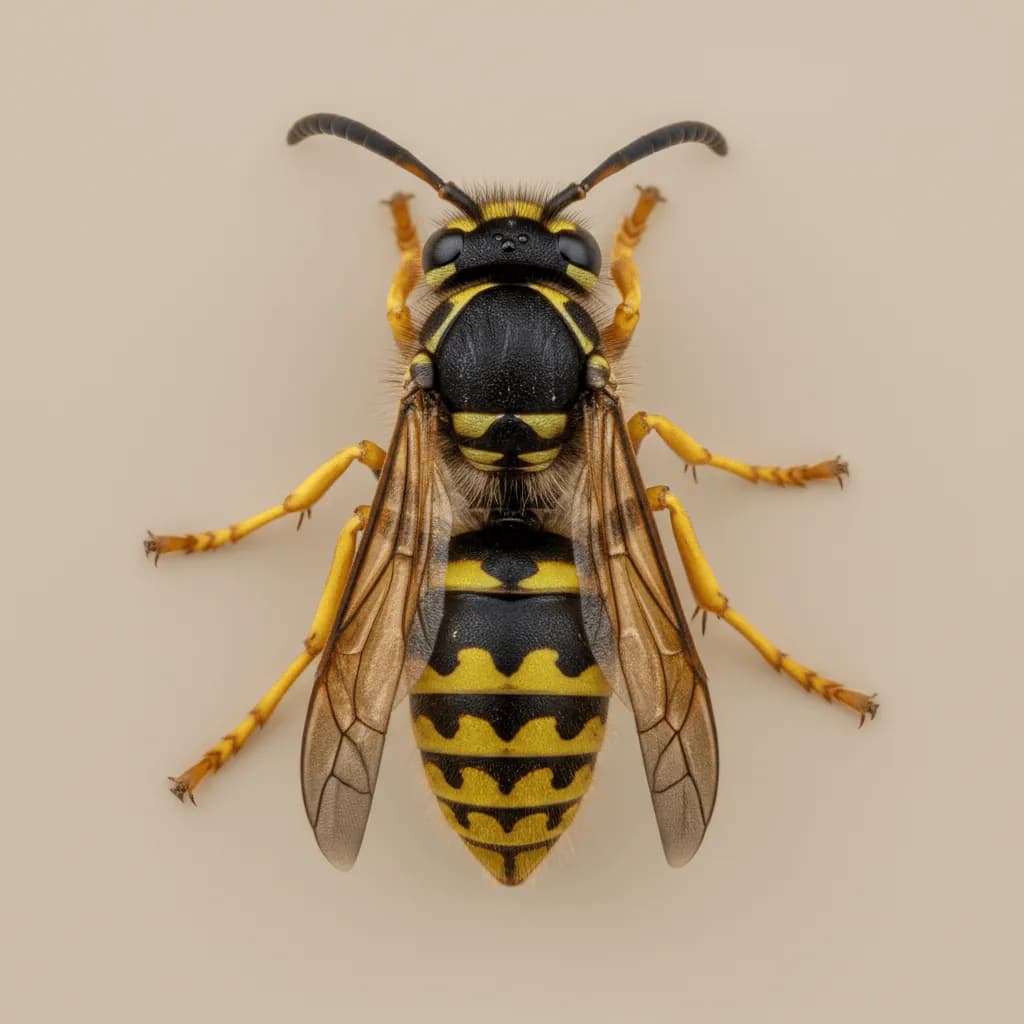
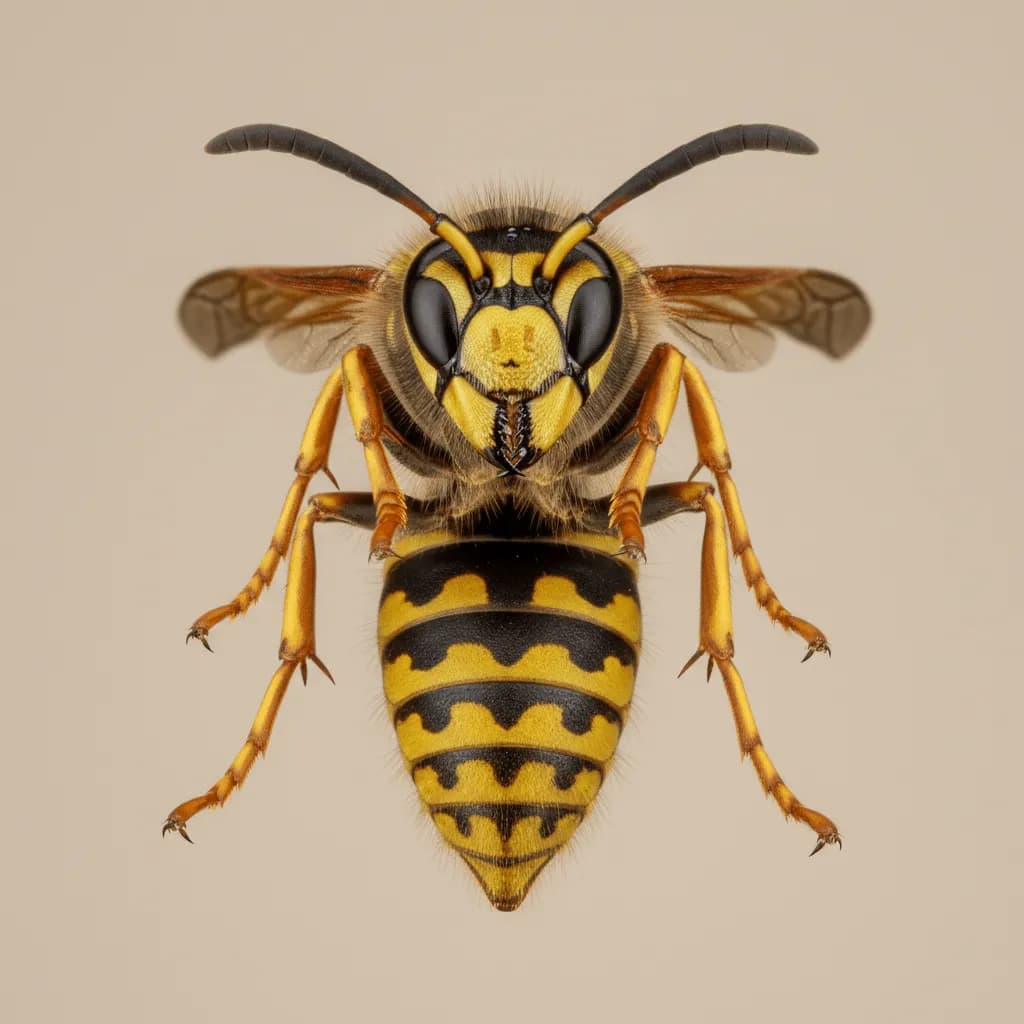
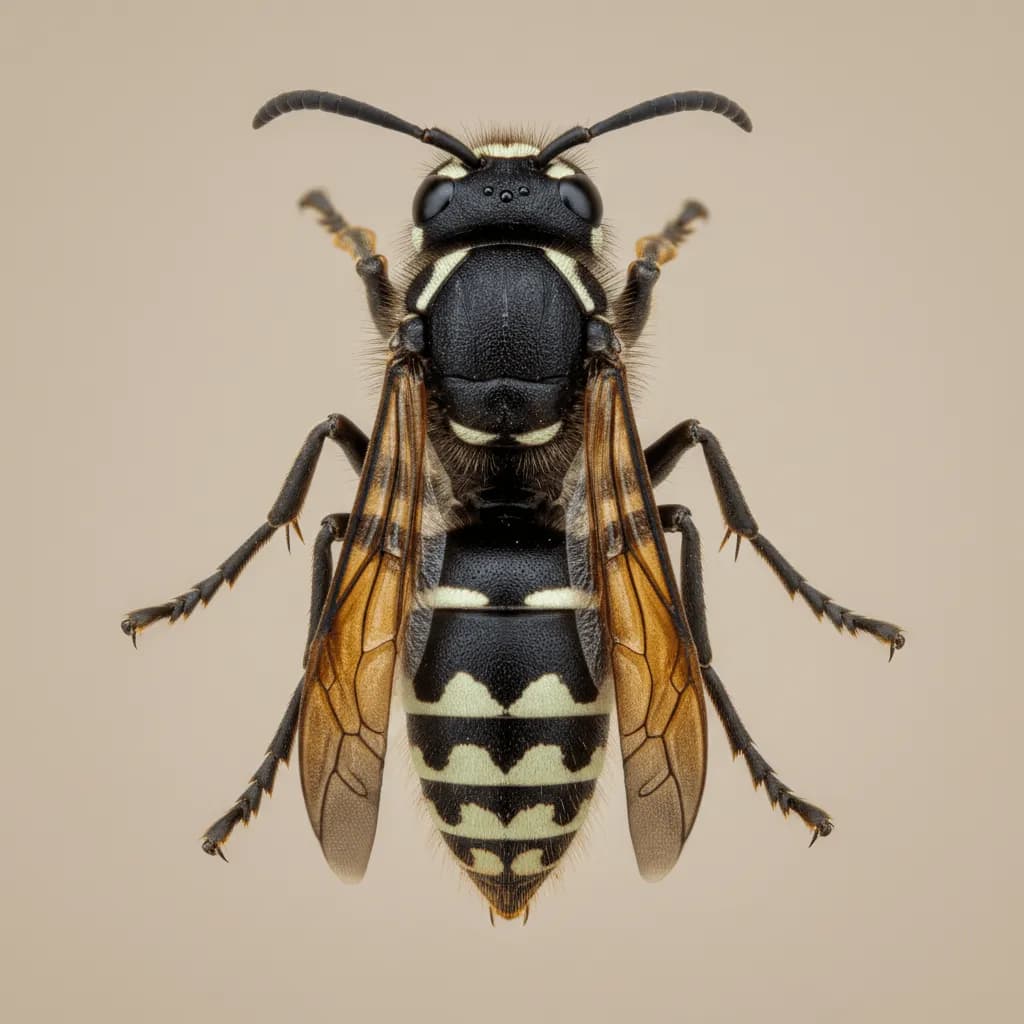
Related Pests
Frequently Asked Questions
Can yellowjacket colonies survive winter?
How big can a perennial colony get?
When should I have the nest treated?
Need Help With Southern yellowjacket?
If you're seeing signs of southern yellowjacket in or around your home, professional treatment is the fastest way to stop the problem. Lotus Pest Control offers free inspections to identify the issue and recommend the right solution.
At a Glance
- Category
- Stinging Insects
- Scientific Name
- Vespula squamosa
- Size
- 12-16 mm
- Color
- Black and yellow with an orange-tinted queen
- Key Trait
- Queen has orange-brown markings; colonies can become perennial in mild climates, growing to enormous sizes.
- Regions
- Southeast, South Central, Mid Atlantic
- Threat Level
- Very High
- Risk Types
- healthpets
- Seasonal Activity
- MarAprMayJunJulAugSepOctNovDecJanFebnonelowmoderatehighpeak