
Yellowjackets
Yellowjackets are aggressive, colonial wasps that build enclosed paper nests underground, in wall voids, and in aerial locations. Colonies can grow to 1,000 to 5,000 workers by late summer and become increasingly aggressive as the season progresses. They are stocky, boldly patterned yellow-and-black wasps that are commonly mistaken for bees. Yellowjackets are responsible for the majority of serious stinging incidents in the United States, particularly at outdoor events where food and sugary drinks attract foraging workers.
Species in This Group (4)
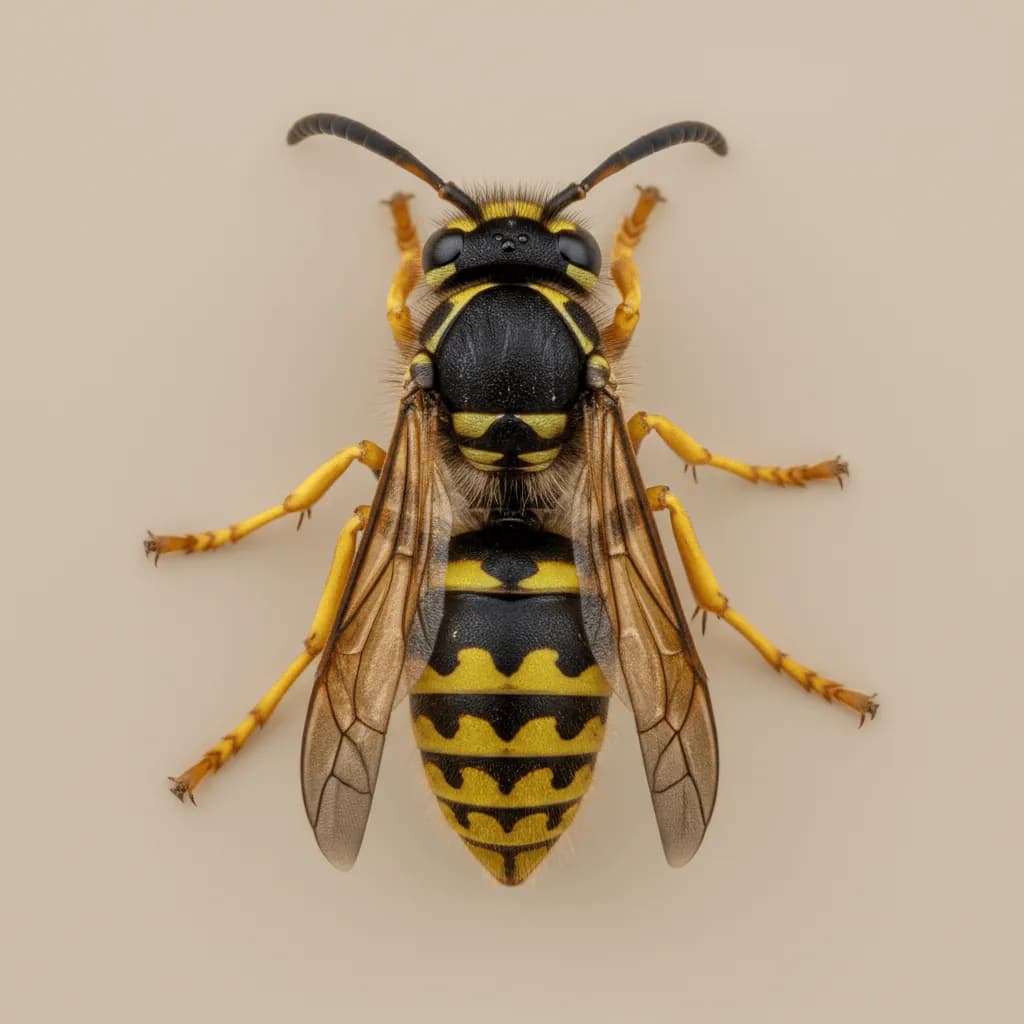
Eastern Yellowjacket
Vespula maculifrons
The Eastern Yellowjacket is the most common ground-nesting wasp encountered in the eastern United States.
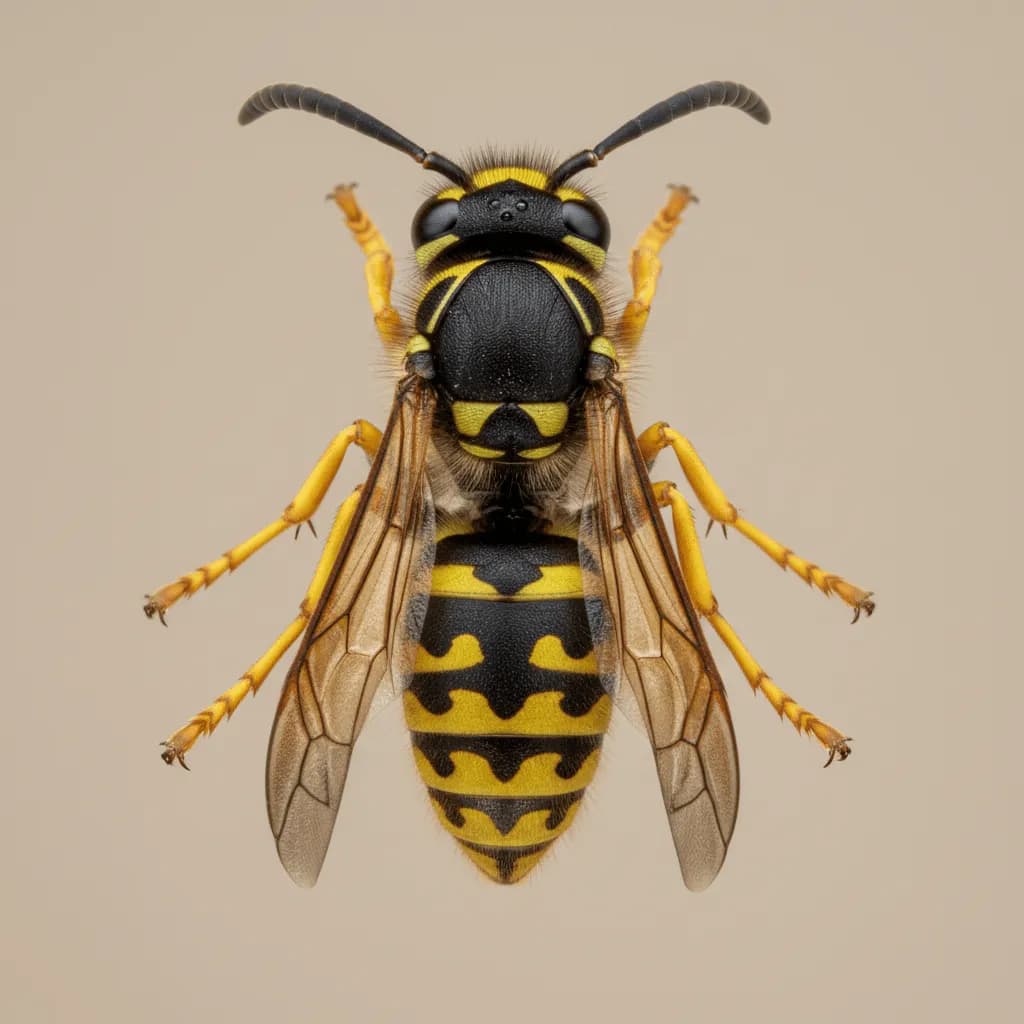
Southern Yellowjacket
Vespula squamosa
The Southern Yellowjacket is the dominant yellowjacket species in the southeastern United States.
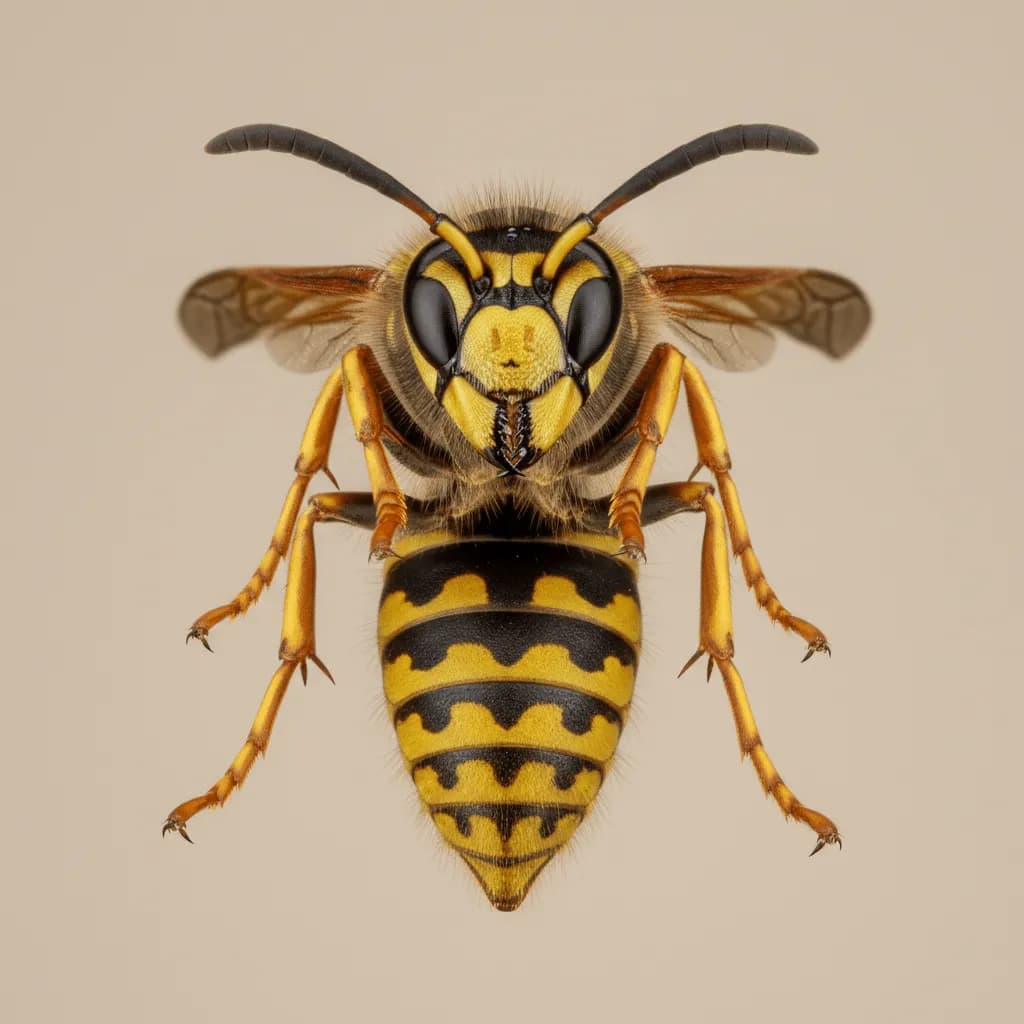
German Yellowjacket
Vespula germanica
The German Yellowjacket is an invasive species from Europe that has become the dominant structural-nesting yellowjacket in many parts of North America.
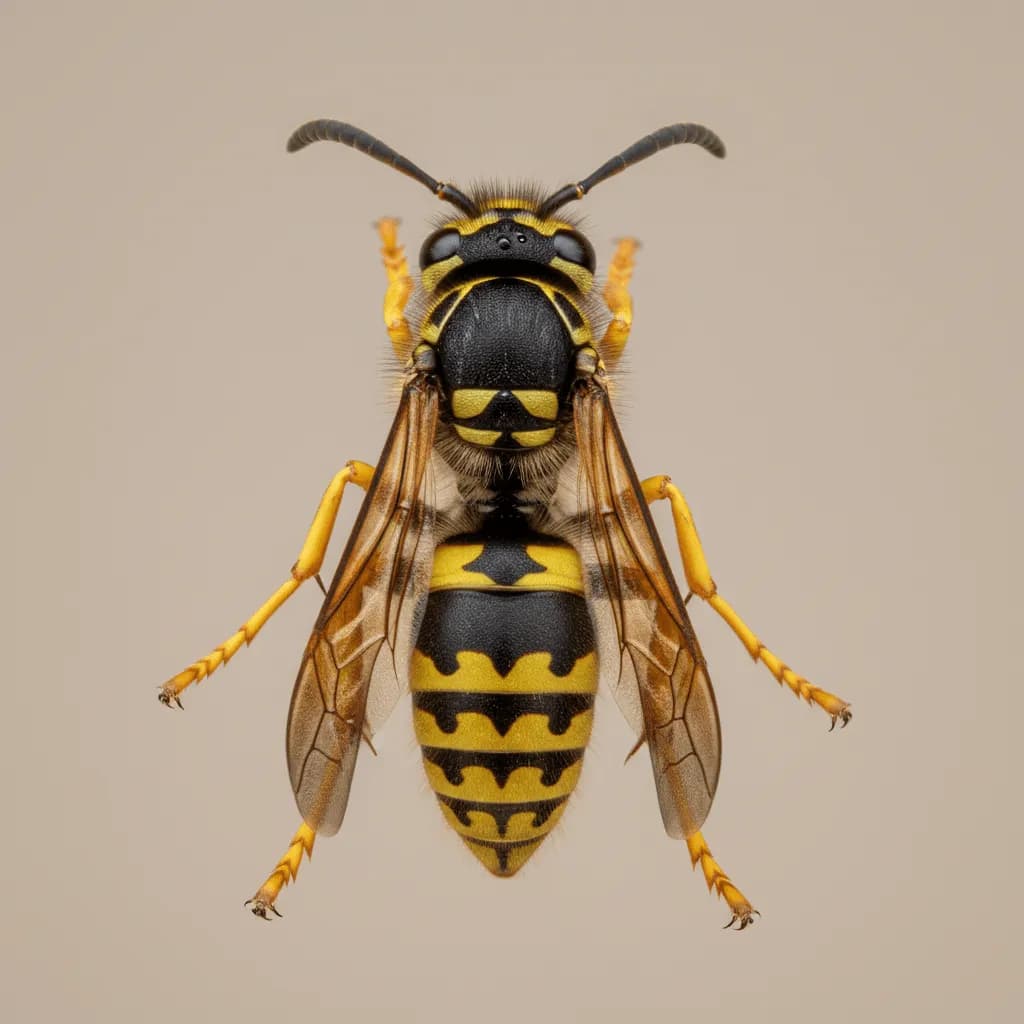
Western Yellowjacket
Vespula pensylvanica
The Western Yellowjacket is the dominant yellowjacket species throughout the western United States and is responsible for the vast majority of stinging incidents in the region.
Key Behaviors
Yellowjackets are scavengers and predators that are attracted to meats, sugary drinks, and garbage. They become increasingly aggressive and persistent at outdoor dining and events in late summer and fall. Underground nests in lawns, gardens, and landscape beds are frequently disturbed by mowing and foot traffic, triggering mass stinging attacks. Workers can sting repeatedly without dying.
Risks & Concerns
Yellowjackets cause more sting-related emergency room visits than any other insect in the United States. Their ability to sting repeatedly and their mass-attack defensive response can deliver dozens of stings in seconds. Anaphylaxis from yellowjacket stings is a medical emergency. Ground nests are particularly dangerous because they are often invisible until disturbed. Late-season scavenging behavior creates sting risk at parks, schools, and outdoor venues.
Identification Tip
Distinguished from honey bees by their smooth bodies, narrow waists, and bright yellow-and-black markings. Unlike bees, yellowjackets can sting multiple times and are attracted to meat and sugary drinks. Their aggressive scavenging behavior near food is the most common cause of misidentification as bees.
Quick Comparison
| Species | Size | Color | Key Trait |
|---|---|---|---|
| Eastern Yellowjacket | 12-16 mm | Black and bright yellow banding on the abdomen | Stocky body with bold black-and-yellow pattern; nests underground; highly aggressive, especially in fall. |
| Southern Yellowjacket | 12-16 mm | Black and yellow with an orange-tinted queen | Queen has orange-brown markings; colonies can become perennial in mild climates, growing to enormous sizes. |
| German Yellowjacket | 12-16 mm | Black and yellow with distinctive anchor-shaped markings on the face | Prefers to nest in wall voids and structures rather than underground; anchor-shaped facial markings. |
| Western Yellowjacket | 12-16 mm | Bright yellow and black banding pattern with a predominantly yellow face | Most common yellowjacket in the western U.S.; almost entirely yellow face without black anchor-shaped marking found on eastern species; scavenges aggressively at outdoor food events. |
Need Help With Yellowjackets?
If you're seeing signs of yellowjackets in or around your home, professional treatment is the fastest way to stop the problem. Lotus Pest Control offers free inspections to identify the issue and recommend the right solution.