
Scorpions
Scorpions are nocturnal arachnids found primarily in the southern and western United States. The Arizona bark scorpion is the most medically significant species in North America and the only one whose sting can be life-threatening. Other common species include the striped bark scorpion found across the South and the giant desert hairy scorpion of the Sonoran Desert. Scorpions enter homes through gaps under doors, around utility penetrations, and through weep holes in brick veneer. They are commonly found in attics, wall voids, shoes, bedding, and clothing.
Species in This Group (2)
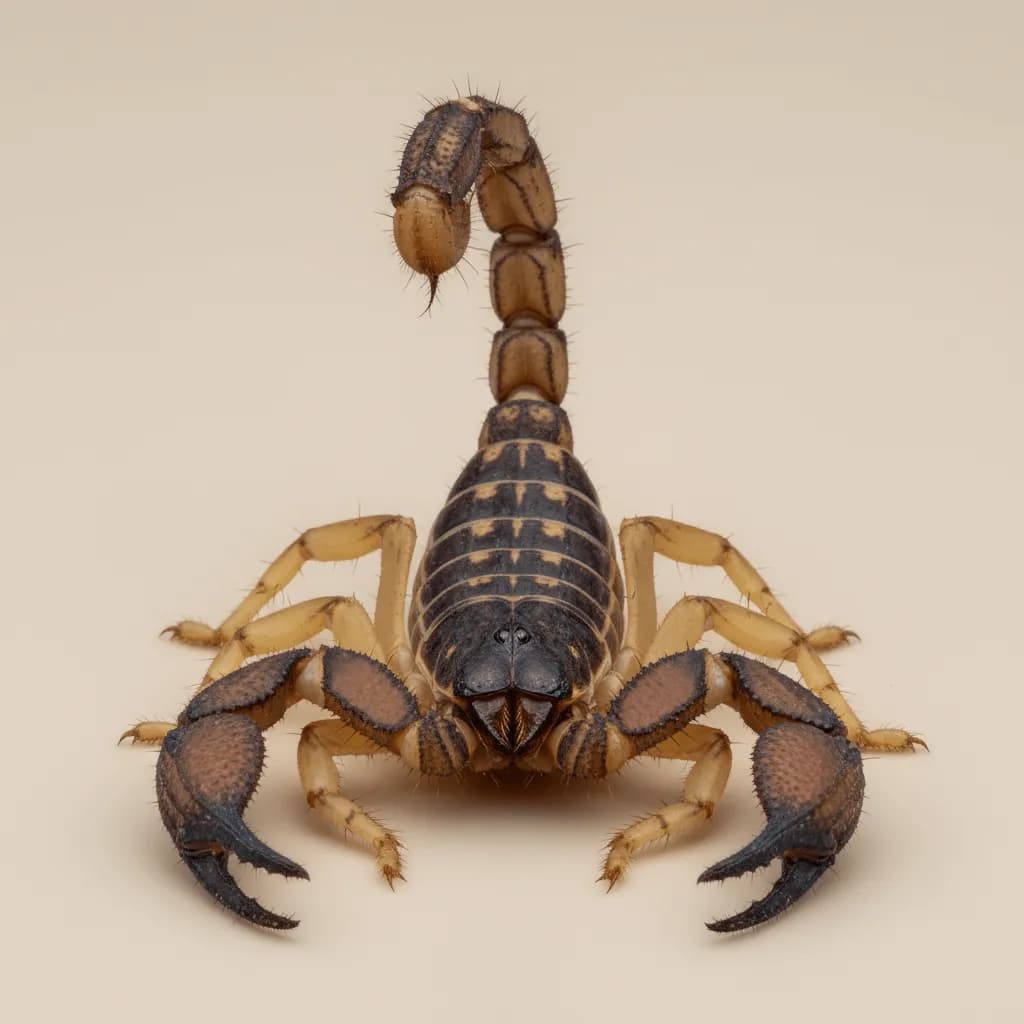
Striped Bark Scorpion
Centruroides vittatus
The Striped Bark Scorpion is the most commonly encountered scorpion in the United States.
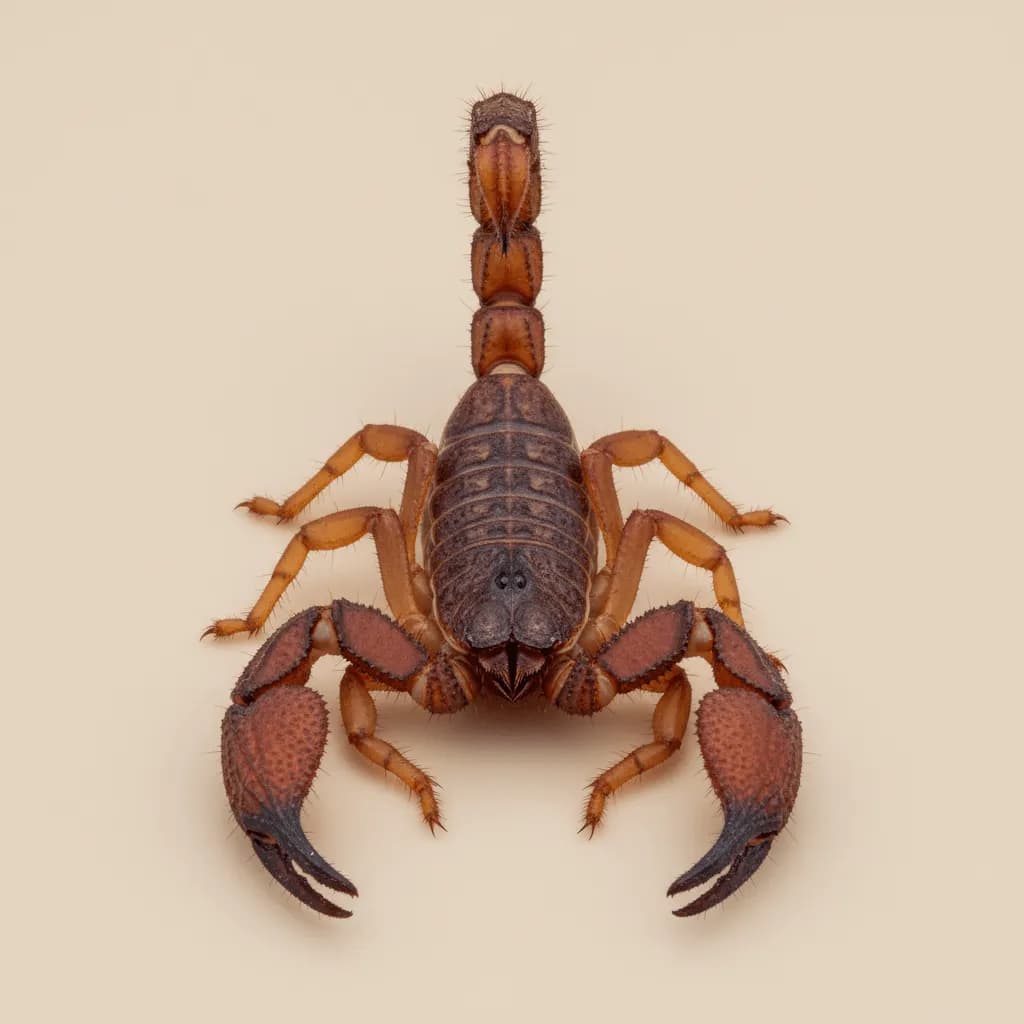
Arizona Bark Scorpion
Centruroides sculpturatus
The Arizona Bark Scorpion is the most venomous scorpion in North America and the only US species whose sting is considered medically significant.
Key Behaviors
Scorpions are nocturnal predators that hunt insects and other small arthropods. They are adept climbers and can scale rough surfaces including stucco, brick, and wood. They hide during the day under rocks, bark, debris, and inside structures in dark, secluded areas. They fluoresce under ultraviolet light, making black light inspection the most effective detection method. Multiple scorpions in a home usually indicates a population breeding on or near the property.
Risks & Concerns
Arizona bark scorpion stings can cause severe pain, numbness, tingling, muscle twitching, and difficulty breathing, particularly in children and the elderly. Medical attention is warranted for bark scorpion stings. Other species produce painful but less medically concerning stings. The presence of scorpions in living spaces, bedding, and clothing creates significant anxiety and can disrupt sleep and daily activities.
Quick Comparison
| Species | Size | Color | Key Trait |
|---|---|---|---|
| Striped Bark Scorpion | 50-70 mm | Yellowish-tan with two dark longitudinal stripes on the back | Two dark stripes on the dorsal surface; slender pincers; the most commonly encountered scorpion in the central and southern US. |
| Arizona Bark Scorpion | 50-80 mm | Light tan to yellowish-brown; nearly translucent | Slender body and pincers; climbs walls and ceilings; the only scorpion in the US with medically significant venom. |
Need Help With Scorpions?
If you're seeing signs of scorpions in or around your home, professional treatment is the fastest way to stop the problem. Lotus Pest Control offers free inspections to identify the issue and recommend the right solution.