
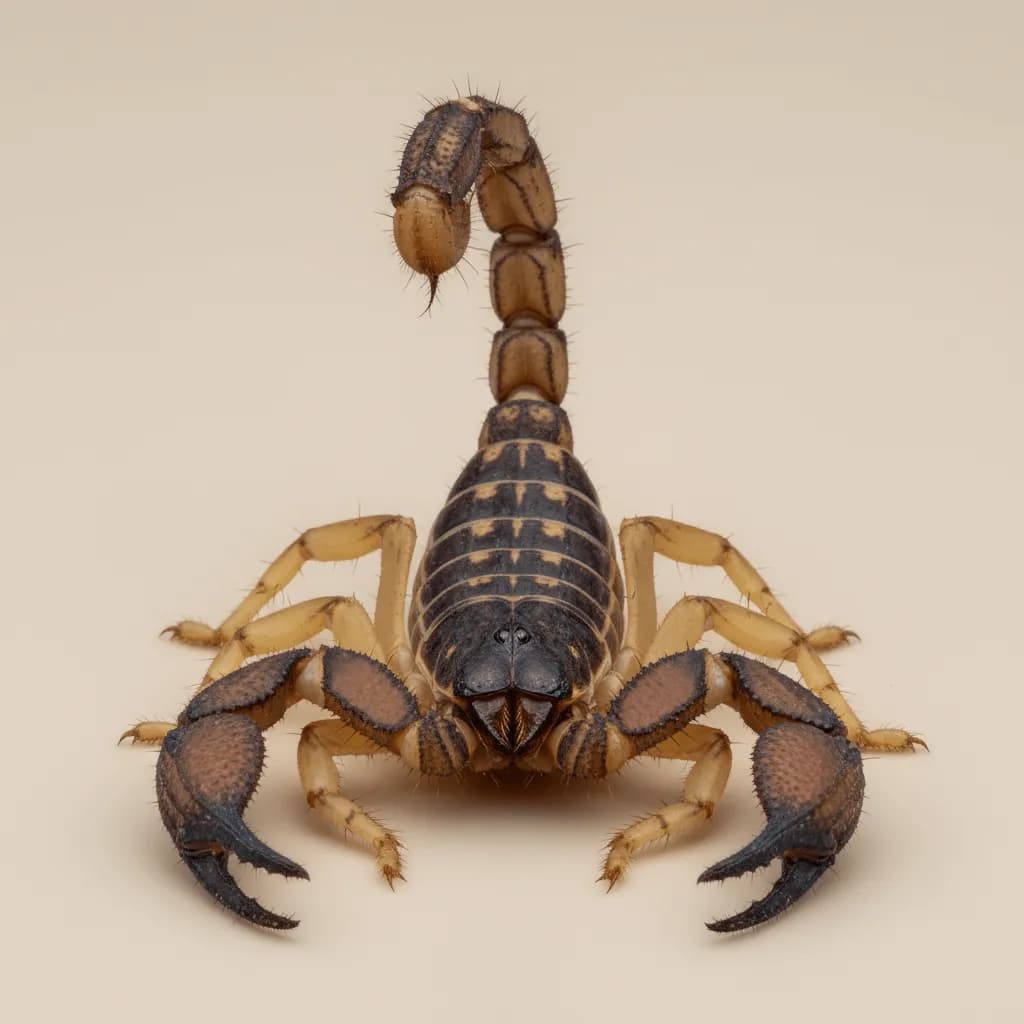
Striped Bark Scorpion
Centruroides vittatus
The Striped Bark Scorpion is the most commonly encountered scorpion in the United States. It is found across the south-central states and enters homes frequently, especially in fall and winter. Its sting is painful but not medically dangerous to healthy adults.
Identification
Size
50-70 mm
Color
Yellowish-tan with two dark longitudinal stripes on the back
Key Trait
Two dark stripes on the dorsal surface; slender pincers; the most commonly encountered scorpion in the central and southern US.
Behavior & Habitat
Nocturnal hunter that hides under bark, rocks, and debris by day. Enters homes through gaps around doors and windows. Commonly found in shoes, clothing, and bedding. Fluoresces bright green-blue under UV light.
Habitat: Under bark, rocks, and debris outdoors. Enters homes and hides in dark, undisturbed areas including closets, shoes, attics, and garages. Common from Oklahoma to Texas and surrounding states.
Diet: Insects, spiders, and other small invertebrates.
Signs of Infestation
- Scorpion found in a shoe, closet, or bathtub
- Scorpions fluorescing under a UV blacklight at night around the foundation
- Stinging incidents inside the home
Risks & Damage
Painful sting causes localized swelling and numbness; rarely dangerous to healthy adults but may pose risk to young children and those with allergies.
Prevention Tips
- 1.Seal gaps around doors, windows, and utility penetrations
- 2.Install door sweeps and weatherstripping
- 3.Remove debris piles, firewood, and bark mulch from the foundation
- 4.Shake out shoes and clothing before wearing
- 5.Use a UV blacklight to inspect the exterior at night
Why DIY Treatment Often Falls Short
Consumer pesticides have limited effectiveness against scorpions due to their hardened exoskeleton and ability to survive long periods without food. Without sealing entry points and reducing harborage, new scorpions continuously invade.
Professional Treatment
Professionals apply targeted treatments to exterior harborage areas and foundation perimeters using products formulated for scorpion control. Exclusion work seals entry points. Interior treatments focus on common hiding areas. Ongoing service is recommended in scorpion-prone areas.
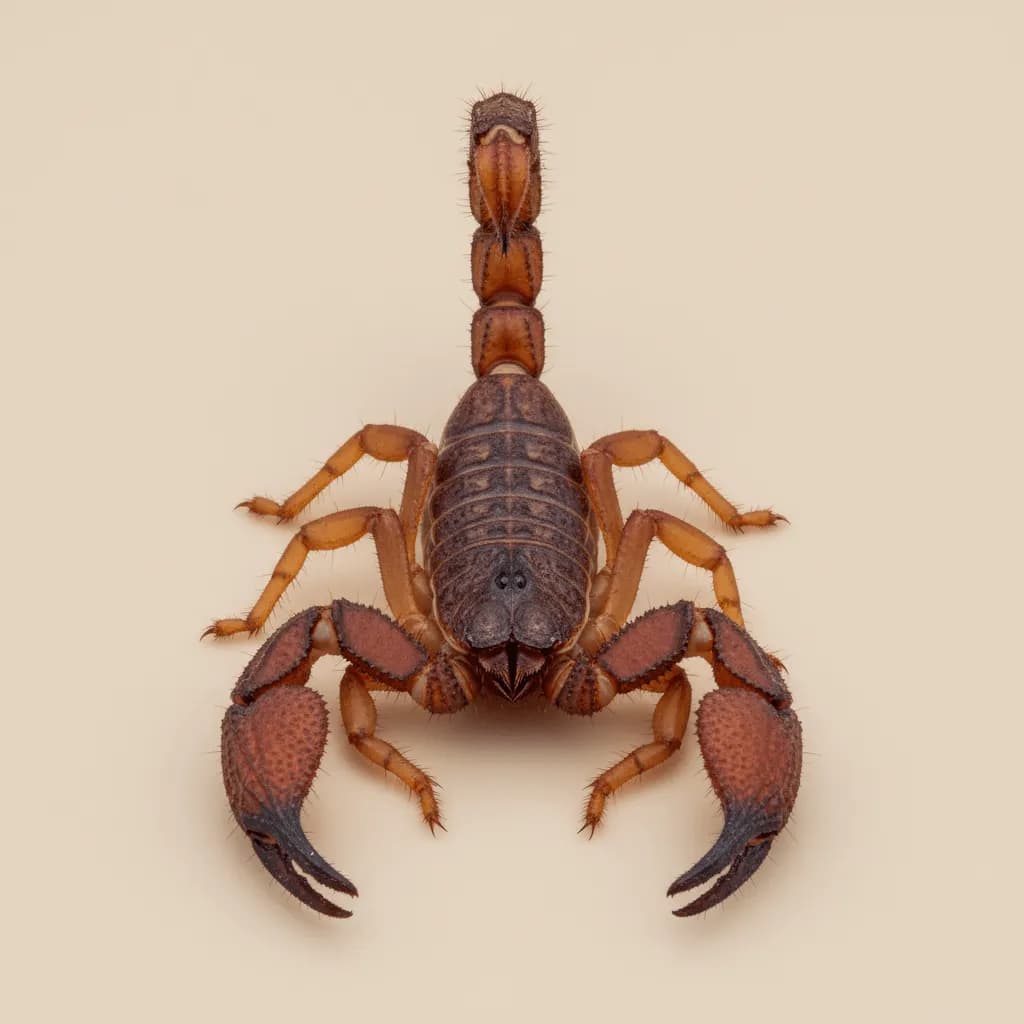
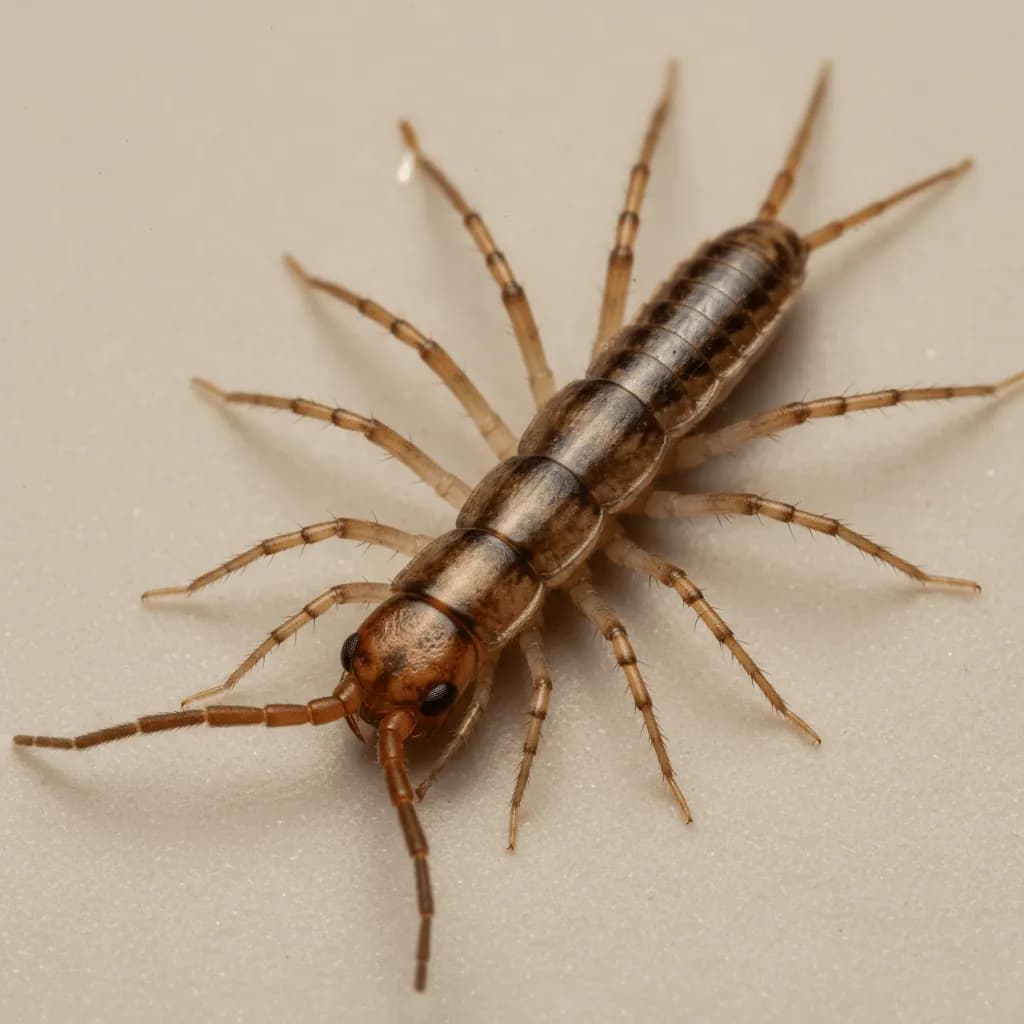
Frequently Asked Questions
Is the striped bark scorpion dangerous?
How do I find scorpions in my home?
Why do scorpions come inside?
Need Help With Striped bark scorpion?
If you're seeing signs of striped bark scorpion in or around your home, professional treatment is the fastest way to stop the problem. Lotus Pest Control offers free inspections to identify the issue and recommend the right solution.
At a Glance
- Category
- Stinging Insects
- Scientific Name
- Centruroides vittatus
- Size
- 50-70 mm
- Color
- Yellowish-tan with two dark longitudinal stripes on the back
- Key Trait
- Two dark stripes on the dorsal surface; slender pincers; the most commonly encountered scorpion in the central and southern US.
- Regions
- South Central, Southwest, Southeast
- Threat Level
- Moderate
- Risk Types
- health
- Seasonal Activity
- MarAprMayJunJulAugSepOctNovDecJanFebnonelowmoderatehighpeak