
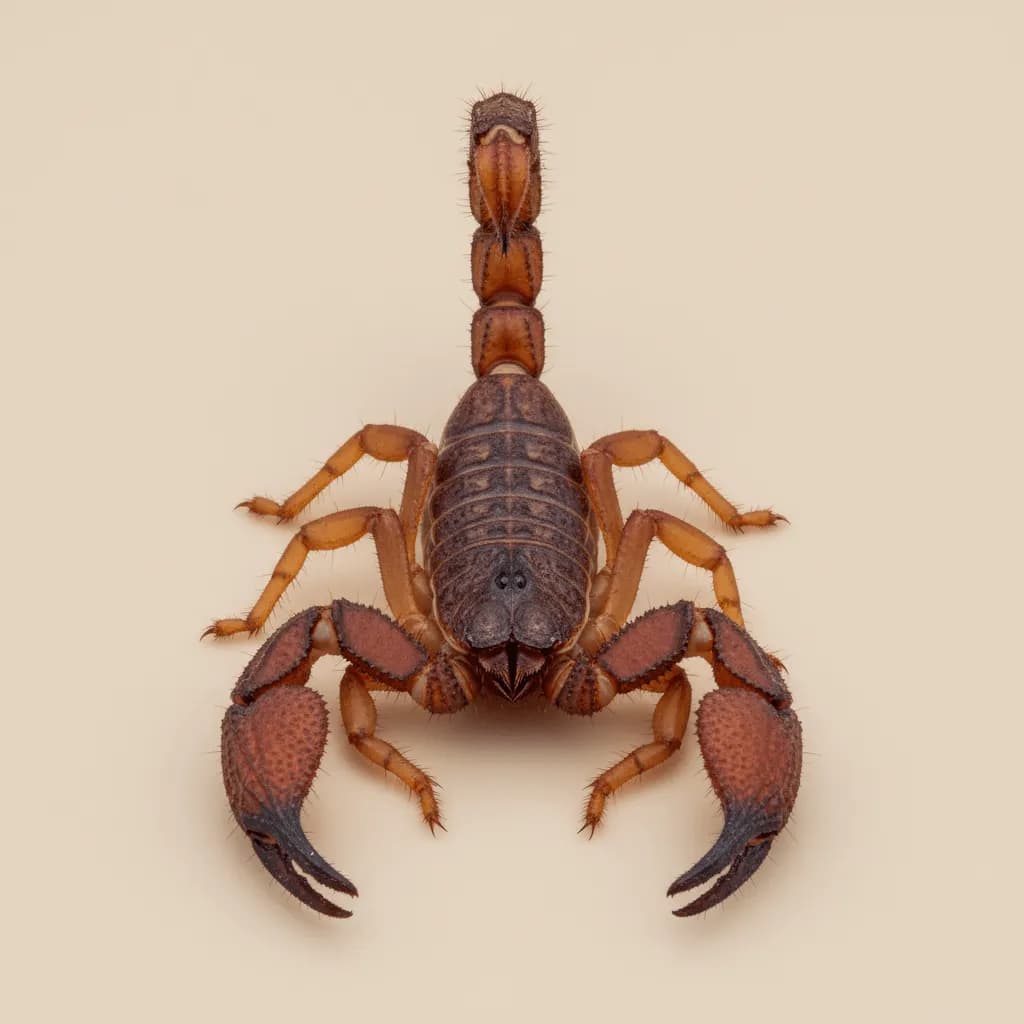
Arizona Bark Scorpion
Centruroides sculpturatus
The Arizona Bark Scorpion is the most venomous scorpion in North America and the only US species whose sting is considered medically significant. It is common in the Sonoran Desert region and surrounding areas. Unlike most scorpions, it is an excellent climber and is frequently found on walls, ceilings, and inside homes.
Identification
Size
50-80 mm
Color
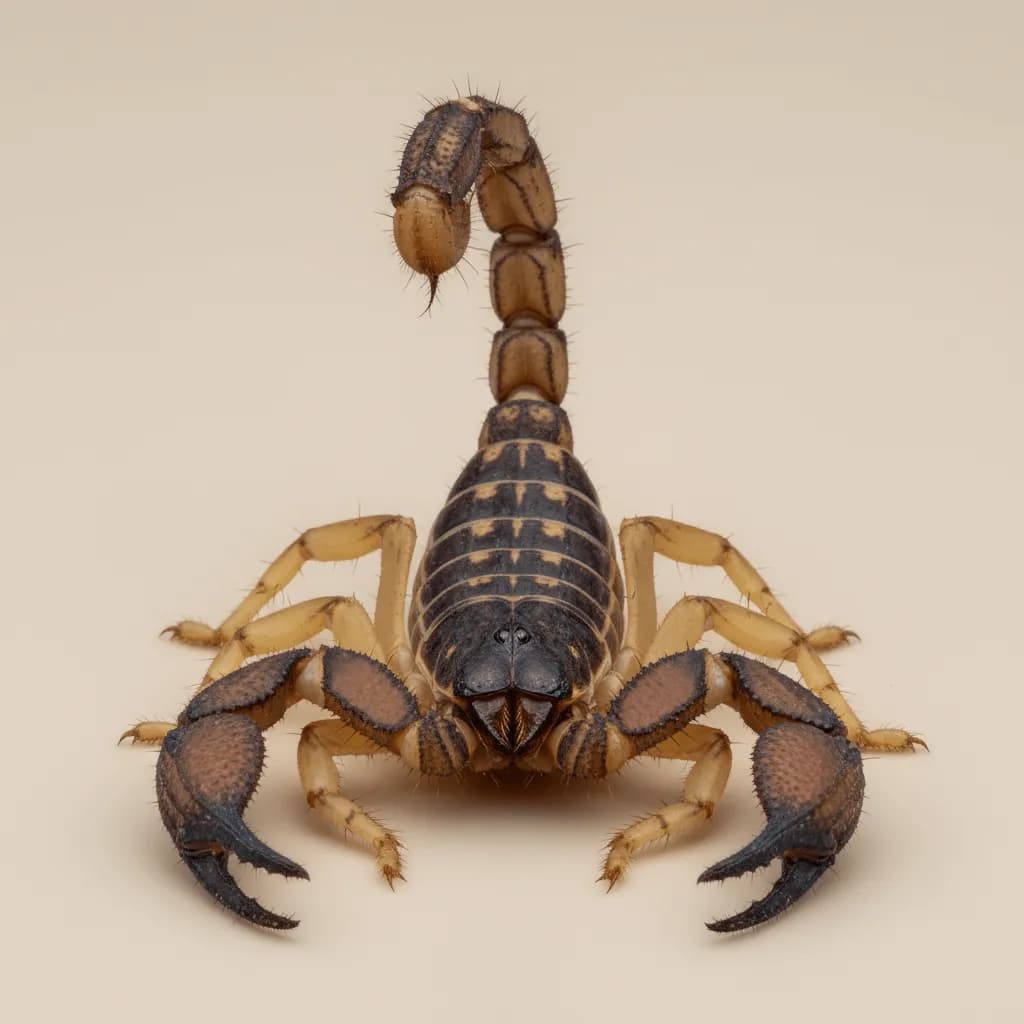
Light tan to yellowish-brown; nearly translucent
Key Trait
Slender body and pincers; climbs walls and ceilings; the only scorpion in the US with medically significant venom.
Behavior & Habitat
Excellent climber that can walk up walls, across ceilings, and even up the inside of plumbing pipes. Gregarious in winter - groups of 20-30 may shelter together. Nocturnal and fluoresces under UV light.
Habitat: Under bark, rocks, and in crevices in the Sonoran Desert region. Enters homes through any small gap. Found on walls, in sinks, and in bedding. Common in Arizona, southern Nevada, and adjacent areas.
Diet: Insects, spiders, and other scorpions.
Signs of Infestation
- Scorpions on walls and ceilings inside the home
- Clusters of scorpions found together in attics or wall voids in winter
- Stinging incidents, especially at night
Risks & Damage
Medically significant venom causes intense pain, numbness, and can cause severe systemic reactions in children, elderly, and immunocompromised individuals. Fatalities are rare with medical treatment but have occurred.
Prevention Tips
- 1.Seal every gap around doors, windows, pipes, and wiring - they can enter through a gap as thin as a credit card
- 2.Install fine-mesh screens on all vents and weep holes
- 3.Apply residual insecticide around the entire foundation perimeter
- 4.Remove bark mulch and ground debris near the home
- 5.Inspect shoes, bedding, and towels before use
- 6.Use a UV blacklight for nighttime inspections
Why DIY Treatment Often Falls Short
The Arizona bark scorpion's climbing ability means it can bypass ground-level barriers by ascending walls and entering through upper-story gaps. Comprehensive exclusion and professional-grade perimeter treatments are essential.
Professional Treatment
Professionals apply specialized scorpion treatments to exterior walls, foundations, and all entry points. Exclusion work seals the many tiny gaps bark scorpions exploit. Regular monthly service during warm months is standard in the Phoenix metro and surrounding desert areas.
Frequently Asked Questions
How dangerous is the Arizona bark scorpion?
Can they climb into my bed?
How do I scorpion-proof my home?
Need Help With Arizona bark scorpion?
If you're seeing signs of arizona bark scorpion in or around your home, professional treatment is the fastest way to stop the problem. Lotus Pest Control offers free inspections to identify the issue and recommend the right solution.
At a Glance
- Category
- Stinging Insects
- Scientific Name
- Centruroides sculpturatus
- Size
- 50-80 mm
- Color
- Light tan to yellowish-brown; nearly translucent
- Key Trait
- Slender body and pincers; climbs walls and ceilings; the only scorpion in the US with medically significant venom.
- Regions
- Southwest
- Threat Level
- Very High
- Risk Types
- health
- Seasonal Activity
- MarAprMayJunJulAugSepOctNovDecJanFebnonelowmoderatehighpeak