
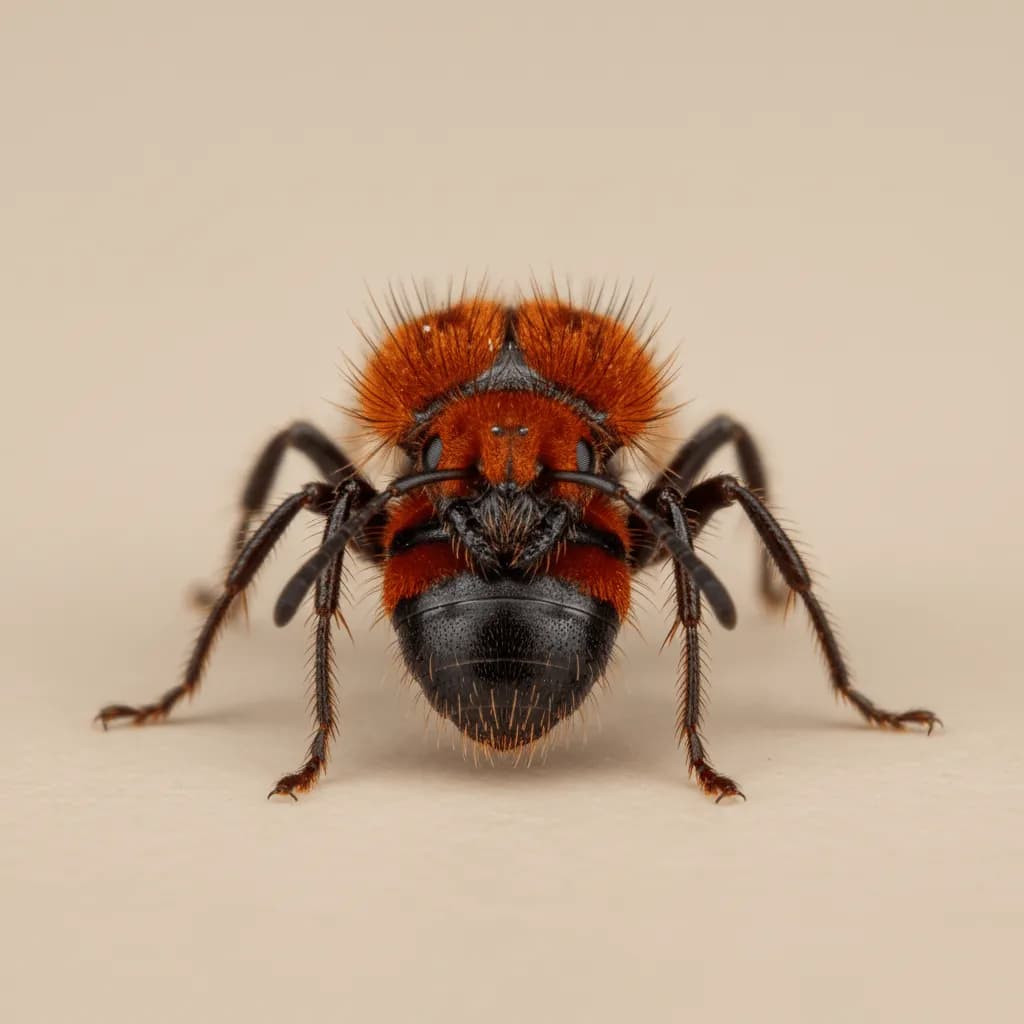
Red Velvet Ant
Dasymutilla occidentalis
Also known as: Cow Killer, Velvet Ant
The Red Velvet Ant is actually a wingless female wasp with one of the most painful stings in the insect world, earning it the name 'cow killer.' Males are winged and look like typical wasps. Females are solitary parasitoids that enter ground-nesting bee and wasp burrows to lay eggs on the host larvae.
Identification
Size
15-25 mm
Color
Bright orange-red and black with dense velvety hair
Key Trait
Actually a wingless female wasp, not an ant; dense velvet-like hair; extremely painful sting.
Behavior & Habitat
Solitary. Females wander on the ground searching for host nests. When disturbed, they produce audible squeaking sounds and deliver an intensely painful sting. Males fly and are rarely noticed.
Habitat: Sandy, open areas in fields, yards, and forest edges. Common in the southeastern and south-central United States.
Diet: Adults feed on nectar; larvae are parasitoids of ground-nesting bees and wasps.
Signs of Infestation
- Brightly colored fuzzy 'ant' walking across sandy soil or lawn
- Painful sting when stepped on barefoot in the yard
Risks & Damage
Extremely painful sting, rated among the most painful insect stings. Allergic reactions are possible.
Prevention Tips
- 1.Wear shoes outdoors in areas where velvet ants are known to occur
- 2.No widespread treatment is practical - they are solitary wanderers
Why DIY Treatment Often Falls Short
Velvet ants are solitary and dispersed; no nest to treat. Encountering them is rare and unpredictable.
Professional Treatment
No specific treatment program is effective or necessary. If encountering them frequently, a general yard treatment can reduce ground-nesting wasp populations they parasitize, indirectly reducing velvet ant visits.
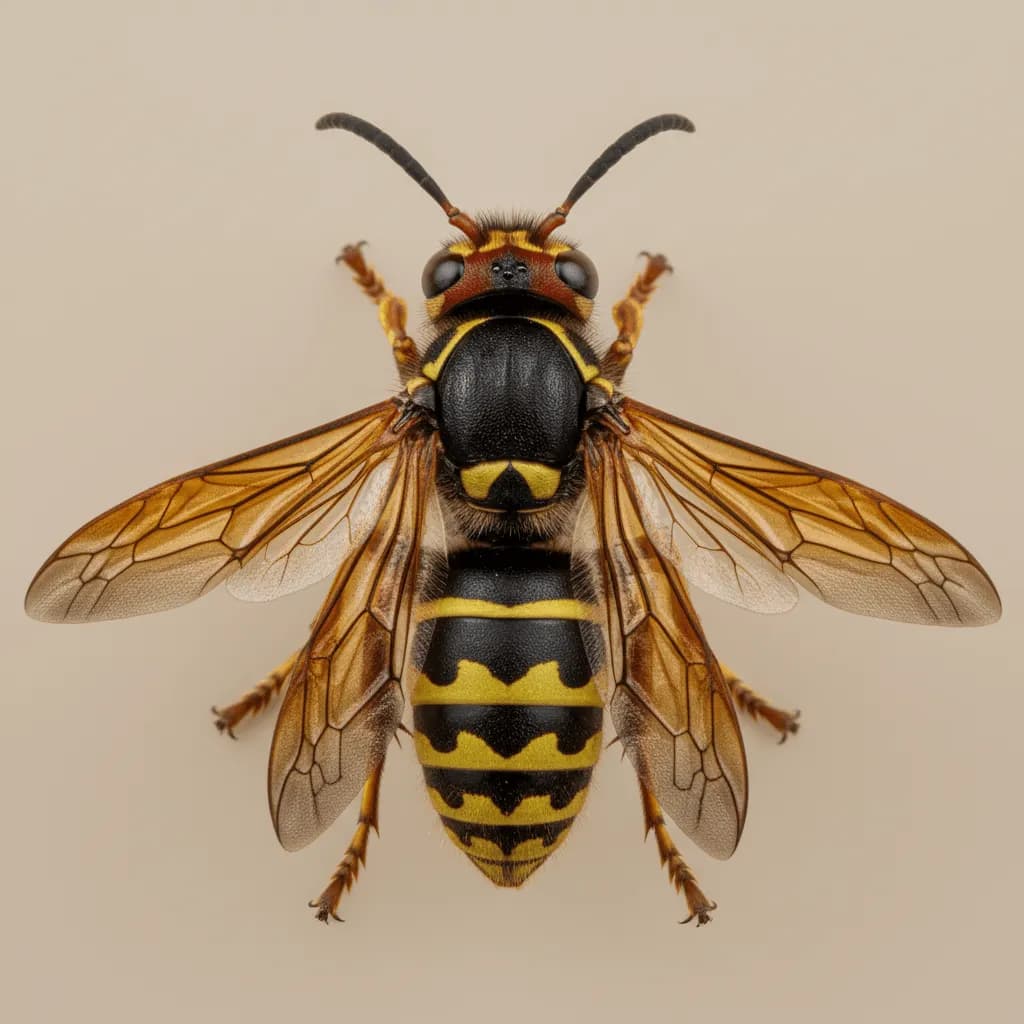
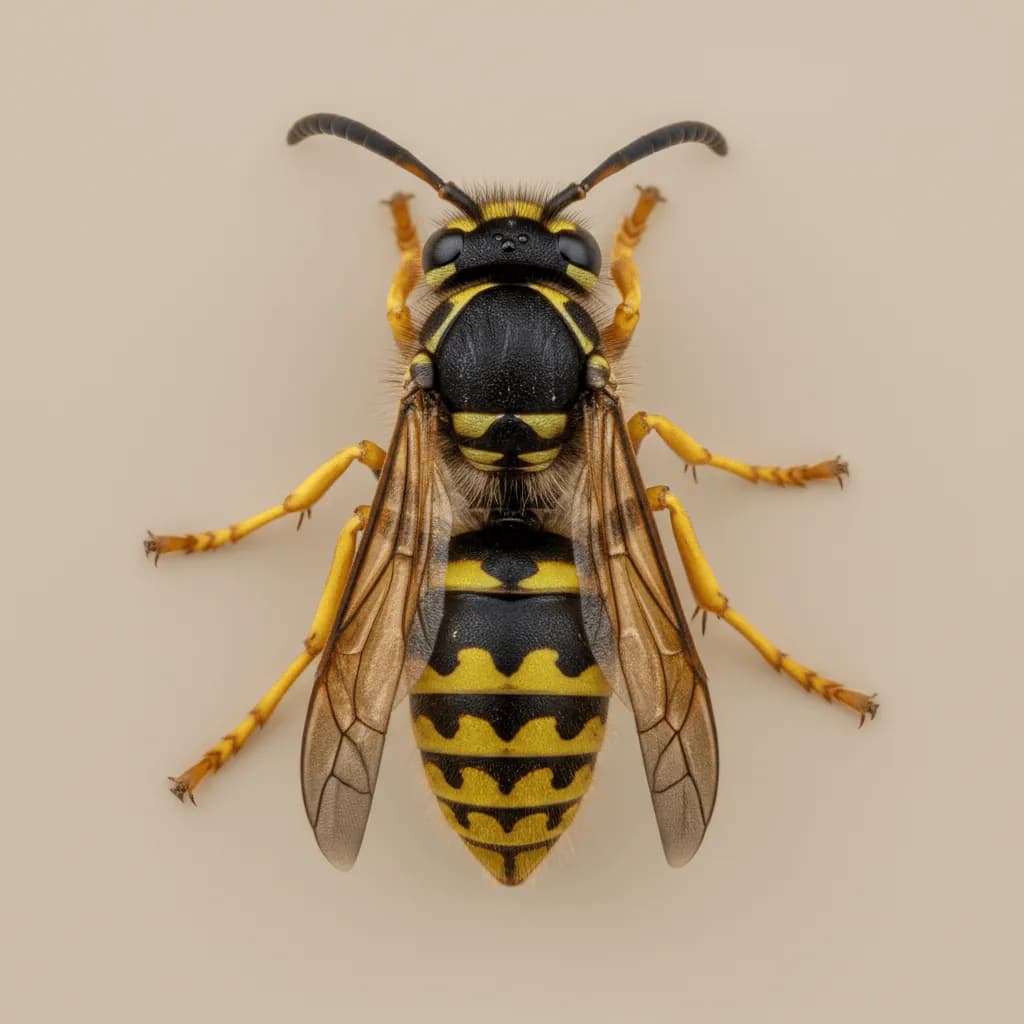
Frequently Asked Questions
Is it really an ant?
Can the sting really kill a cow?
Why is it so hard to kill?
Need Help With Red velvet ant?
If you're seeing signs of red velvet ant in or around your home, professional treatment is the fastest way to stop the problem. Lotus Pest Control offers free inspections to identify the issue and recommend the right solution.
At a Glance
- Category
- Stinging Insects
- Scientific Name
- Dasymutilla occidentalis
- Size
- 15-25 mm
- Color
- Bright orange-red and black with dense velvety hair
- Key Trait
- Actually a wingless female wasp, not an ant; dense velvet-like hair; extremely painful sting.
- Regions
- Southeast, South Central, Southwest
- Threat Level
- Low
- Risk Types
- health
- Seasonal Activity
- MarAprMayJunJulAugSepOctNovDecJanFebnonelowmoderatehighpeak