
Conehead Termites
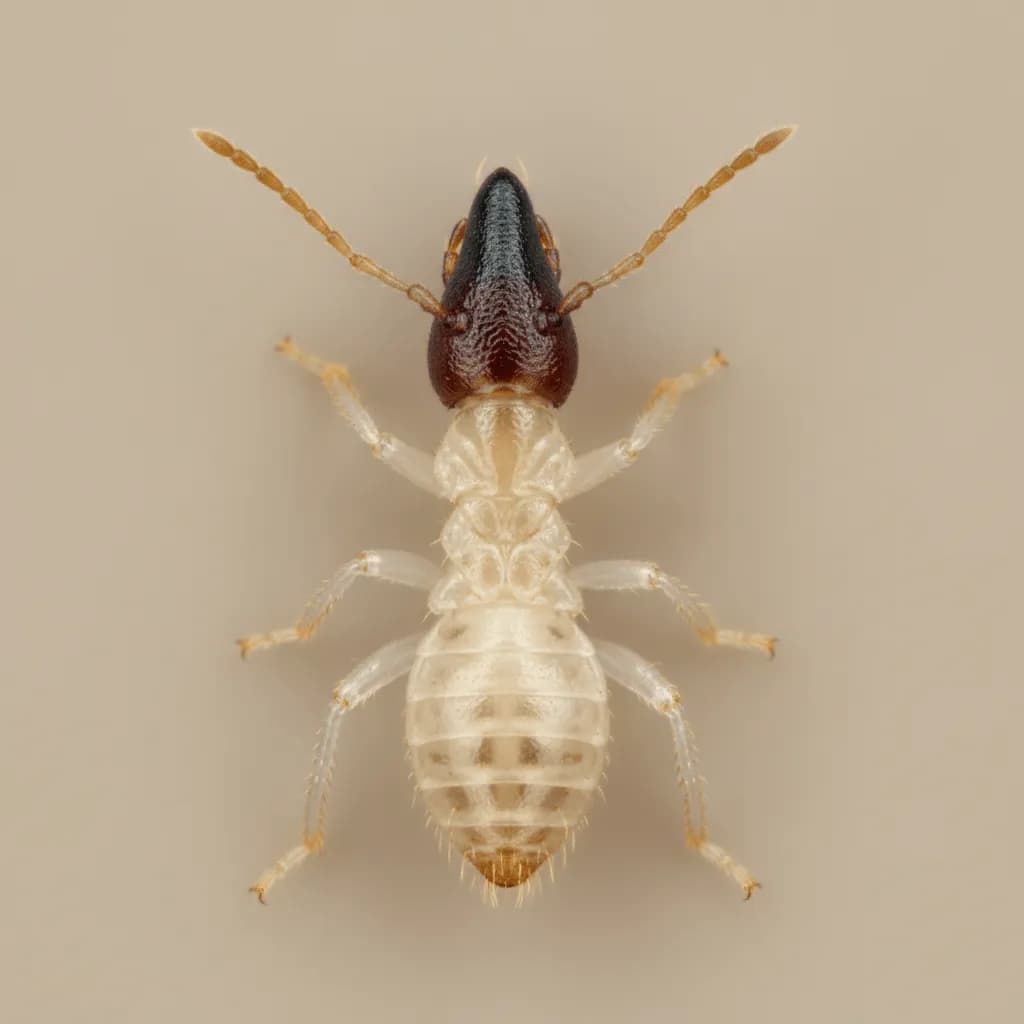
Conehead termites, formerly known as tree termites, are an invasive species from the Caribbean that was discovered in Dania Beach, Florida, in 2001. They are unique among termites in North America because they forage on the ground surface like ants rather than through underground tunnels, allowing them to spread much more rapidly than subterranean species. Soldiers have a distinctive dark, cone-shaped head used for defense. They build conspicuous dark brown, bumpy nests on trees, fences, and structures that can grow to three feet in diameter.
Species in This Group (1)
Key Behaviors
Conehead termites build extensive foraging trails on the ground surface, up trees, and along fences and structures, covering them with a protective dark, mud-like crust. They attack a wide range of wood, living trees, shrubs, roots, and structural lumber. Their above-ground foraging gives them the ability to spread rapidly across properties. Nests are built in trees, on structures, and in shrubs.
Risks & Concerns
Conehead termites are an extreme quarantine concern due to their potential to cause devastating damage to agriculture, forestry, and structures if they become established beyond their current limited range. Their surface foraging and rapid spread distinguish them from all other North American termite species. Eradication efforts are ongoing in South Florida. Any suspected sighting should be reported to state agricultural authorities.
Identification Tip
The only termite in North America that forages openly on the ground surface like ants. Their dark, bumpy arboreal nests and visible foraging trails are unlike any native termite. Currently limited to a small area of South Florida and subject to active eradication efforts.
Need Help With Conehead termites?
If you're seeing signs of conehead termites in or around your home, professional treatment is the fastest way to stop the problem. Lotus Pest Control offers free inspections to identify the issue and recommend the right solution.