
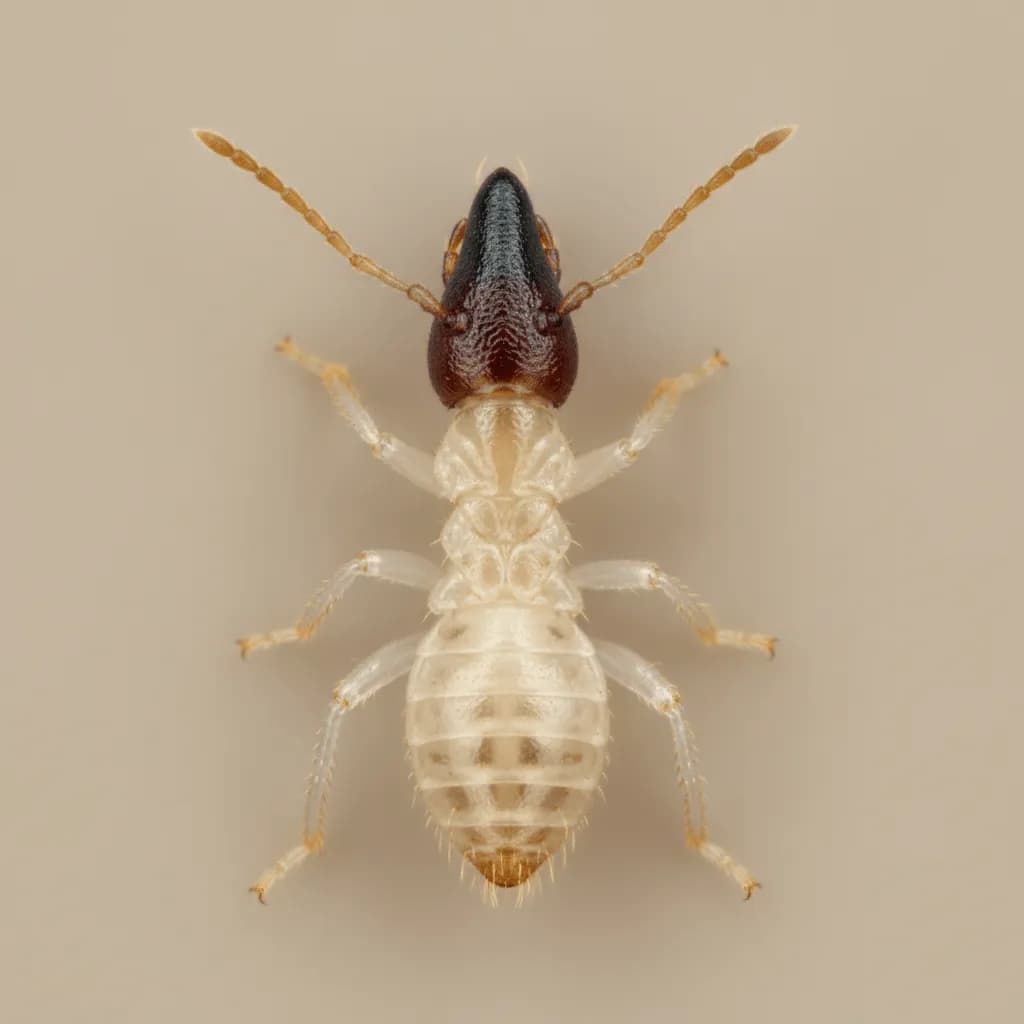
Conehead Termite
Nasutitermes corniger
Also known as: Tree Termite
The Conehead Termite is an invasive species from the Caribbean discovered in Dania Beach, Florida in 2001. Unlike most U.S. termites, it forages on the ground surface like ants rather than through underground tunnels, allowing it to spread rapidly. It builds large dark nests in trees and on structures. An aggressive eradication program has been underway since its discovery.
Identification
Size
3-5 mm (soldiers)
Color
Workers are cream; soldiers have a dark cone-shaped head
Key Trait
Soldiers have a distinctive pointed cone-shaped head (nasute) used to squirt defensive chemicals; builds large above-ground nests in trees.
Behavior & Habitat
Forages on the ground surface in open trails rather than underground, enabling rapid colonization of new areas. Workers build covered runways across surfaces and large carton nests. Soldiers defend with a sticky chemical spray from their nasute heads.
Habitat: Trees, fences, buildings, and any wooden structure in its range. Builds conspicuous dark carton nests up to 3 feet across. Currently limited to a small area of Broward County, Florida.
Diet: Live and dead wood, structural lumber, trees, shrubs, and roots.
Signs of Infestation
- Large dark carton nests in trees or on structures
- Open foraging trails of termites on the ground, fences, or walls
- Damaged live trees and landscape plants
Risks & Damage
If established, can cause severe damage to structures, trees, and infrastructure across a wide area.
Attacks live trees, shrubs, and crops, potentially devastating landscapes and agriculture.
Prevention Tips
- 1.Report any suspected conehead termite sightings to your local agricultural extension office immediately
- 2.Do not move landscape materials from known infested areas
- 3.Support local eradication efforts
Why DIY Treatment Often Falls Short
Conehead termites require coordinated eradication by government agencies and licensed professionals. Individual homeowner treatment cannot address the spread of this highly mobile invasive species.
Professional Treatment
Eradication efforts involve colony destruction, nest removal, and area-wide treatment. Government agencies coordinate with licensed pest control operators to locate and destroy all colonies. This is not a species that can be managed - it must be eradicated.
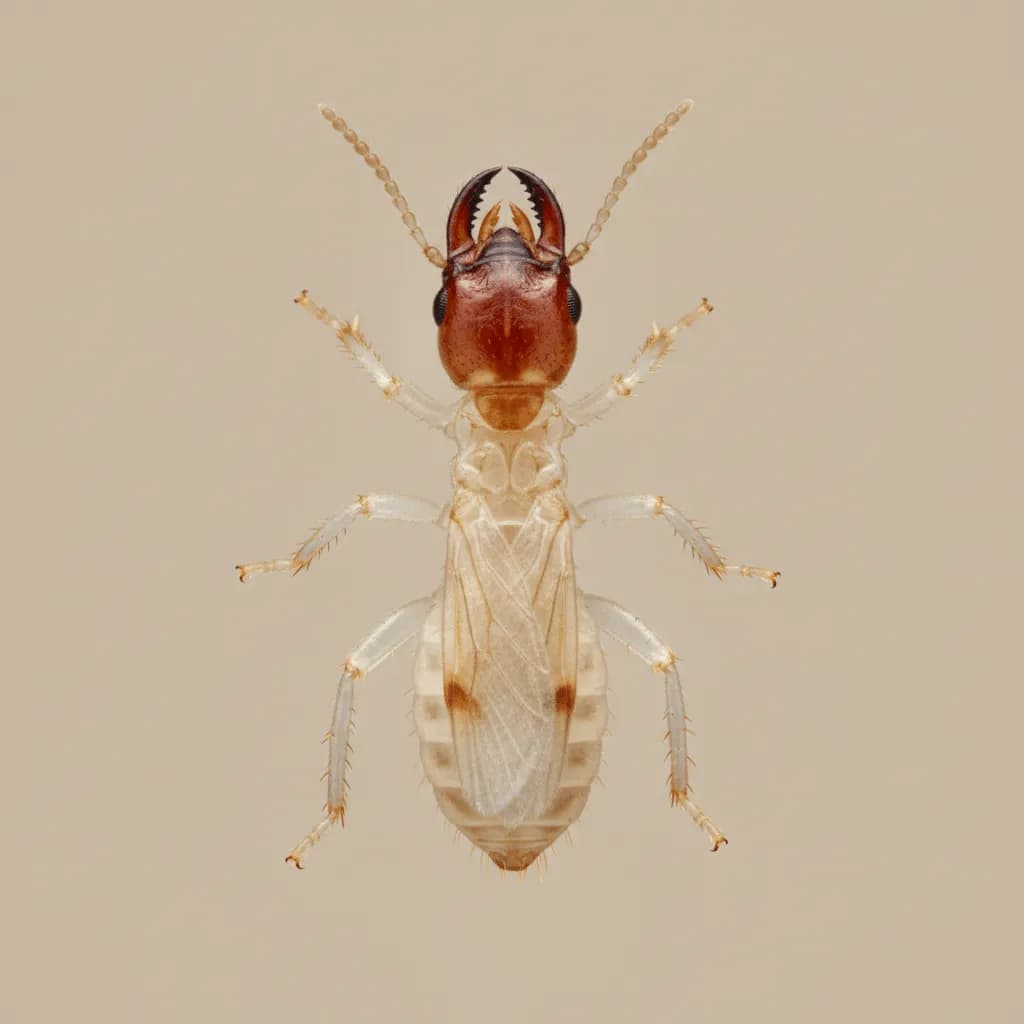
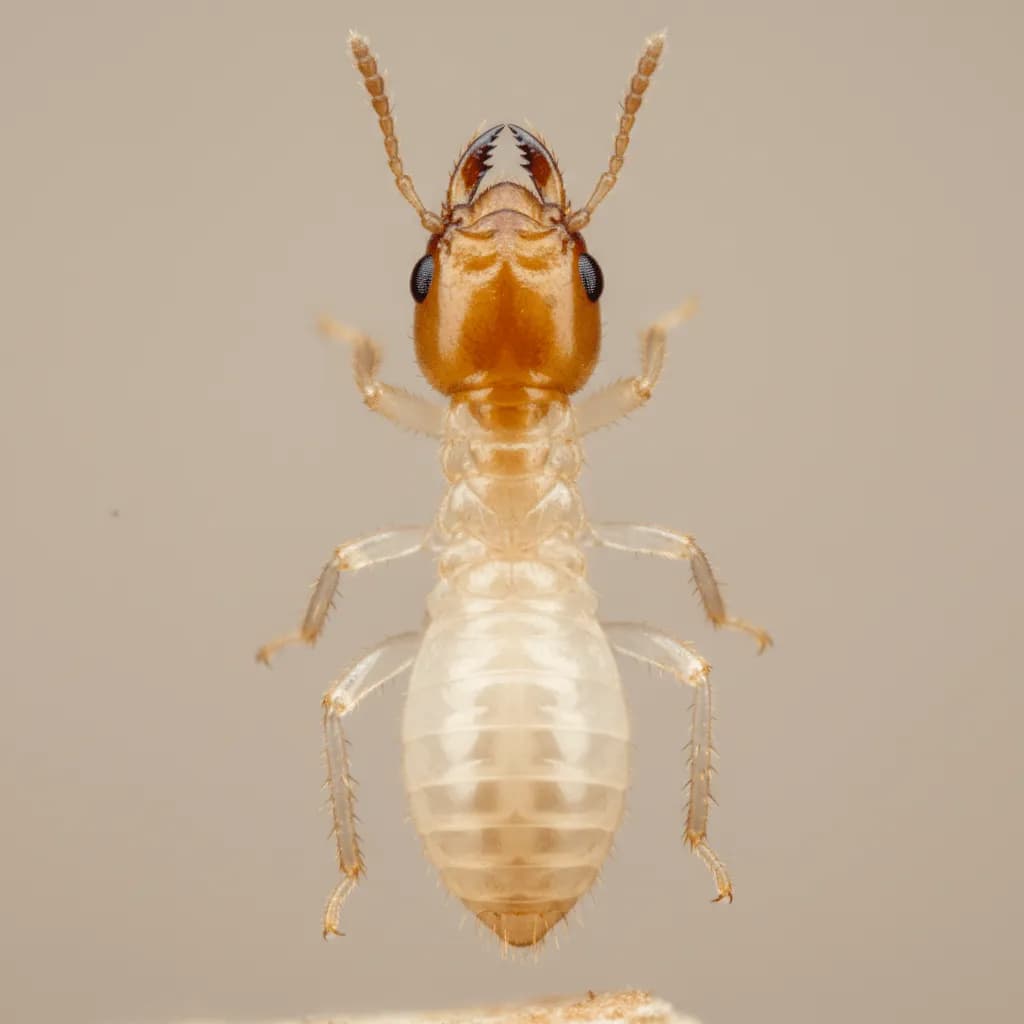
Frequently Asked Questions
Is the conehead termite established in the US?
Why is this termite so dangerous?
What should I do if I see one?
Need Help With Conehead termite?
If you're seeing signs of conehead termite in or around your home, professional treatment is the fastest way to stop the problem. Lotus Pest Control offers free inspections to identify the issue and recommend the right solution.
At a Glance
- Category
- Termites
- Scientific Name
- Nasutitermes corniger
- Size
- 3-5 mm (soldiers)
- Color
- Workers are cream; soldiers have a dark cone-shaped head
- Key Trait
- Soldiers have a distinctive pointed cone-shaped head (nasute) used to squirt defensive chemicals; builds large above-ground nests in trees.
- Regions
- Southeast
- Threat Level
- Very High
- Risk Types
- structuralagricultural
- Seasonal Activity
- MarAprMayJunJulAugSepOctNovDecJanFebnonelowmoderatehighpeak