
Termite
Termites are wood-destroying insects responsible for an estimated five billion dollars in property damage annually in the United States. The most economically significant species fall into three groups: subterranean, drywood, and dampwood termites. Subterranean termites, which build colonies in the soil and access structures through mud tubes, cause the vast majority of damage. Termites work silently and out of sight, often causing extensive structural harm before any visible signs appear. Regular inspections are essential because homeowner's insurance typically does not cover termite damage.
Species Covered
10
Species Groups
4
Common Traits
All termites are social insects that live in colonies with specialized castes including workers, soldiers, and reproductives. They feed on cellulose, the primary structural component of wood, and can digest it thanks to specialized microorganisms in their guts. Termites avoid light and open air, which is why infestations can go undetected for months or even years.
Species in This Category
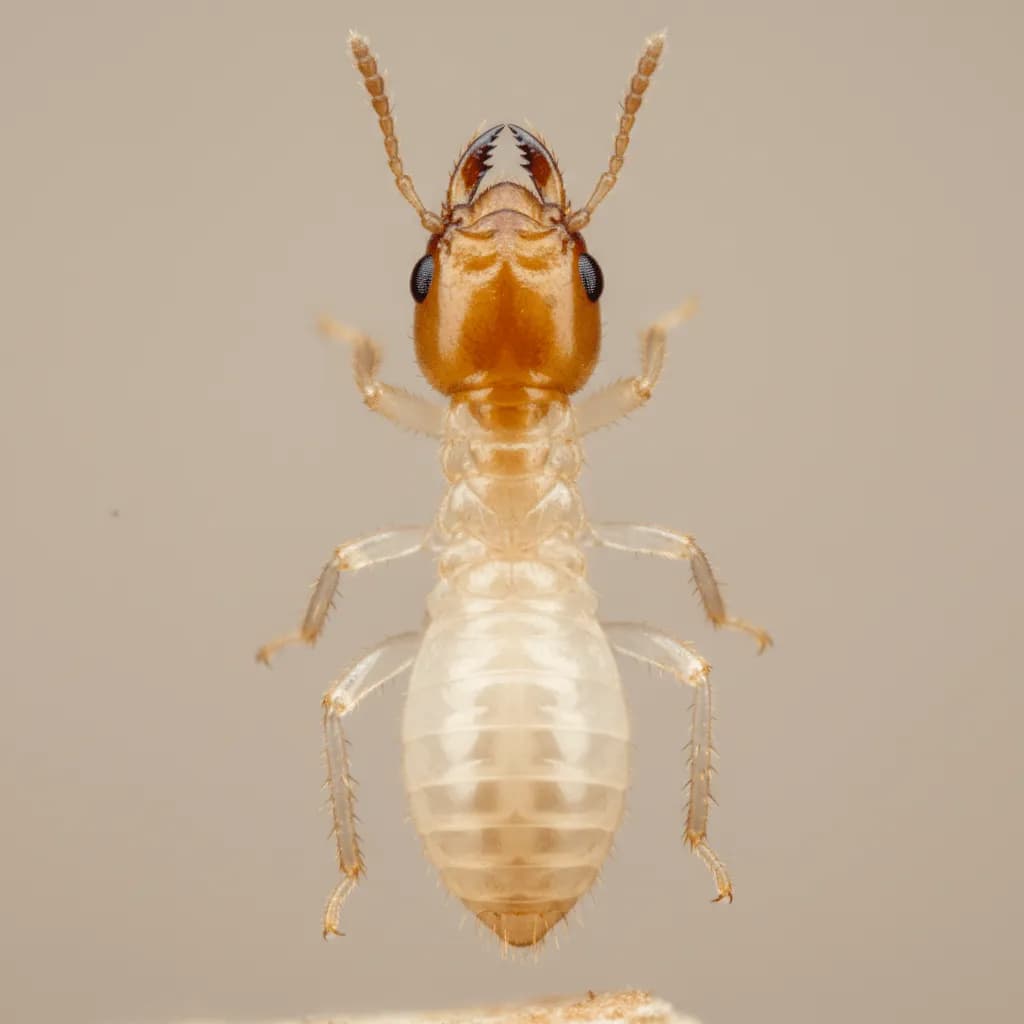
Subterranean Termites
6 species
Subterranean termites are the most destructive wood-destroying organisms in North America, responsible for an estimated $5 billion in property damage annually.
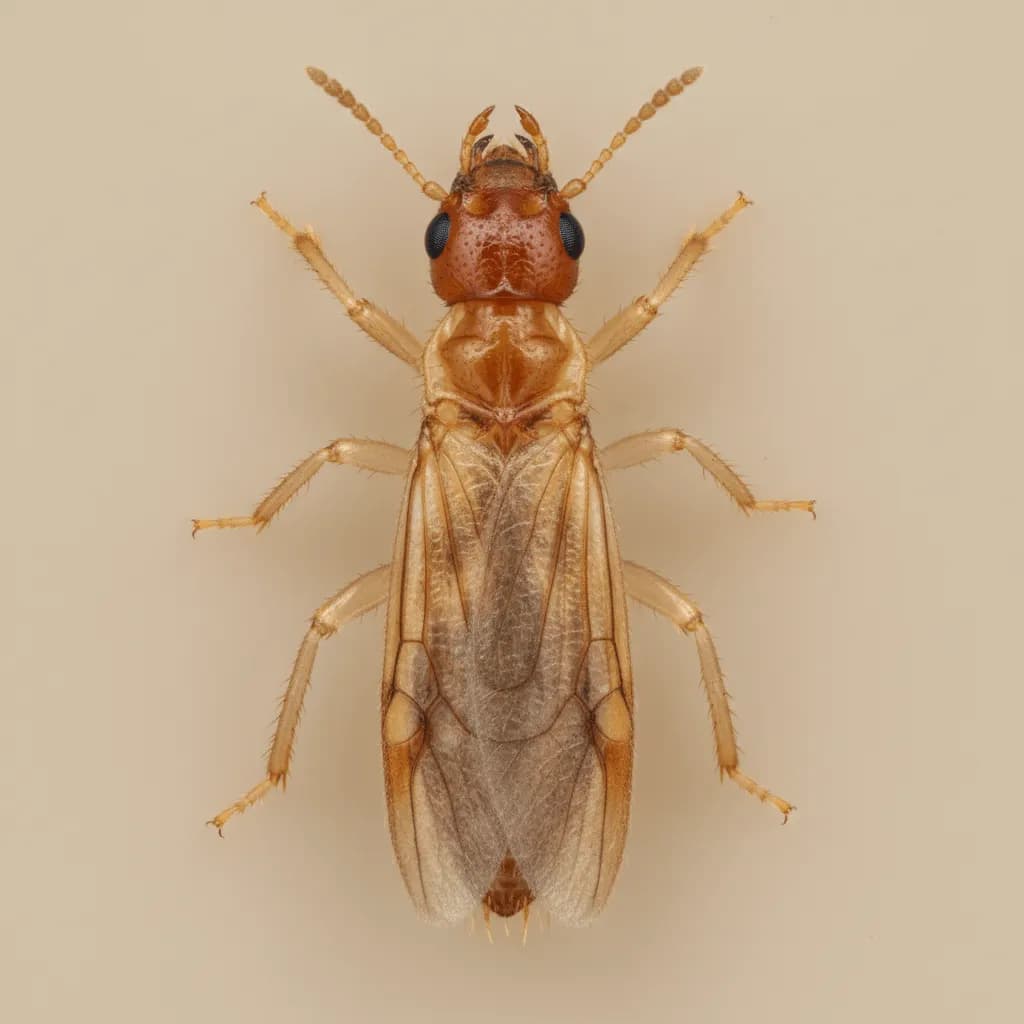
Drywood Termites
3 species
Drywood termites infest dry, sound wood and do not require contact with soil or an external moisture source.
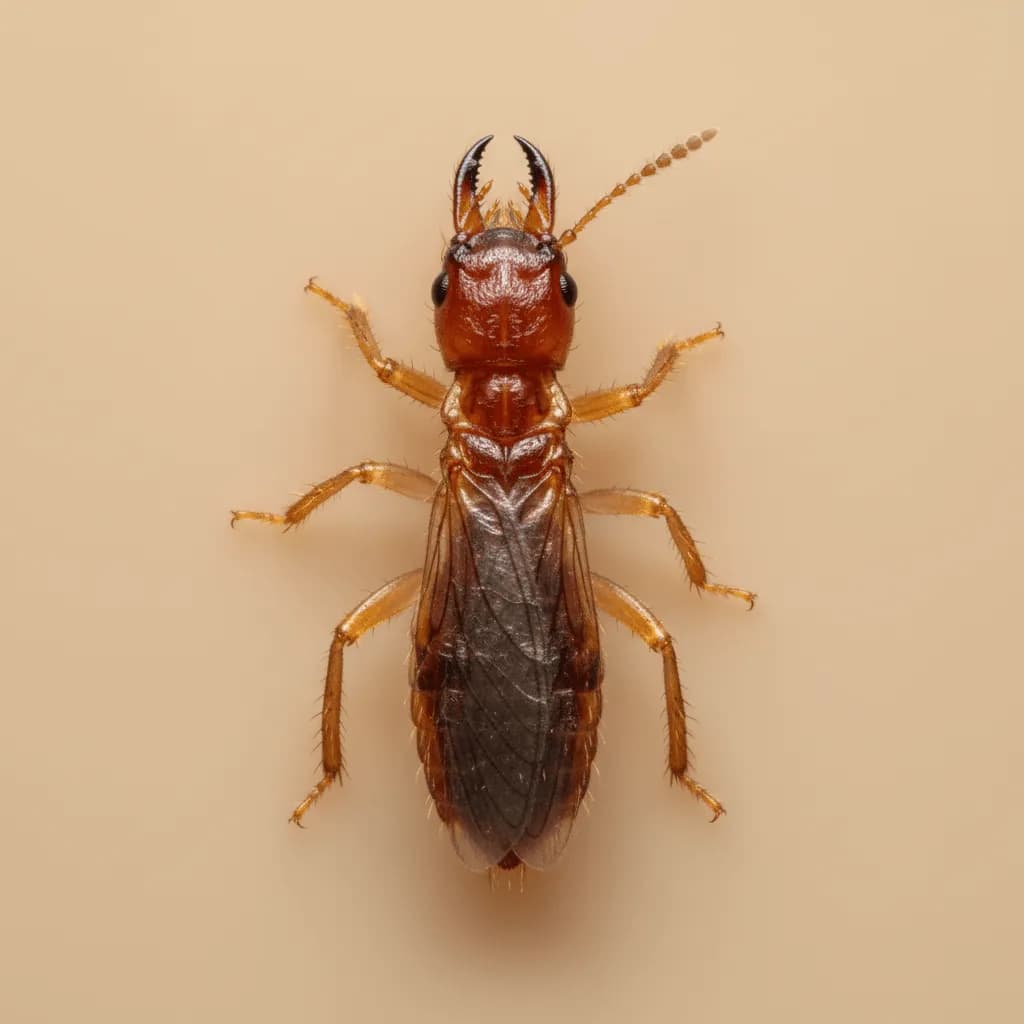
Dampwood Termites
3 species
Dampwood termites are large termites that infest wood with high moisture content, typically above 20 percent.
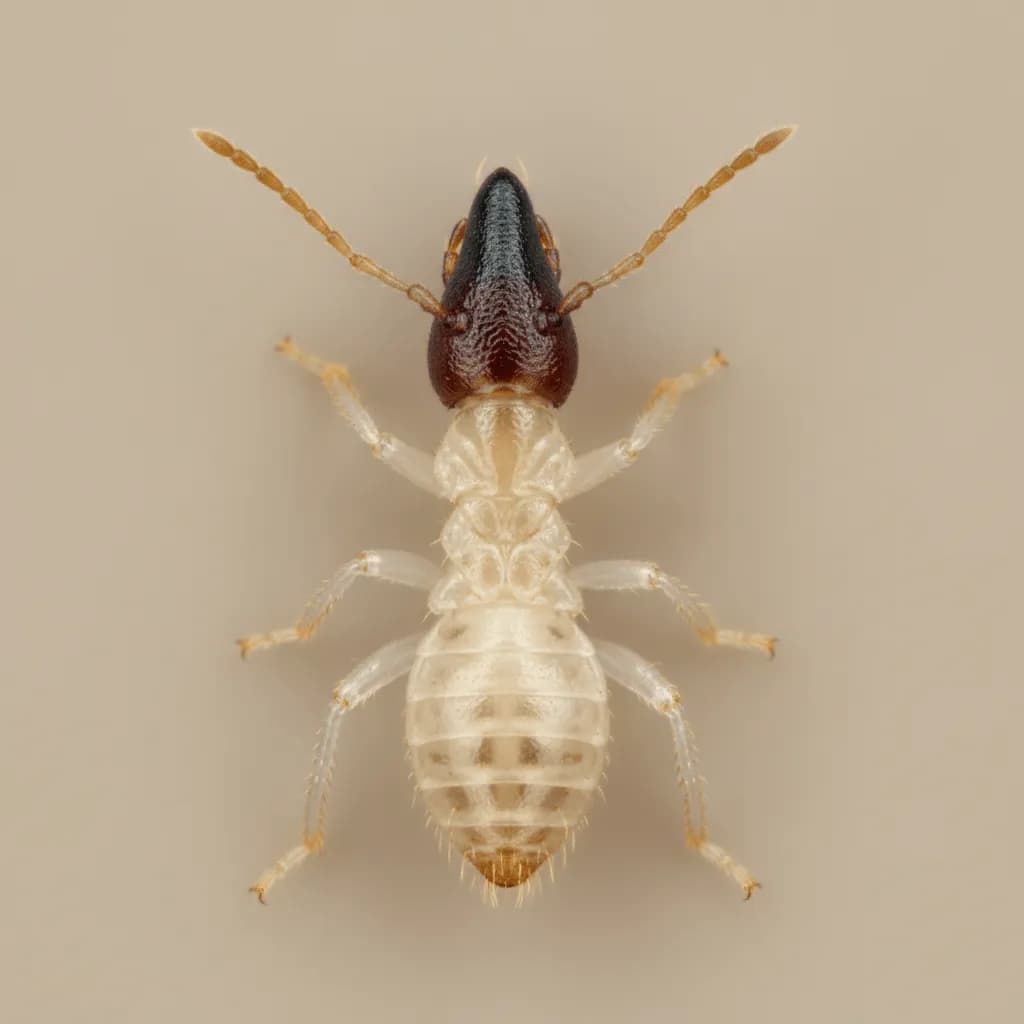
Conehead Termites
1 species
Conehead termites, formerly known as tree termites, are an invasive species from the Caribbean that was discovered in Dania Beach, Florida, in 2001.
All Termite
Signs of Infestation
- Pencil-thin mud tubes running along foundation walls, piers, or plumbing
- Hollow-sounding wood when tapped, especially in structural members
- Discarded wings near windowsills or light fixtures after a swarm event
- Bubbling or peeling paint that resembles water damage on walls or ceilings
- Frass - small piles of wood-colored droppings beneath kick-out holes (drywood termites)
- Sagging floors, warped door frames, or windows that suddenly stick
Prevention
Termite prevention focuses on eliminating wood-to-soil contact, managing moisture, and creating barriers that deter colony access. Key measures include grading soil away from foundations, repairing leaks, storing firewood away from the structure, and ensuring crawl spaces are well-ventilated. Professional monitoring systems and preventive treatments provide an additional layer of defense.
Frequently Asked Questions
How do I know if I have termites or just ants?
Does homeowner's insurance cover termite damage?
Can termites eat through concrete?
How long does it take for termites to cause serious damage?
Are termite treatments safe for my family and pets?
Do I need a termite inspection before buying a home?
Need Help With Termite?
If you're seeing signs of termite in or around your home, professional treatment is the fastest way to stop the problem. Lotus Pest Control offers free inspections to identify the issue and recommend the right solution.