
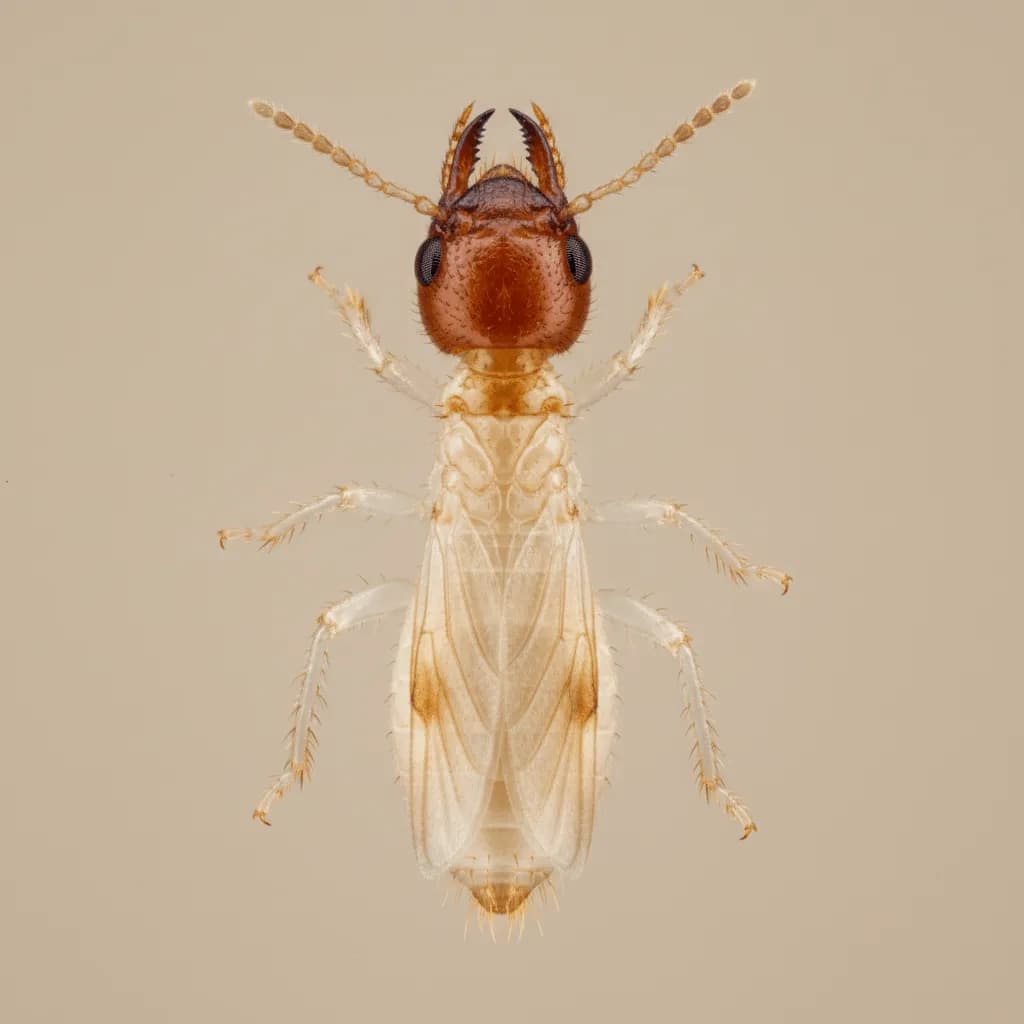
Arid-Land Subterranean Termite
Reticulitermes tibialis
Also known as: Arid Land Termite
The Arid-Land Subterranean Termite is the most widely distributed subterranean termite in the western United States. It thrives in dry conditions that are inhospitable to many other termite species, obtaining moisture from deep soil layers and from the wood it consumes. It is an important structural pest across the Great Plains and Mountain West.
Identification
Size
4-6 mm (workers); soldiers slightly larger with elongated heads
Color
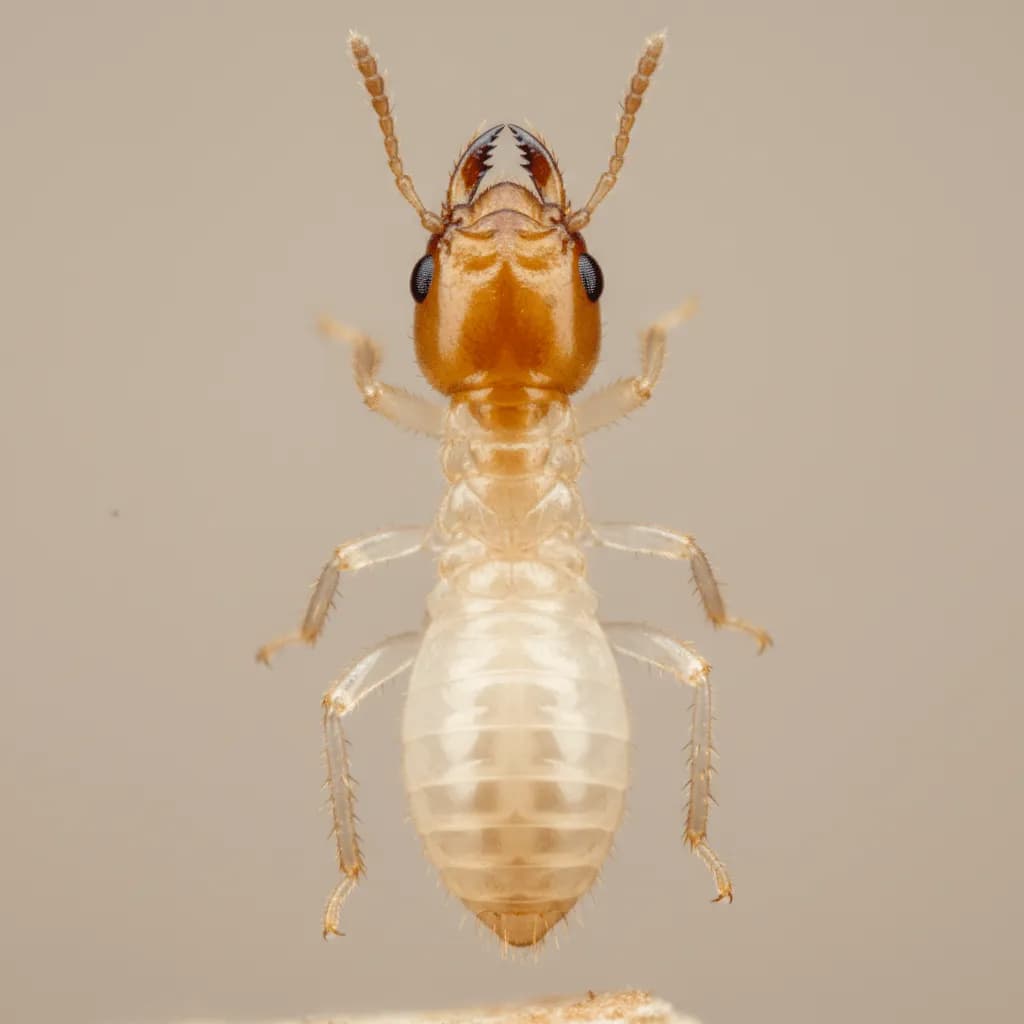
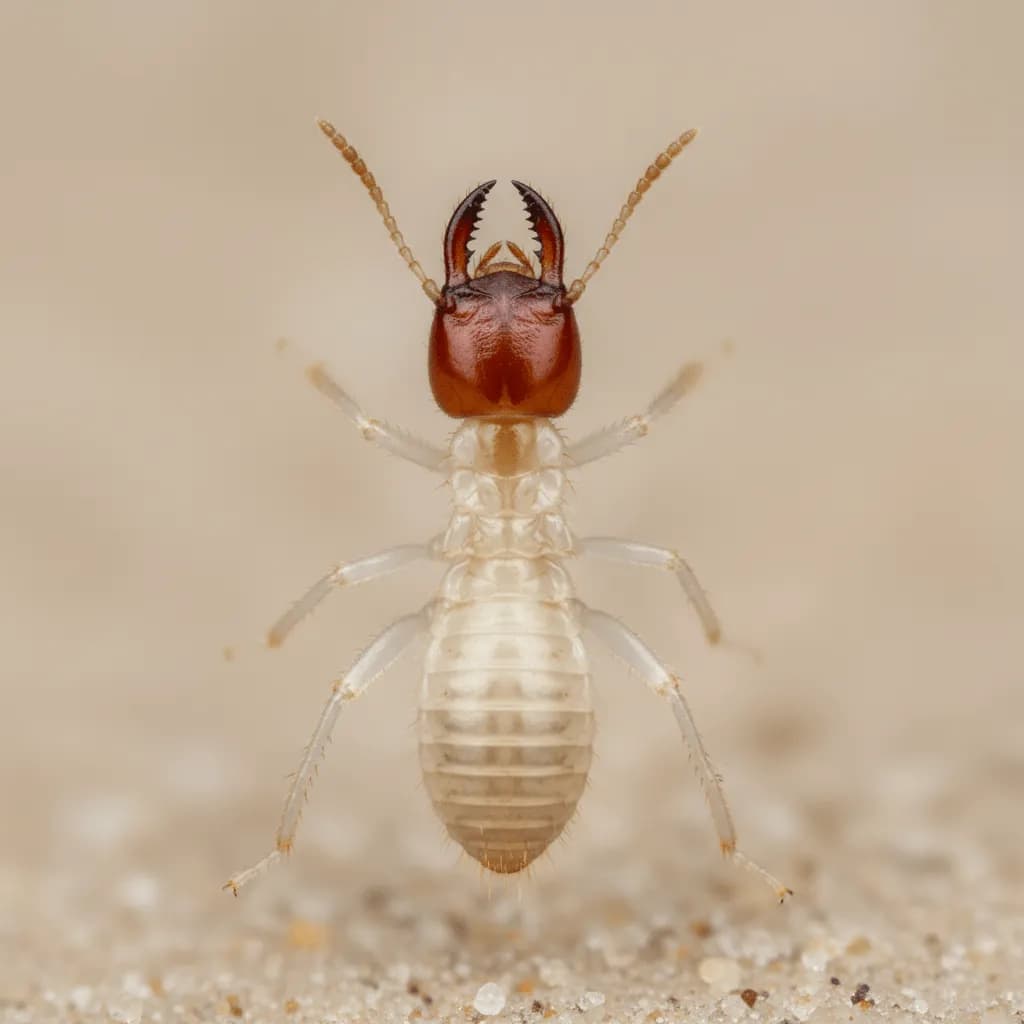
Creamy white workers; soldiers with pale bodies and dark brown rectangular heads
Key Trait
Found in arid and semi-arid regions where other subterranean termites are less common; soldiers have distinctly rectangular heads with short, stout mandibles.
Behavior & Habitat
Colonies are typically smaller than eastern subterranean termite colonies but can still cause significant damage over time. Forages through soil via mud tubes and can exploit very small amounts of available moisture. Swarms in spring, often after rain events in arid regions.
Habitat: Soil beneath and around structures, dead wood in contact with soil, fence posts, utility poles, and any wood-to-ground contact points. Found in grasslands, deserts, and semi-arid landscapes.
Diet: Cellulose from wood, paper, cardboard, and other plant-based materials. Preferentially attacks softwoods but will consume hardwoods when available.
Signs of Infestation
- Mud shelter tubes on foundation walls, piers, or plumbing penetrations
- Spring swarms of small winged termites after rainfall events
- Hollowed or damaged wood in structures, especially at ground contact points
Risks & Damage
Causes significant structural wood damage across the western U.S., particularly in areas where other subterranean species are absent.
Prevention Tips
- 1.Eliminate wood-to-soil contact around the foundation
- 2.Ensure proper drainage to prevent moisture accumulation near the structure
- 3.Schedule regular professional termite inspections, especially in high-risk areas
Why DIY Treatment Often Falls Short
Subterranean termite colonies are hidden underground, making them impossible to fully reach with surface treatments. Their ability to find moisture deep in the soil means they can persist despite arid surface conditions.
Professional Treatment
Professionals install liquid termiticide barriers around the foundation or deploy in-ground bait stations to eliminate the colony. Monitoring stations provide ongoing protection and early detection of new activity.
Frequently Asked Questions
Can termites survive in dry climates?
How do I know if I have this species?
Are they as damaging as eastern subterranean termites?
Need Help With Arid-land subterranean termite?
If you're seeing signs of arid-land subterranean termite in or around your home, professional treatment is the fastest way to stop the problem. Lotus Pest Control offers free inspections to identify the issue and recommend the right solution.
At a Glance
- Category
- Termites
- Scientific Name
- Reticulitermes tibialis
- Size
- 4-6 mm (workers); soldiers slightly larger with elongated heads
- Color
- Creamy white workers; soldiers with pale bodies and dark brown rectangular heads
- Key Trait
- Found in arid and semi-arid regions where other subterranean termites are less common; soldiers have distinctly rectangular heads with short, stout mandibles.
- Regions
- Great Plains, Mountain West, Southwest, Midwest
- Threat Level
- High
- Risk Types
- structural
- Seasonal Activity
- MarAprMayJunJulAugSepOctNovDecJanFebnonelowmoderatehighpeak