
Subterranean Termites
Subterranean termites are the most destructive wood-destroying organisms in North America, responsible for an estimated $5 billion in property damage annually. They live in underground colonies that can contain hundreds of thousands to millions of individuals and build mud tubes to travel between the soil and their wood food source. The eastern subterranean termite is the most widespread species, but the Formosan subterranean termite, an aggressive invasive species, causes the most severe damage in the Gulf Coast region. Colonies include workers, soldiers, and reproductive castes, with the queen living 15 to 25 years.
Species in This Group (5)
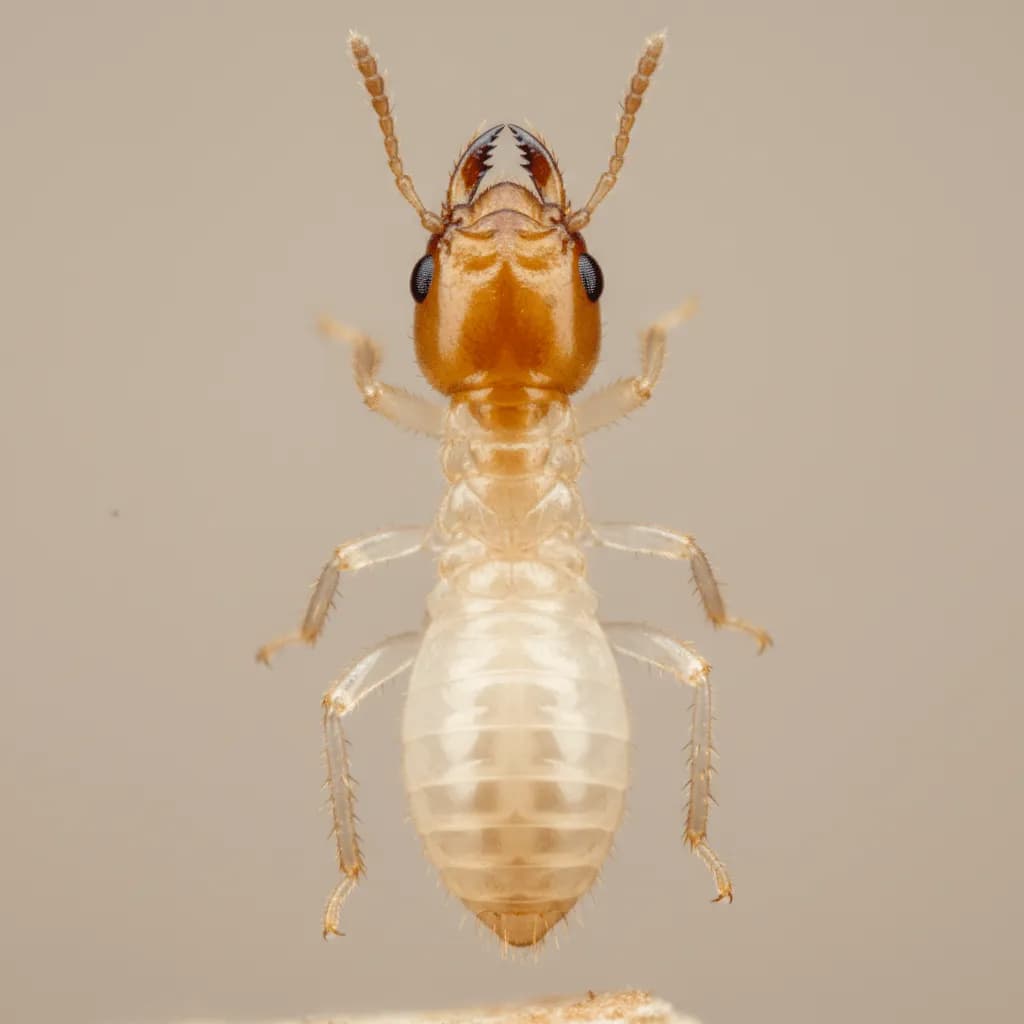
Eastern Subterranean Termite
Reticulitermes flavipes
The Eastern Subterranean Termite is the most common and economically important termite in the United States, responsible for billions of dollars in structural damage annually.
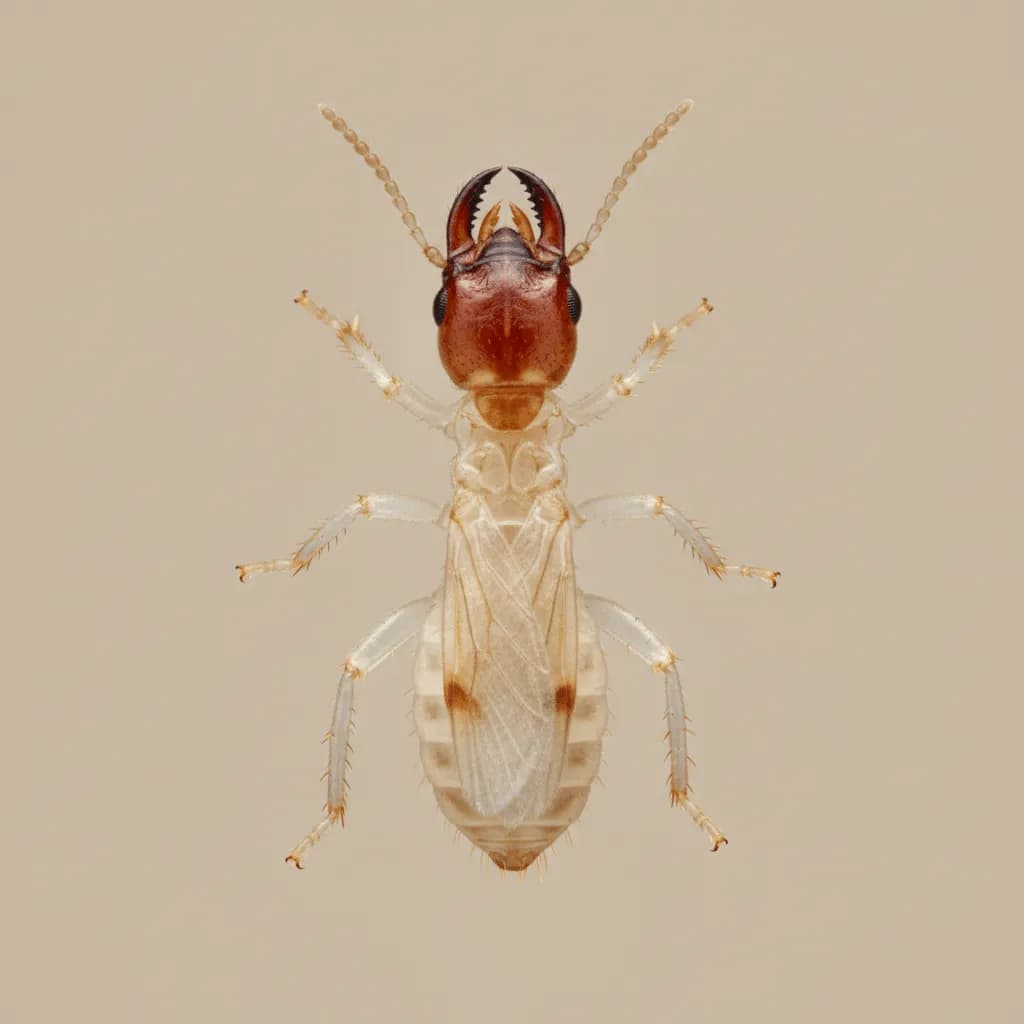
Formosan Subterranean Termite
Coptotermes formosanus
The Formosan Subterranean Termite is the most destructive termite species in the United States.
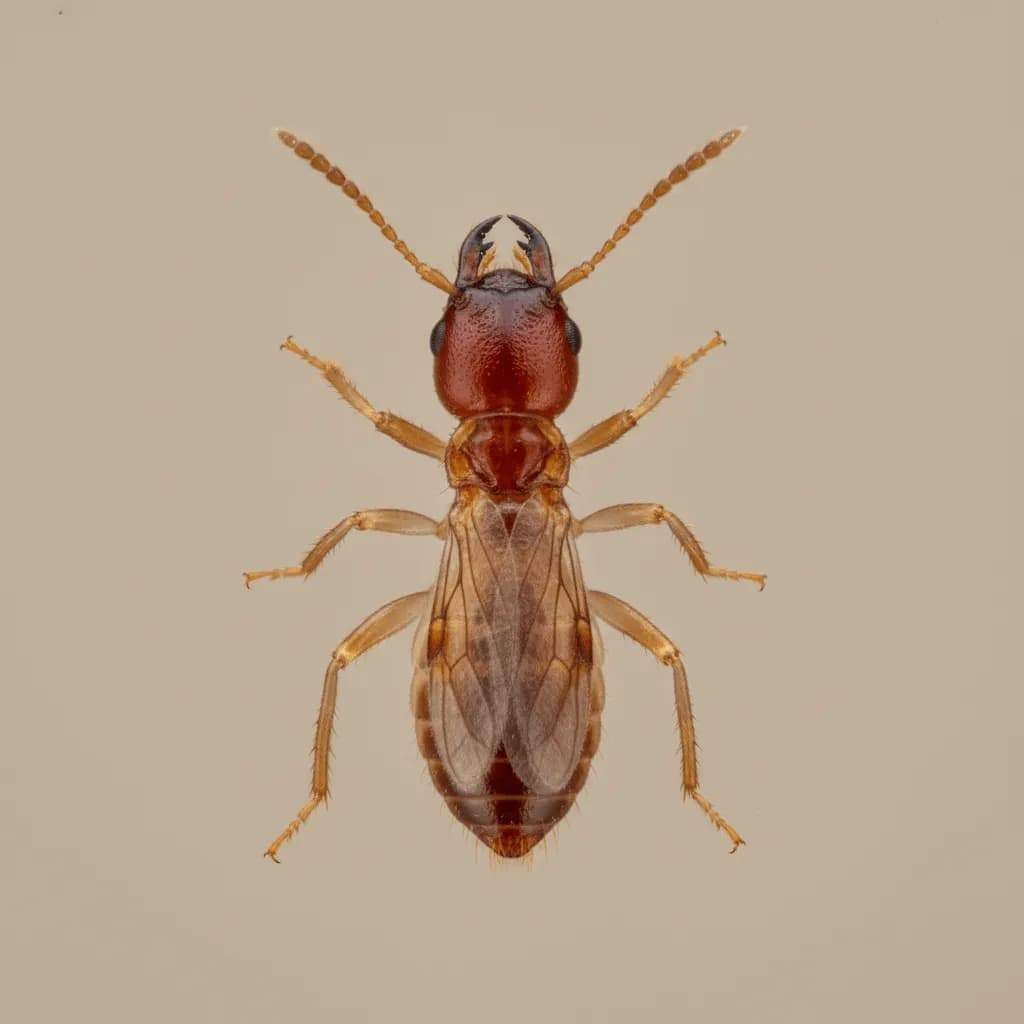
Dark Southeastern Subterranean Termite
Reticulitermes virginicus
The Dark Southeastern Subterranean Termite is the second most common subterranean termite in the eastern United States.
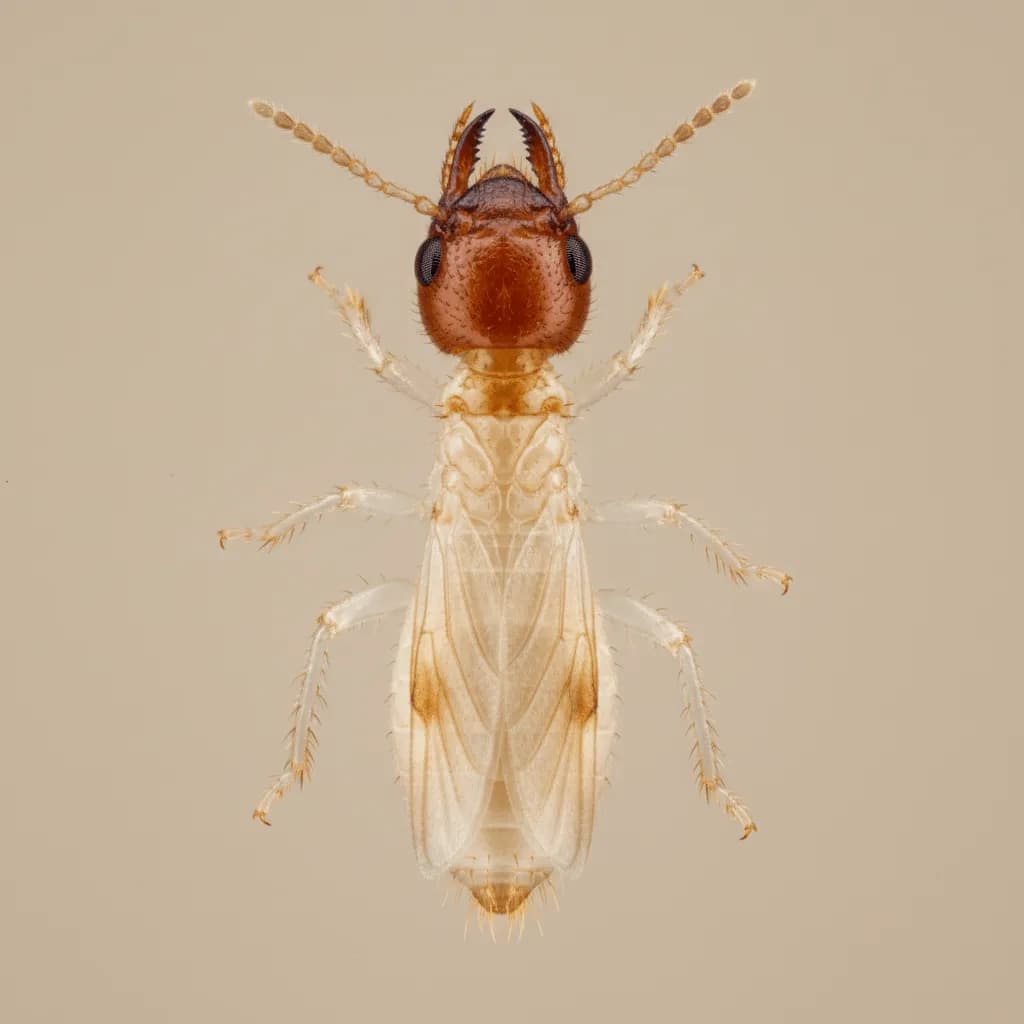
Arid-Land Subterranean Termite
Reticulitermes tibialis
The Arid-Land Subterranean Termite is the most widely distributed subterranean termite in the western United States.
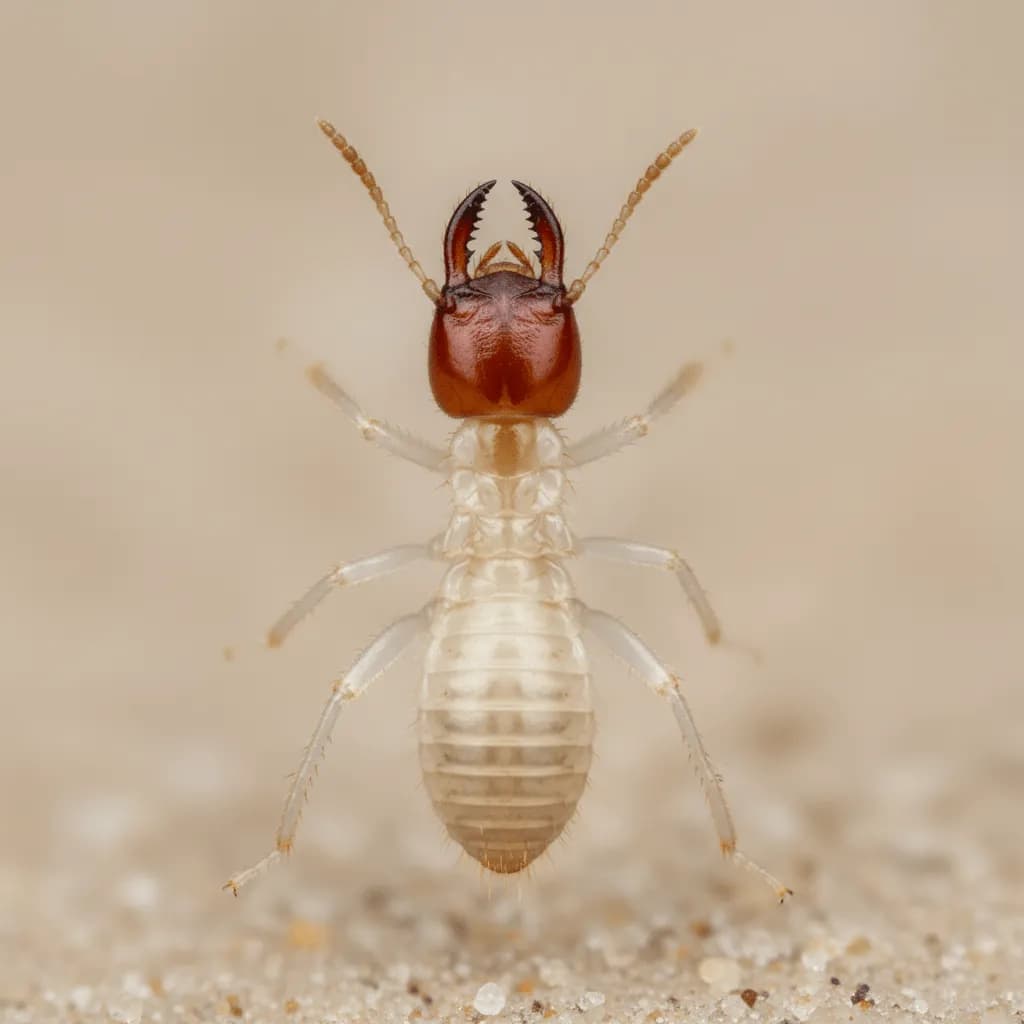
Desert Subterranean Termite
Heterotermes aureus
The Desert Subterranean Termite is the most common structural termite pest in the Sonoran Desert region of the southwestern United States.
Key Behaviors
Subterranean termites maintain contact with the soil to regulate moisture and temperature. They construct mud shelter tubes along foundation walls, piers, and plumbing to reach wood above ground. Workers feed 24 hours a day, and large colonies can consume a linear foot of two-by-four in under six months. Swarming flights occur in spring when winged reproductives emerge to establish new colonies.
Risks & Concerns
Subterranean termites cause more structural damage than fires, floods, and windstorms combined. Damage often goes undetected for years because feeding occurs inside the wood, leaving a thin outer shell intact. Formosan colonies are especially destructive, building carton nests inside walls that retain moisture and accelerate wood decay. Repair costs from termite damage average $3,000 to $8,000 per home.
Identification Tip
Distinguished from drywood termites by their mud shelter tubes and soil contact requirement. Subterranean termite damage has a muddy, wet appearance inside galleries, while drywood termite galleries are clean and smooth. Subterranean swarmers are dark-bodied and emerge in spring, while drywood swarmers are often lighter and emerge in late summer to fall.
Quick Comparison
| Species | Size | Color | Key Trait |
|---|---|---|---|
| Eastern Subterranean Termite | 3-4 mm (workers) | Workers are pale cream; swarmers are dark brown to black with translucent wings | Builds mud tubes on foundation walls; workers are soft-bodied and cream-colored; swarmers have equal-length wings. |
| Formosan Subterranean Termite | 5-6 mm (workers) | Workers are cream-colored; swarmers are yellowish-brown with hairy wings | Builds carton nests (hardened muddy material) inside walls that retain moisture, allowing colonies to live above ground without soil contact. |
| Dark Southeastern Subterranean Termite | 3-4 mm (workers) | Workers are cream-white; swarmers are dark brownish-black | Similar to the Eastern subterranean termite but slightly smaller with darker swarmers that emerge slightly earlier in spring. |
| Arid-Land Subterranean Termite | 4-6 mm (workers); soldiers slightly larger with elongated heads | Creamy white workers; soldiers with pale bodies and dark brown rectangular heads | Found in arid and semi-arid regions where other subterranean termites are less common; soldiers have distinctly rectangular heads with short, stout mandibles. |
| Desert Subterranean Termite | 4-5 mm (workers); soldiers with elongated narrow heads | Pale creamy-white workers; soldiers with pale bodies and long, narrow yellowish-brown heads | Adapted to extreme desert conditions; soldiers have distinctly elongated, narrow heads; builds distinctive mud tubes on desert vegetation and structures. |
Need Help With Subterranean termites?
If you're seeing signs of subterranean termites in or around your home, professional treatment is the fastest way to stop the problem. Lotus Pest Control offers free inspections to identify the issue and recommend the right solution.