
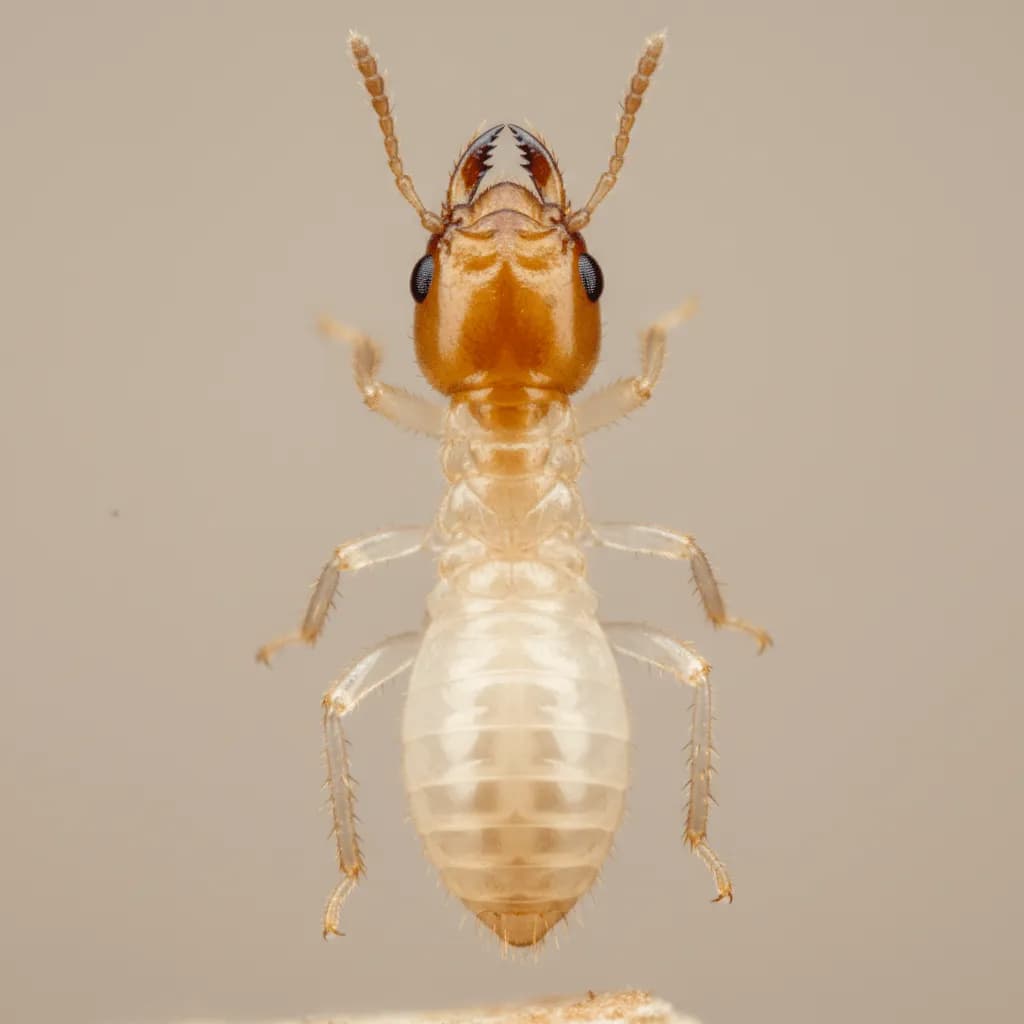
Eastern Subterranean Termite
Reticulitermes flavipes
The Eastern Subterranean Termite is the most common and economically important termite in the United States, responsible for billions of dollars in structural damage annually. Colonies live underground and build mud shelter tubes to reach wood above ground. A mature colony can contain hundreds of thousands of workers that silently consume structural timbers from the inside out.
Identification
Size
3-4 mm (workers)
Color
Workers are pale cream; swarmers are dark brown to black with translucent wings
Key Trait
Builds mud tubes on foundation walls; workers are soft-bodied and cream-colored; swarmers have equal-length wings.
Behavior & Habitat
Workers forage through a network of underground tunnels and mud tubes, consuming cellulose from wood 24 hours a day. Swarmers emerge in large numbers on warm spring days to mate and start new colonies. Colonies are hidden and may be active for years before detection.
Habitat: Soil beneath and adjacent to structures; they require ground contact or a reliable moisture source. Mud shelter tubes connect the soil colony to above-ground wood. Common in crawl spaces, behind foundation walls, and under concrete slabs.
Diet: Cellulose in wood, paper, cardboard, and other plant-based materials.
Signs of Infestation
- Mud shelter tubes on foundation walls, piers, or plumbing pipes
- Swarms of dark-winged insects emerging indoors on warm spring days
- Discarded wings on window sills and near light fixtures
- Wood that sounds hollow when tapped or feels soft when probed
- Buckling or blistering paint on wood surfaces
Risks & Damage
Silently destroys structural timbers, floor joists, and framing members, potentially causing catastrophic damage if left untreated.
Prevention Tips
- 1.Maintain proper drainage away from the foundation
- 2.Eliminate wood-to-soil contact around the structure
- 3.Store firewood, lumber, and cardboard boxes away from the foundation
- 4.Repair plumbing leaks and reduce moisture in crawl spaces
- 5.Schedule annual professional termite inspections
- 6.Install a termite monitoring system around the home
Why DIY Treatment Often Falls Short
Subterranean termites are hidden underground and inside walls, making them impossible to fully treat with surface-applied products. Liquid barriers require specialized equipment and precise application to be effective, and baiting systems require professional monitoring. DIY efforts often provide a false sense of security while damage continues.
Professional Treatment
Licensed termite professionals use liquid termiticide barriers (applied to soil around and under the foundation) or bait monitoring systems that colony workers carry back to eliminate the queen. Treatment methods include soil trenching, rod injection, and sub-slab injection. Annual inspections with renewable warranties protect the homeowner long-term.
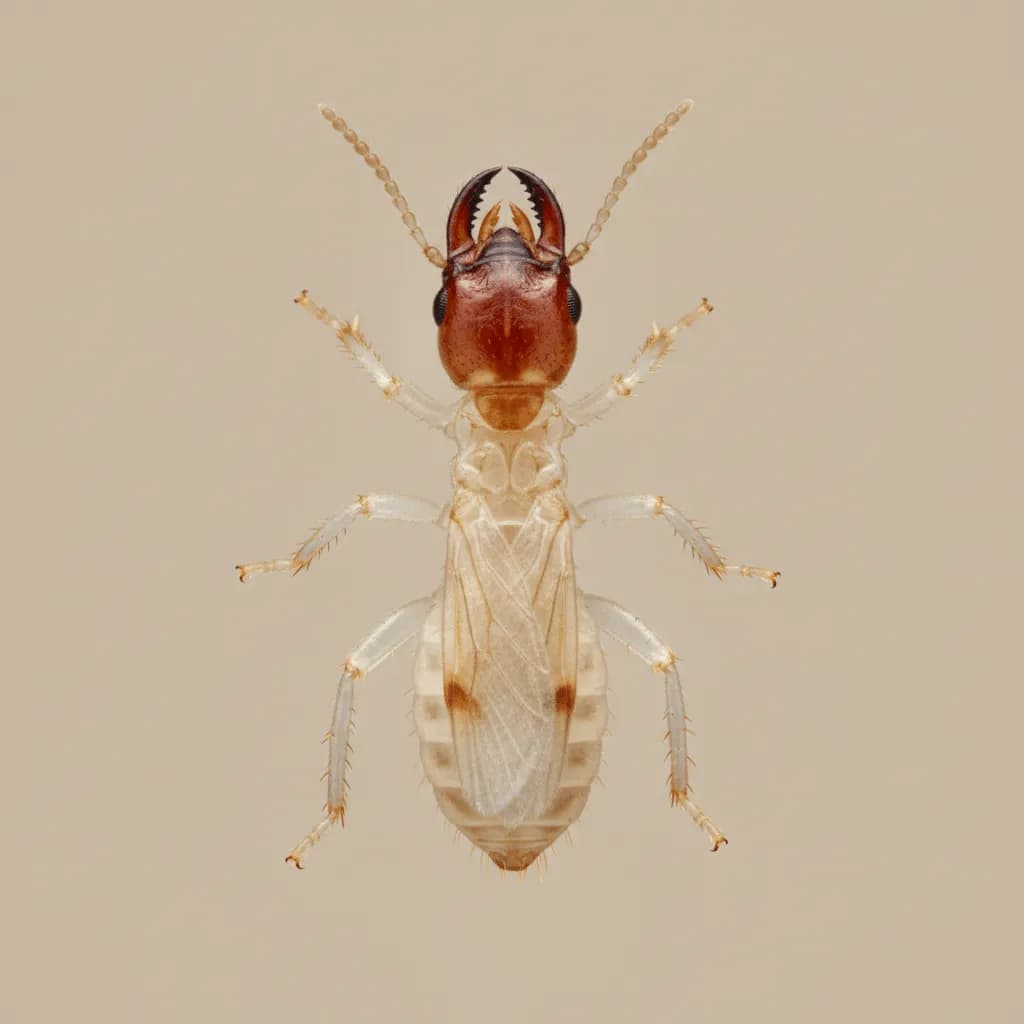
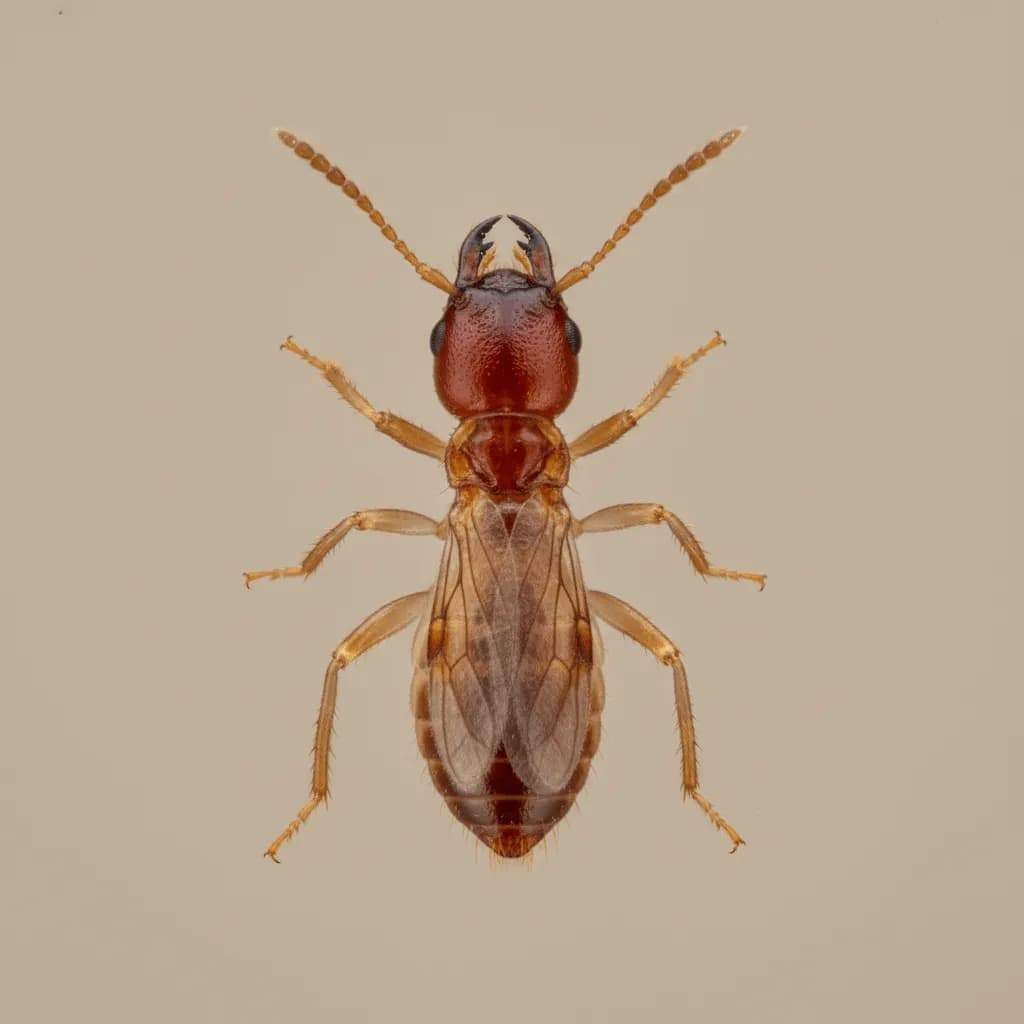
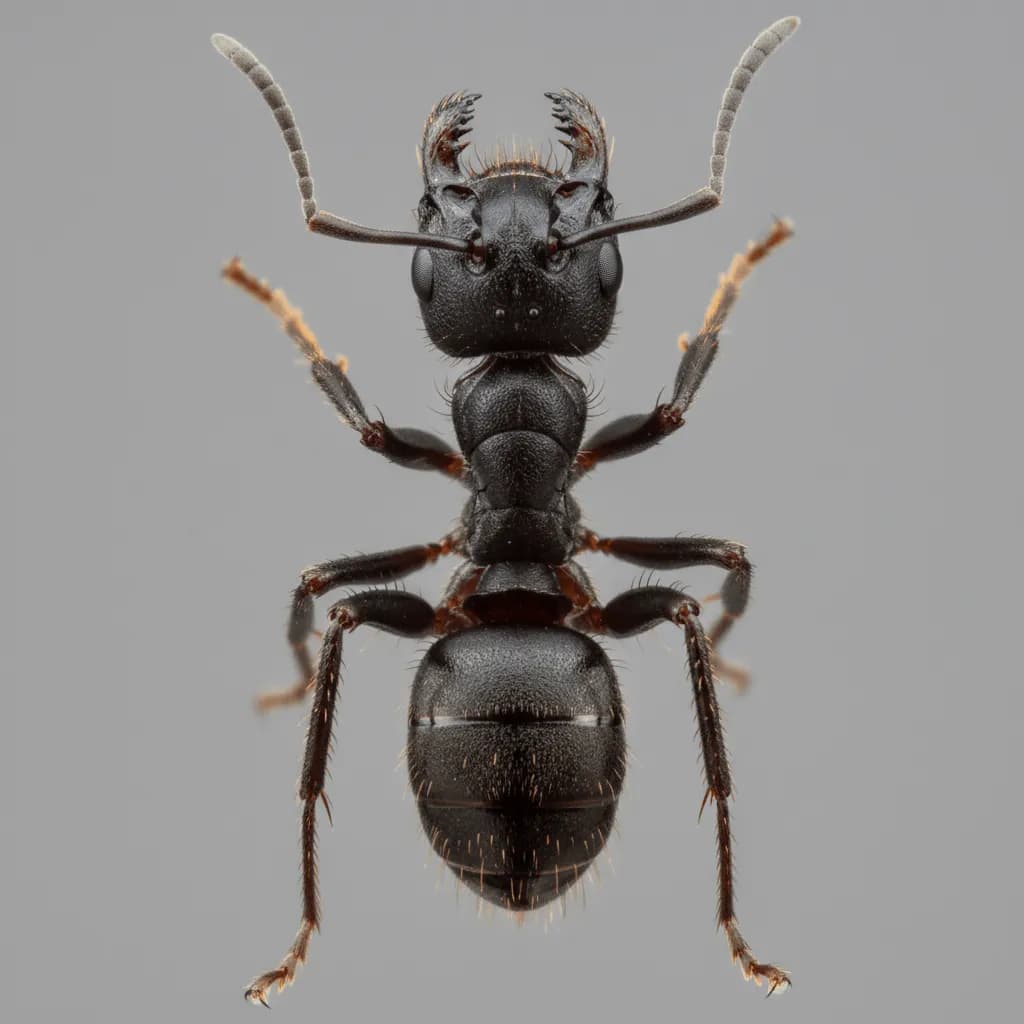
Related Pests
Frequently Asked Questions
How much damage can termites cause?
How can I tell termite swarmers from flying ants?
Do I need a termite inspection when buying a home?
Need Help With Eastern subterranean termite?
If you're seeing signs of eastern subterranean termite in or around your home, professional treatment is the fastest way to stop the problem. Lotus Pest Control offers free inspections to identify the issue and recommend the right solution.
At a Glance
- Category
- Termites
- Scientific Name
- Reticulitermes flavipes
- Size
- 3-4 mm (workers)
- Color
- Workers are pale cream; swarmers are dark brown to black with translucent wings
- Key Trait
- Builds mud tubes on foundation walls; workers are soft-bodied and cream-colored; swarmers have equal-length wings.
- Regions
- Southeast, Northeast, Midwest, Mid Atlantic, South Central
- Threat Level
- Very High
- Risk Types
- structural
- Seasonal Activity
- MarAprMayJunJulAugSepOctNovDecJanFebnonelowmoderatehighpeak