
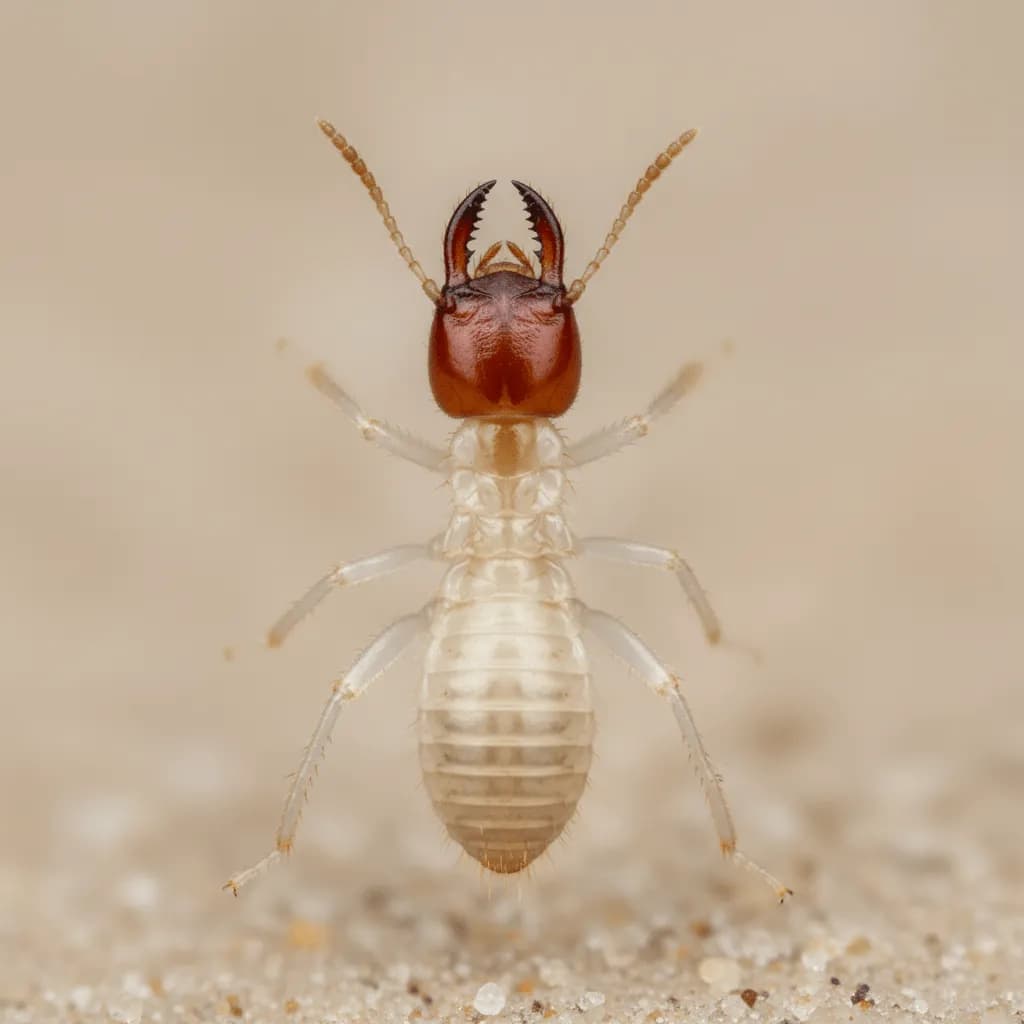
Desert Subterranean Termite
Heterotermes aureus
Also known as: Desert Termite
The Desert Subterranean Termite is the most common structural termite pest in the Sonoran Desert region of the southwestern United States. It is remarkably adapted to extreme heat and aridity, foraging in conditions that would be lethal to most other termite species. It is a major structural pest in Arizona and surrounding desert areas.
Identification
Size
4-5 mm (workers); soldiers with elongated narrow heads
Color
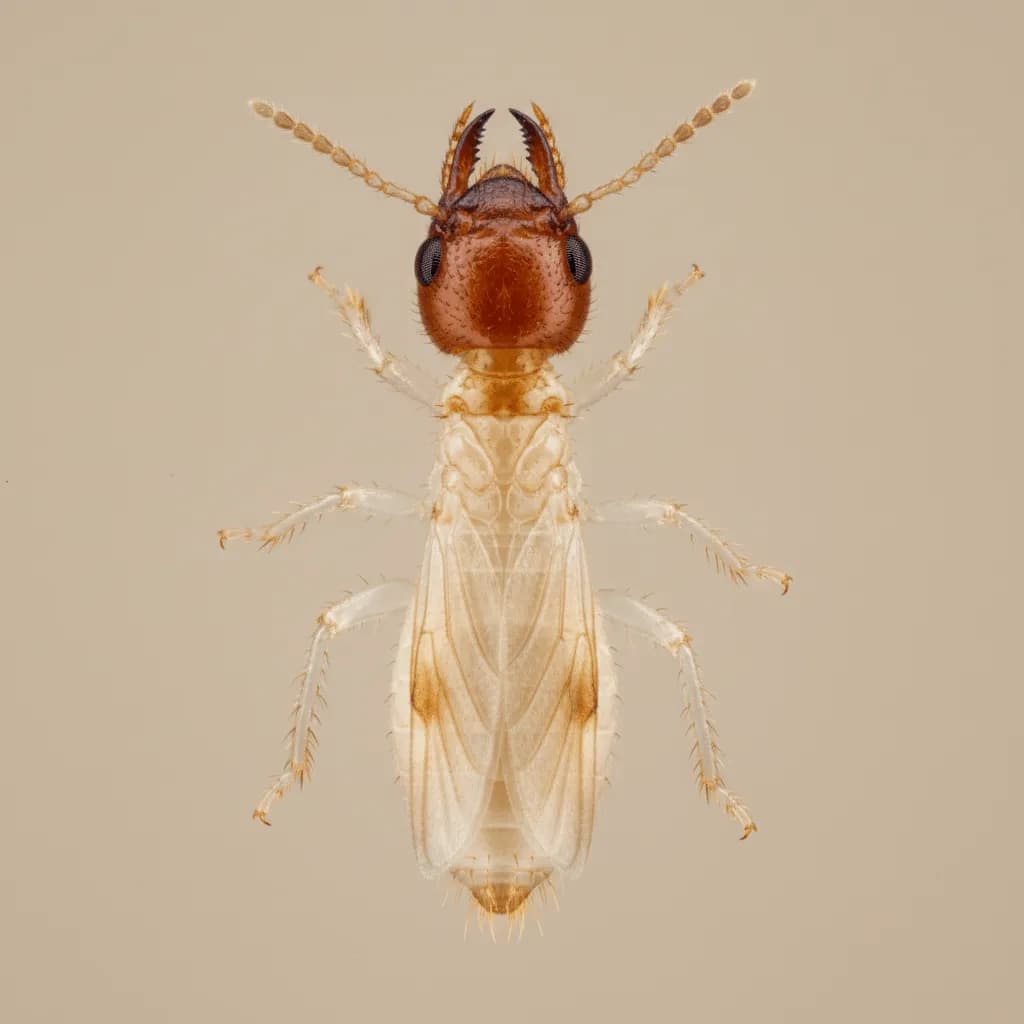
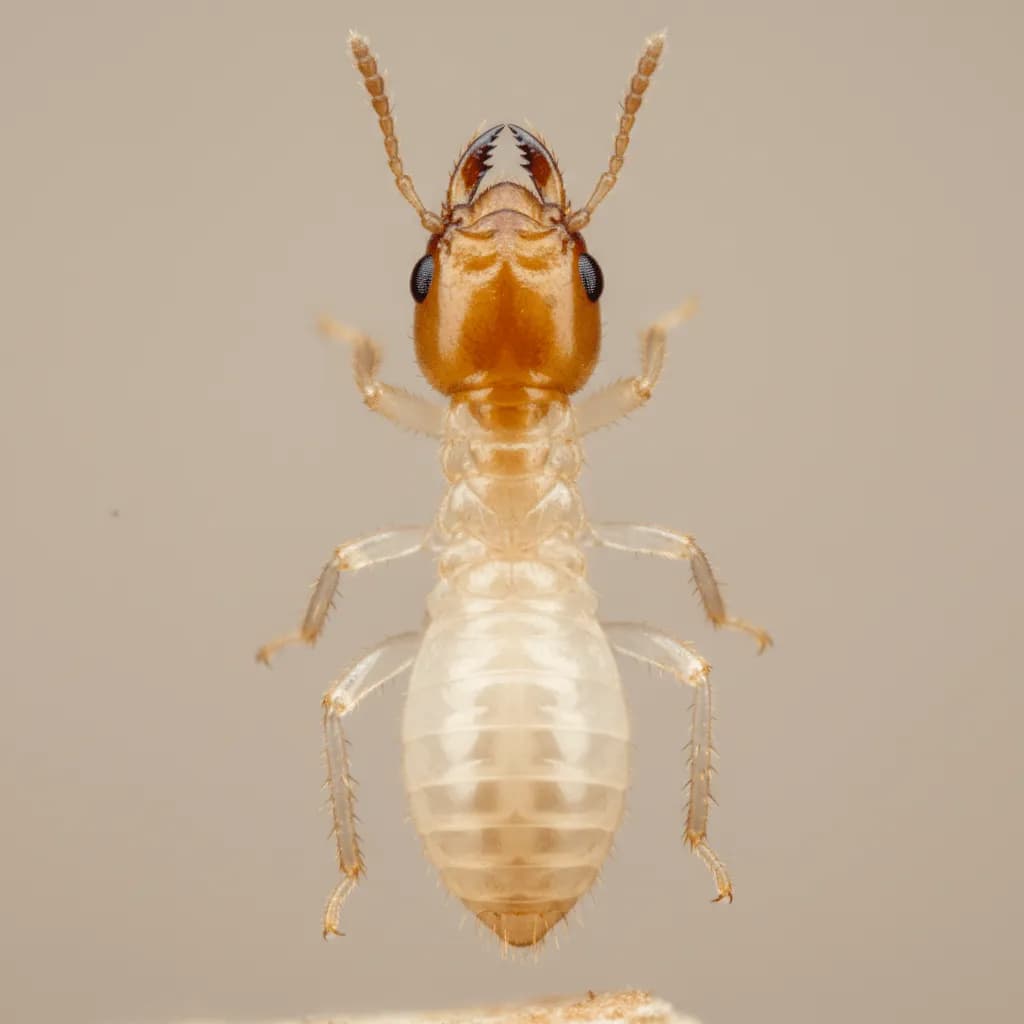
Pale creamy-white workers; soldiers with pale bodies and long, narrow yellowish-brown heads
Key Trait
Adapted to extreme desert conditions; soldiers have distinctly elongated, narrow heads; builds distinctive mud tubes on desert vegetation and structures.
Behavior & Habitat
Forages actively in extremely hot and dry conditions. Builds extensive mud tube networks on structures, fences, and desert vegetation. Colonies can contain over 100,000 individuals and may forage over large areas to locate wood and moisture sources.
Habitat: Desert soils beneath and around structures, dead desert vegetation, wooden fence posts, utility poles, and structural wood. Common in the Sonoran and Chihuahuan desert regions.
Diet: Cellulose from structural wood, dead desert plants and shrubs, wooden fence posts, paper, cardboard, and other plant-based materials.
Signs of Infestation
- Mud tubes on foundation walls, exposed wood, or desert landscaping
- Mud tubes visible on cacti, palo verde trees, and other desert vegetation near the structure
- Swarming activity during summer monsoon season, often at dusk
Risks & Damage
Primary structural termite pest in desert regions of the Southwest; causes extensive damage to homes and commercial buildings.
Prevention Tips
- 1.Remove dead desert vegetation and wood debris from around the structure
- 2.Ensure irrigation systems do not create moisture accumulation near the foundation
- 3.Maintain professional termite monitoring stations around the property
Why DIY Treatment Often Falls Short
Underground colonies are inaccessible to surface treatments, and the termites' ability to forage over large distances in desert soil means they can bypass spot treatments and find alternative entry points.
Professional Treatment
Professionals apply liquid termiticide treatments to the soil around the foundation and install monitoring bait stations. In desert construction, pre-treatment of soil before slab pouring is standard practice. Ongoing monitoring is essential due to the high termite pressure.
Frequently Asked Questions
How do termites survive in the desert?
When do desert termites swarm?
Is my home at risk in Arizona?
Need Help With Desert subterranean termite?
If you're seeing signs of desert subterranean termite in or around your home, professional treatment is the fastest way to stop the problem. Lotus Pest Control offers free inspections to identify the issue and recommend the right solution.
At a Glance
- Category
- Termites
- Scientific Name
- Heterotermes aureus
- Size
- 4-5 mm (workers); soldiers with elongated narrow heads
- Color
- Pale creamy-white workers; soldiers with pale bodies and long, narrow yellowish-brown heads
- Key Trait
- Adapted to extreme desert conditions; soldiers have distinctly elongated, narrow heads; builds distinctive mud tubes on desert vegetation and structures.
- Regions
- Southwest, Mountain West
- Threat Level
- High
- Risk Types
- structural
- Seasonal Activity
- MarAprMayJunJulAugSepOctNovDecJanFebnonelowmoderatehighpeak