
Dampwood Termites
Dampwood termites are large termites that infest wood with high moisture content, typically above 20 percent. They are most common in the Pacific Northwest, Northern California, and Gulf Coast states where rainfall and humidity keep wood consistently wet. Unlike subterranean termites, they do not build mud tubes and do not require soil contact. Colonies are relatively small, usually containing fewer than 10,000 individuals. They most commonly infest wood in contact with soil, leaky roofing and siding, and dead trees and stumps.
Species in This Group (2)
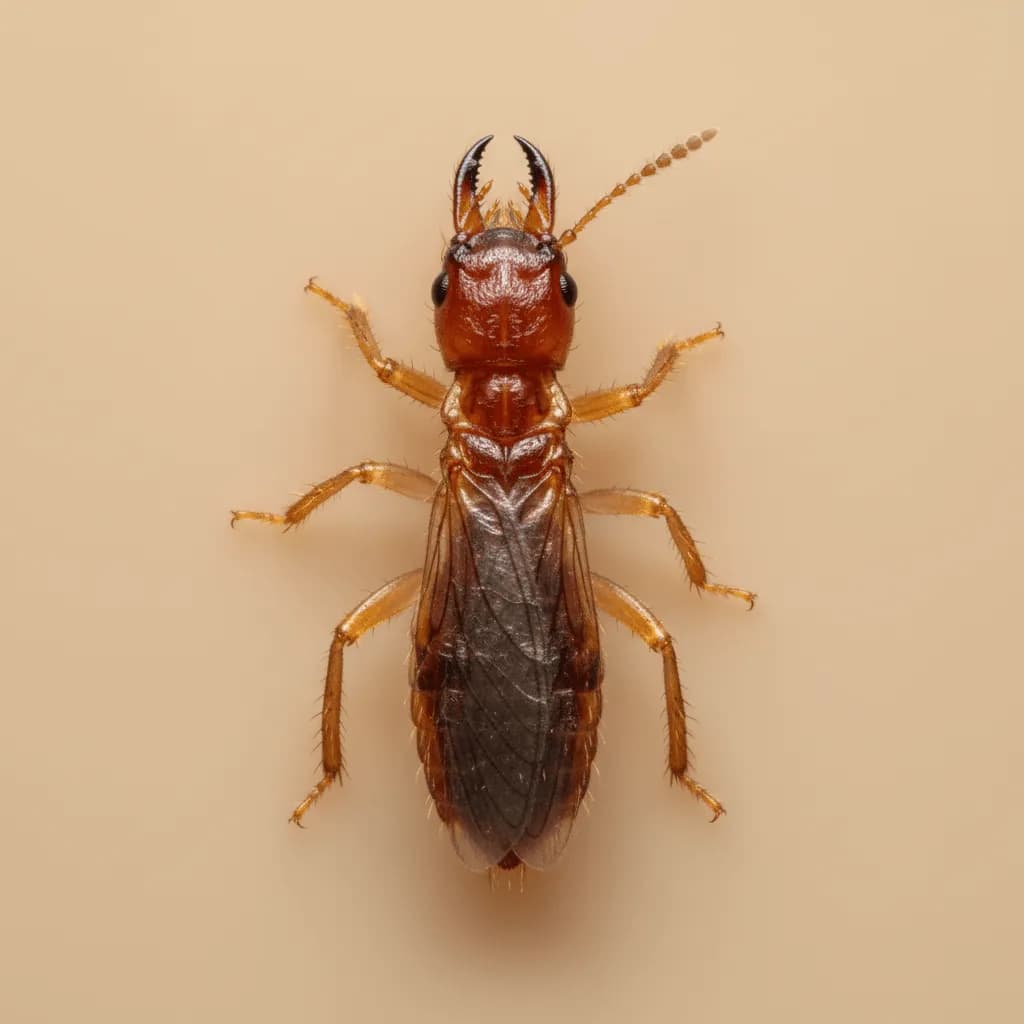
Pacific Dampwood Termite
Zootermopsis angusticollis
The Pacific Dampwood Termite is one of the largest termite species in North America.
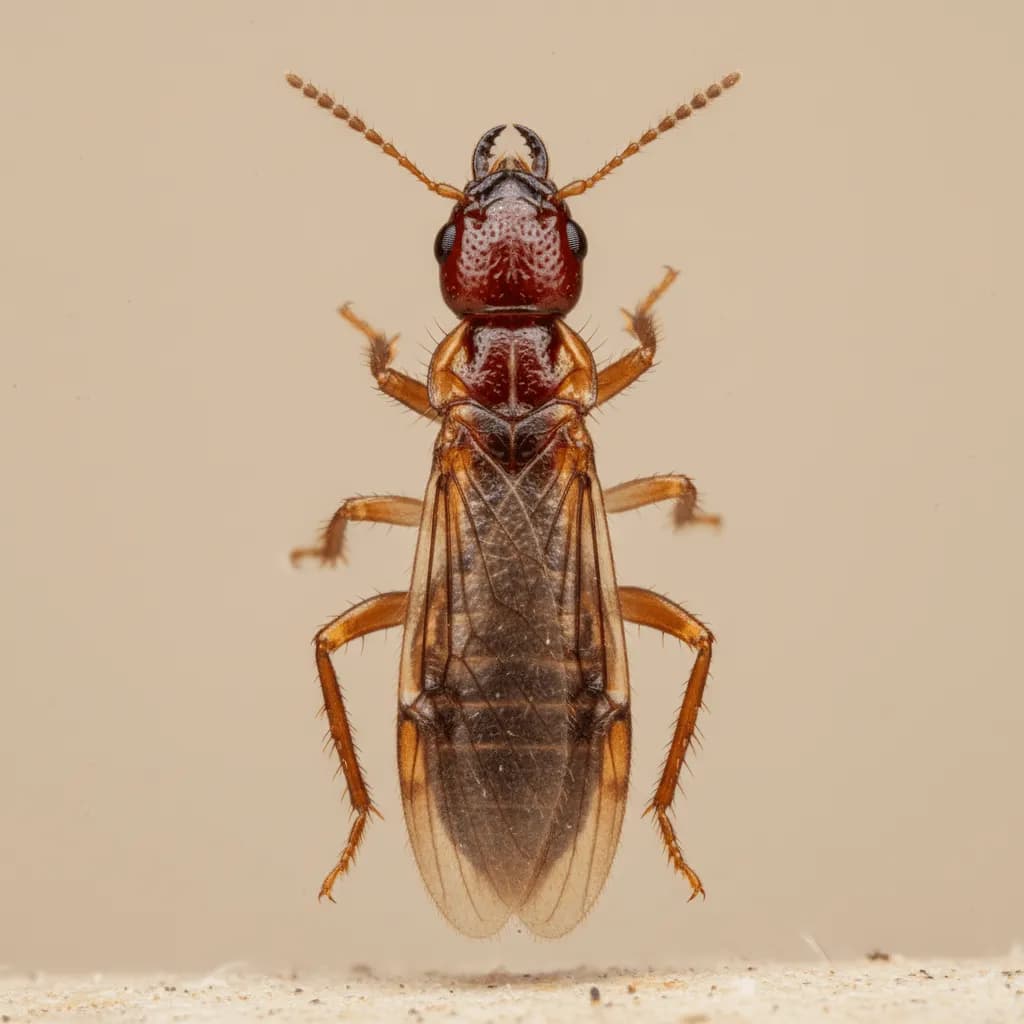
Florida Dampwood Termite
Neotermes castaneus
The Florida Dampwood Termite inhabits tropical and subtropical regions of southern Florida and the Keys.
Key Behaviors
Dampwood termites require wood with high moisture content and will not infest properly dried or treated wood. They conceal their galleries by plastering them with fecal material, creating smooth-walled tunnels. They do not produce the characteristic pellets of drywood termites. Swarming occurs in late summer and fall evenings, with swarmers attracted to lights.
Risks & Concerns
Dampwood termites indicate and exacerbate moisture problems in structures. While their colony sizes are smaller than subterranean termites, the moisture conditions they require promote wood decay fungi that accelerate structural deterioration. Infestations in roof timbers, deck posts, and sill plates can go undetected until significant rot has occurred. Eliminating the moisture source is essential for long-term control.
Quick Comparison
| Species | Size | Color | Key Trait |
|---|---|---|---|
| Pacific Dampwood Termite | 15-20 mm (swarmers - among the largest US termites) | Swarmers are large and brown; workers are cream with large heads | Very large body size; infests wet, decaying wood; does not build mud tubes or require soil contact. |
| Florida Dampwood Termite | 10-14 mm (swarmers) | Swarmers are reddish-brown; soldiers have large orange-brown heads | Found in tropical south Florida; infests moist wood in buildings near the coast. |
Need Help With Dampwood termites?
If you're seeing signs of dampwood termites in or around your home, professional treatment is the fastest way to stop the problem. Lotus Pest Control offers free inspections to identify the issue and recommend the right solution.