
Feral Cats
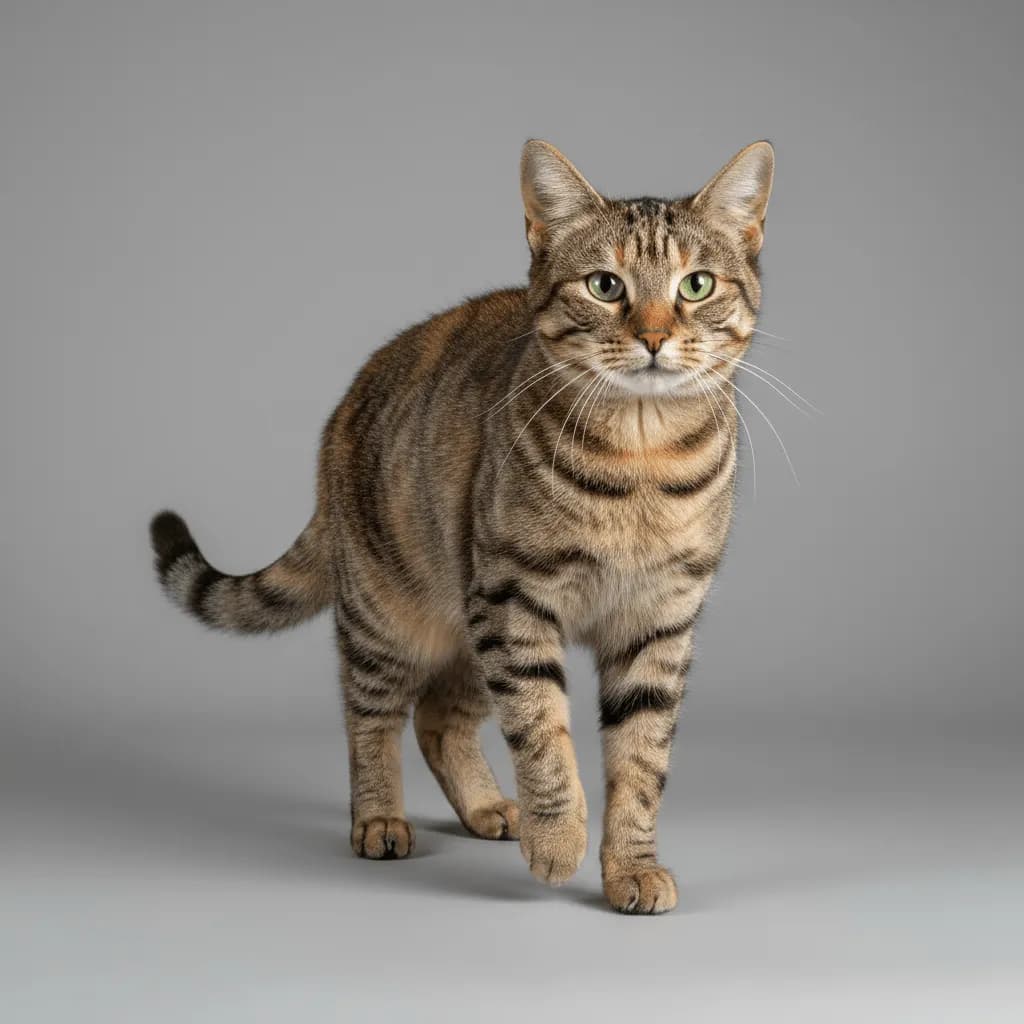
Feral cats are unowned, free-roaming domestic cats that have reverted to a wild state. They form colonies near food sources including dumpsters, feeding stations, and areas with rodent populations. Feral cat colonies create sanitation concerns from accumulated feces, spray marking, and food debris. They are a significant predator of native wildlife, particularly birds and small mammals. Their loud nocturnal vocalizations, fighting, and spraying create quality-of-life impacts for nearby residents. Management is complicated by strong public opinions regarding trap-neuter-return programs versus removal.
Species in This Group (1)
Key Behaviors
Feral cats are territorial, nocturnal hunters that form loose colonies near reliable food sources. Unneutered males spray pungent urine to mark territory and fight aggressively during mating season. Females can produce two to three litters per year with four to six kittens per litter. They hunt birds, rodents, lizards, and insects. They shelter under structures, in abandoned buildings, and in dense vegetation. Colonies can grow rapidly without management intervention.
Risks & Concerns
Feral cats are reservoirs for rabies, toxoplasmosis, cat scratch disease, and feline immunodeficiency virus. Their feces contaminate sandboxes, gardens, and children's play areas with Toxoplasma gondii. They are a leading cause of bird and small mammal mortality. Spraying and vocalizations create nuisance impacts. Their presence attracts fleas, ticks, and other parasites to properties. Management approaches vary by jurisdiction and community preference.
Need Help With Feral cats?
If you're seeing signs of feral cats in or around your home, professional treatment is the fastest way to stop the problem. Lotus Pest Control offers free inspections to identify the issue and recommend the right solution.