
Wildlife & Nuisance Animal
Wildlife and nuisance animals - including squirrels, raccoons, opossums, skunks, bats, birds, and groundhogs - frequently come into conflict with homeowners when they take up residence in attics, crawl spaces, chimneys, and other parts of structures. These animals are attracted to the shelter, warmth, and food sources that homes and yards provide. Unlike insects, wildlife management is heavily regulated by federal and state laws, including the Migratory Bird Treaty Act and various state wildlife codes. Humane exclusion and habitat modification are the primary management strategies, and most situations require a licensed wildlife control professional.
Species Covered
28
Species Groups
18
Common Traits
Nuisance wildlife species share an ability to exploit human-made structures for nesting, denning, and shelter. Most are opportunistic feeders attracted to garbage, pet food, bird feeders, gardens, and compost. Many are nocturnal or crepuscular, so homeowners often hear them - scratching, thumping, or vocalizing - before they see them.
Species in This Category
Squirrels
3 species
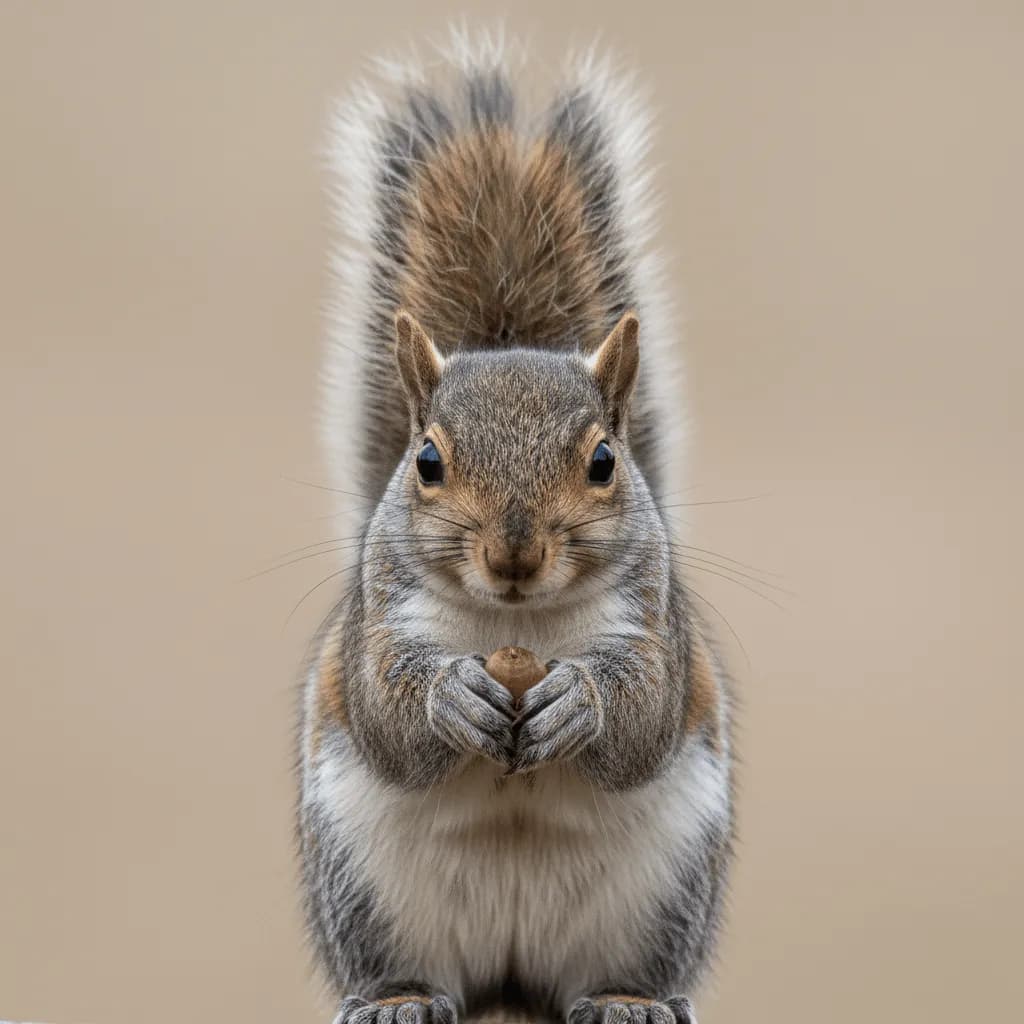
Squirrels are one of the most common wildlife nuisance species, frequently entering attics, soffits, and wall voids to nest and raise young.
Raccoons
1 species
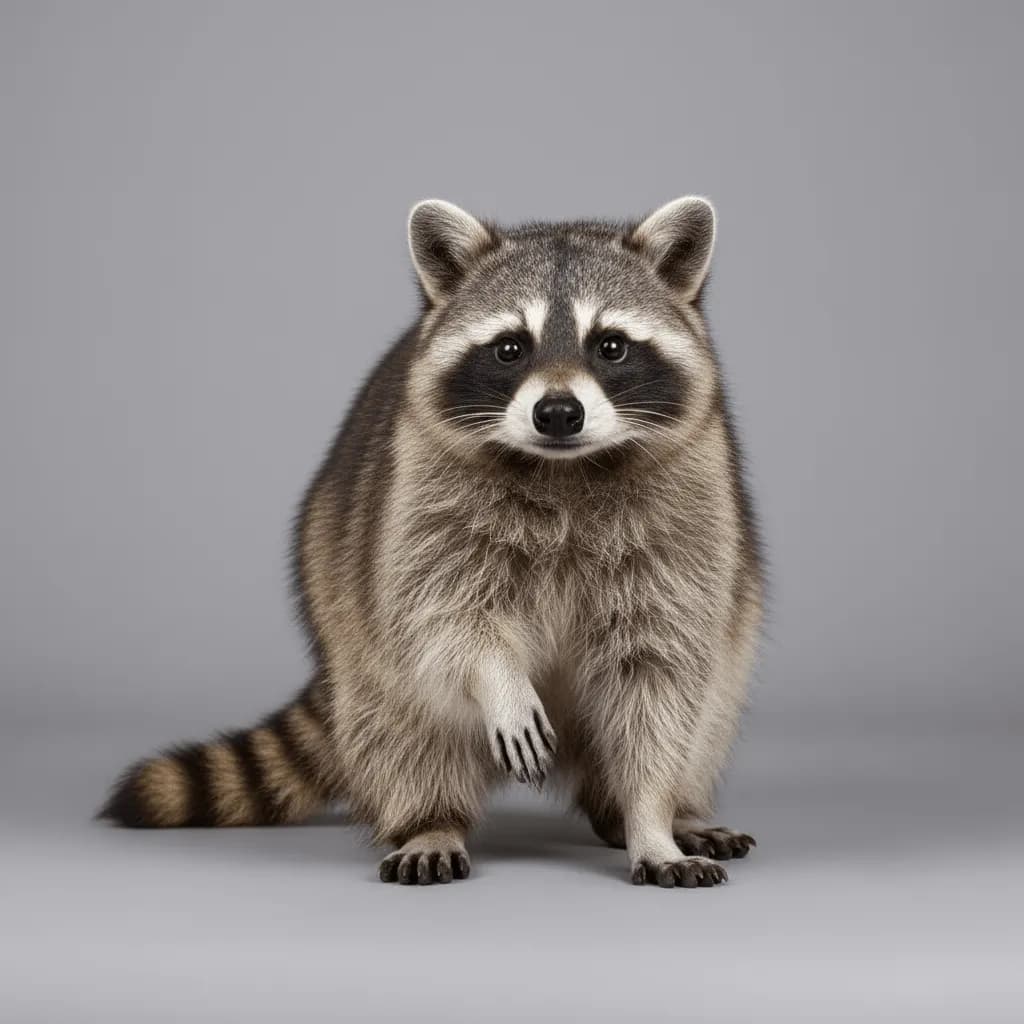
Raccoons are highly intelligent, adaptable mammals that thrive in suburban and urban environments.
Opossums
1 species
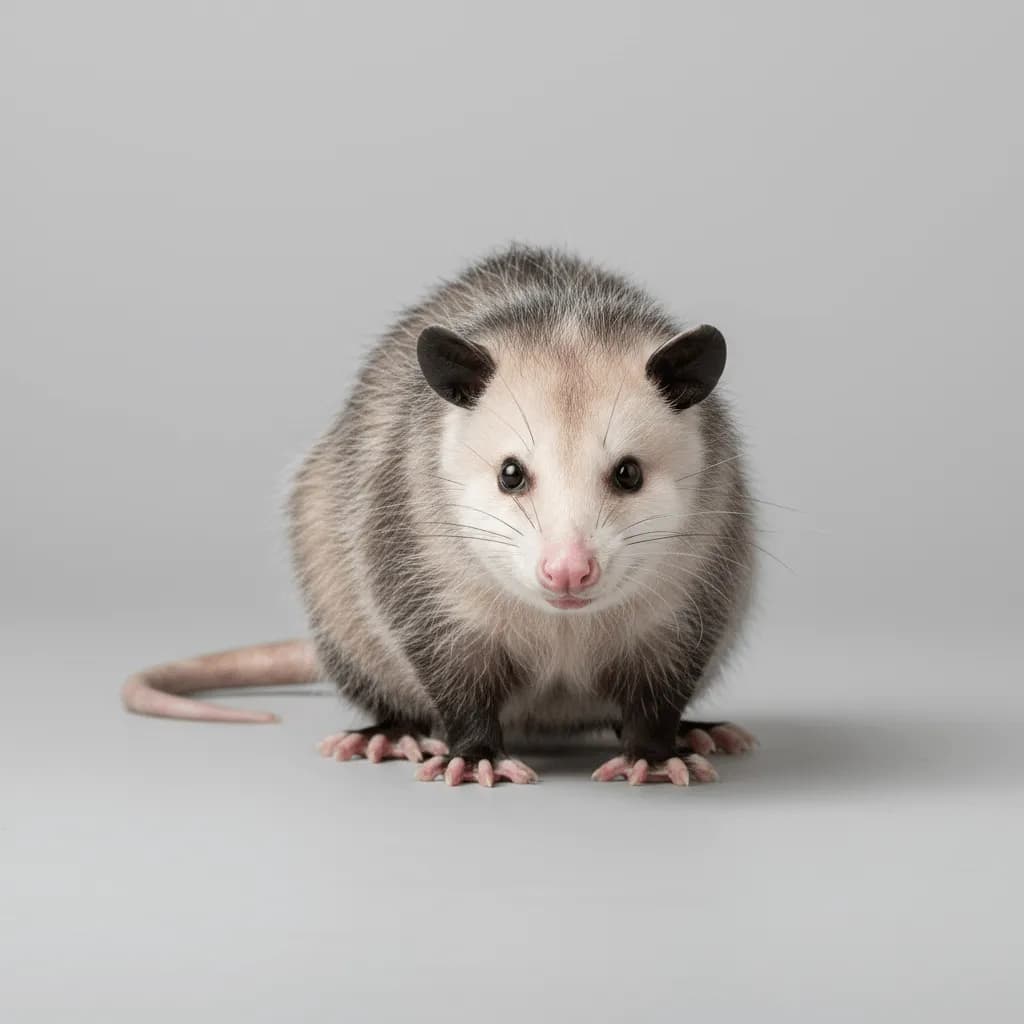
Opossums are North America's only marsupial and are common suburban wildlife that den under decks, porches, sheds, and in crawl spaces.
Skunks
2 species
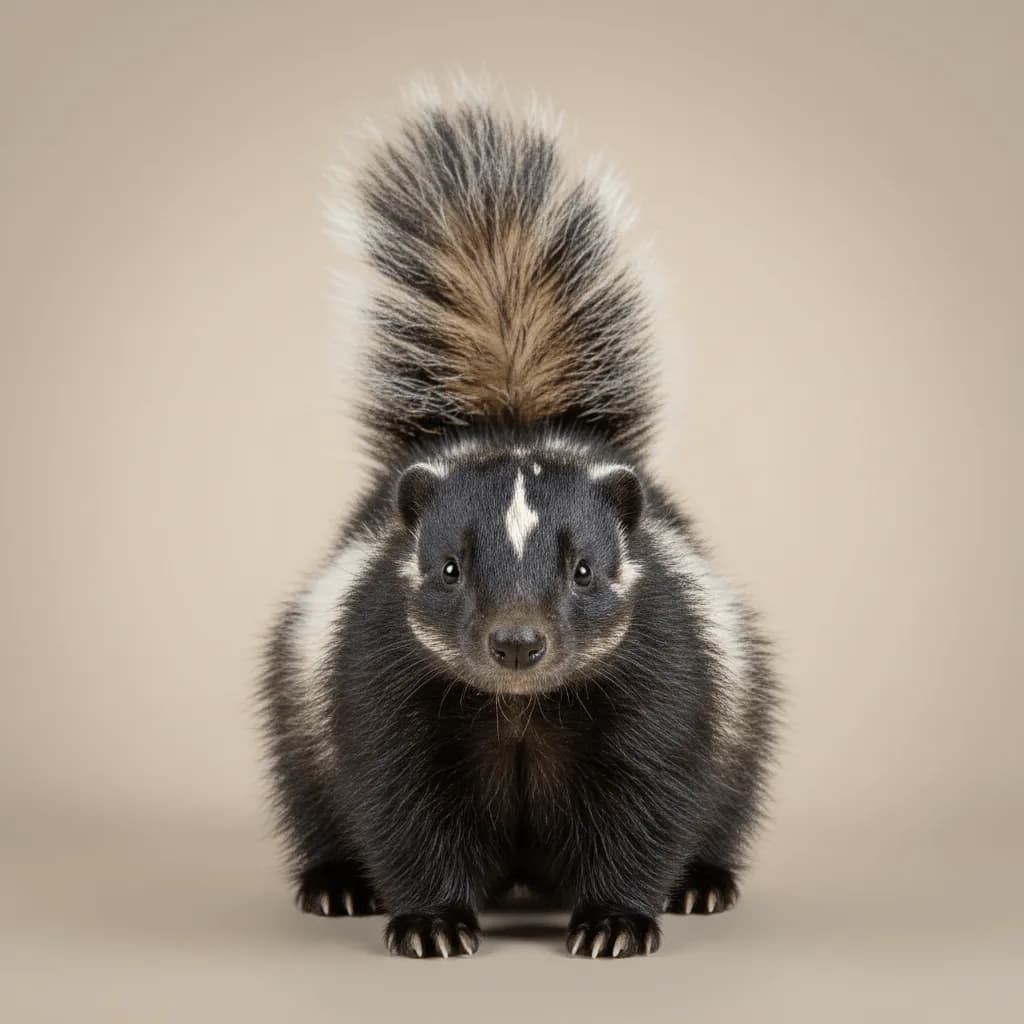
Skunks are nocturnal mammals famous for their potent defensive spray, which can be detected from over a mile downwind and causes temporary blindness and intense nausea at close range.
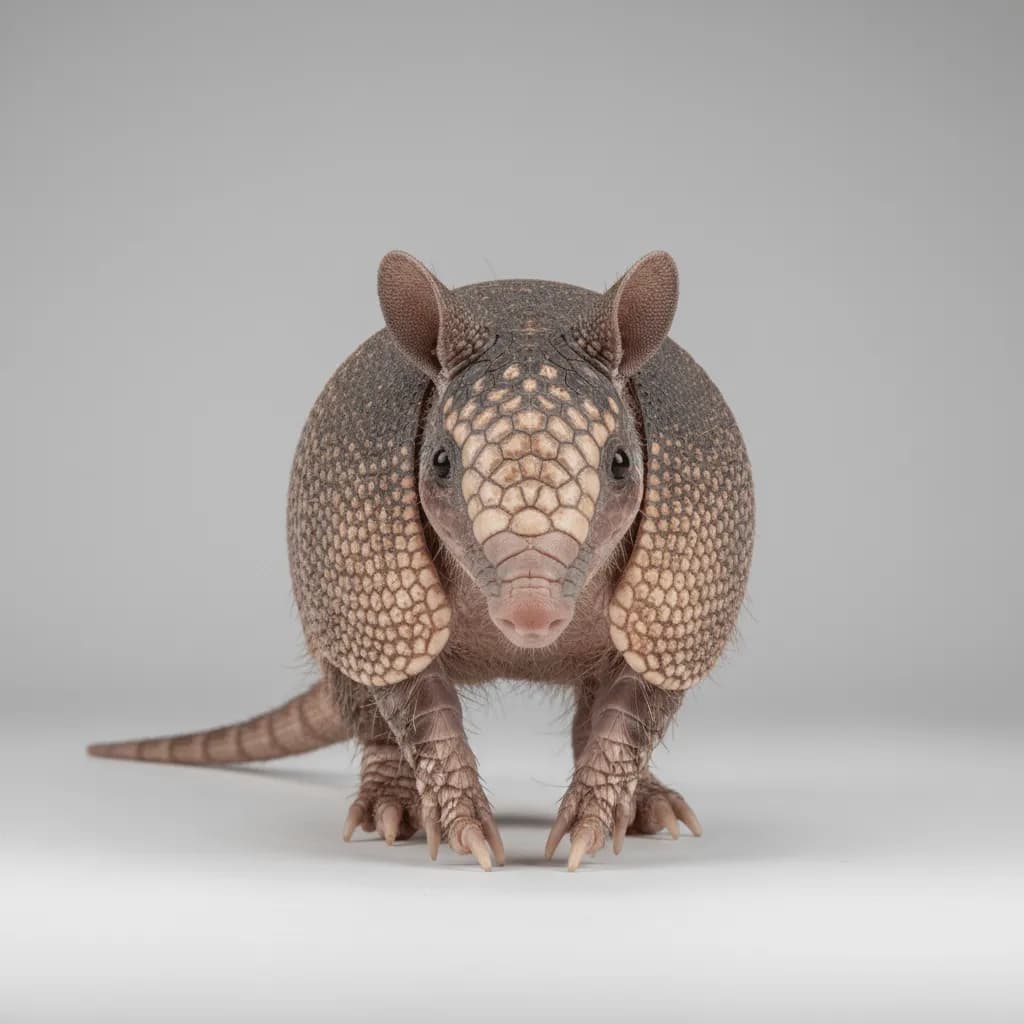
Armadillos
1 species
Armadillos are armored, burrowing mammals that have expanded their range northward across the southeastern United States over the past century.
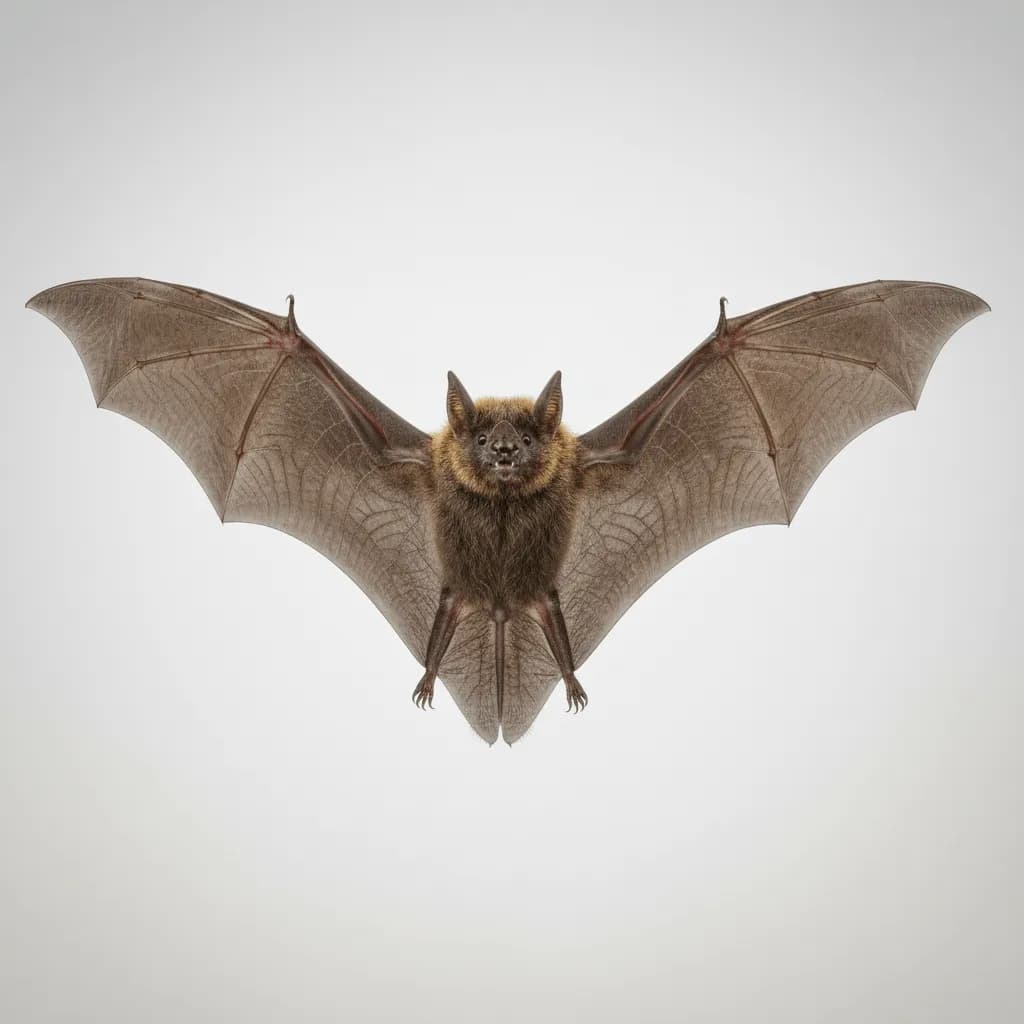
Bats
3 species
Bats are the only mammals capable of true flight and are among the most beneficial wildlife species due to their voracious consumption of night-flying insects, including mosquitoes and agricultural pests.
Birds
4 species
Several bird species are considered structural pests when they nest in or on buildings, contaminate areas with droppings, and create fire hazards by nesting in vents and equipment.
Snakes
5 species
Snakes are limbless reptiles that frequently generate pest control service calls due to widespread fear, even though the vast majority of species are harmless and beneficial predators of rodents and insects.
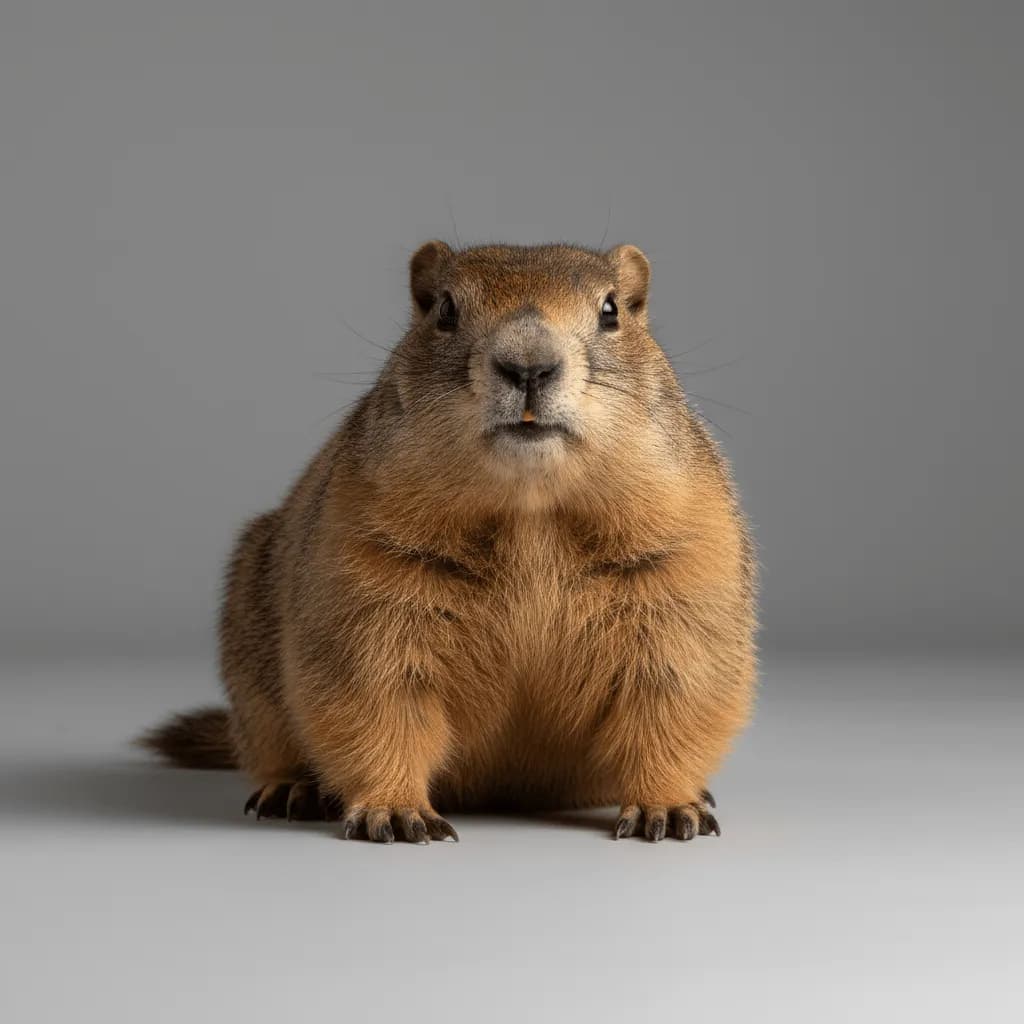
Groundhogs
1 species
Groundhogs, also called woodchucks, are large, burrowing rodents in the marmot family that are a significant nuisance in suburban and agricultural areas of the eastern United States.
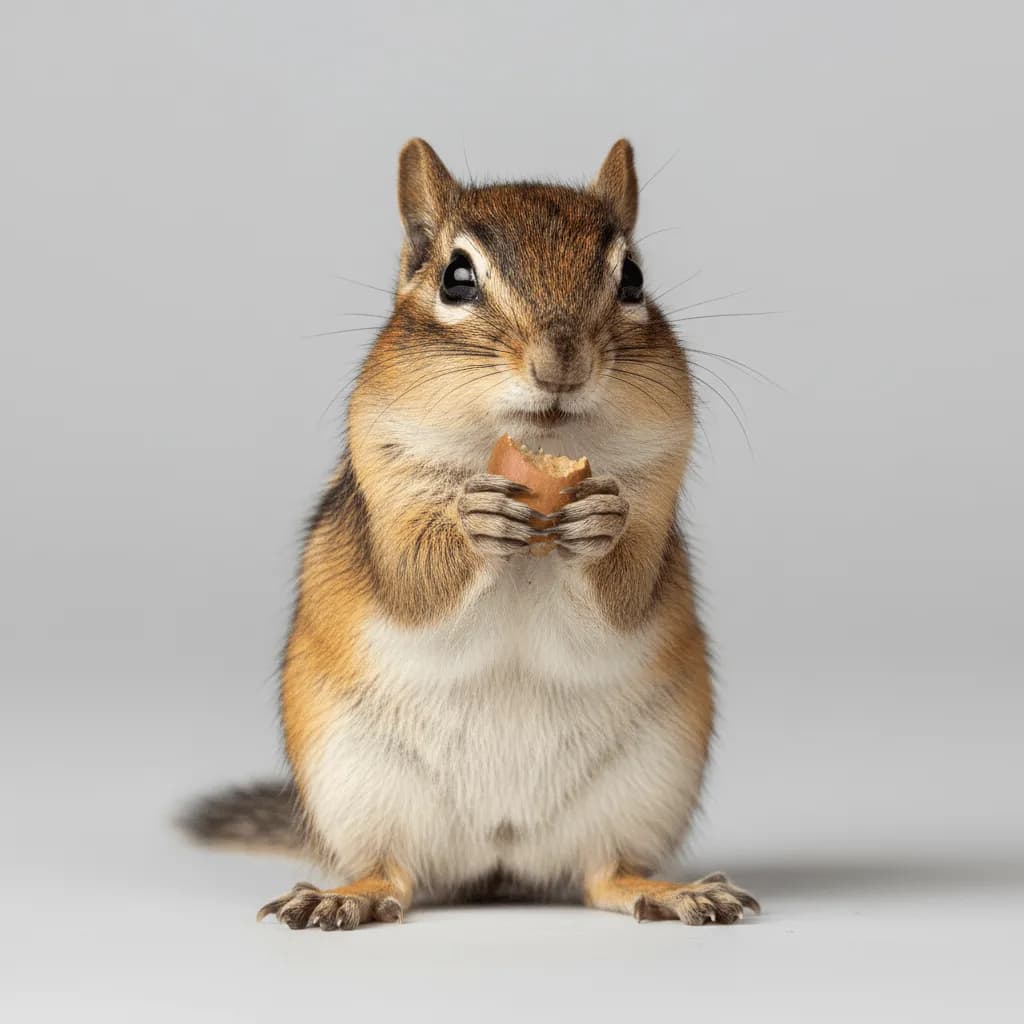
Chipmunks
2 species
Chipmunks are small, striped ground squirrels that are a common suburban wildlife nuisance in the eastern and central United States.
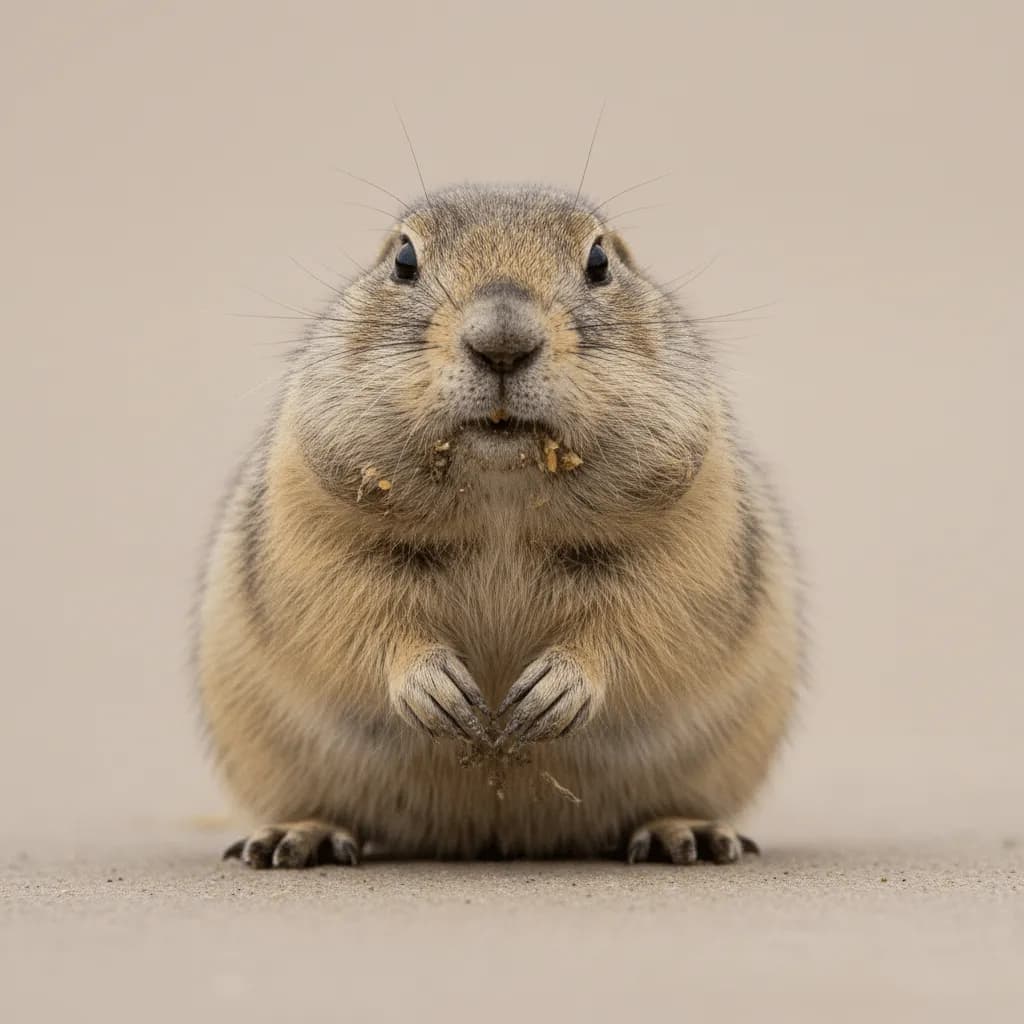
Gophers
2 species
Pocket gophers are medium-sized, burrowing rodents found primarily in the western and central United States that cause extensive damage to lawns, gardens, and agricultural land.
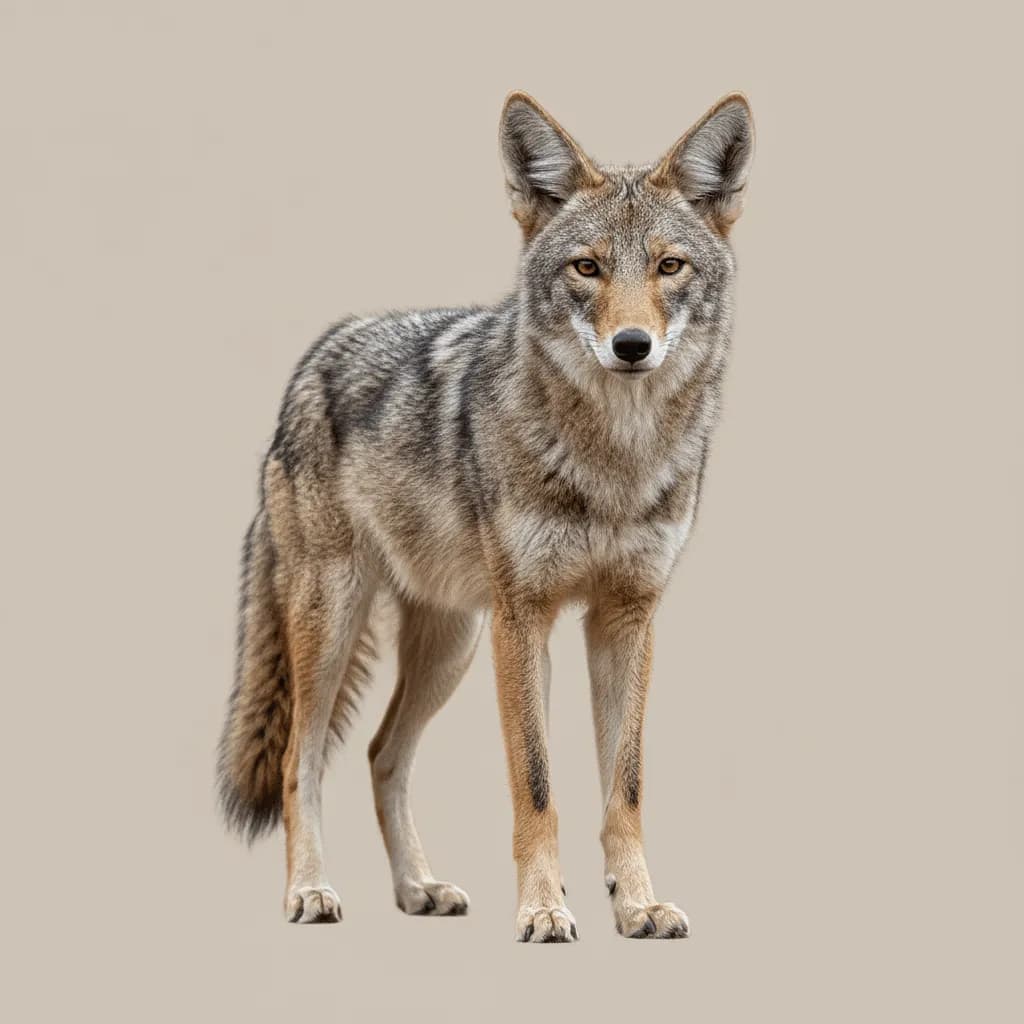
Coyotes
1 species
Coyotes are highly adaptable canids that have expanded their range to every state in the continental United States and are increasingly common in suburban and urban areas.
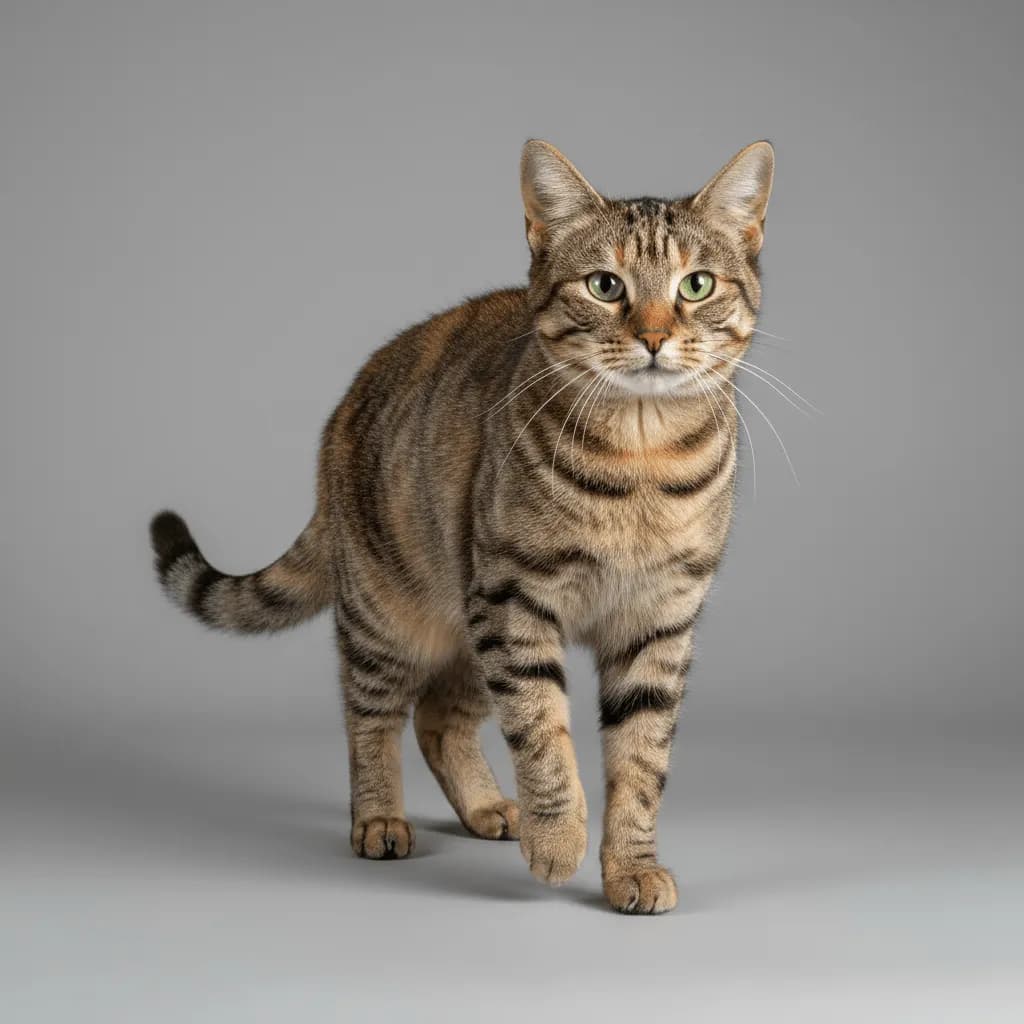
Feral Cats
1 species
Feral cats are unowned, free-roaming domestic cats that have reverted to a wild state.
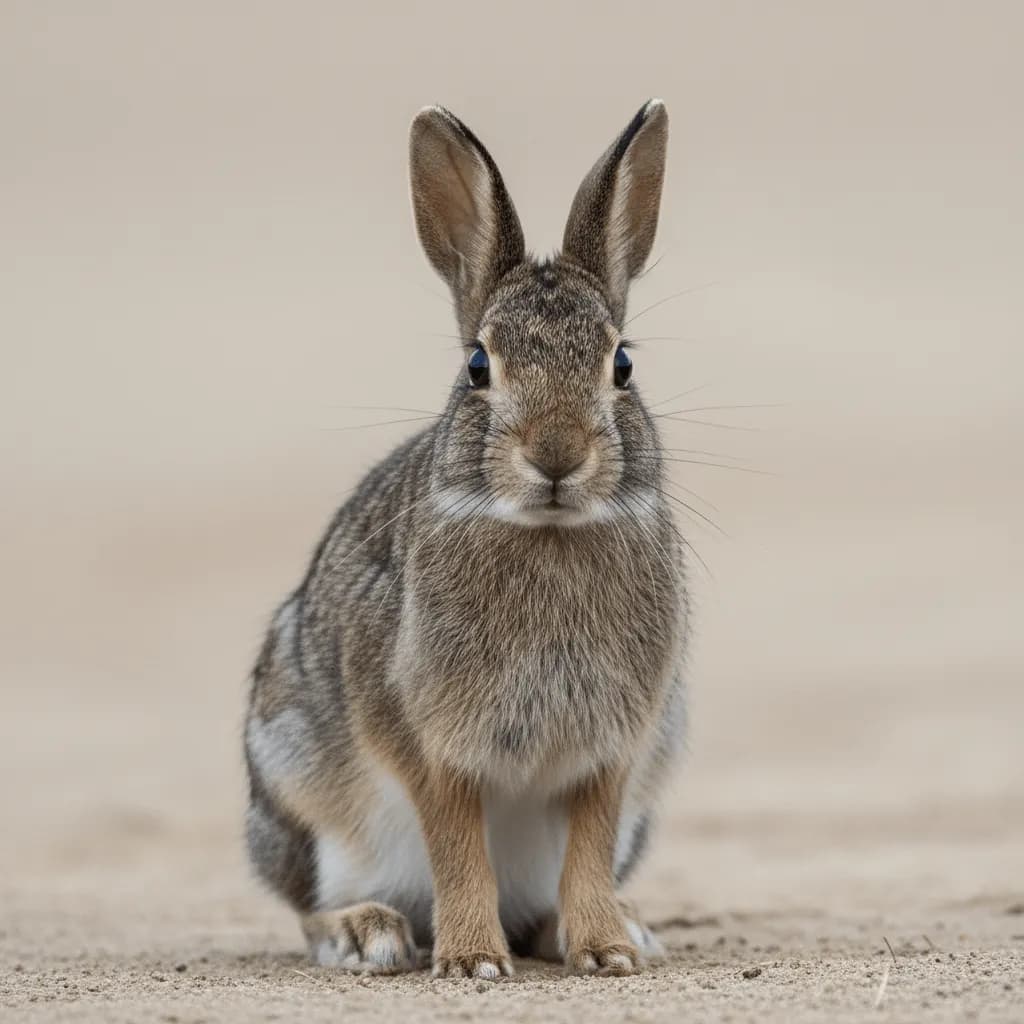
Rabbits
2 species
The Eastern Cottontail is the most common rabbit in North America and a major garden and landscape pest.
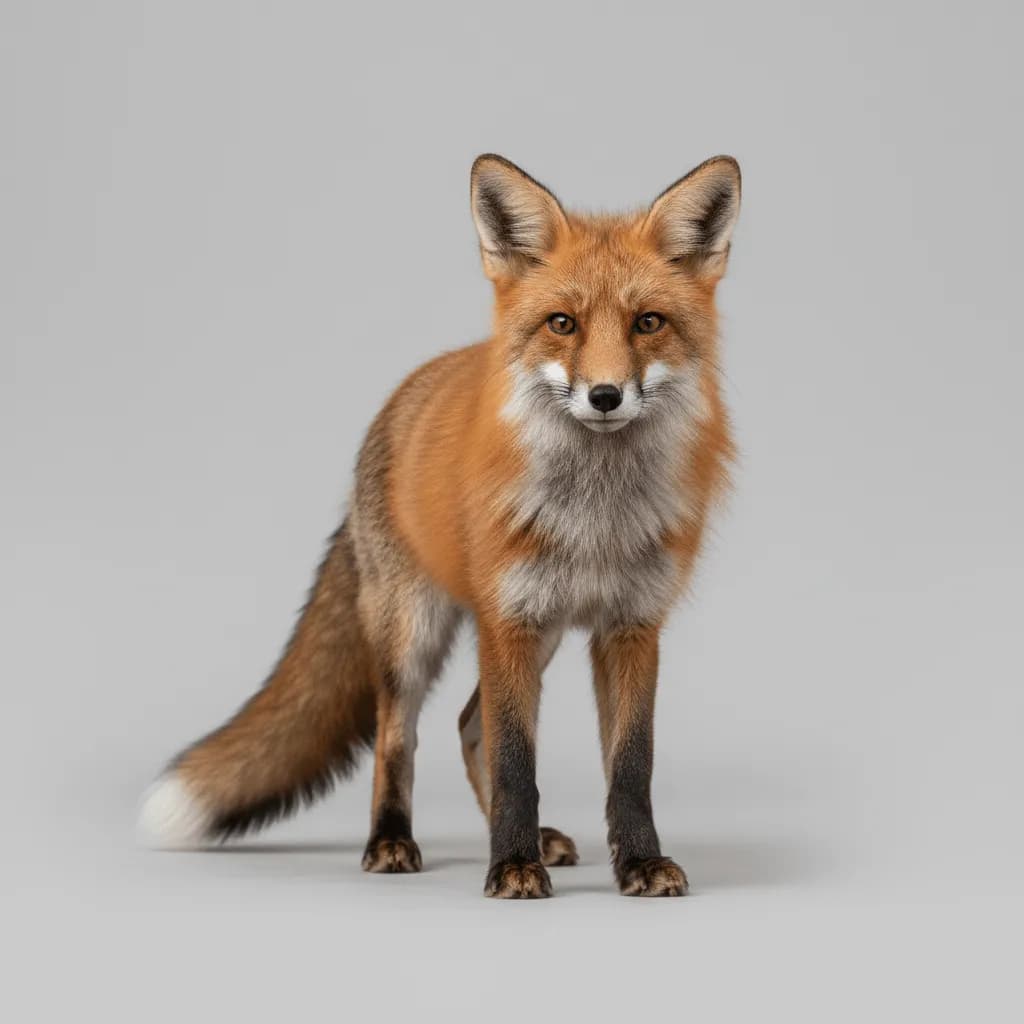
Foxes
2 species
The Red Fox is the most widely distributed wild carnivore on Earth and is increasingly common in suburban and urban environments.
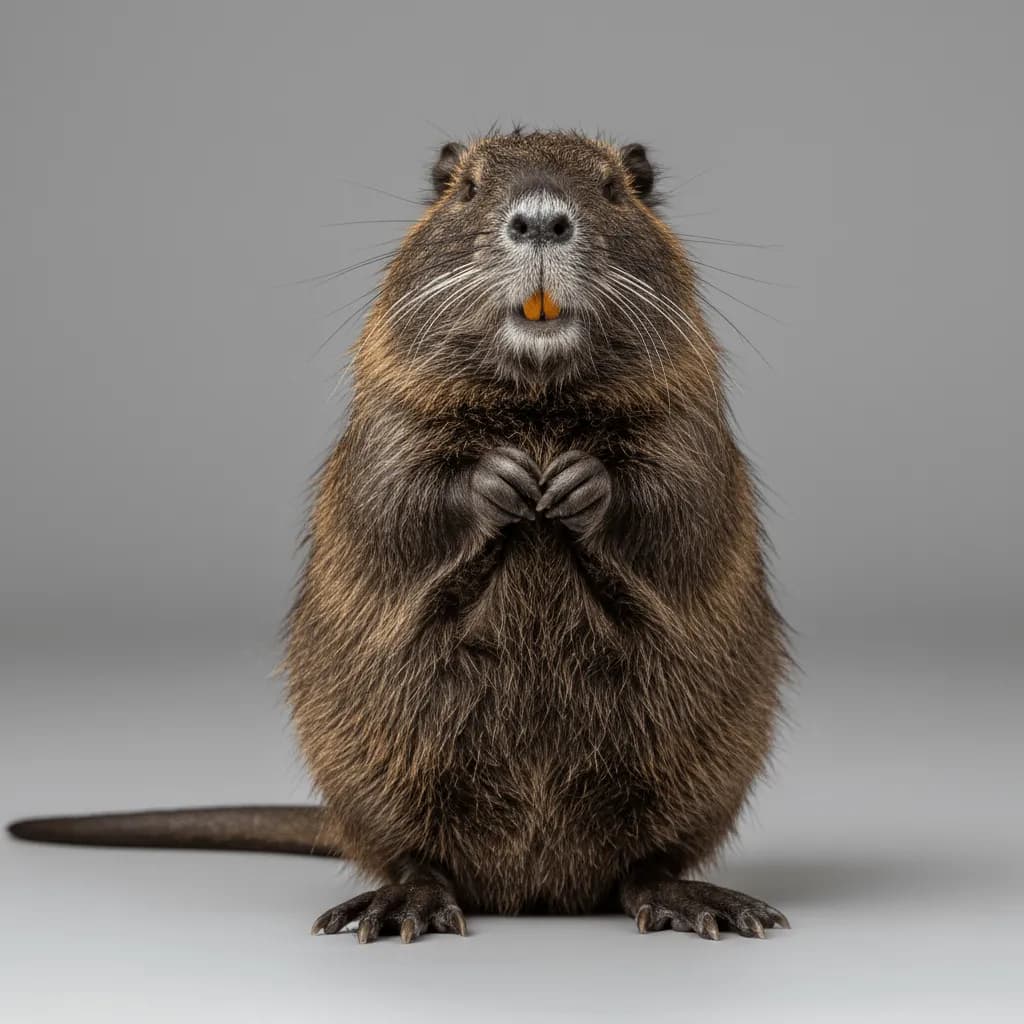
Nutria
1 species
Nutria are large, invasive, semi-aquatic rodents originally from South America that cause devastating damage to wetland ecosystems, levees, and agricultural areas in the Gulf Coast states and beyond.
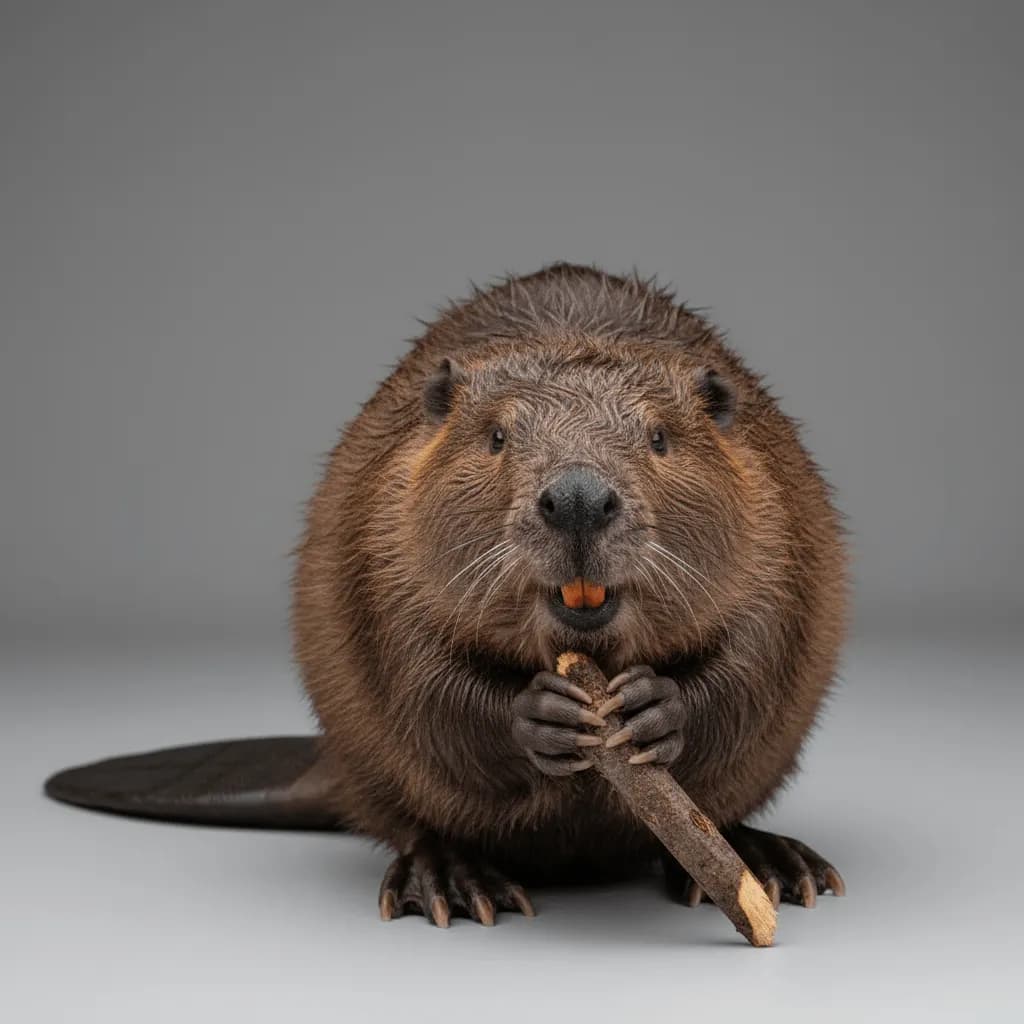
Beavers
1 species
The Beaver is the largest rodent in North America and a keystone species that dramatically reshapes landscapes through dam building.
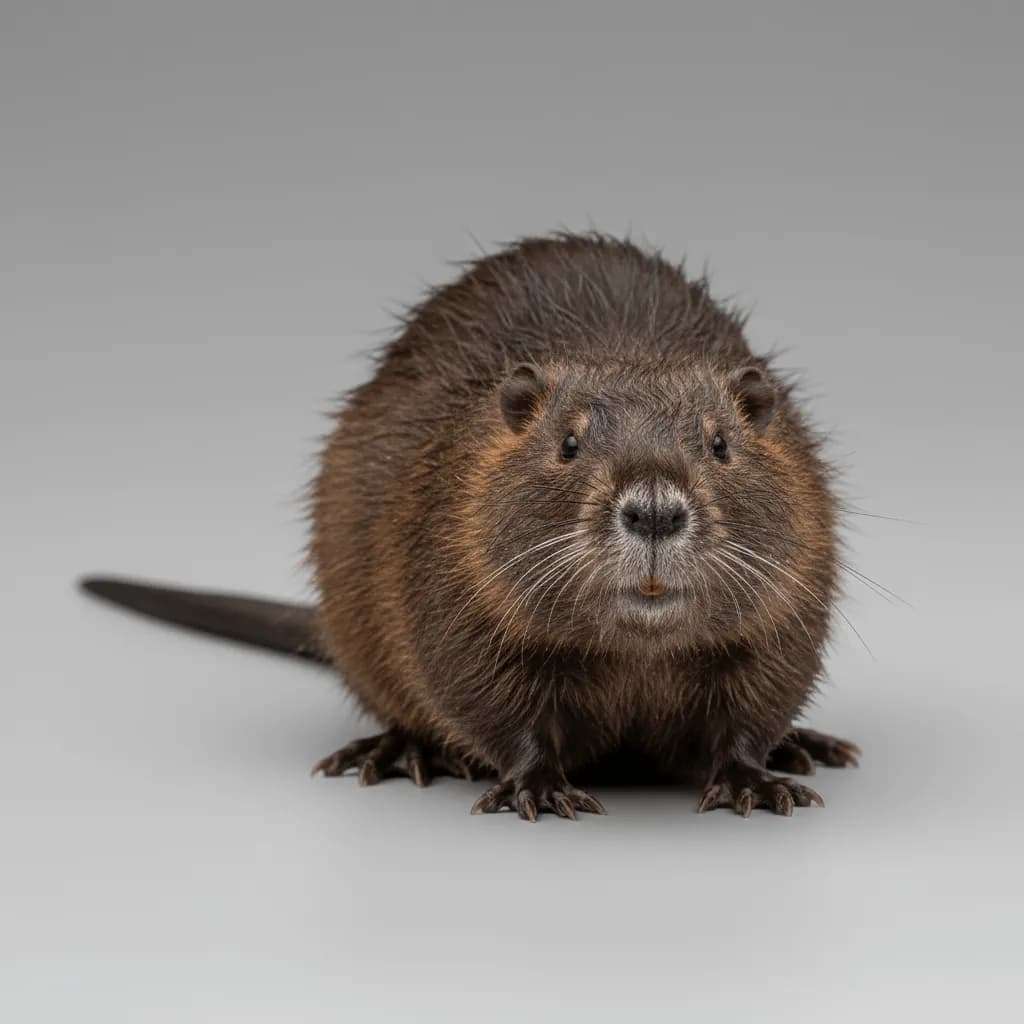
Muskrats
1 species
The Muskrat is a native semi-aquatic rodent found in wetlands, ponds, and waterways across North America.
All Wildlife & Nuisance Animal
Signs of Infestation
- Scratching, thumping, scurrying, or vocal sounds in attics, walls, or chimneys
- Visible damage to soffit vents, roof edges, fascia boards, or gable screens
- Droppings of varying sizes found in attics, near entry points, or around the yard
- Torn garbage bags, overturned cans, or raided bird feeders and pet food bowls
- Foul odors from urine, droppings, or a deceased animal inside a wall void or attic
- Tracks, trails, or digging around the foundation, in mulch beds, or across lawns
Prevention
Wildlife prevention centers on exclusion - physically blocking access to attics, crawl spaces, chimneys, and other vulnerable areas using heavy-gauge hardware cloth, metal flashing, and chimney caps. Removing attractants like unsecured garbage, fallen fruit, and open pet food also reduces the likelihood of animals establishing themselves on your property. Trimming tree branches that overhang the roofline eliminates bridge access for squirrels and raccoons.
Frequently Asked Questions
What should I do if I find a wild animal in my attic?
Is it legal to trap and relocate wildlife on my own?
How do I keep raccoons out of my garbage?
Are bats in my home dangerous?
What damage can squirrels do inside an attic?
When is the best time to seal out wildlife?
Need Help With Wildlife & nuisance animal?
If you're seeing signs of wildlife & nuisance animal in or around your home, professional treatment is the fastest way to stop the problem. Lotus Pest Control offers free inspections to identify the issue and recommend the right solution.