
Chipmunks
Chipmunks are small, striped ground squirrels that are a common suburban wildlife nuisance in the eastern and central United States. The eastern chipmunk is the most commonly encountered species. They dig extensive burrow systems in lawns, gardens, and landscaping beds, with entrance holes near foundations, retaining walls, and sidewalks. While individually small, high populations can undermine patios, steps, and retaining walls through their collective digging. They also raid bird feeders, garden crops, and flower bulbs.
Species in This Group (2)
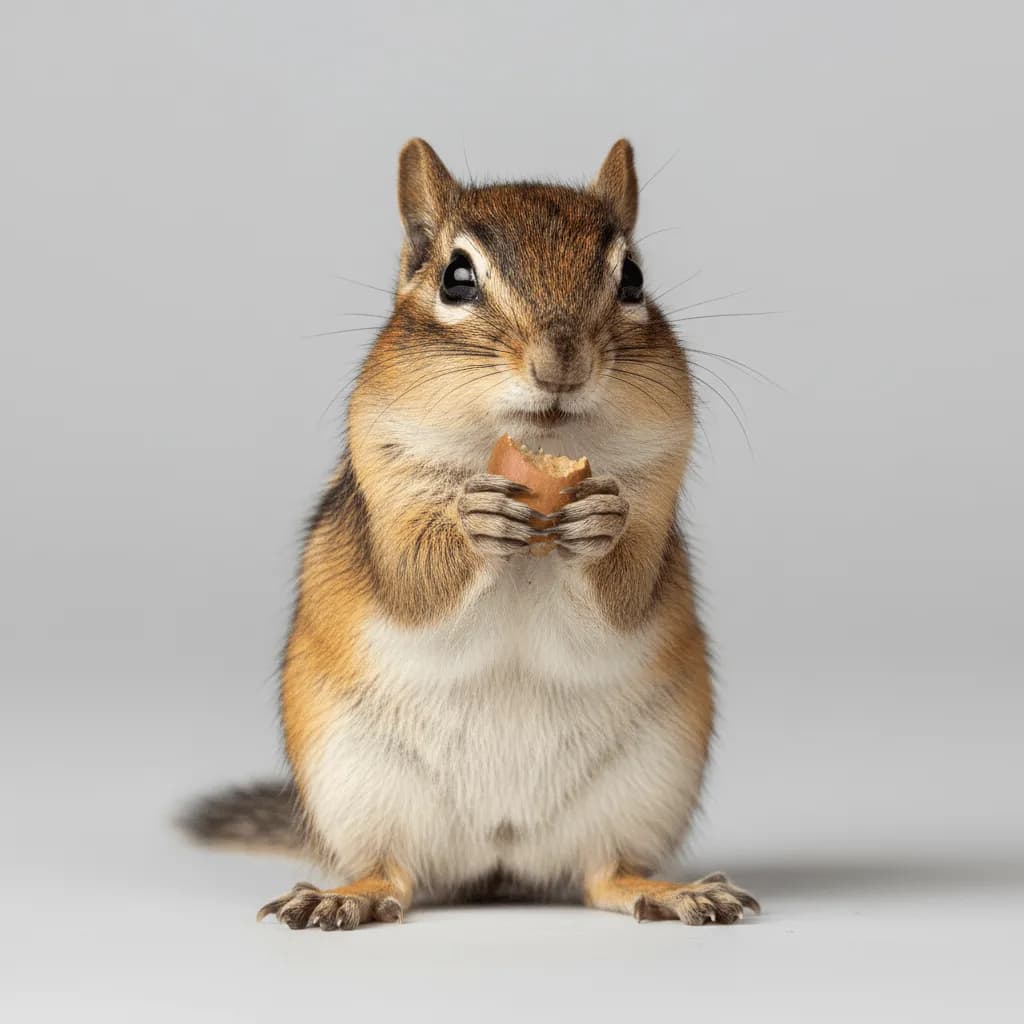
Eastern Chipmunk
Tamias striatus
The Eastern Chipmunk is a small, burrowing rodent found throughout eastern North America.
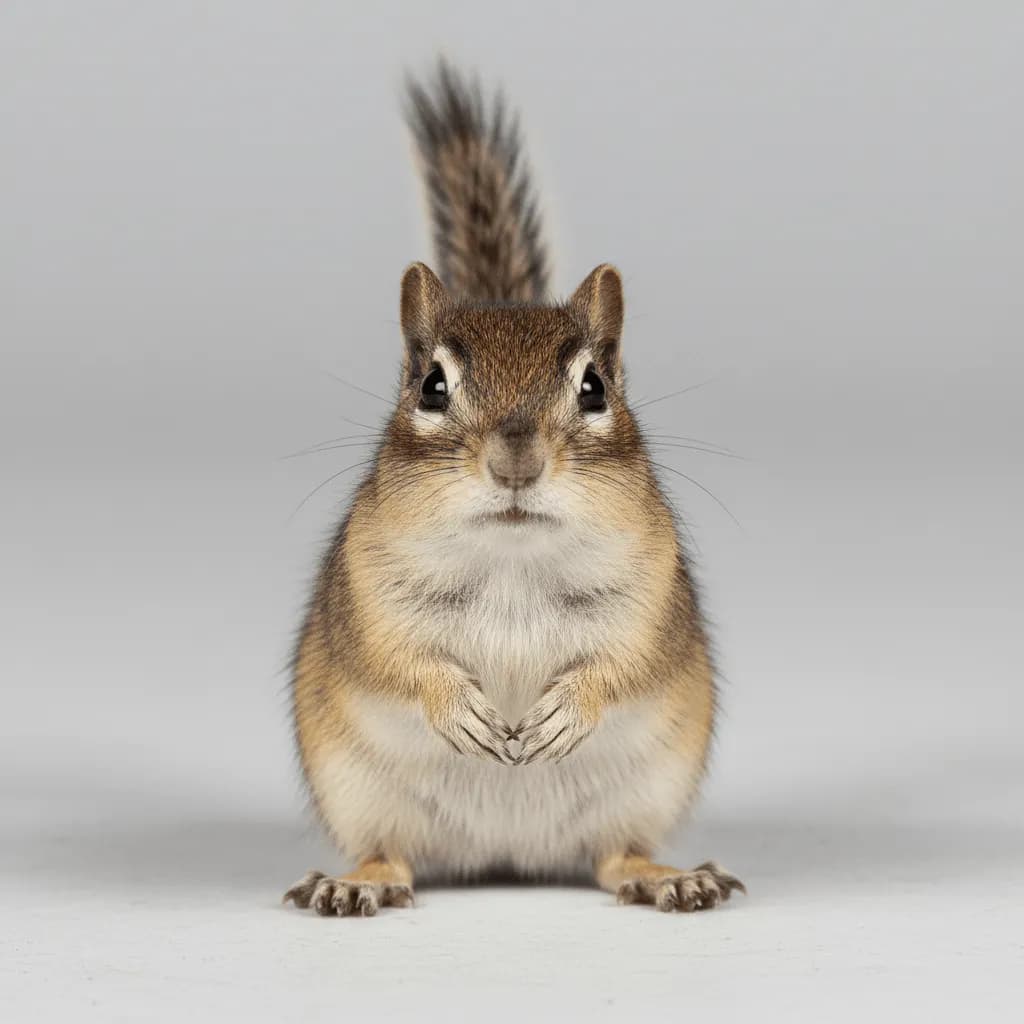
Least Chipmunk
Neotamias minimus
The Least Chipmunk is the smallest chipmunk in North America, found across western and northern regions from sagebrush flats to mountain forests.
Key Behaviors
Chipmunks are diurnal, solitary, and territorial. They create burrow systems with entrance holes approximately two inches in diameter, typically near foundations, walls, and other structural edges. They cache large quantities of seeds, nuts, and bulbs in underground chambers. They are attracted to bird feeders, which support artificially high populations in suburban areas. They are most active in spring and fall, entering a state of torpor but not true hibernation in winter.
Risks & Concerns
Chipmunk burrowing undermines patios, stairs, retaining walls, and sidewalks, particularly when multiple individuals burrow in the same area. They raid garden plantings and flower bulbs. Their burrow entrance holes create tripping hazards. High populations supported by bird feeders can produce extensive burrowing damage. They occasionally enter garages and basements through open doors. Removing bird feeders is the single most effective population reduction measure.
Quick Comparison
| Species | Size | Color | Key Trait |
|---|---|---|---|
| Eastern Chipmunk | 130-150 mm body; tail adds 70-100 mm | Reddish-brown with five dark-brown and two light stripes on the back; stripes extend across the face; creamy underside | Small size with bold facial stripes extending through and below the eye; cheek pouches for carrying food; distinct 'chip-chip-chip' alarm call. |
| Least Chipmunk | 90-110 mm body; tail adds 70-90 mm | Gray-brown to yellowish with five dark and four light dorsal stripes; stripes extend across the face; pale underside | Smallest North American chipmunk; proportionally longer tail carried upright while running; more variable coloring than eastern chipmunk; found in western and northern habitats. |
Need Help With Chipmunks?
If you're seeing signs of chipmunks in or around your home, professional treatment is the fastest way to stop the problem. Lotus Pest Control offers free inspections to identify the issue and recommend the right solution.